


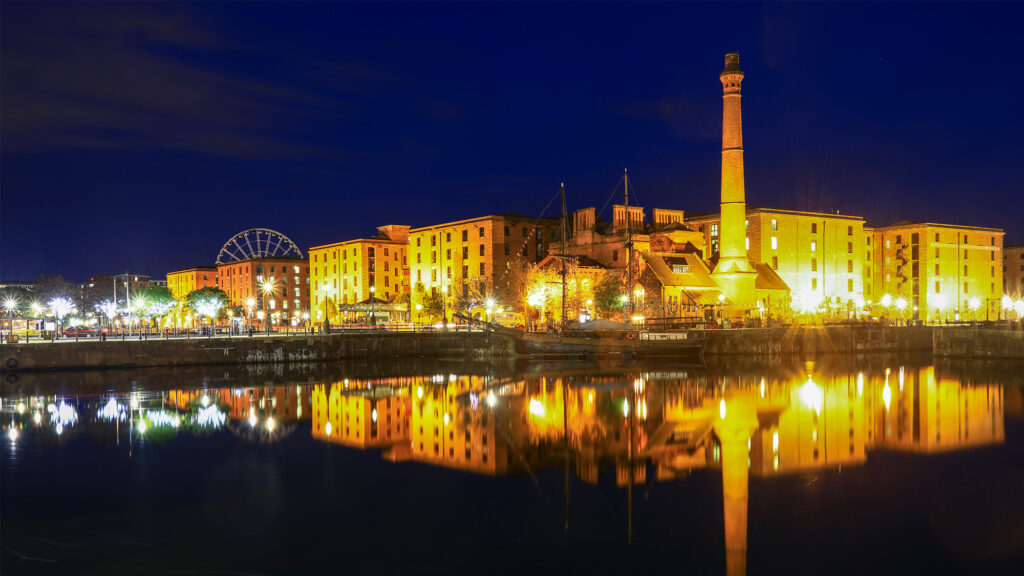
Once a central hub in the transatlantic slave trade, Liverpool has transformed into one of the UK’s most vibrant cultural centres. The city offers a powerful blend of memory, creativity, and global connection, from its rich musical legacy and dynamic waterfront to its diverse communities and bold reckoning with history.


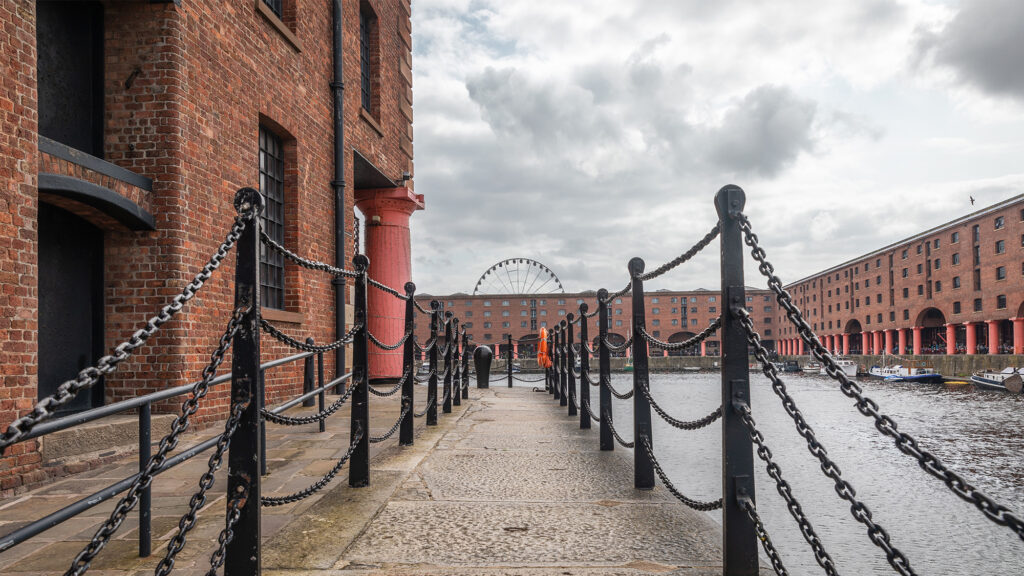
Liverpool’s story begins at the water’s edge. In the 18th and 19th centuries, the city was one of the most important ports in the world. Its docks connected Britain to the Americas, the Caribbean, and Africa, routes that built immense wealth for merchants and shipowners. But this prosperity came at a terrible cost: Liverpool was one of the largest slave-trading ports in Europe.
An estimated 1.5 million enslaved Africans were transported across the Atlantic on ships that set sail from Liverpool’s harbour. The profits from this trade helped shape the city’s architecture, banking institutions, and civic identity, a legacy that still lingers in its buildings and street names.
Yet Liverpool has not hidden from this past. Instead, it has made remembering a part of its recovery. The International Slavery Museum, located at the Royal Albert Dock, serves as a space for education and confrontation, where voices once silenced are amplified. It is a place that invites visitors to learn about history and reckon with it.
The Music That Changed the World
While Liverpool’s early wealth came from trade, its modern identity has been shaped by culture, most famously, by music. In the 1960s, four young men from working-class Liverpool changed the world. The Beatles emerged from the dimly lit stage of the Cavern Club and propelled their hometown into the global spotlight.
Today, the Beatles are everywhere, in statues, murals, museums, and tours. But the music scene goes far beyond nostalgia. Liverpool remains a creative incubator for new talent across genres, from indie rock to Afrobeat. Venues like Liverpool Philharmonic Hall, Kazimier Garden, and Invisible Wind Factory are alive with innovation, blending sounds and styles that reflect the city’s diverse population.
A Cultural Renaissance on the Waterfront
Liverpool’s designation as European Capital of Culture 2008 marked a turning point. It was more than a title; it sparked over £4 billion in investment, transforming former industrial zones into vibrant cultural quarters. The Albert Dock, once filled with goods from across the empire, is now a hive of artistic energy.
The Tate Liverpool brings world-class exhibitions to the North West, while the Museum of Liverpool tells the city’s story through its people, dock workers, immigrants, musicians, and activists. The Baltic Triangle, a former warehouse district, has become a creative hub filled with street art, tech start-ups, galleries, and food halls.
Visitors can easily see the transformation. What was once a landscape of cranes and cargo is now a place of colour, community, and culture.
A Creole City at Heart
Few cities in the UK are as proudly multicultural as Liverpool. Its long-standing connections to the Caribbean and West Africa have shaped its people and palate. Areas like Toxteth, often misunderstood or misrepresented, are rich in cultural expression.
Events like Africa Oyé, the UK’s largest celebration of African music and culture, draw thousands yearly to Sefton Park. It’s more than a festival, it’s a statement of identity and pride. Similarly, the Caribbean Carnival celebrates the city’s vibrant Black and Creole communities, blending music, food, and movement into something joyful and healing.
Markets like Granby Street, run by community members, offer handmade goods, vintage treasures, and some of the best jerk chicken this side of the Atlantic. These spaces remind visitors that Liverpool is not just English but international, diasporic, and proud of its mix.
Memory and Modernity in the City’s Architecture
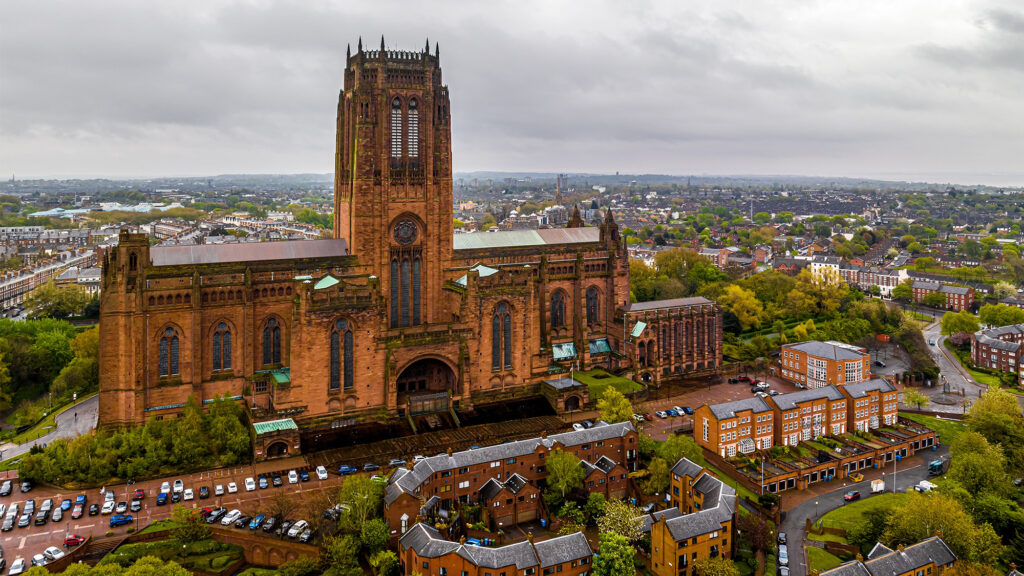
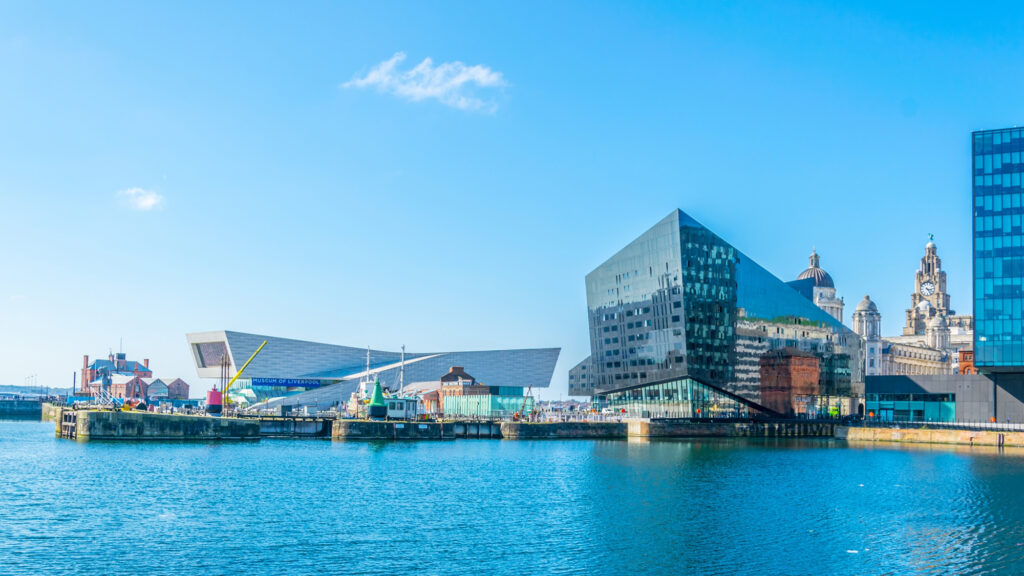
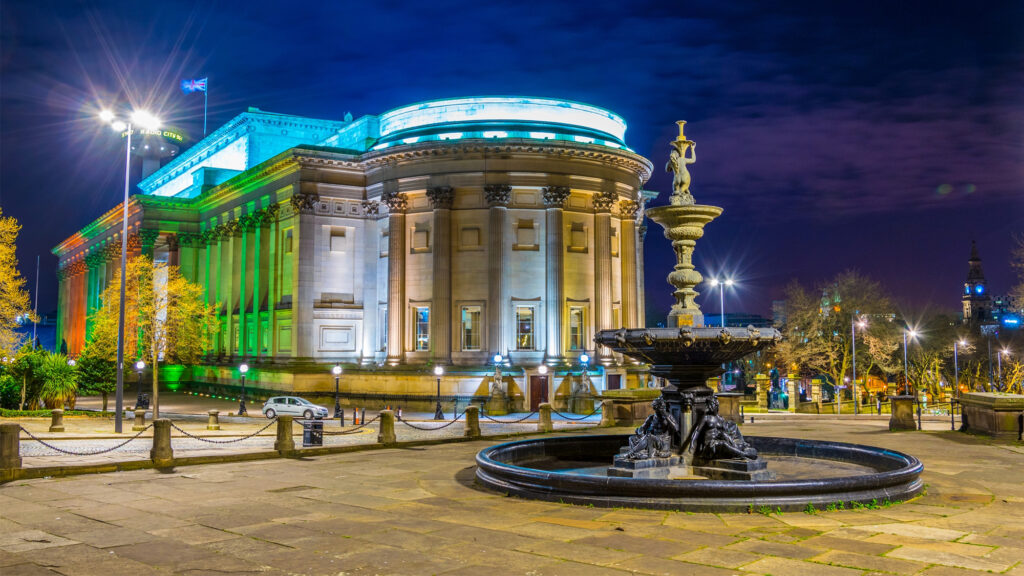
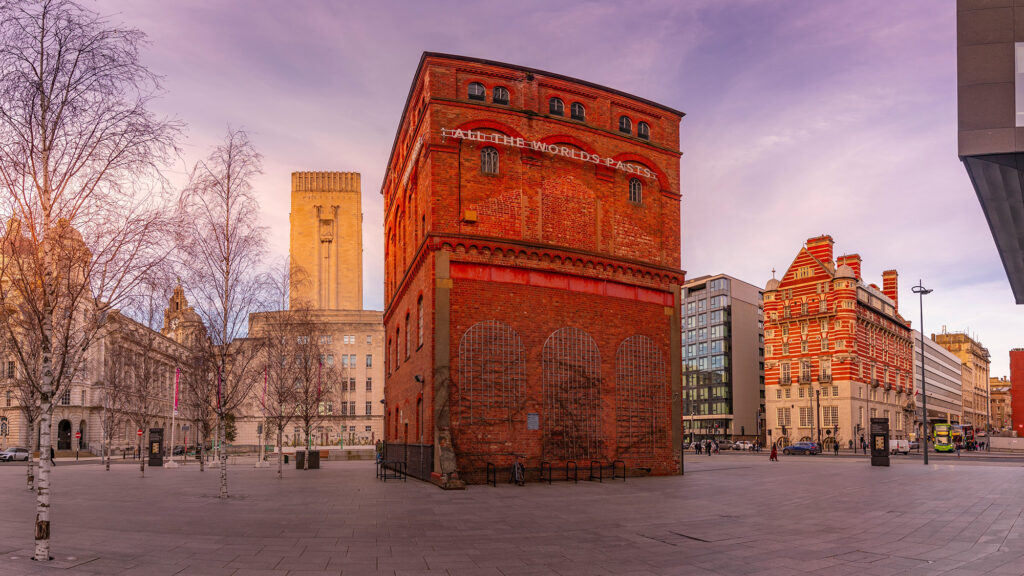
Liverpool’s skyline is a collage of eras. From the neoclassical grandeur of St George’s Hall to the sleek lines of the Museum of Liverpool, the city’s buildings trace its journey from empire to reinvention.
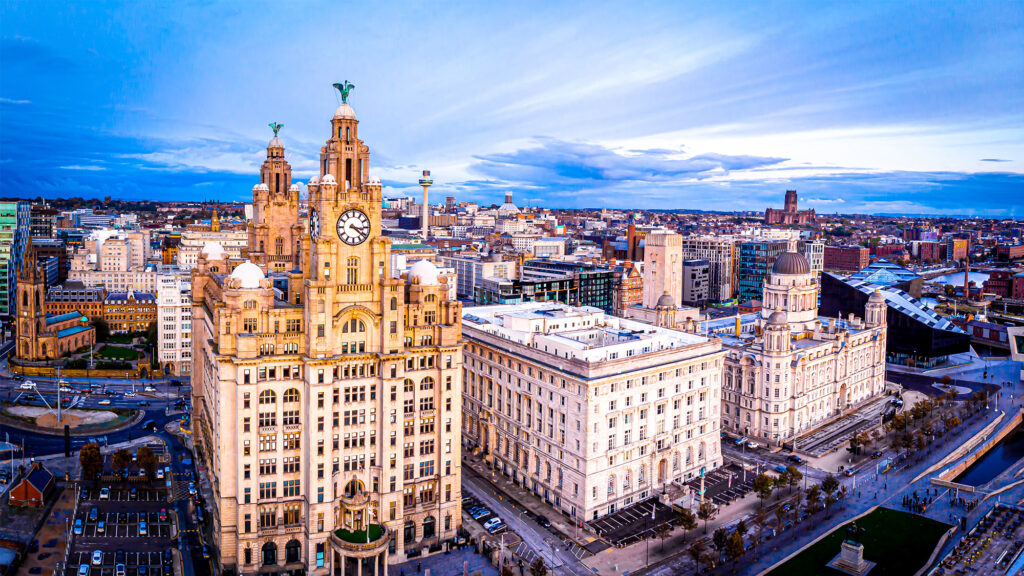
Not far from the docks, the Georgian Quarter preserves Liverpool’s 18th-century elegance — stately townhouses and leafy squares that whisper stories of merchants and sea captains. In contrast, the striking Three Graces, the Royal Liver Building, the Cunard Building, and the Port of Liverpool Building, speak of the city’s ambition during its maritime golden age.
Yet perhaps the most moving architectural stories are the ones repurposed, chapels turned into art studios, warehouses now filled with dance. Liverpool has learned how to honour its past without being trapped by it.
Education, Innovation, and a City of the Future
Beyond tourism, Liverpool is becoming a centre of learning and innovation. Its universities attract students from every continent. The University of Liverpool, Liverpool Hope, and Liverpool John Moores University host research programs, arts initiatives, and student festivals that help shape the city’s pulse.
Recent initiatives are also placing culture at the centre of community development. Creative projects in neighbourhoods like Anfield and Everton allow local artists to share their stories and reshape their spaces.
And with direct ties to the US, the Caribbean, and Africa through sister city programs and cultural exchanges, Liverpool is reconnecting with its global heritage in empowering new ways.
Why Liverpool Matters to the Creole World
Liverpool’s story is deeply relevant to the Creole world. It is a city shaped by the movement of people, goods, and ideas across oceans. It bears the scars of colonialism and the richness of resilience. Like so many Creole cultures, it has taken the raw material of history and made something beautiful, lasting, and accurate.
For Kreol readers, Liverpool offers more than a destination; it reflects. It’s a reminder that culture is not static, that history can be reclaimed, and that out of suffering, vibrant communities can rise.
So come to Liverpool, not just to see the sights but to hear the stories, walk the waterside, and feel the rhythm of a city still growing, healing, and singing.

Standing proudly along the Pier Head the Liver Building Cunard Building and Port of Liverpool Building form Liverpools Three Graces a stunning ensemble that symbolises the citys maritime might and global heritage These Edwardian era landmarks are not just buildings but powerful emblems of Liverpools role as a gateway to the world