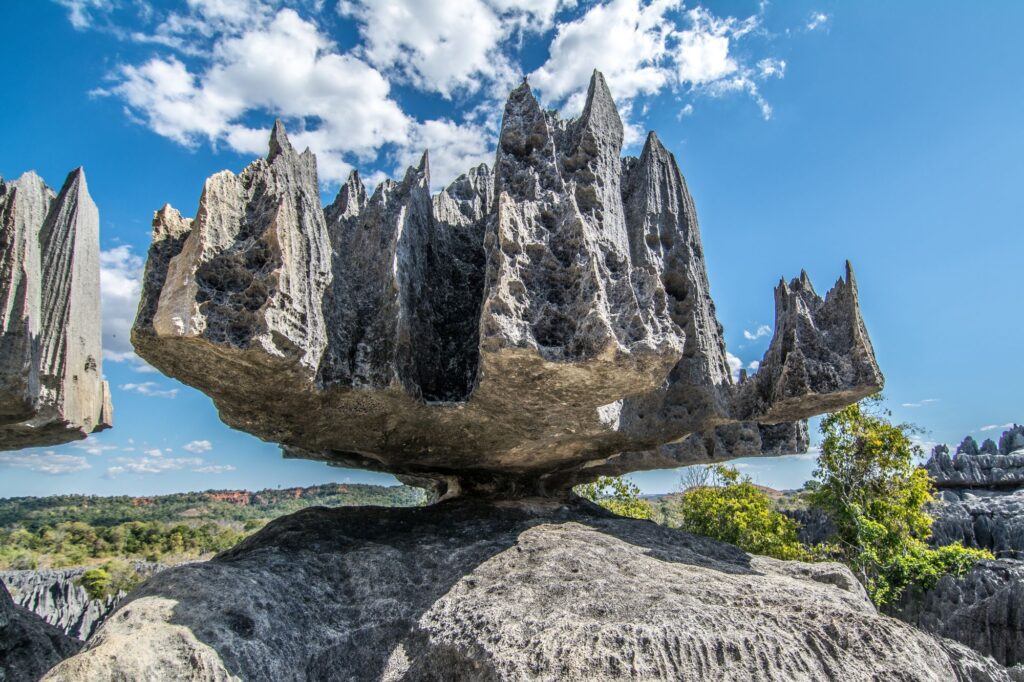
Madagascar, often called the “eighth continent,” is a treasure trove of cultural and natural wonders. This island nation boasts a unique blend of ethnic diversity, traditional music and dance, and a rich culinary heritage influenced by African, Asian, and European cultures. Its biodiversity is unparalleled, home to iconic lemurs, towering baobabs, and vibrant marine life. From the lush rainforests of Andasibe-Mantadia to the dramatic landscapes of Tsingy de Bemaraha, Madagascar offers endless opportunities for adventure and discovery.
Madagascar, the world’s fourth-largest island, is a land of remarkable contrasts and extraordinary beauty. Located off the southeastern coast of Africa, this enchanting island nation is renowned for its unique biodiversity, vibrant cultures, and captivating landscapes. Often referred to as the ‘eighth continent’ due to its unparalleled ecological diversity, Madagascar is a haven for a staggering array of endemic species, including iconic lemurs, towering baobabs, and vibrant chameleons, offering a truly awe-inspiring sight.
But Madagascar’s allure extends far beyond its natural wonders. The island is a living testament to the beauty of cultural diversity, with a rich tapestry of influences from the Merina people of the central highlands to the coastal Betsimisaraka and Sakalava communities. Each ethnic group contributes to Madagascar’s vibrant cultural mosaic, where traditional music, dance, and cuisine offer a window into the island’s soul, where African, Asian, and European influences harmoniously blend.
Join us on a journey to explore Madagascar’s historical heritage, cultural treasures, and natural splendours. Whether you’re trekking through lush rainforests, marvelling at the surreal landscapes of Tsingy de Bemaraha, or indulging in the unique flavours of Malagasy cuisine, Madagascar promises an adventure of a lifetime. Discover the magic of this extraordinary island, where every journey becomes a story worth telling.


Early History
Madagascar’s history begins with its first settlers, believed to have arrived from Southeast Asia around 2,000 years ago. These early inhabitants, the Austronesian people, brought their language, culture, and agricultural practices with them. Over the centuries, they intermingled with Bantu migrants from East Africa, creating the foundation for the island’s diverse ethnic groups and rich cultural tapestry.
The development of small, independent kingdoms marks the island’s early history. These early Malagasy societies were skilled in rice cultivation, metalwork, and seafaring, establishing trade routes with the African mainland, the Arabian Peninsula, and Southeast Asia. The introduction of zebu cattle, iron tools, and rice cultivation significantly influenced these early communities’ social and economic structures.
Colonial Era
The arrival of European explorers in the 16th century marked a new chapter in Madagascar’s history. The Portuguese were the first Europeans to see the island in 1500, but the French eventually established a lasting colonial presence. During the 17th century, French, British, and Dutch traders and pirates frequented the island, attracted by its strategic location and resources.
In the late 19th century, Madagascar became a focal point of French colonial ambitions. In 1896, following a series of military conflicts, France formally annexed Madagascar, making it a French colony. The French colonial period significantly changed the island’s political, economic, and social structures. The colonial administration established plantations, introduced new crops such as coffee and vanilla, and built infrastructure, including roads and railways. However, these developments often came at a great cost to the Malagasy people, who faced land dispossession, forced labour, and cultural suppression.
French colonial rule lasted until 1960 when Madagascar gained its independence. The struggle for independence was marked by significant resistance movements, including the 1947 Malagasy Uprising, which played a crucial role in the eventual decolonisation process. The post-independence era saw Madagascar navigate the challenges of nation-building, balancing traditional customs with modern statehood, and fostering economic development.

Legacy and Cultural Resilience
Despite the challenges of colonial rule, the Malagasy people have preserved their cultural heritage and traditions. Blending Austronesian, African, and European influences has created a unique Malagasy identity characterised by a rich oral tradition, vibrant music and dance, and a deep connection to the land.
Ethnic Diversity
Madagascar’s cultural richness is deeply rooted in its ethnic diversity. The island has 18 main ethnic groups, each with unique customs, traditions, and dialects. The largest group, the Merina, reside in the central highlands and have historically played a significant role in the island’s political and cultural life. The Betsimisaraka, located along the eastern coast, are known for their seafaring skills and vibrant coastal culture. At the same time, the Sakalava in the west are renowned for their elaborate rituals and powerful kingdoms.
This ethnic mosaic results from centuries of migration and blending of different peoples, including Austronesians, Africans, Arabs, and Europeans. Each group has contributed to the tapestry of Malagasy culture, creating a rich heritage evident in the island’s music, dance, art, and daily life.
Music and Dance
Music and dance are integral to Malagasy culture, serving as expressions of identity and mediums for storytelling. Traditional music styles such as Salegy, Hira Gasy, and Tsapiky reflect the diverse influences that have shaped the island’s cultural landscape. Salegy, characterised by its upbeat tempo and intricate rhythms, originates from the coastal regions and is often performed at festivals and celebrations.
Hira Gasy, a traditional form of musical theatre performed by the Merina people, combines singing, dancing, and storytelling to convey moral and social messages. This art form dates back to the 18th century and remains vital to cultural events and gatherings. Tsapiky, popular in the southwest, features fast-paced rhythms and guitar melodies, often addressing contemporary social issues and everyday life.
Dance is equally important, with each ethnic group having distinct styles and performances. The traditional dances often accompany rites of passage, religious ceremonies, and community celebrations, showcasing the island’s cultural vibrancy and unity.
Cuisine
Malagasy cuisine is a delightful fusion of flavours and ingredients influenced by African, Asian, and European culinary traditions. Rice is the staple food, typically served with various side dishes, including meat, seafood, vegetables, and legumes. Romazava, a popular dish, is a flavourful stew made with beef, leafy greens, and spices, often enjoyed with rice.
Another staple is Ravitoto, a dish made from shredded cassava leaves cooked with pork, reflecting the island’s agricultural practices and local ingredients. The use of zebu (humped cattle) meat in dishes like Zebu steak highlights the importance of livestock in Malagasy culture.
Street food is also a vibrant aspect of Malagasy cuisine, with treats like Mofo Gasy (sweet rice cakes) and Koba (a dessert made from rice flour, peanuts, and bananas) offering a taste of the island’s culinary diversity. Blending flavours and cooking techniques from different cultural influences have created a unique and tantalising food culture integral to the Malagasy identity.
Madagascar’s cultural heritage is a testament to its people’s resilience and creativity. Its harmonious blend of traditions and innovations continues to thrive in the modern era, making Madagascar a fascinating destination for those looking to explore the depths of its history, arts, and culinary delights.

Natural Wonders
Biodiversity Hotspot
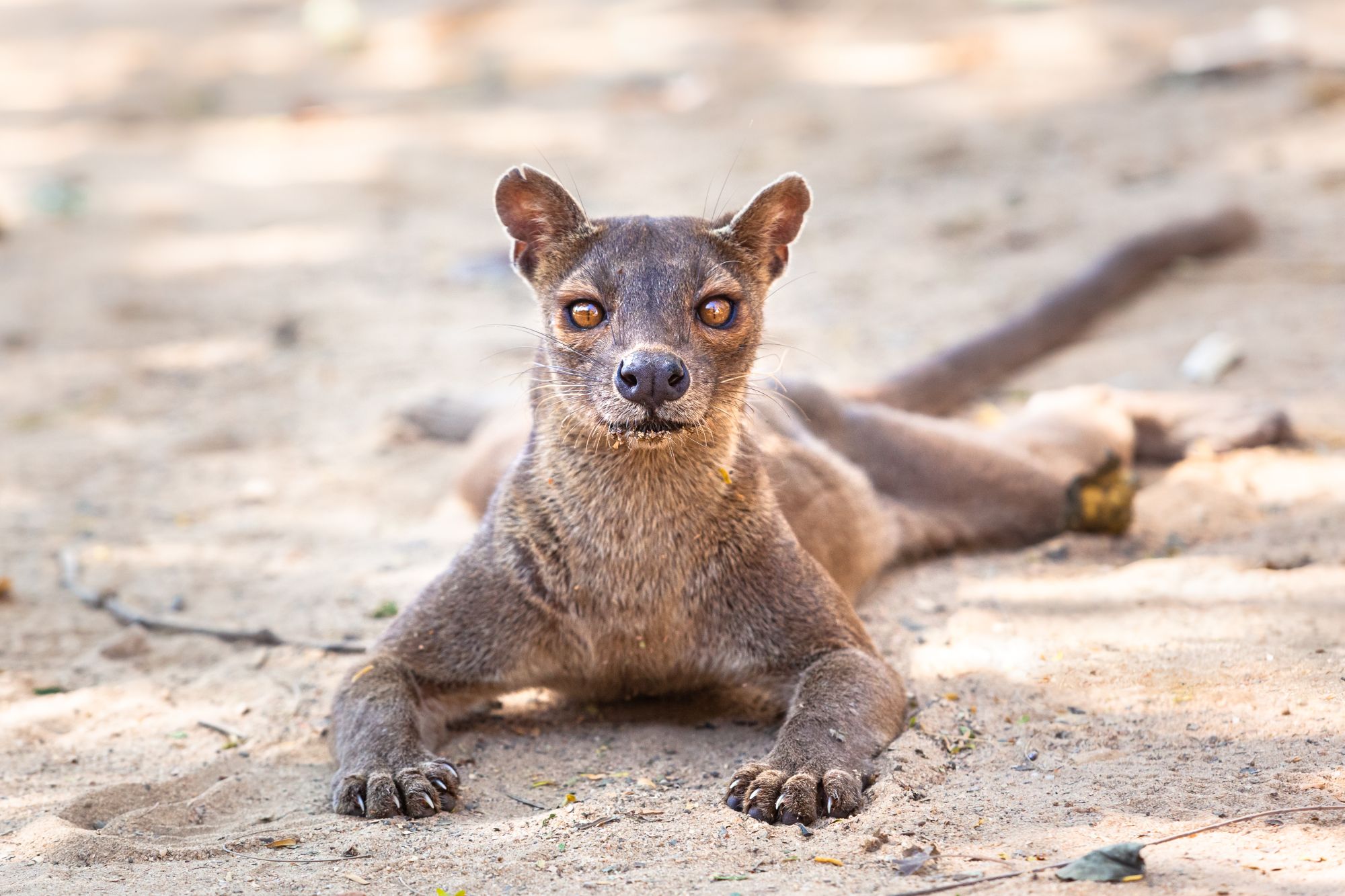
Madagascar is renowned as one of the world’s most significant biodiversity hotspots. It’s astonishing array of flora and fauna is found nowhere else on Earth. Approximately 90% of its wildlife is endemic, making it a paradise for nature lovers and scientists.
Unique Wildlife
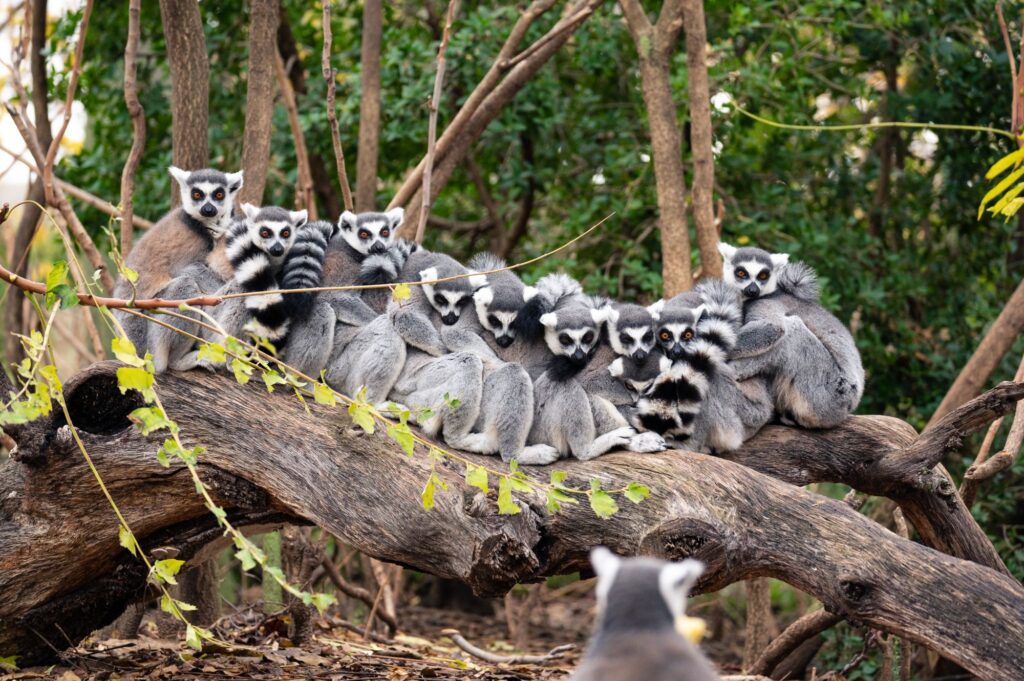
Lemurs: Perhaps Madagascar’s most iconic inhabitants are its lemurs. Over 100 species of these primates exist, ranging from the tiny mouse lemur to the large indri. Lemurs play a crucial role in Malagasy culture and mythology and are a major attraction for wildlife enthusiasts.
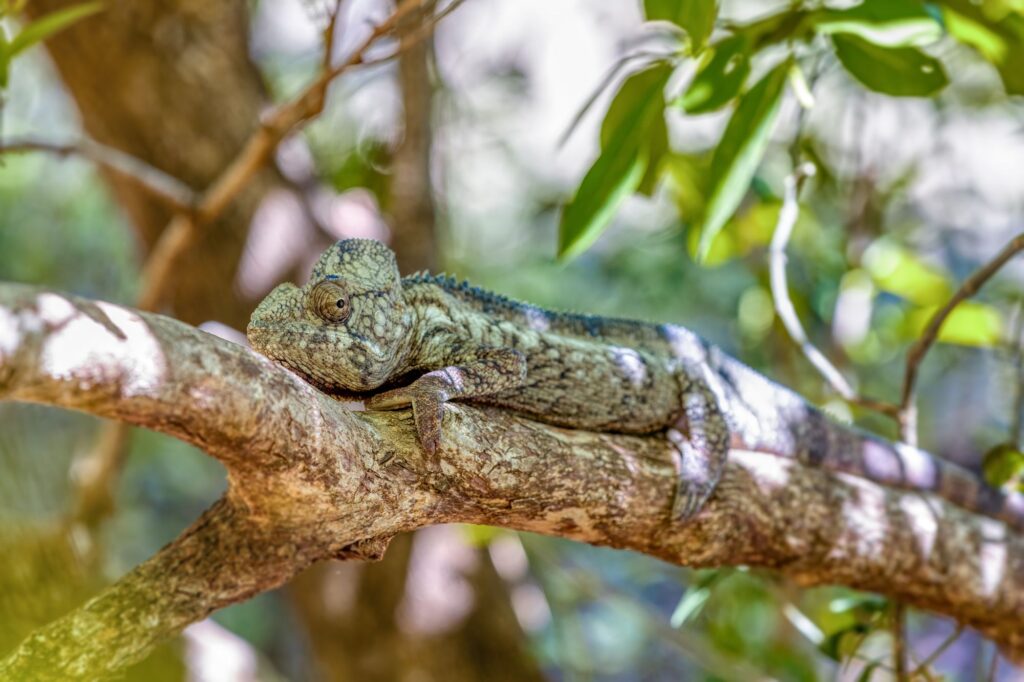
Reptiles and Amphibians: The island is home to a remarkable diversity of reptiles, including over 300 species of chameleons, geckos, and snakes. Notable among these are the panther chameleon, known for its vivid colours, and the leaf-tailed gecko, which exhibits extraordinary camouflage.
Birds: Madagascar boasts over 250 bird species, with nearly 120 of them being endemic. The critically endangered Madagascar fish eagle and the vibrant Madagascar paradise flycatcher are just a few examples of the island’s avian diversity.
Flora
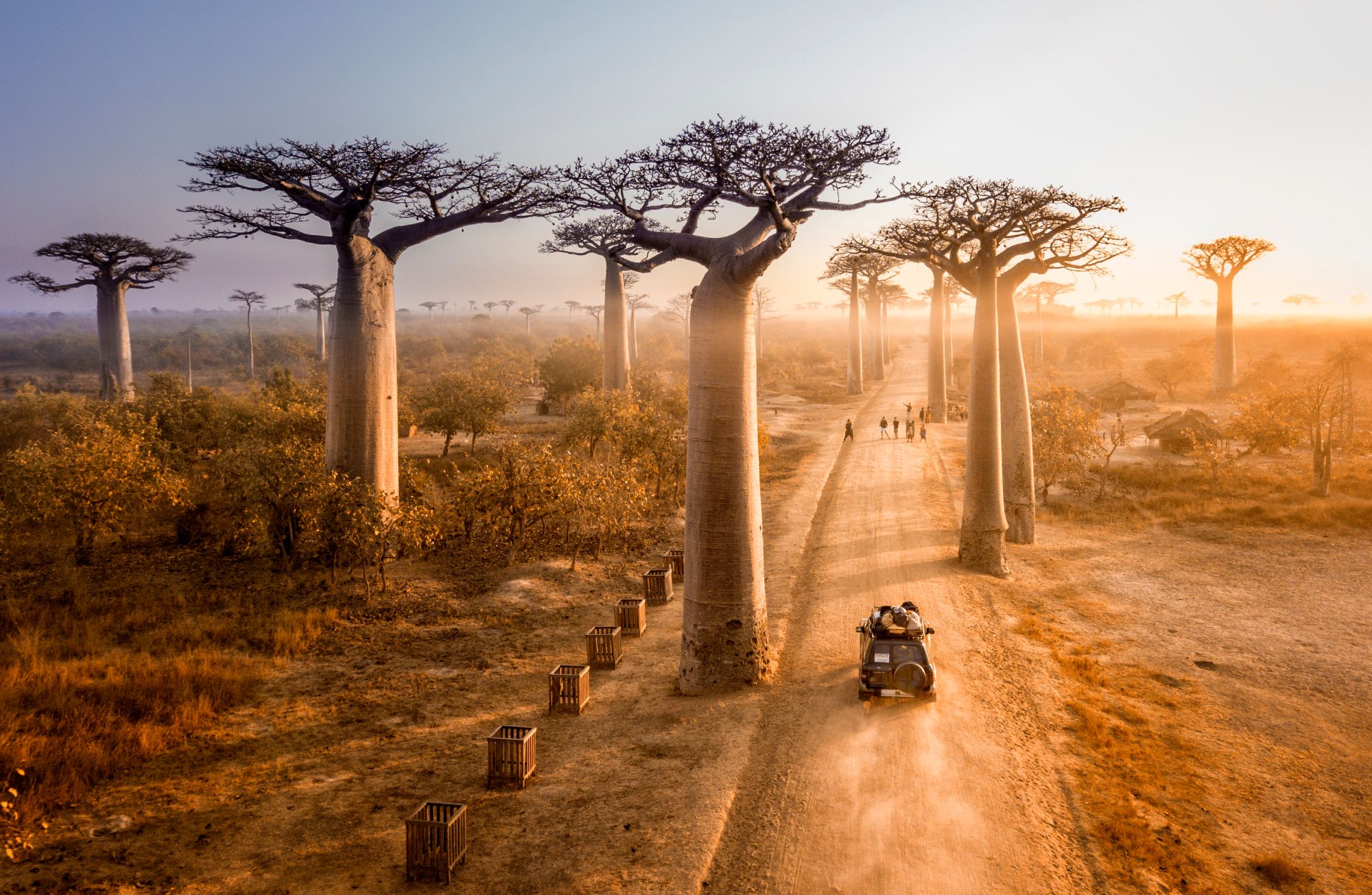
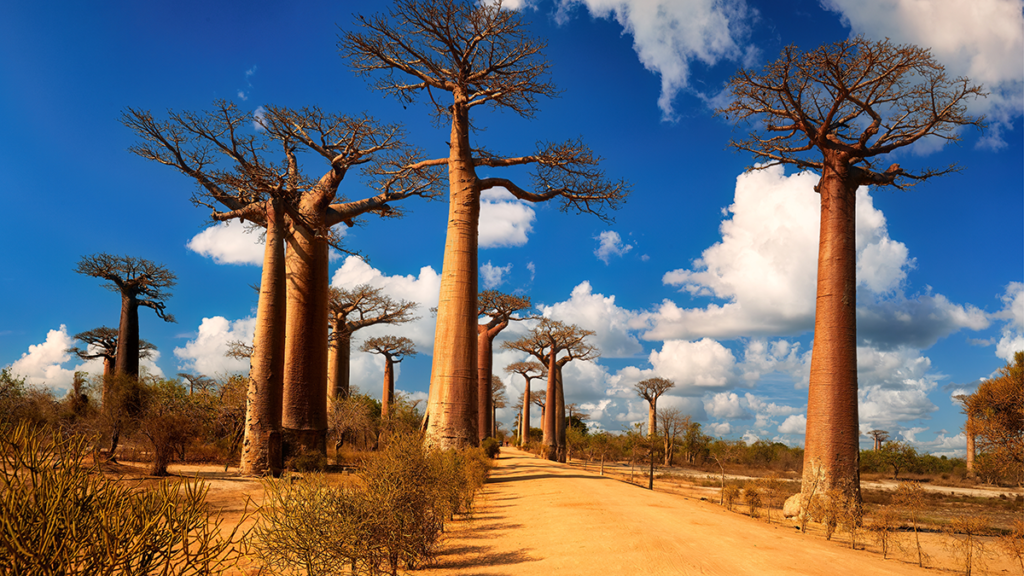
Baobabs: These towering trees symbolise Madagascar’s unique landscape. Six of the world’s eight baobab species are found only in Madagascar. The Avenue of the Baobabs, a dirt road lined with these majestic trees, is one of the island’s most photographed locations.
Orchids: Madagascar is home to over 1,000 orchid species, many of which are endemic. The delicate beauty and diversity of these flowers attract botanists and plant enthusiasts from around the globe.
Landscapes and Ecosystems
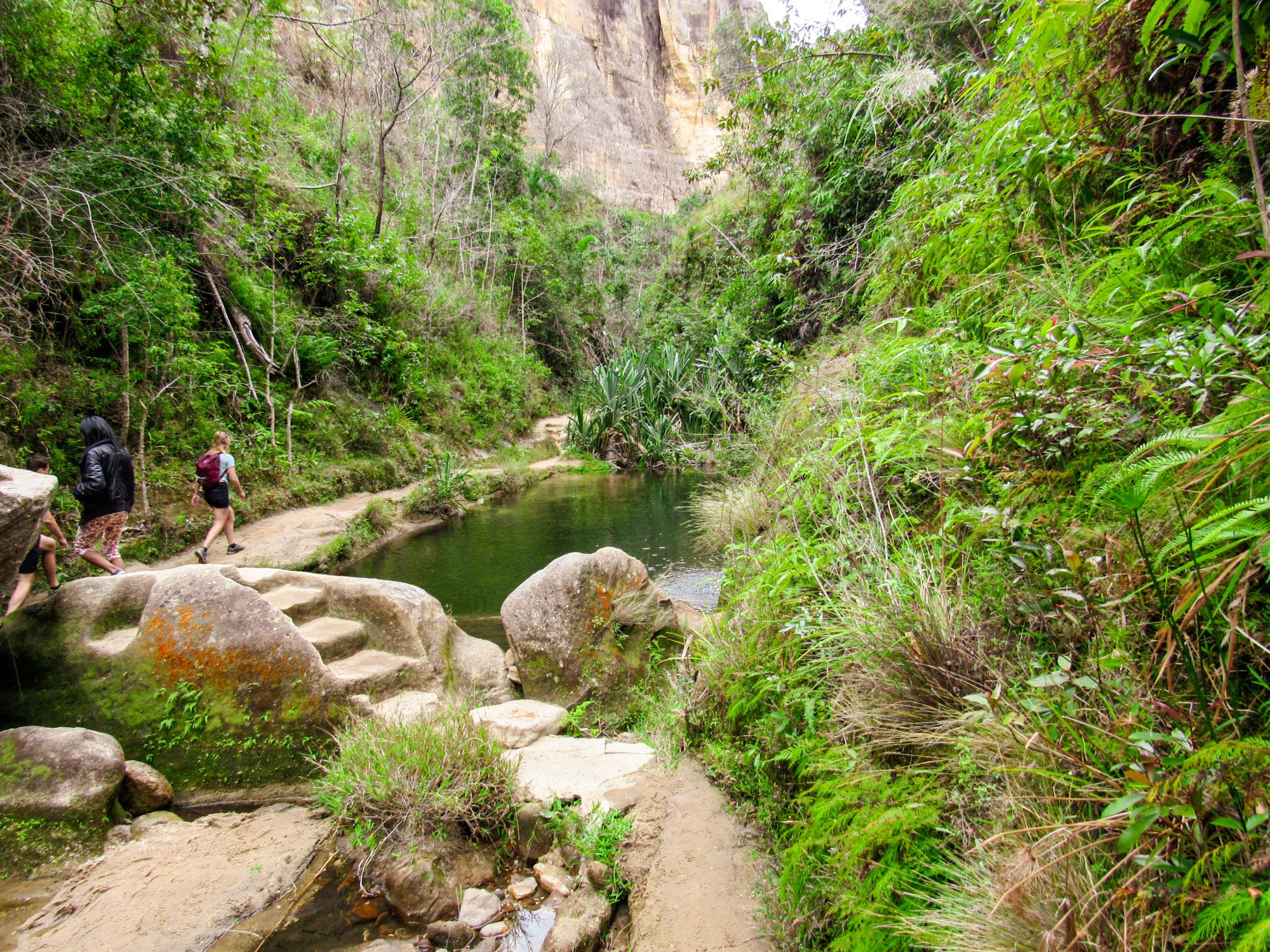
Madagascar’s diverse landscapes range from lush rainforests to arid deserts, offering a variety of ecosystems that support its unique biodiversity.
Rainforests
Andasibe-Mantadia National Park: Among the best places to experience Madagascar’s rainforests. It is home to the largest lemur species, the indri, and numerous other wildlife species and endemic plants.
Ranomafana National Park: Known for its dense forests and abundant wildlife, Ranomafana is a haven for researchers and tourists alike. The park is a UNESCO World Heritage site and a key area for conservation efforts.

Spiny Forests
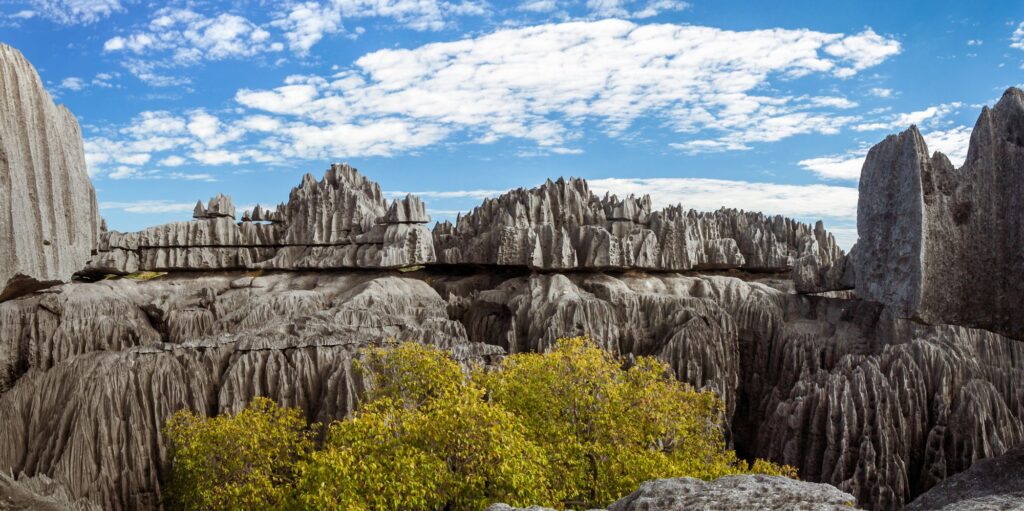
Tsingy de Bemaraha: This UNESCO World Heritage site features a unique landscape of limestone karst formations known as “tsingy,” which means “walking on tiptoes” in Malagasy. The sharp pinnacles and deep gorges create a surreal and challenging environment for exploration.
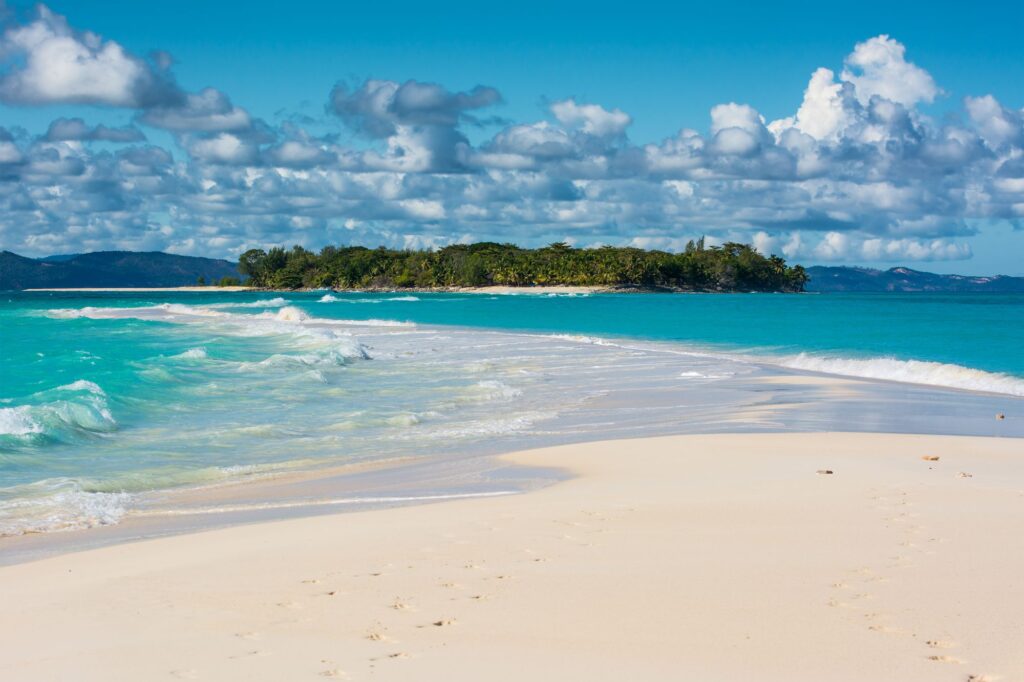
Coastal and Marine Ecosystems
Coral Reefs and Beaches: Madagascar’s coastal regions are surrounded by vibrant coral reefs, which are among the richest in the Indian Ocean. Nosy Be and Île Sainte-Marie are popular destinations for diving and snorkelling, offering encounters with colourful marine life, including sea turtles, whale sharks, and various fish species.
Mangroves: These coastal ecosystems protect shorelines and support diverse marine life. Madagascar’s mangroves are crucial breeding grounds for fish and other aquatic species.
Conservation Efforts
Madagascar’s unique biodiversity faces significant deforestation, habitat loss, and climate change threats. However, numerous conservation efforts are underway to protect the island’s natural heritage.
Protected Areas: Madagascar has established several national parks and reserves to conserve its unique ecosystems. These protected areas are critical for preserving biodiversity and supporting eco-tourism.
Community Involvement: Local communities play a vital role in conservation efforts. Initiatives that promote sustainable livelihoods and involve community members in protecting their natural resources are essential for long-term success.
International Support: Conservation organisations and researchers worldwide collaborate with Malagasy authorities to implement conservation programs, conduct research, and raise awareness about the importance of preserving madagascar’s natural wonders.
Madagascar’s natural beauty and ecological significance make it an exceptional travel destination. From its endemic wildlife to its diverse landscapes, the island offers endless opportunities for adventure and discovery, ensuring an unforgettable experience for every visitor.
Conclusion
Madagascar is a land of unparalleled beauty and diversity, where every corner of the island tells a story of ancient cultures, unique wildlife, and breathtaking landscapes. From the endemic species that roam its forests to the vibrant traditions of its people, Madagascar offers a truly unique travel experience that captivates and inspires. Whether trekking through its rainforests, exploring its dramatic limestone formations, or diving into its crystal-clear waters, Madagascar promises adventure, discovery, and a deep connection with nature. As you plan your journey, let the rich history, cultural heritage, and natural wonders of Madagascar guide you to an unforgettable experience that will leave you yearning for more.