


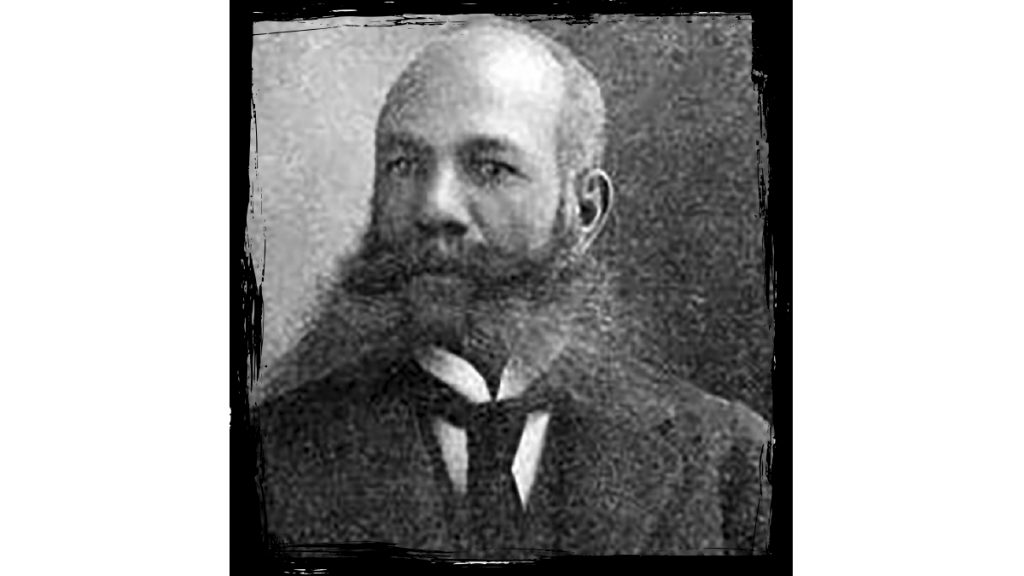
Philip B. Downing, born to formerly enslaved parents in South Carolina, made a significant contribution to the world by inventing the street letterbox. This device revolutionized how people sent and received mail, making the process easier, faster, and more efficient. Although his invention has become ubiquitous in modern life, Downing’s life and work are not widely known.
Philip B. Downing was born in 1857 in South Carolina, just before the Civil War. His parents had been enslaved, and little was known about their lives before or after emancipation. It is unclear if Downing received any formal education as a child, but he must have been self-taught to some extent, as he later became an inventor and patent holder.
Inventing the Street Letter Box
In 1891, Downing worked as a draftsman and engineer for the United States Postal Service in Boston. At that time, the postal service required people to travel to a post office or a mailbox to send letters. This was inconvenient, especially for people living far away from a post office or with mobility issues.
Downing recognized the need for a more convenient system for sending and receiving mail. He came up with the idea of a street letter box, which would allow people to drop their letters off at a convenient location without going to a post office. The first street letter box was installed in Boston in 1891, and it quickly became popular. The postal service soon installed similar boxes in other cities across the country.
Downing’s street letter box was a simple device consisting of a metal box with a hinged door and a letter slot. It was mounted on a post, so people could quickly drop their letters into the box from the street. The boxes were emptied regularly by postal workers, who collected the letters and took them to a post office for processing and delivery.
The Impact of the Street Letter Box
The street letter box had a significant impact on the way people sent and received mail. It made the process more convenient, especially for people who lived in rural areas or could not travel to a post office. It also helped to speed up mail delivery, as letters could be collected and processed more quickly.
The street letter box was just one of many innovations that transformed the postal service in the late 19th century. Other innovations included the use of railway mail cars, which allowed mail to be sorted and processed while it was in transit, and the introduction of parcel post, which made it easier to send packages and other items through the mail.
Despite the many changes in the postal service over the years, the street letter box has remained a familiar and essential feature of American life. Today, there are more than 153,000 collection boxes across the United States, and they are used by millions of people every day.
Legacy and Recognition
Philip B. Downing’s invention of the street letter box has had a lasting impact on American society. It helped to democratize access to the postal service, making it more accessible and convenient for everyone. His invention was also a testament to the ingenuity and resilience of African Americans, who faced enormous obstacles and discrimination in the late 19th century.
Downing’s name is not widely known despite his significant contribution to American society. In fact, until recently, he was not even credited with the invention of the street letter box. Instead, for many years, credit was given to a white man, Roy J. Joroleman, who patented a similar device several years after Downing.
It was not until the late 20th century that Downing’s contributions were recognized. Finally, in 1989, the United States Postal Service issued a commemorative stamp in his honour, recognizing him as the inventor of the street letter box.