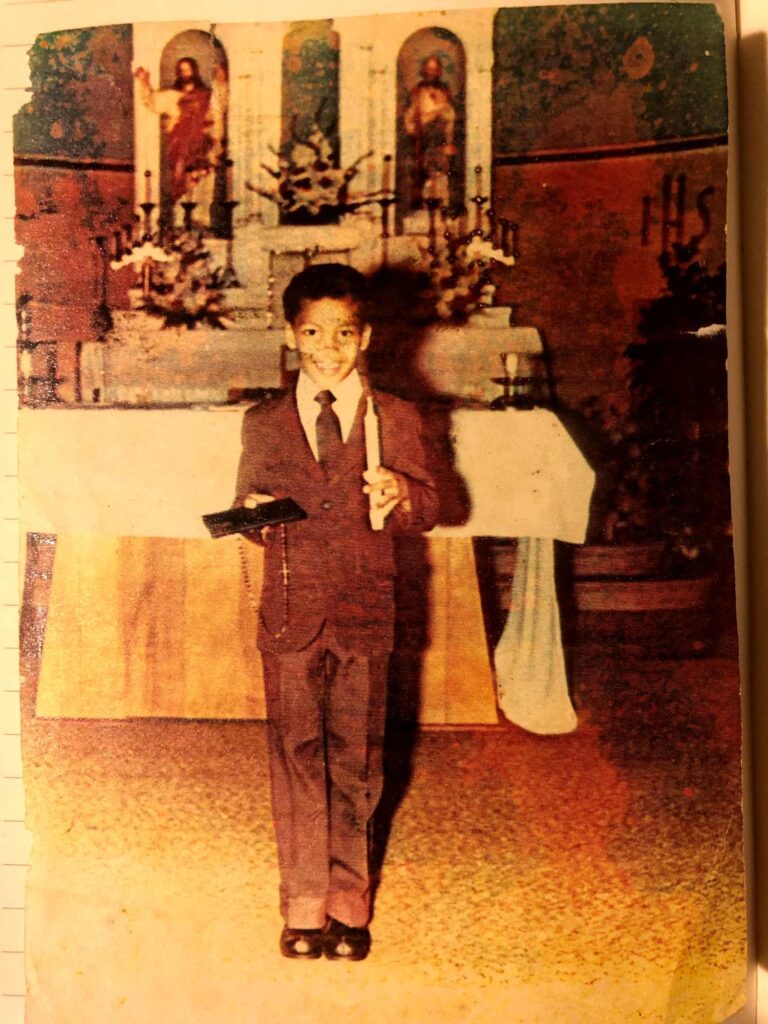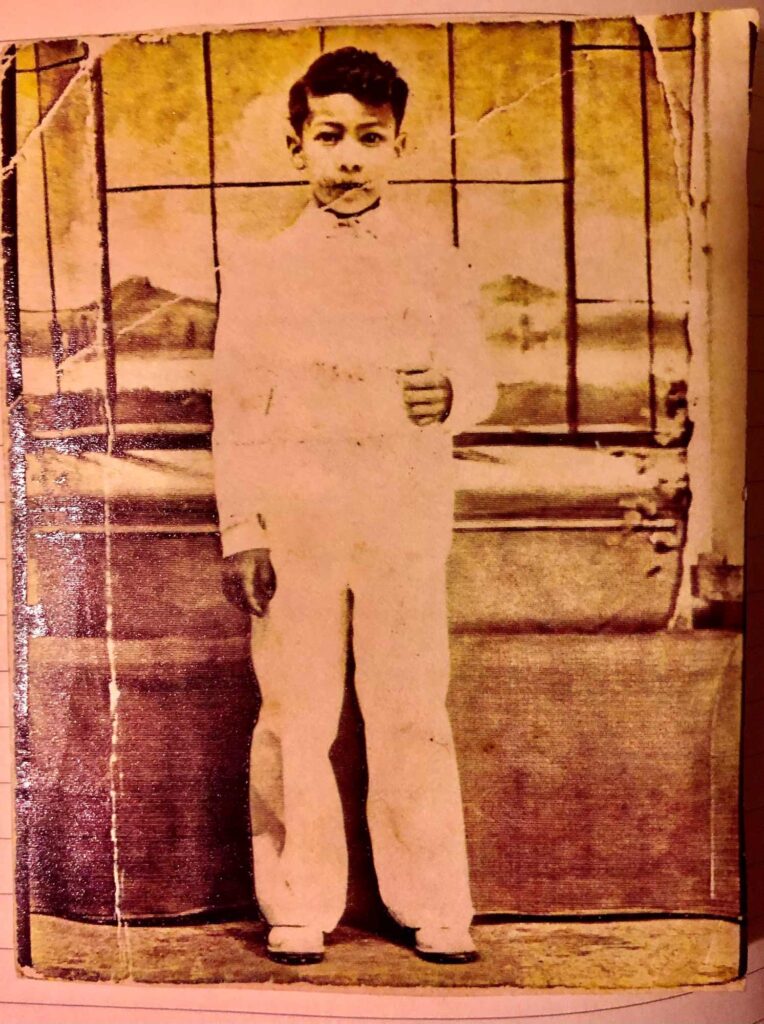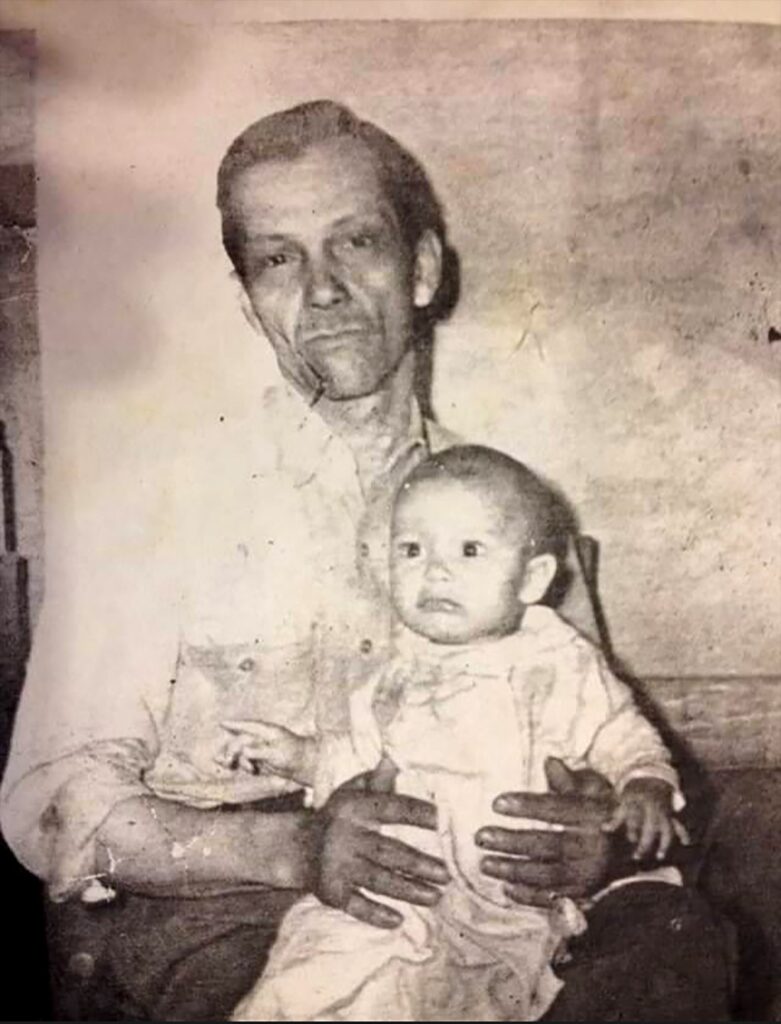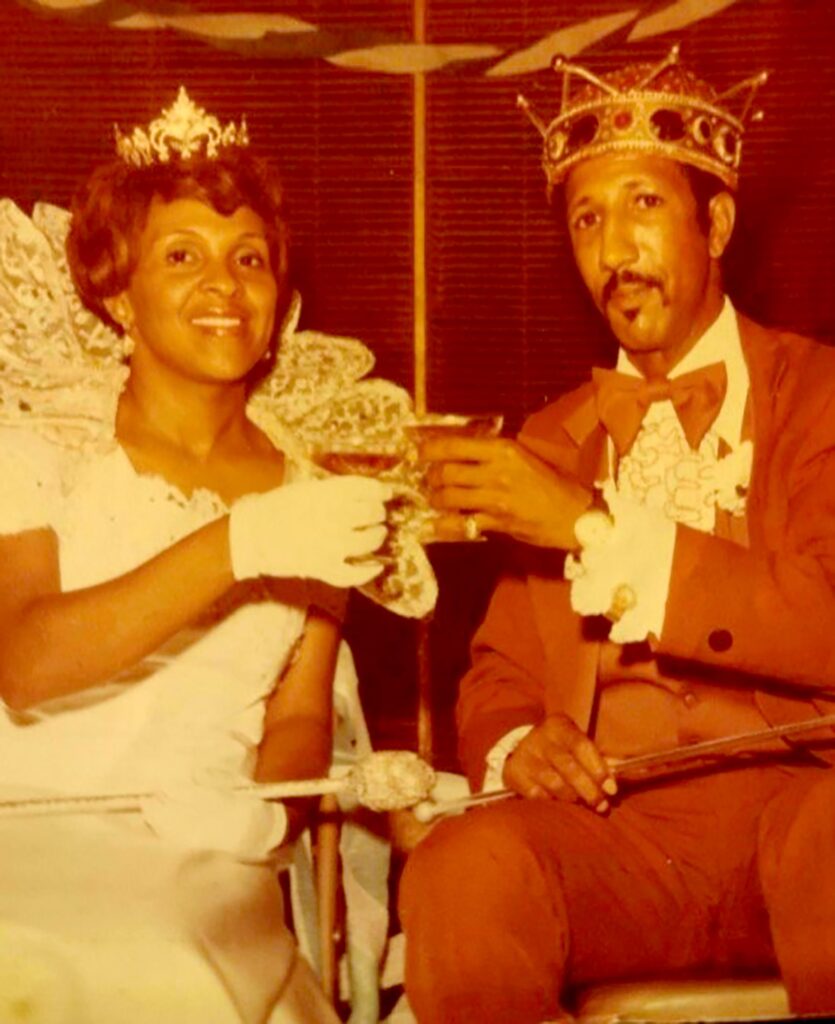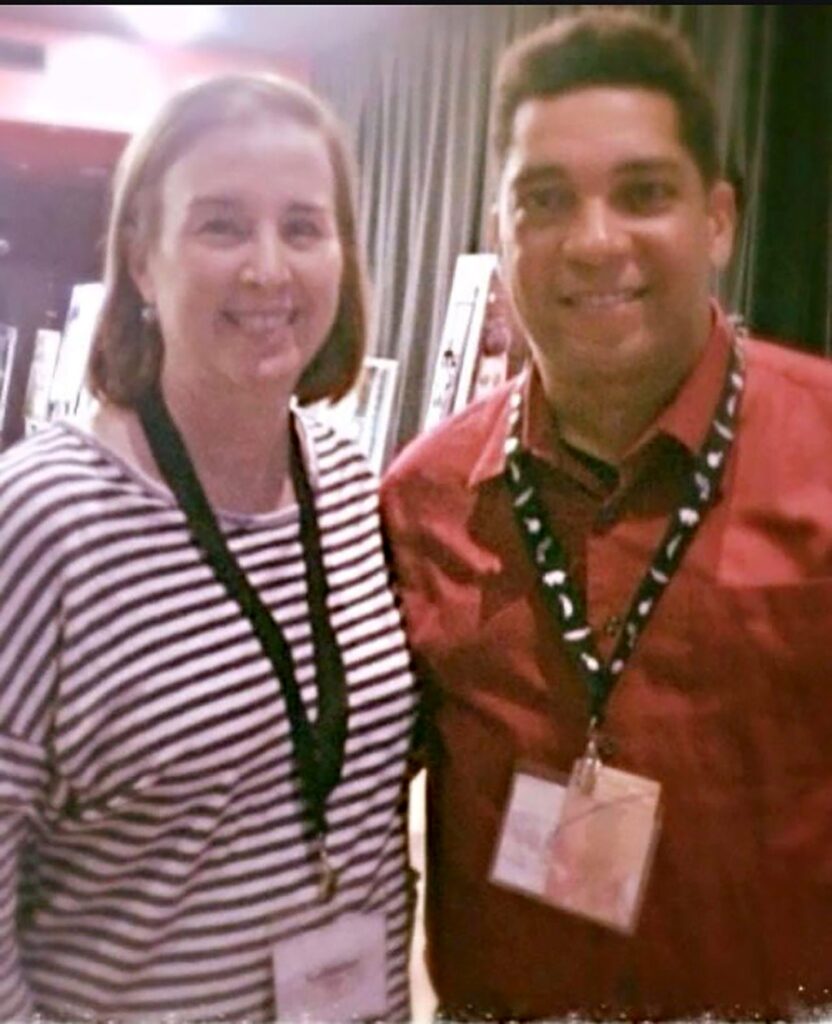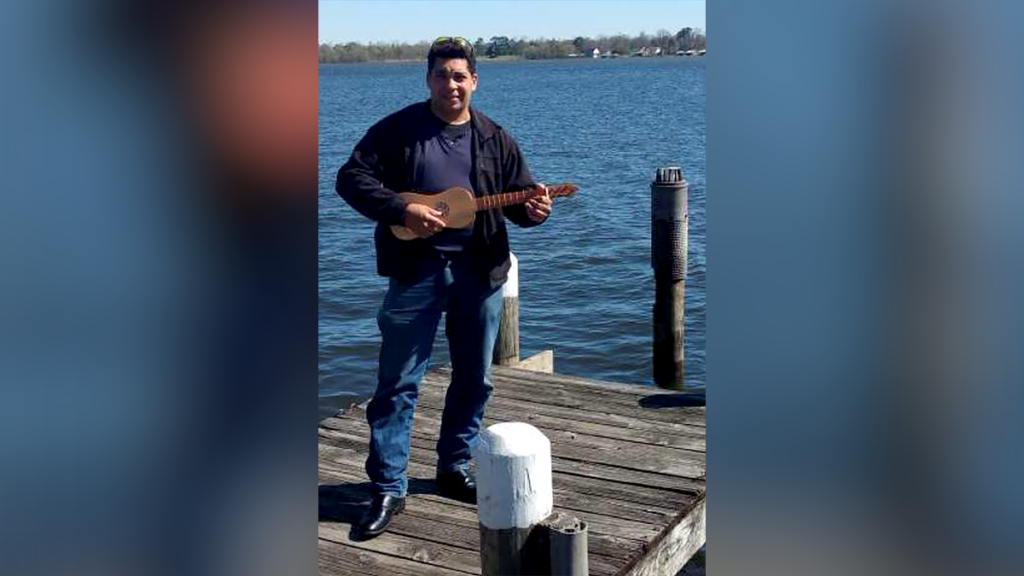
Joseph Darensbourg’s journey is not just a personal tale but a deep dive into the roots of Creole identity, tracing back to his ancestor, Karl Friederich D’arensbourg, in the early 18th century. It’s a story that transcends Joseph’s life, revealing a rich tapestry of cultural diaspora and connection that stretches from Louisiana to distant shores worldwide. This exploration of ancestry and identity highlights the intricate interplay between past and present, as well as the enduring legacy of Creole heritage.
Joseph Darensbourg is a man with a story to tell. This story, however, doesn’t begin in the fashion that you might expect.
It doesn’t begin when he was born as one of five siblings in New Orleans, Louisiana. It doesn’t kick off when he found his trade as a bookbinder in Boston, Massachusetts. It doesn’t even begin from the moment he became a member of the string ensemble Les Cenelles.
In fact, it doesn’t even start with Joseph. Instead, it begins with a man called Carl Friedrich de Ottenberg.
Carl Friedrich de Ottenberg was Joseph’s great-great-great-great-great-great-great grandfather. Carl was a German man who arrived in Louisiana from then-Prussia back in the early 18th Century. It didn’t just mark the beginning of a lineage that Joseph can trace to this day, but also the foundation of his Creole identity.
“The diaspora of many cultures that make up Creole identity in Louisiana started in 1720,” Joseph tells Kreol Magazine. He adds: “It marked the need for the term Creole – the ones of us who were born after our European ancestors came.”
Joseph’s story, therefore, arguably begins back in 1720. It’s a fascinating means of understanding this talented musician and how he celebrates the past, present and future of what it means to be Creole.
Born Creole
The first words that Joseph heard were Creole. He believes this language has been passed down within his family from generation to generation by the time he was able to hear them lovingly spoken by his own mother and father.
It signalled the start of a lifelong identity that Joseph – as well as many others over the centuries – has come to cherish.
“I have never not been Creole in regard of my mindset about the idea of it,” reveals Joseph. He elaborates: “Meaning our traditions, our language and our culture – they’re the same ones that were shared by my grandparents.”
For Joseph, this marked the beginning of a true love – and a passion – for language. In particular, the language of Louisiana Creole.
Joseph is quick to clarify: “When I say Louisiana Creole, I only mean it respectfully of French languages or types of French that my grandparents actually spoke, that I actually heard from them.”
This language was not the one spoken by his sixth great-grandfather Carl, when he arrived in 1720. He was considered a chevalier when he docked on the shores more than 300 years ago in a land that was yet to become the United States of America.
Joseph has worked with historians to track this family tree, including how its path was forever changed when Carl’s descendants married and had children with Native Americans and indigenous free people of colour.
Working alongside experts, Joseph has been able to track his genealogy further – in the process, finding out some exciting details about his ancestors and what makes up his identity.
He reveals: “We can all put it together and kind of see – Oh, wow! Look at this beautiful thing we share with Haiti, with Cuba, with Guadeloupe with Seychelles, Mauritius, all these beautiful places of cousins we have around the world.”
Joseph clearly finds so much enjoyment in taking these walks down memory lane and learning more about those who came before him. It’s an effective way of exploring who he is and the traditions that he holds so dear.
Bulbancha
Few questions can give such insight into a person more than when you ask them where they are from.
Joseph, for instance, could respond by saying New Orleans or Louisiana or even the United States.
Instead, he replies, ‘Bulbancha’.
For those who have never heard that term, it was a common word used by native groups for the area that we now call New Orleans. It literally translates to “place of many tongues.”


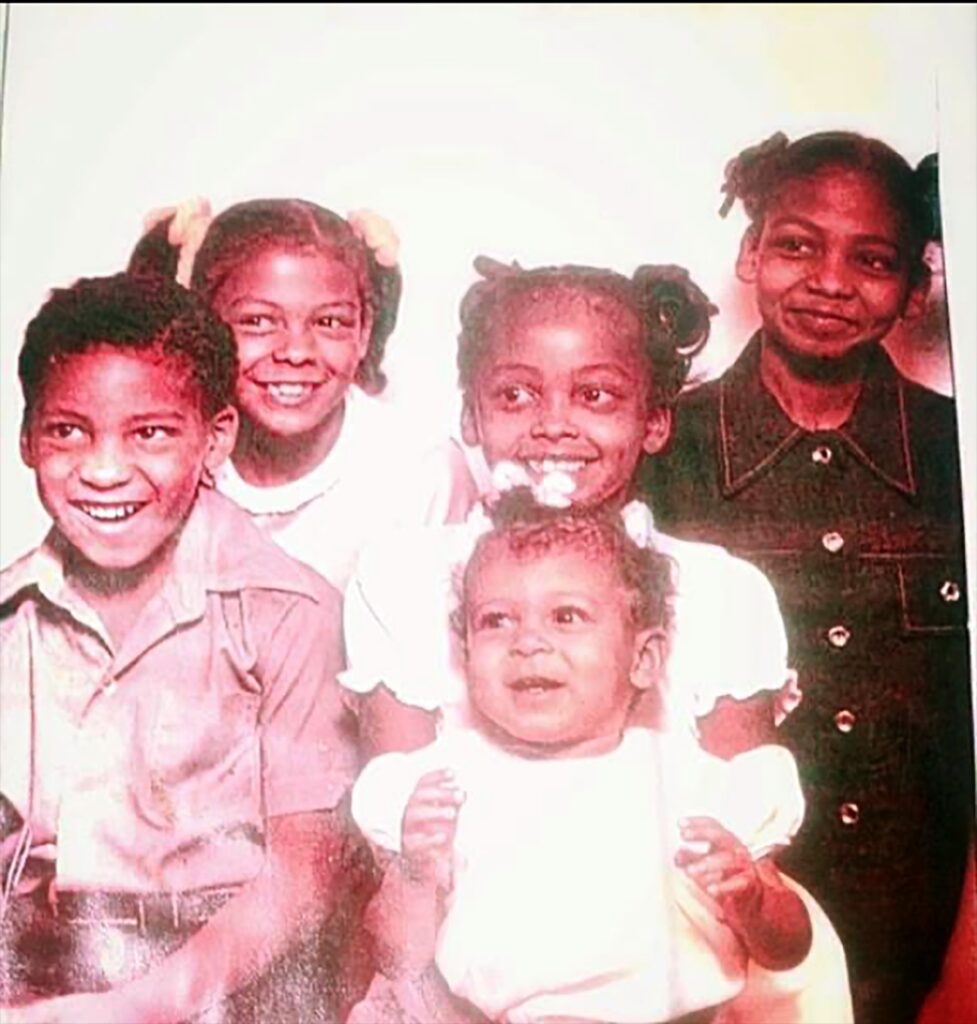
Speaking on why he and other similarly minded people choose to use the word Bulbancha, Joseph explains: “We’re bringing back Bulbancha, the name of New Orleans before it was called by colonisers. We’re bringing into the modern mind these ideas that no one has ever actually taken the time to discover.”
This is all part of a greater mission for Joseph. In a changing world where cultures and traditions can be lost, left behind or redefined, he sees himself as a ‘protector’ of the lands where generations of his ancestors have called home and established ways of living.
He reveals: “I’m a protector of Louisiana in a way that’s bringing light to people like myself who are Creole.”
The heart of Louisiana is, of course, New Orleans as it’s otherwise known, Bulbancha. It’s long been a beacon of opportunity for Creoles, with many migrating there and bringing valuable skillsets such as farming, growing and baking to the city.
Joseph’s familial connections spread across the state, though with his mother’s side of the family being traced to Pineville, Louisiana – an area in which it was common for Native Americans to pass through.
Joseph’s mother’s last name was ‘Hèbert’, which has links to Acadia. While many people might connect this with Cajuns, Joseph is fast to clear this up.
He says: “Her last name is Aber. So traditionally, it’s got a lot of Acadian identity associated with that, which does not make her Cajun. It makes her a descendant of Acadiana in Nova Scotia, New Brunswick.”
Joseph’s grandfather (his mother’s father) moved his family to New Orleans during the pilgrimage of the 1930s. All in all, he had 14 children – ultimately creating a wide breadth of relatives for Joseph.
Reflecting on growing up alongside these relatives, Joseph – who was one of five children himself – says: “They were an array of colours and people and cousins. And that was a tangible, loving relationship in New Orleans.”
“I hold fond memories of being around all my cousins.”

Meanwhile, Joseph’s father’s side of the family was also settling in New Orleans around the same period when the Great Depression of the late 1920s and early 1930s was forcing people out of the smaller towns and into cities where there was more opportunity.
And if you lived in Louisiana, this generally meant heading to New Orleans.
It wasn’t just their homes and lands that they were forced to leave behind. According to Joseph, this also meant they had to ‘become American’.
He explains: “When they came to New Orleans, you had to learn English. You had to become cosmopolitan.”
Things such as entertainment and pleasure also made people gravitate towards New Orleans. In addition, so did any existing family –something that Joseph’s grandfather had in the popular neighbourhood of Tremé.
Tremé, therefore, was where they settled. This area – that’s now got a storied reputation for things such as jazz and soul foods – was where Joseph lived until the age of four.

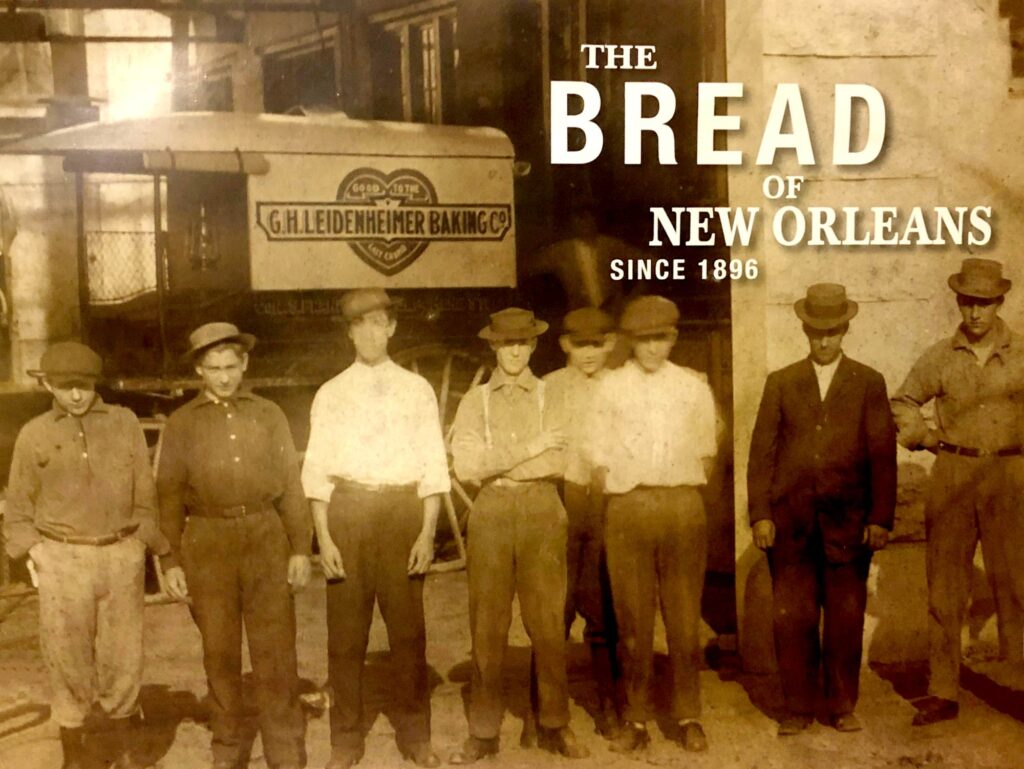
He remembers: “Tremé was famously full of the Creoles who were part of the cordon bleu of educated and free people of colour that were very well-educated and very well skilled in trades.”
Joseph only spent a few short years in Tremé. Afterwards, he moved uptown to Carrollton. It might have been in the same city, and both were traditionally German settlements, but there were stark differences between the two neighbourhoods.
Here – more so than in Tremé – you had to be ‘American’.
“That was my first dealing with kids who were different, who were different religions and different identities,” recalls Joseph.
It was an enlightening experience, nevertheless. While not quite Tremé and a far cry from the lands where his ancestors had lived and celebrated their cultures, there was still something to respect and appreciate about his new home.
In particular, the people – much like Joseph’s own family – put an emphasis on the likes of trade-based vocations and timeless skillsets.
Joseph says: “It was still a charming sort of community of people who had a history and identity that was associated with their trades, with their seriousness about those trades, their dexterity, skillsets and their punctuality.”
Differences, however, were apparent. This was certainly the case when Joseph started school. The teachers suggested that he might need to go to speech therapy because his communication skills were a step behind those of the other kids.
In actual fact, he was simply incorporating Creole words into the English language – in the process unconsciously speaking two languages at once.

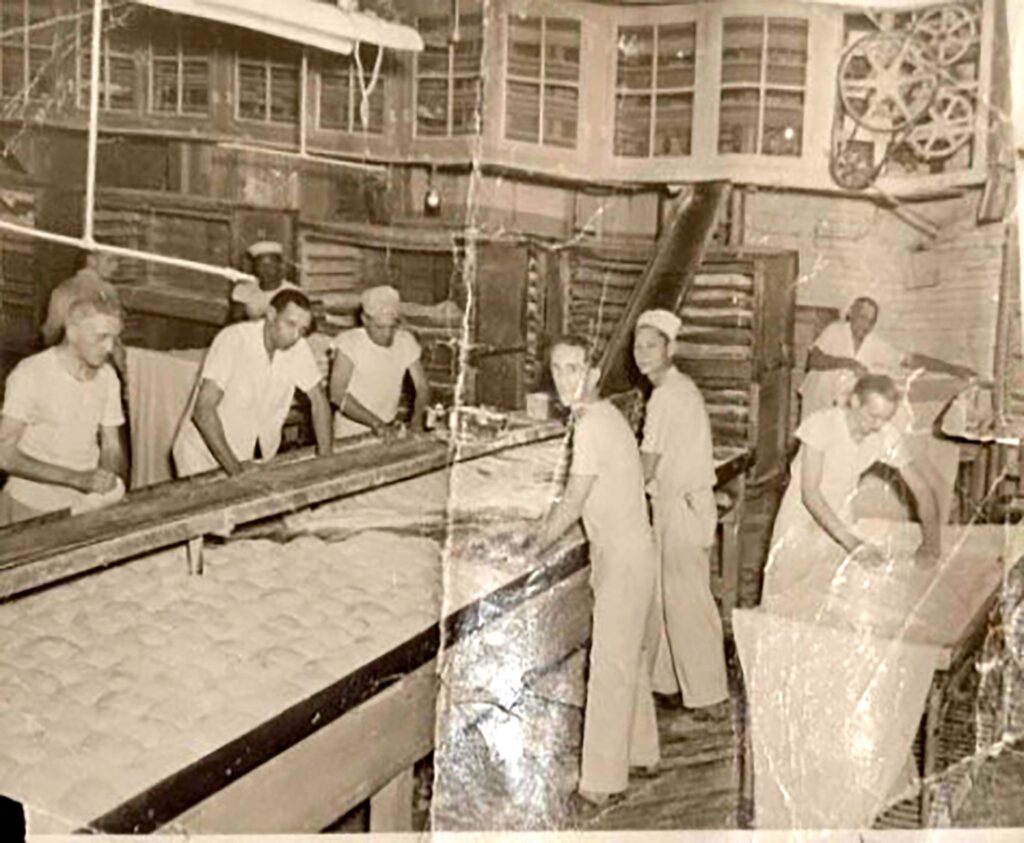
Joseph recalls: “I was saying Creole words that were part of my language and I had no clue what it was until someone pointed it out, saying, ‘Well, you’re Creole’.”
It’s these differences in language that Joseph would come to study, appreciate and celebrate as his life progressed.
Joseph Darensbourg Trading Places
Joseph’s life would take him more than 1,500 miles away from New Orleans when he moved to Boston in the year 2000. Despite the distance from his dear ‘Bulbancha’, he still kept with him many of the values that he had been brought up with.
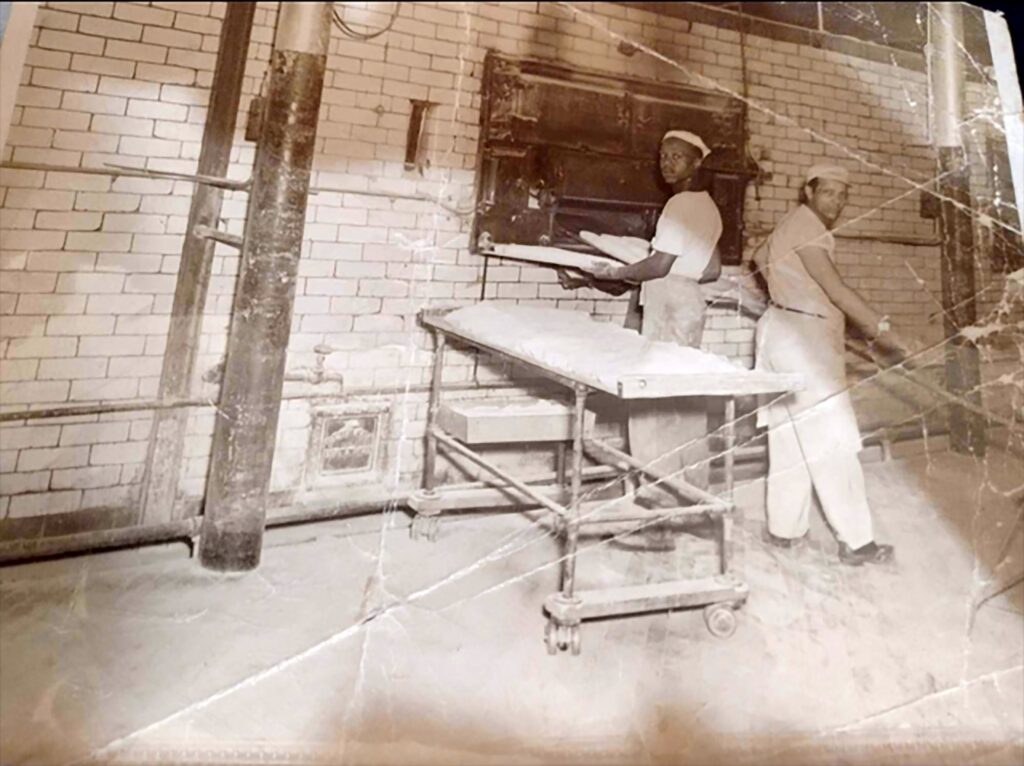
This included the desire to establish a trade for himself – something that many family members before him had done so successfully. In particular, many had been well-established in the baking industry. This entrenched a strong work ethic in multiple generations of his family who went into the trade.
“We didn’t celebrate holidays the same way regular people did,” reflects Joseph on helping his family members with their duties. He adds: “The bread had to be baked. You had to get to work in the rain, the sleet, the snow, the whatever!”
All in all, four generations of the family worked in baking. For Joseph, however, this wasn’t his calling. Therefore, when he left the Big Easy and went out into the world, he focused on the sectors that would allow him to showcase the strong work ethic that ran through his bloodline.

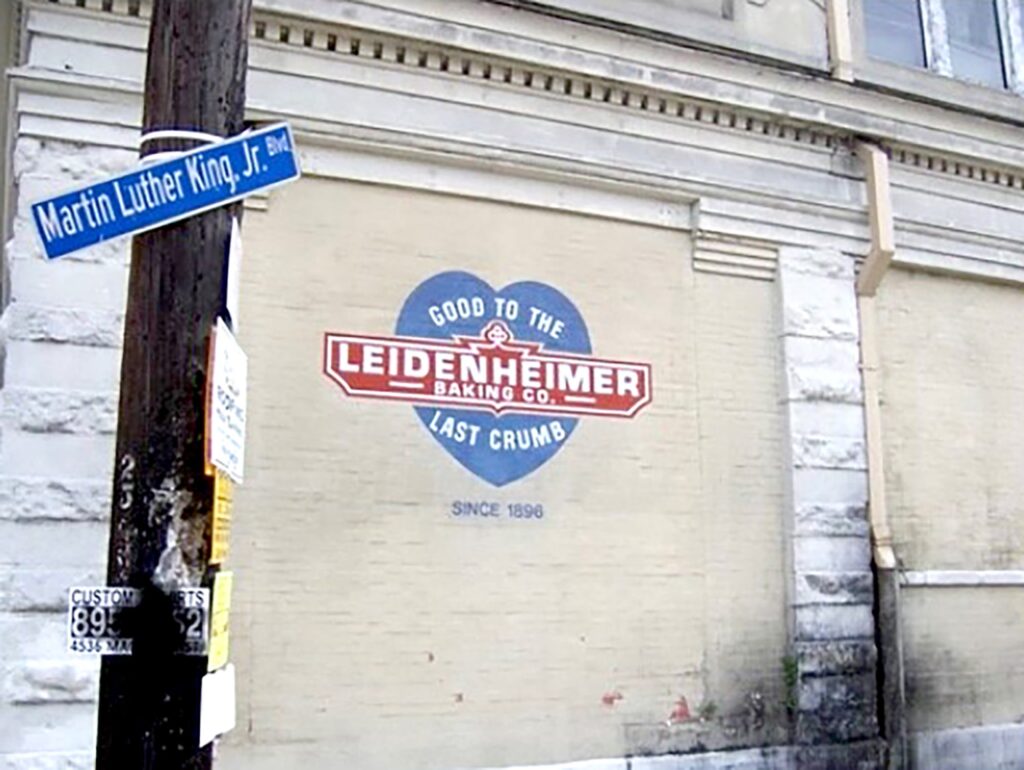
He explains: “I needed to find a vocation that was consistent with my family’s desire to have a trade, which was very important to Creole identity.”
This path to a trade became illuminated when someone bought Joseph a book from Florence. At the time he was working in the book business, and this hardbound book on recycled paper really sparked his imagination.
Joseph recalls: “I was intrigued! I was fantasising about becoming a bookbinder.”
He walked into a bindery, declared his intentions and then set about mastering his trade. It took him 13 years to become an expert and fulfill his commitment to learning a trade.
During this time, Joseph really began indulging in another passion of his too…

Striking A Chord
Joseph first had his head turned by music when one of his high school friends recommended, he check out a two-tone band. Two-tone is a genre of ska music commonly performed by band members of different races.
The music captured his imagination, especially when he saw the other people who were in attendance. This included Creoles.
Joseph remembers: “I definitely saw them as a new movement of creators and clever people talking about this situation and their political attitudes and their sort of snarky defiance and boredom with the situation of their government and their pretty precocious ideas.”
It wasn’t long until he found himself on the other side of the action. Joining a rock band called Shot Down in Ecuador, Joseph found success as a musician. This provided him with both a platform to channel his creativity, but also to learn about cultures that were similar to his own.
Joseph recalls how being introduced to flamenco really started him on a path into ethnomusicology.
Joseph says: “I started learning flamenco and some of the cultures of flamenco and Roma, and again, finding people who have been diasporically separated from their homelands historically.”
This strong interest was something he was able to explore more when he moved to Boston. Now playing the violin and honing his vocal talents, Joseph was able to join the Harvard Arabic and Turkish Orchestra.
Then – while at Tufts University – he had a revelation after a workshop with a black folk music group. He enquired about if Creole music would be in their repertoire, to which they responded that Joseph was ‘going to have to tell that story’.
Reflecting on how he then saw this as an almost personal obligation, Joseph says: “I took a serious vow that I was supposed to bring attention to these ideas.”
The more Joseph began to explore, the more he found an appreciation for this distinct genre of music. He soon developed a strong interest in the Bayou Ballads, which consisted of the language that was created on the plantations by the enslaved in the 19th Century.
Joseph was then able to learn from those songs and use them as a template to further embrace Creole as a language and a sound, as well as how it relates to other sounds and other musicians.
“I thought language is one of these special gifts that we inherited. And so, as an artist, as a musician, I took it very seriously,” he reveals.
Joseph adds: “When people were really just having trauma about things that came from slavery, I was trying to find the things that were things to be proud of that comes from this.”
By the time Joseph left Boston, he was a skilled bookbinder, a growing musician and a connoisseur of language. Now it was time to see how these three things could be celebrated back home in New Orleans.
Les Cenelles
‘What am I going to do?,’ Joseph admits to wondering when he returned to New Orleans. After all, he had no band and no ensemble to perform with.
Thankfully, it didn’t take long for him to land on his feet.
Joseph quickly joined the New Orleans Musica da Camera, which is a chamber orchestra that specialises in mediaeval music and language, including many languages of European origin.
Soon after he was asked to take part in an exciting new project that would uphold the tradition of keeping neighbourhood Creole music playing in the Seventh Ward district of New Orleans.
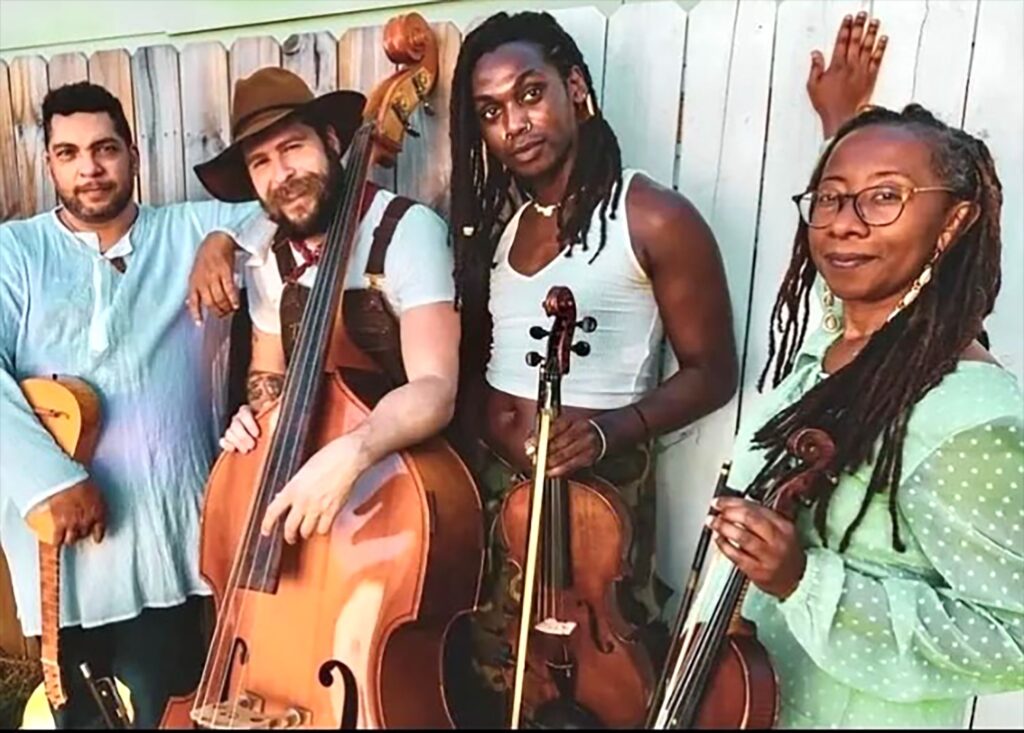
Joseph – who was now a singer, violinist and percussionist – soon became a member of this ensemble. The group was ready and raring to go, but there was one problem: they didn’t have a name.
Or at least they didn’t until Joseph suggested the name Les Cenelles.
Joseph says: “Les Cenelles is a book written by people of colour, Creoles of colour. It’s a book of poetry by 17 poets that’s edited by Armand Lanusse, one of the Creoles of colour of the time. And they wrote poetry in defiance of the Code Noir.”
Inspired by this resistance and protest poetry, Joseph and his band mates wrote two original tracks but generally perform songs from the past. Les Cenelles aim to have these songs heard and understood by a new modern-day audience.
Those songs are from the era of when Les Cenelles was published. They are tunes that first originated in the plantations and feature the language created by the enslaved.
Joseph explains: “I’m bringing the attention to the people who are the creators – the creators who created that music and the language that they did it in.”
Les Cenelles was formed in 2018 and got one of their first real starts during a community concert series called L’Union Creole. Since then, many people have had the pleasure of hearing the ensemble in action. In the process, this has brought to life the experiences of their Creole ancestors to a contemporary audience.
However, don’t expect to see them performing here, there and everywhere. Instead, the ensemble can be quite scrupulous when it comes to where they choose to play.
Joseph explains: “We play events that are much more serious and scholarly compared to those that are just for entertainment and for nighttime amusement of tourists.”
Wherever you get to catch them live, we’re sure you’ll enjoy hearing the sounds of Les Cenelles.
A Story Within a Story
It’s true that Joseph Darensbourg is a man with a story to tell. A story, it’s been noted, that doesn’t necessarily start with him.
Thanks to his work with Les Cenelles, it’s also not just his story that he tells. Instead, it’s part of a larger story.
Joseph’s work honours his cultural ancestors and brings to light the stories of other Creoles.
Be sure to listen carefully to his story. If you do, you’ll also hear their stories within.