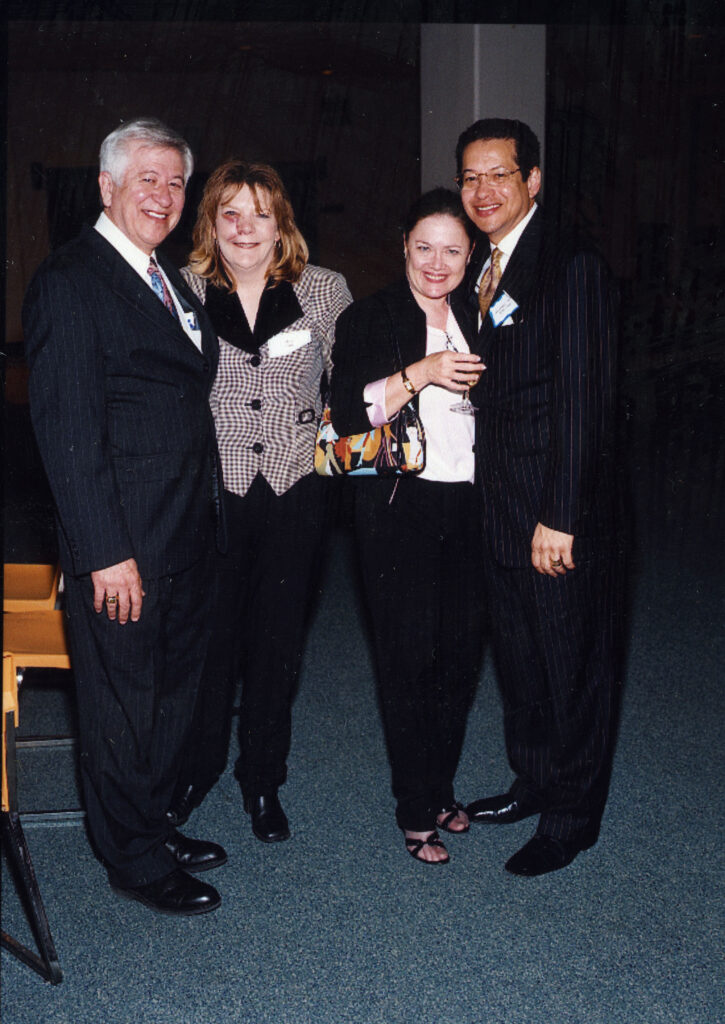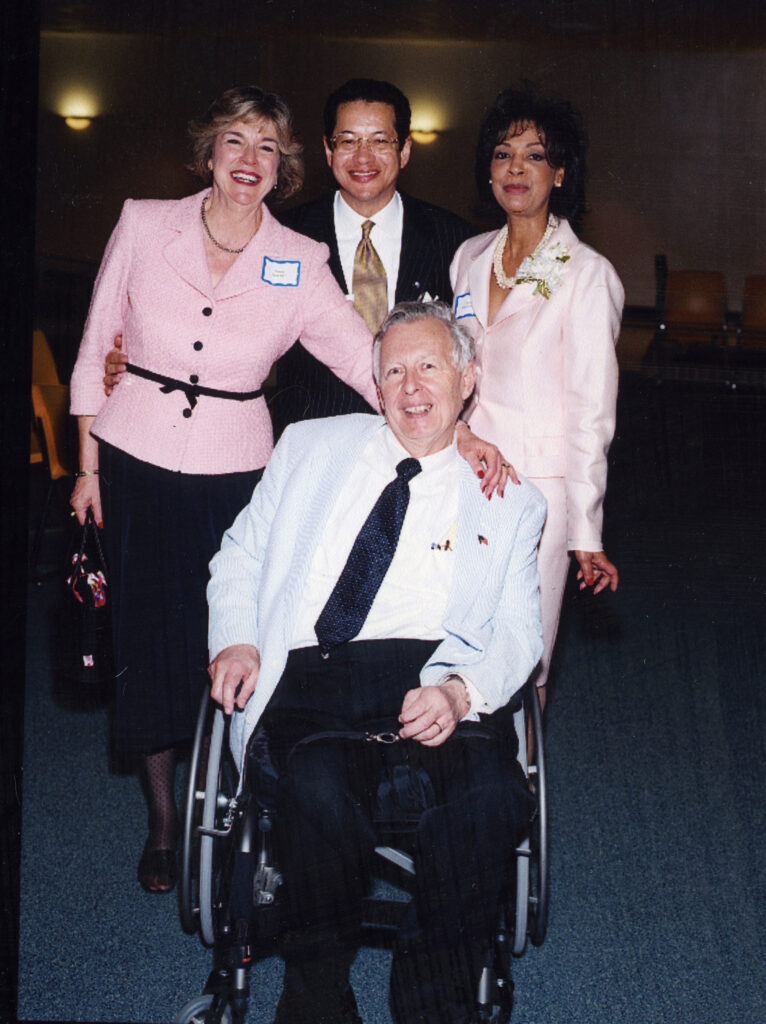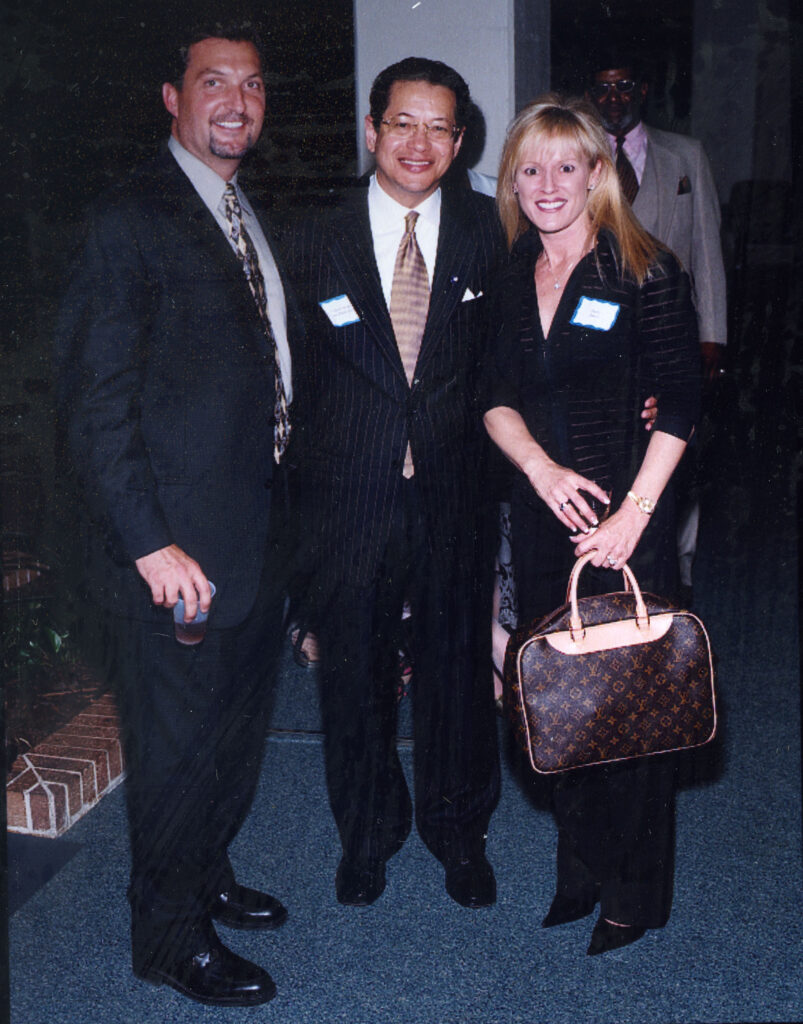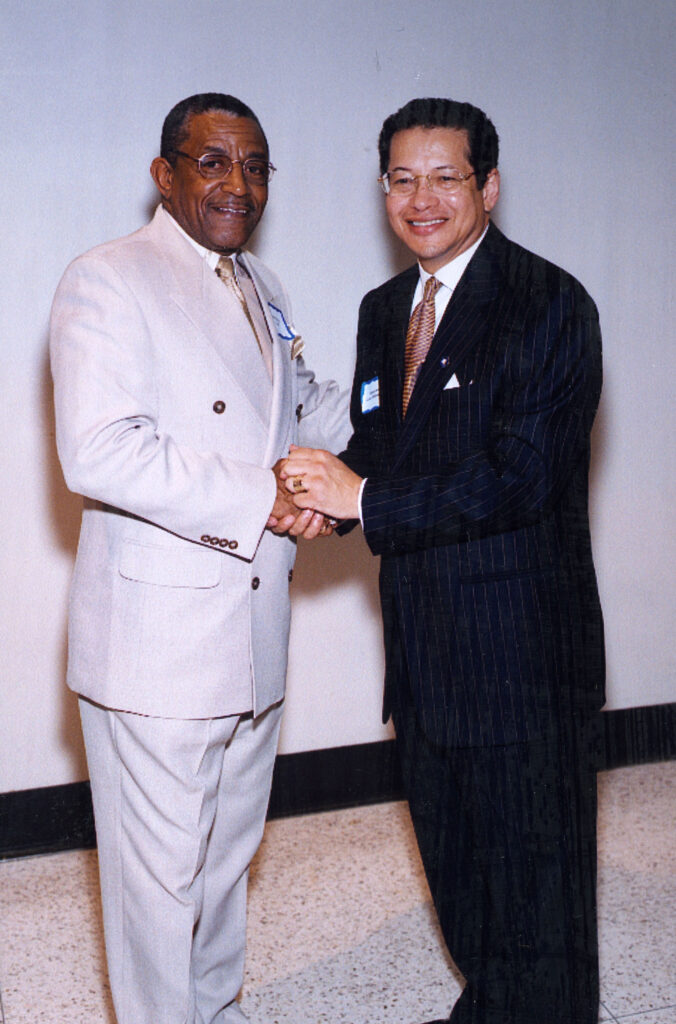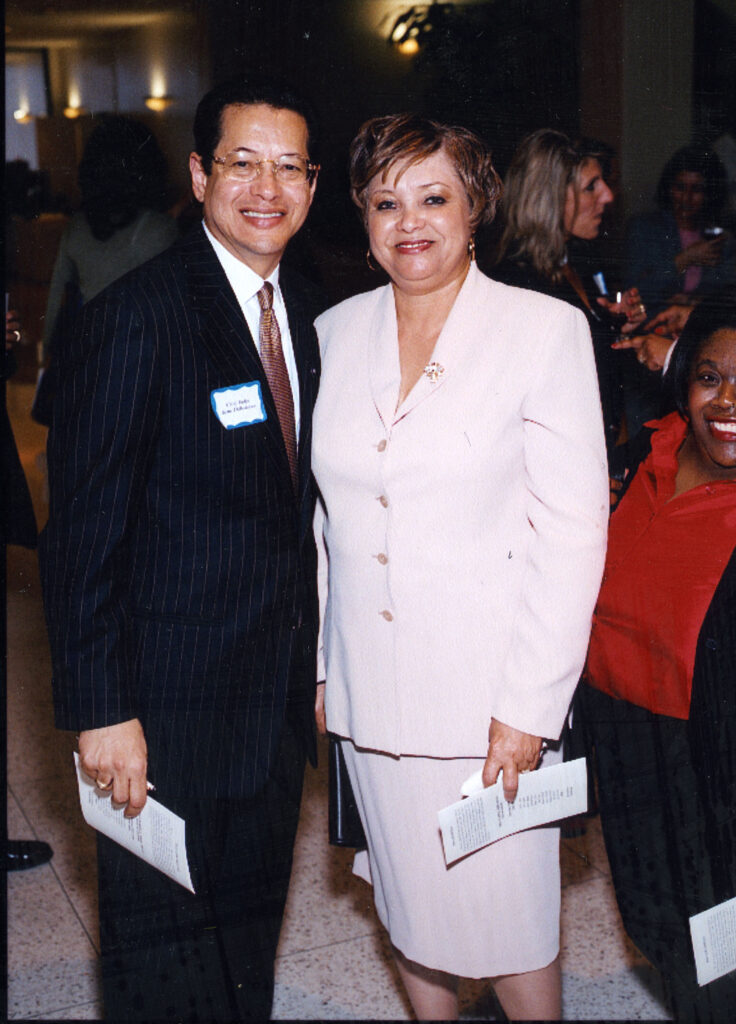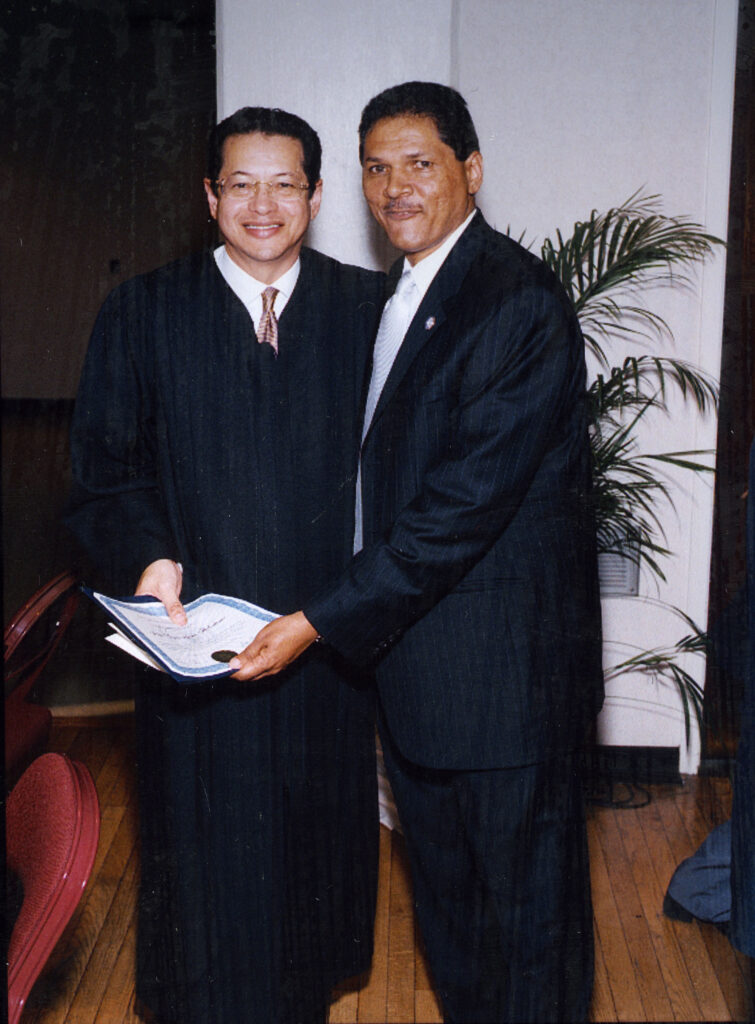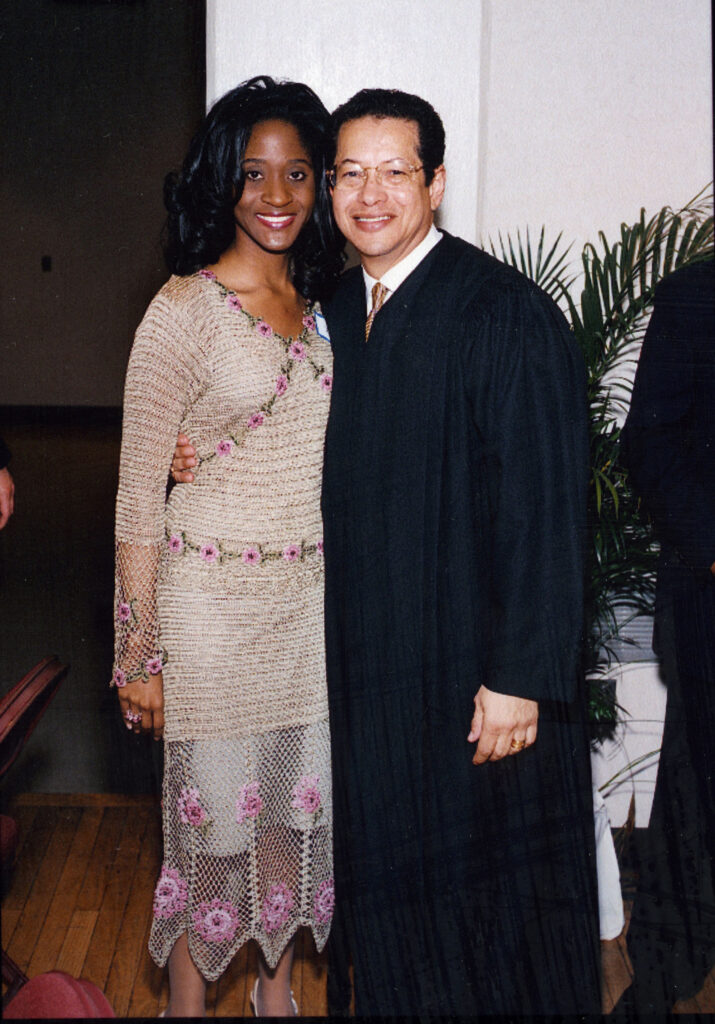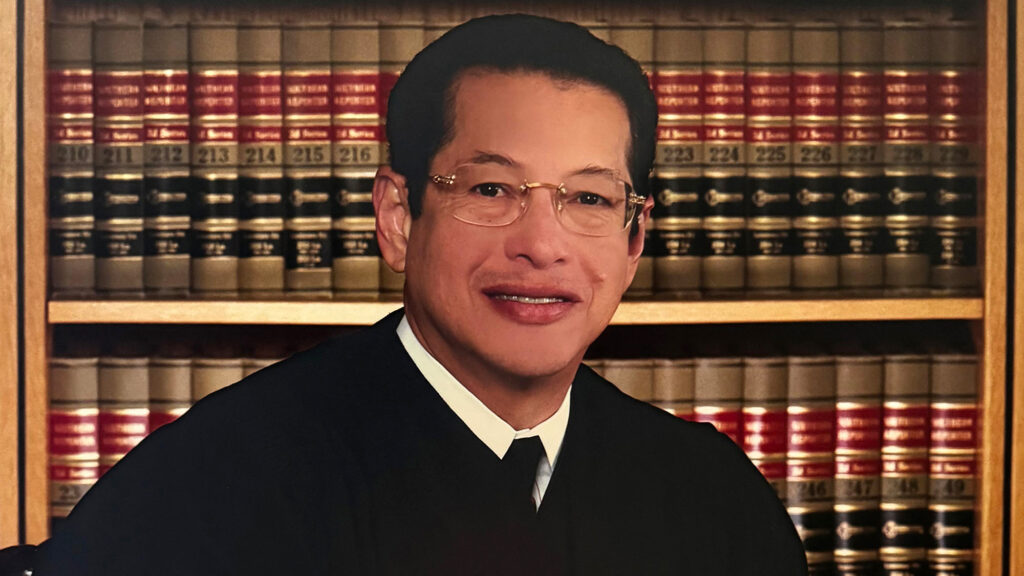
Judge Ulysses Gene Thibodeaux has left an indelible mark on Louisiana’s legal system, standing as a paragon of integrity and resilience. His career, marked by significant legal reforms and dedicated public service, offers a powerful narrative of hope and transformation in a landscape often challenged by inequality. This article delves into Judge Thibodeaux’s life and legacy, exploring his profound impact on law, education, and community development.
In Louisiana’s legal history chronicles, Judge Ulysses Gene Thibodeaux emerges as a figure of monumental significance and unwavering integrity. His journey is not merely one of personal triumph but also a beacon of hope and transformation in a landscape often overshadowed by inequality and historical injustice.
Thibodeaux, a man of profound intellect and an unwavering moral compass, has navigated the tumultuous waters of Louisiana’s legal system with a grace and efficacy that is both rare and inspiring, a testament to the power of personal character in professional success.
Thibodeaux’s career is a testament to the power of resilience, the relentless pursuit of justice, and an unyielding commitment to the betterment of society. His journey, punctuated by groundbreaking achievements and significant legal reforms, showcases his exemplary legal acumen and deep-seated dedication to equity and fairness principles. In a state where the legal system has been historically entangled with complex racial dynamics, Thibodeaux emerged not only as a pioneering jurist but also as a catalyst for change, challenging the status quo and reshaping the contours of Louisiana’s judicial landscape.
At the heart of ’s ethos lies a profound understanding of the human condition, shaped by his own experiences and the rich cultural heritage of Louisiana. His approach to law and justice transcends the confines of the courtroom, encompassing a broader vision of societal transformation through education, health, and community empowerment. Thibodeaux’s influence extends beyond legal verdicts; it permeates into the very fabric of the communities he serves, fostering a sense of hope and possibility and demonstrating the transformative power of legal reform.
In a career spanning several decades, Judge Thibodeaux has left an indelible mark on the legal field and carved out a legacy of leadership and humanitarianism. His story is one of unwavering courage in the face of adversity, a relentless quest for truth, and an enduring commitment to the ideals of justice. Judge Ulysses Gene Thibodeaux is more than a jurist; he is a visionary, a reformer, and, above all, a beacon of light in pursuing a more equitable and just society, inspiring others to follow in his footsteps.



Early Life: Roots of Resilience and Wisdom
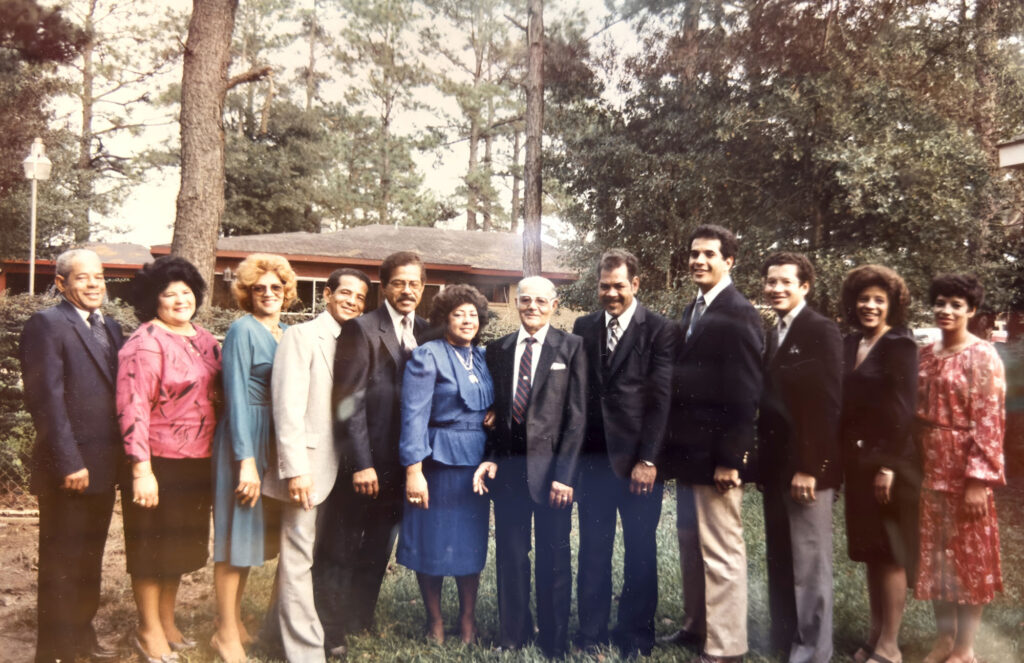
Ulysses Gene Thibodeaux was born as the ninth of eleven children into a bustling household of eleven (six boys and five girls). Thibodeaux’s early years were steeped in the values of family unity, hard work, and a deep connection to the land. He fondly recalls his childhood, highlighting that he is the youngest boy in the family and has sisters who are twins. These formative experiences on the farm outside Opelousas, Louisiana, shaped his character and instilled a profound sense of responsibility and resilience. “I was born, I say jokingly, in a suburb of Opelousas… on a small 40-acre farm outside of the city of Opelousas,” he fondly reminisces, painting a picture of a childhood rooted in simplicity and communal harmony.
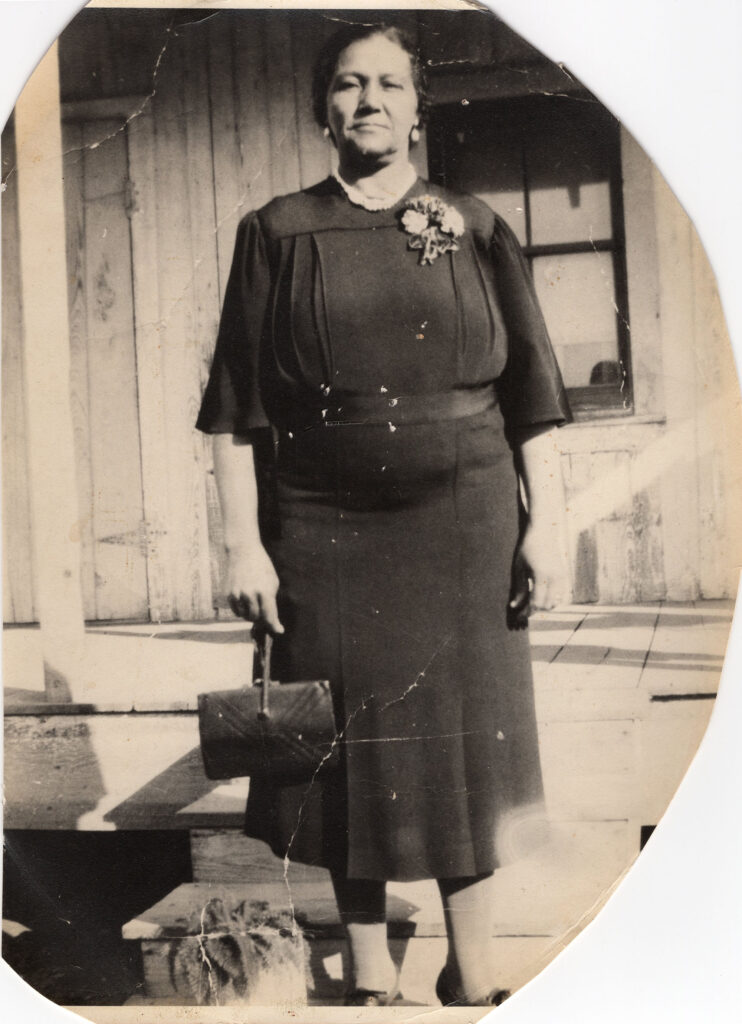
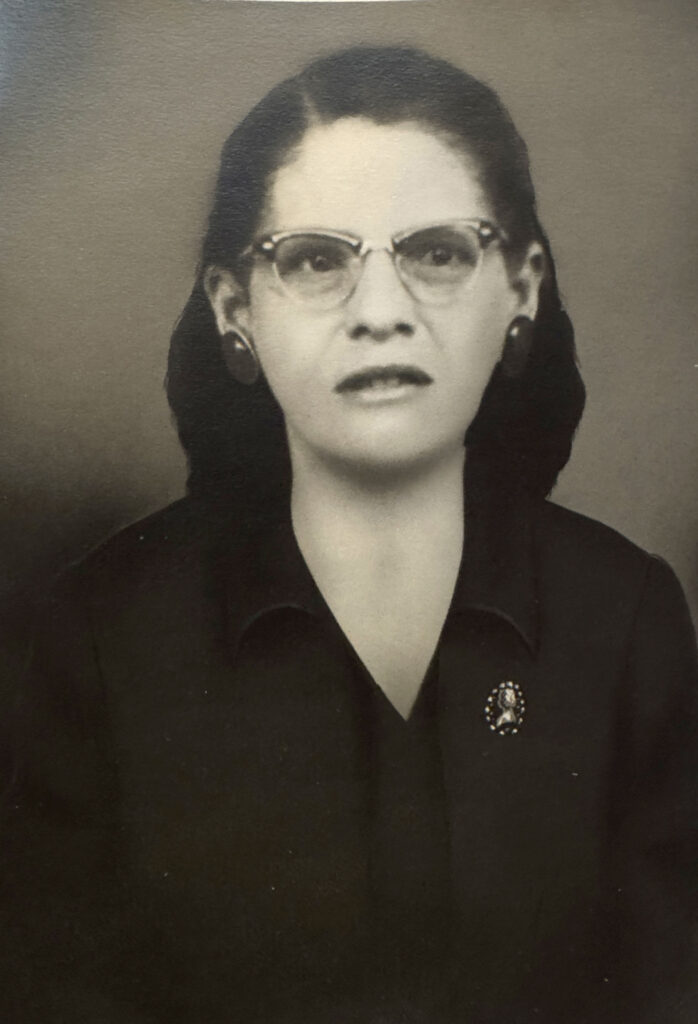
Thibodeaux’s parents played pivotal roles in shaping his character and worldview. His father was a farmer in a small hamlet in southwest Louisiana called Mallet, a small village known for its farming community. His mother, a homemaker, and his father instilled in their children the importance of education, integrity, and perseverance. Despite their economic hardships, the Thibodeaux family remained close-knit and resilient, fostering an environment where each member contributed to the collective well-being.
A pivotal moment in Thibodeaux’s life came with the family’s move to Lake Charles, spurred by his mother’s debilitating stroke. This relocation marked a new chapter for the young Gene. “We all moved to Lake Charles when I was in the ninth grade,” he recalls. This transition from a rural setting to the more urban landscape of Lake Charles presented new challenges and opportunities, setting the stage for his future academic and professional endeavors.
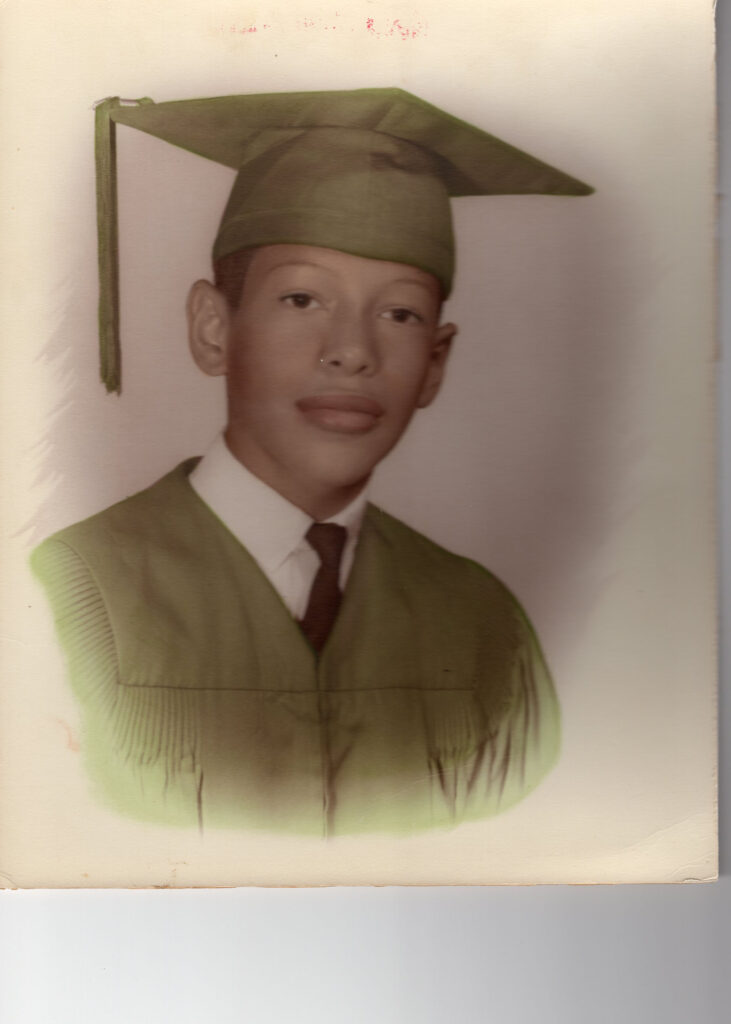
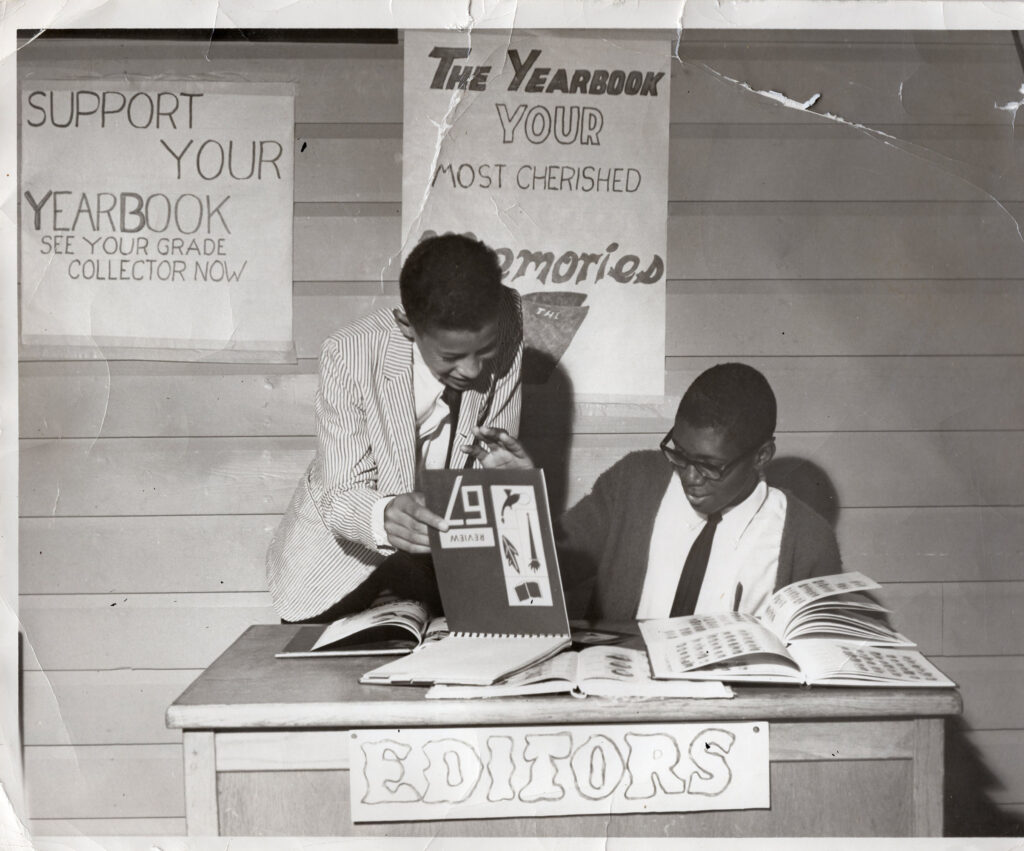
In Lake Charles, Thibodeaux’s educational journey took a significant turn. Attending a segregated high school, he navigated the complexities of a divided society yet emerged as a beacon of excellence. “I graduated from Washington High School, which no longer exists, and I was valedictorian of my class,” he states with pride. This achievement was a personal victory and a testament to his resilience and intellectual prowess in an era of racial barriers.
Thibodeaux’s upbringing on the farm and experiences in a segregated community laid the foundations of empathy, justice, and a keen understanding of social dynamics. These early experiences imbued him with a profound sense of fairness and a commitment to equality, principles that would later become cornerstones of his judicial philosophy.

Educational Odyssey: The Making of a Scholar and Jurist
Judge Ulysses Gene Thibodeaux’s educational journey is a narrative of ambition, resilience, and the relentless pursuit of knowledge against the odds. Rooted in the segregated schools of Lake Charles, Louisiana, his academic path was both a challenge and a testament to his extraordinary intellectual capabilities.
Thibodeaux’s high school years at the now-defunct Washington High School in Lake Charles were the cornerstone of his educational odyssey. Thibodeaux emerged as a standout scholar in an environment where resources were scarce and opportunities limited, especially for African American students. His ascension to valedictorian of his class was not merely an academic achievement; it was a bold statement against the societal constraints of the time.

Dartmouth College: Breaking New Ground
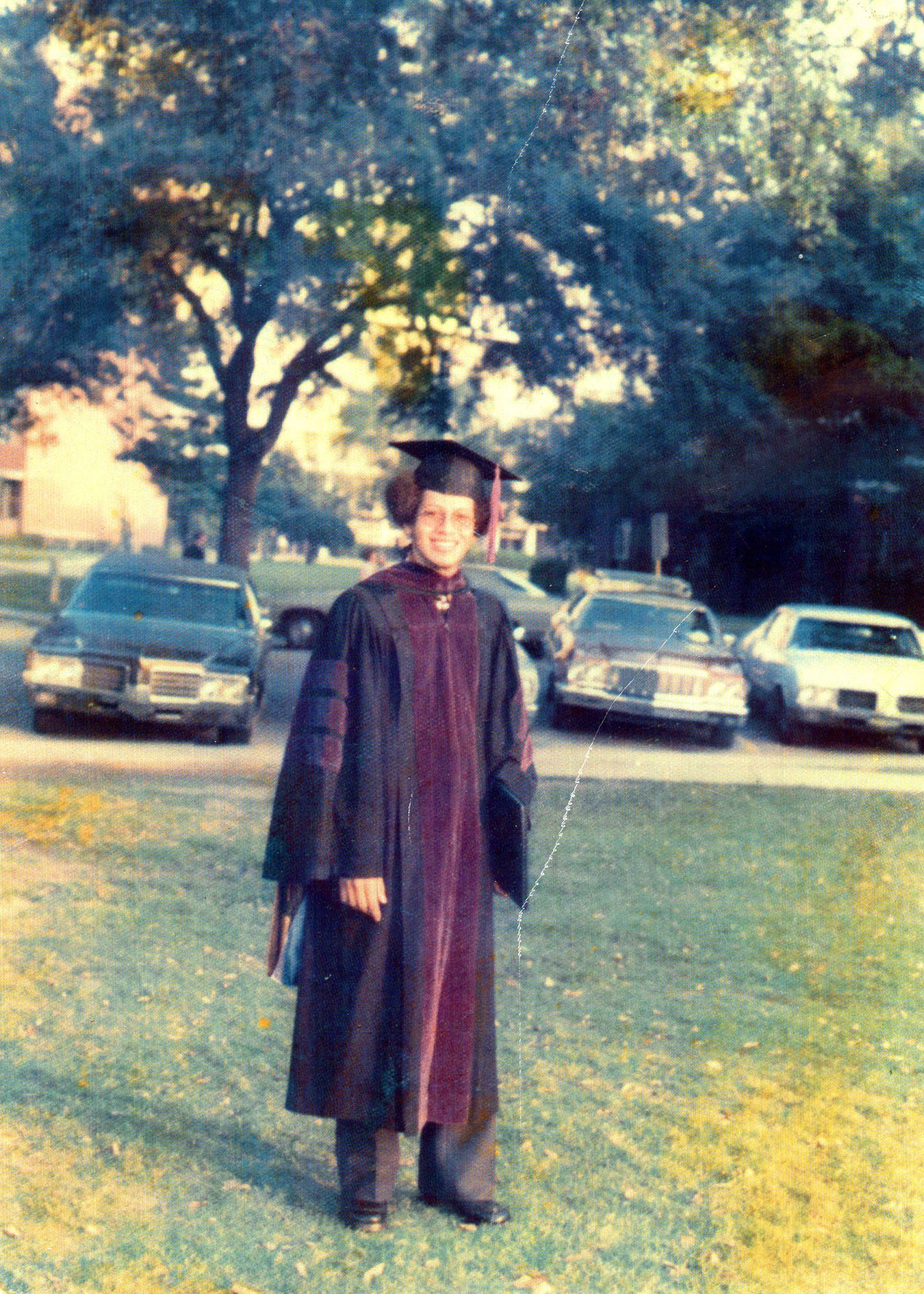
The leap from a segregated high school in Louisiana to the hallowed halls of Dartmouth College, an Ivy League institution in New Hampshire, marked a dramatic shift in Thibodeaux’s life. His admission into Dartmouth was a personal triumph and a breakthrough for his community. “I was accepted into Dartmouth College… I attended Dartmouth from 1967 to 1971 and graduated with a Bachelor of Arts degree in government,” Thibodeaux recounts with a sense of accomplishment. This period was pivotal, broadening his horizons and exposing him to diverse perspectives and ideas.
At Dartmouth, Thibodeaux was inducted into Green Key, the junior honor society and Casque & Gauntlet, the senior honor society, and navigated the complexities of an Ivy League education, where he was often one of the few, if not the only, African American students in his classes. While intellectually stimulating, this environment posed its unique challenges, forging in him a resilience and adaptability that would become hallmarks of his later career.

Tulane Law School: A Legal Mind in the Making
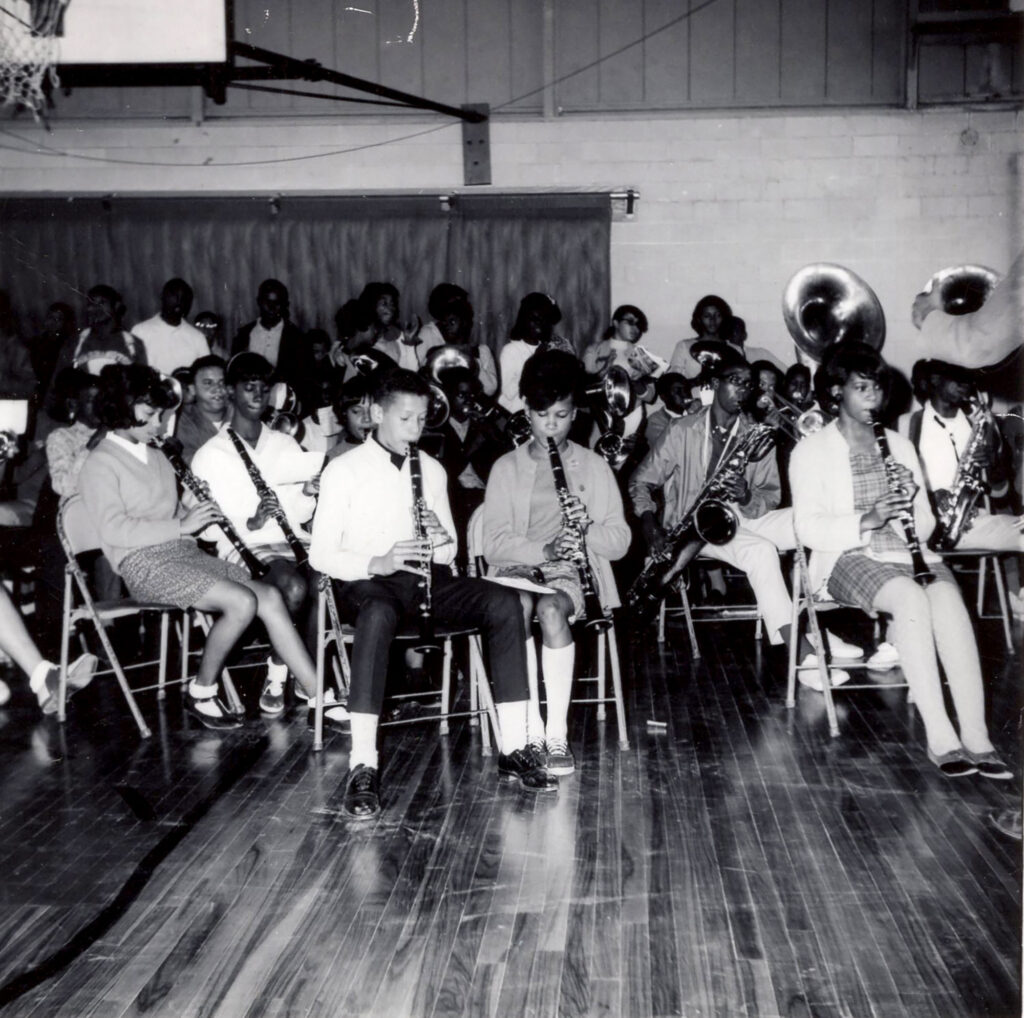
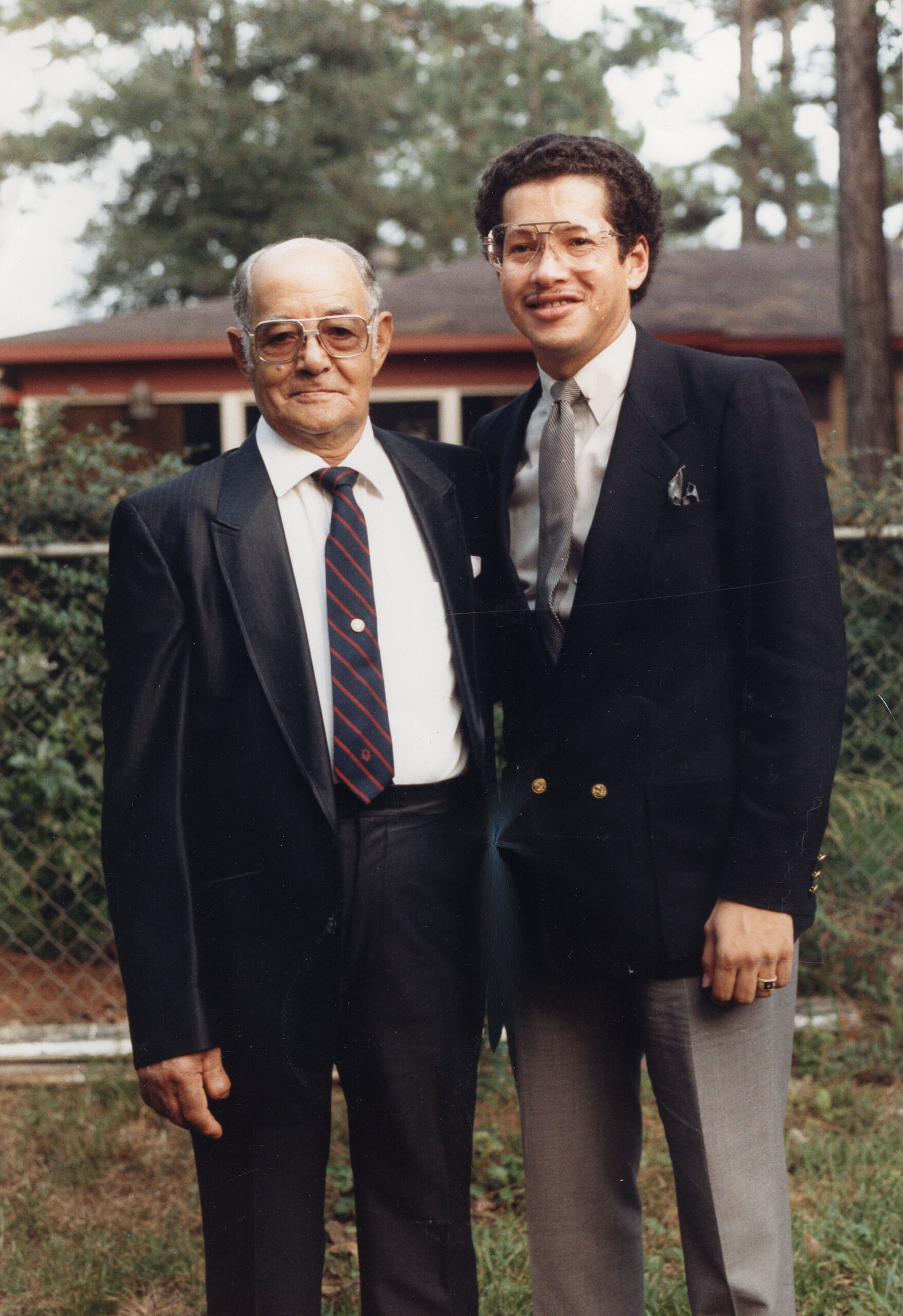
Following his graduation from Dartmouth, Thibodeaux’s pursuit of legal education led him to Tulane Law School in New Orleans. “Beginning in 1972, I enrolled at Tulane Law School in New Orleans, Louisiana, and graduated in 1975,” he states. At Tulane, his passion for law and justice took a definitive shape. He excelled academically as an Earl Warren scholar and began forming the legal philosophy to guide his illustrious career.
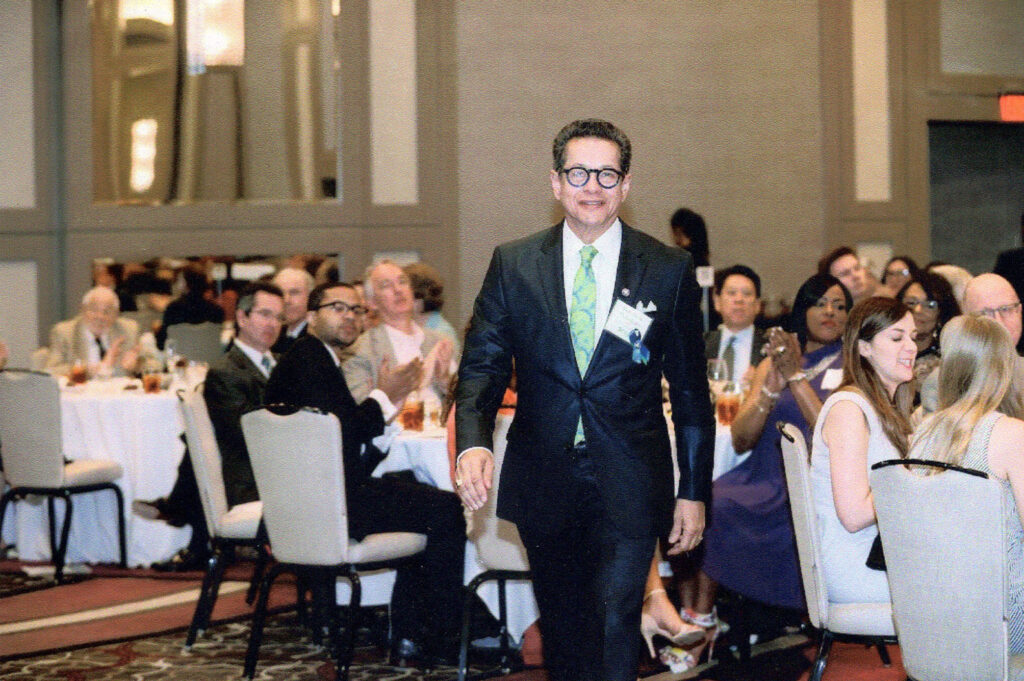
His early professional exposure complemented Thibodeaux’s tenure at Tulane. For a year, he worked as an assistant to the Dean of Dartmouth, a role that provided him with unique insights into academic administration and the broader educational landscape. This experience was crucial in shaping his understanding of institutional dynamics and the importance of education as a tool for social change. In 2017, Judge Thibodeaux was inducted into the Tulane Law School Hall of Fame.

Career: The Ascent of a Legal Luminary
Judge Thibodeaux’s career is a chronicle of groundbreaking achievements and dedicated service in law.
His journey from a fledgling lawyer to a distinguished judge on the Third Circuit Court of Appeal is marked by pioneering roles and influential legal contributions.
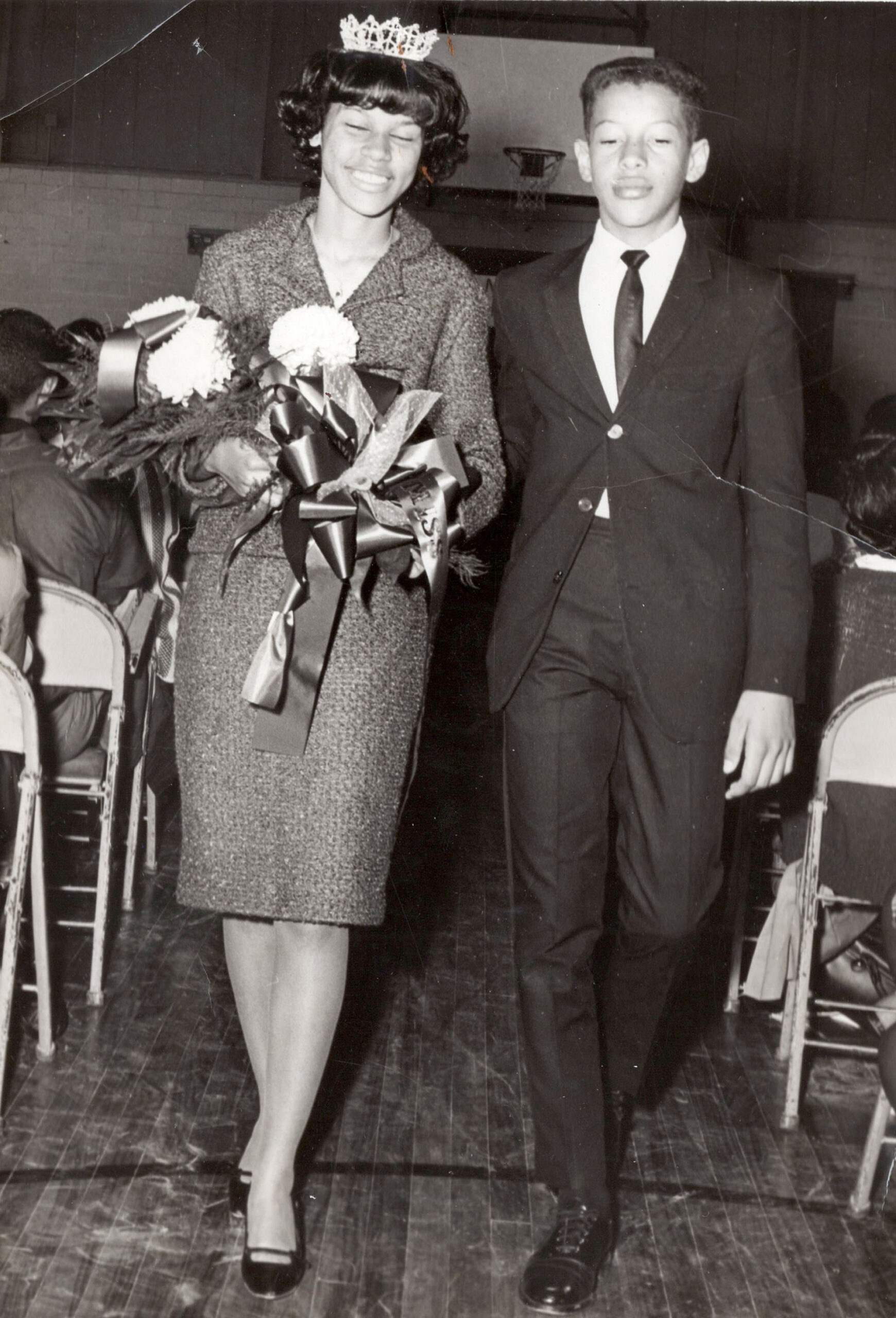
Thibodeaux’s entry into the legal world was marked by a deep commitment to civil rights, evidenced by his initial role in one of the nation’s foremost legal organizations. “My first job after law school was with the NAACP Legal Defense and Education Fund in New York City, a public interest law firm that deals exclusively with civil rights and constitutional litigation,” he describes. Justice Thurgood Marshall was his first General Counsel & Executive Director. This position placed him at the forefront of crucial civil rights battles, offering him a wealth of experience in advocating for the marginalized and setting the stage for a career with a staunch defense of justice and equality.

Pioneering in Legal Circles: Breaking New Ground in Lake Charles
After a year of invaluable experience in New York, Thibodeaux felt the pull of his home state and returned to Lake Charles in 1976. Judge Thibodeaux’s return marked a significant shift in his career trajectory, which saw him break new ground in the legal circles of his hometown.
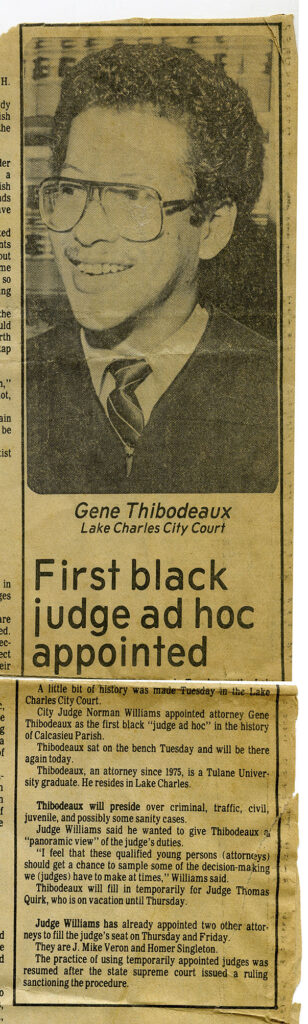
Reflecting on this groundbreaking role, Thibodeaux shares, “In 1976, I began as an assistant district attorney in my selected hometown. It was a period of profound learning and challenges, as I was the first black person to be hired in this capacity in Calcasieu Parish. This position entailed handling various cases, ranging from misdemeanor to complex felony trials. My journey there lasted for three fruitful years, during which I honed my legal expertise and navigated the unique dynamics of working within a system undergoing its transformation process.”
Thibodeaux used his legal acumen on various cases in this role and served as a trailblazer for future generations of African American legal professionals in the region. His tenure in the district attorney’s office was marked by a steadfast commitment to justice, irrespective of the racial and social dynamics of the time.
He further elaborates, “My time as an assistant district attorney shaped my perspective on the criminal justice system. It offered me a firsthand look at the intricacies of the legal process and the profound impact our decisions as legal professionals have on individual lives and the wider community.”
Thibodeaux set a precedent in the legal community through this role, demonstrating the importance of diversity and representation in the judiciary. His pioneering efforts in this role were not merely about fulfilling his professional duties but also about laying the groundwork for a more inclusive and equitable legal system in Lake Charles and beyond.

Founding a Law Firm and Venturing into Private Practice
In 1980, Judge Ulysses Gene Thibodeaux stepped boldly into private practice, founding the law firm Newman & Thibodeaux. What followed was a chapter of his career marked not just by legal work, but by cases of national consequence—cases that would shape jurisprudence and civil rights in America.
One of his earliest and most significant cases was Bernard v. Gulf Oil Company, a fair employment lawsuit for approximately 300 Black employees at a vast petrochemical plant in Port Arthur, Texas. The case alleged systemic race discrimination, and it quickly became a battleground over both civil rights and constitutional liberties. When Thibodeaux was accused of advising the employees to reject a proposed settlement between Gulf Oil and the Equal Employment Opportunity Commission (EEOC), the federal district court judge issued an extraordinary gag order, forbidding him from communicating with the affected workers.
Standing firmly on the principles of justice and the First Amendment, Thibodeaux pressed forward. The case journeyed to the United States Supreme Court, which struck down the gag order as unconstitutional in a unanimous 9-0 decision. Bernard v. Gulf Oil was argued on March 30, 1981, the very day of the attempted assassination of President Ronald Reagan. Amidst the chaos of that historic day, Thibodeaux experienced a more personal milestone: the very first case to bear his name had reached the nation’s highest court, and won.
Reflecting on the experience, Thibodeaux recalls an amusing footnote. In only his sixth year of practice, he had yet to learn the unspoken sartorial codes of the Supreme Court and arrived at the hallowed courtroom not in the customary dark suit, but in a cream-colored ensemble with light blue stripes. “Fortunately, the Clerk of the Supreme Court was a Tulane graduate like me,” he laughs. “And I was forgiven.”
His appearances before the U.S. Supreme Court did not end there. In 1990, Thibodeaux was again before the justices, this time in Clark v. Roemer, a landmark case that extended the reach of Section 5 of the 1965 Voting Rights Act to the judiciary itself. The Court ruled that any changes to judicial districts required preclearance by the Department of Justice. This outcome directly contributed to the settlement of Clark v. Edwards, a case that transformed Louisiana’s judicial elections and opened the doors for a new generation of Black judges.
It is a rare distinction for any attorney to stand before the United States Supreme Court once in their lifetime. Judge Thibodeaux did so twice and prevailed both times. These cases shaped his reputation as a formidable legal mind and underscored his unwavering commitment to justice, civil rights, and constitutional law principles.

A Trailblazing Judge on the Third Circuit Court of Appeal
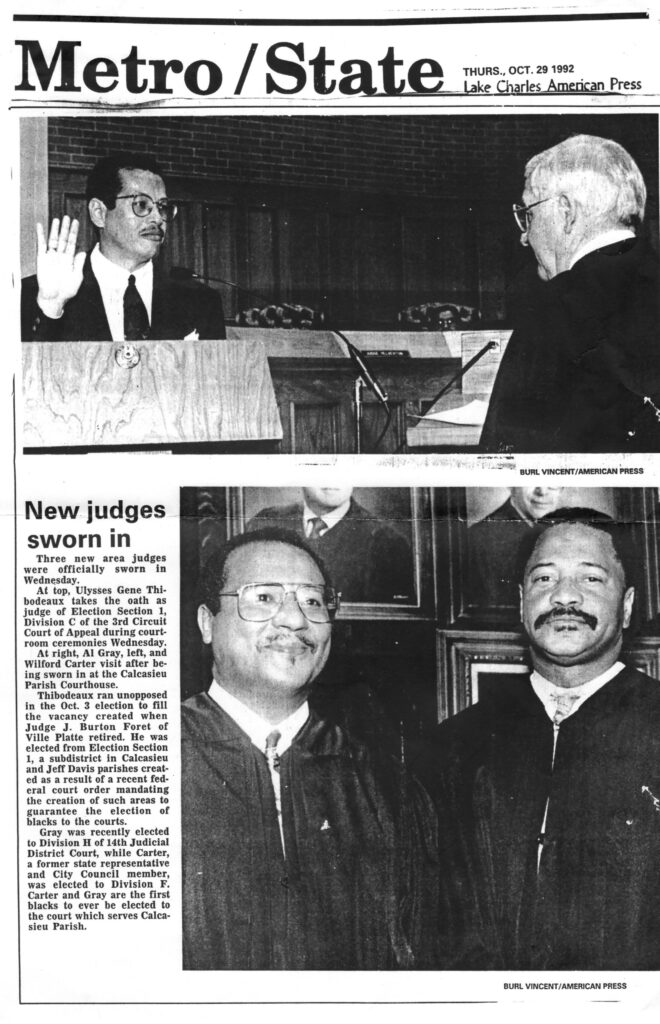
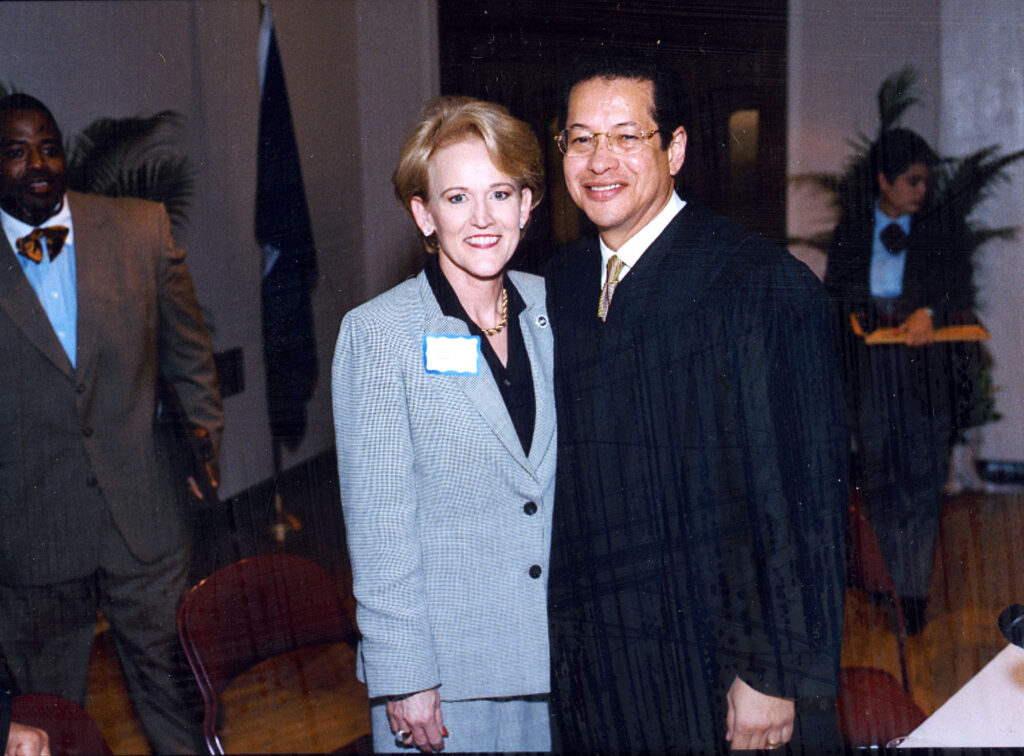
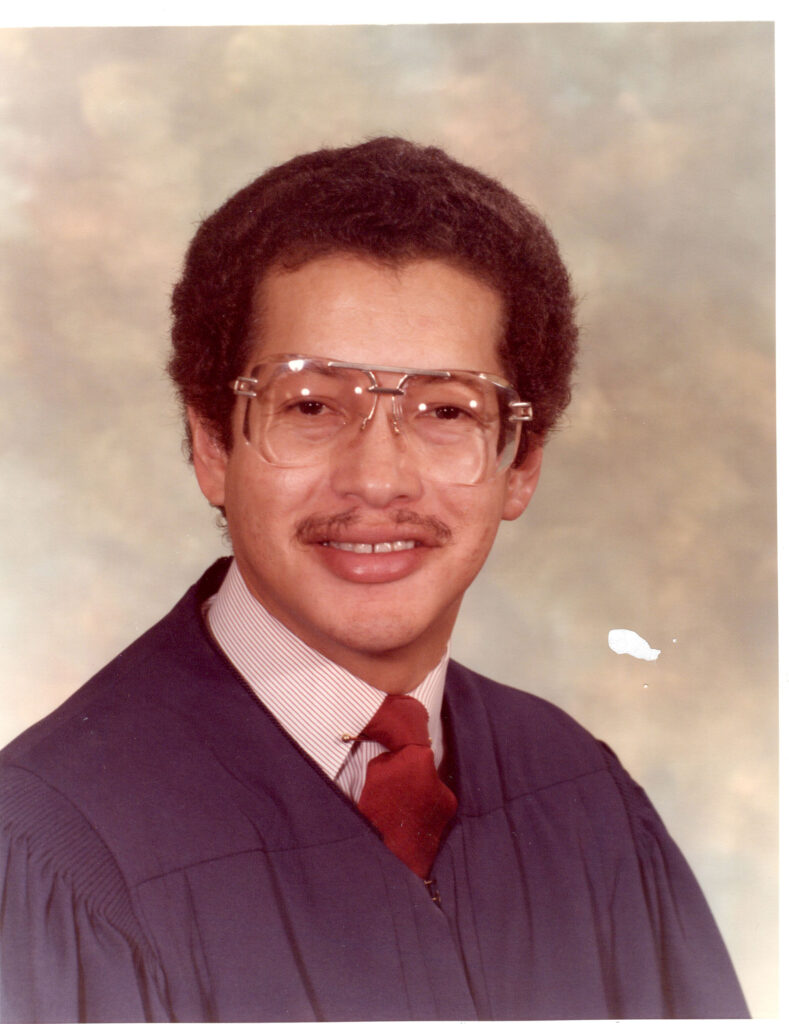
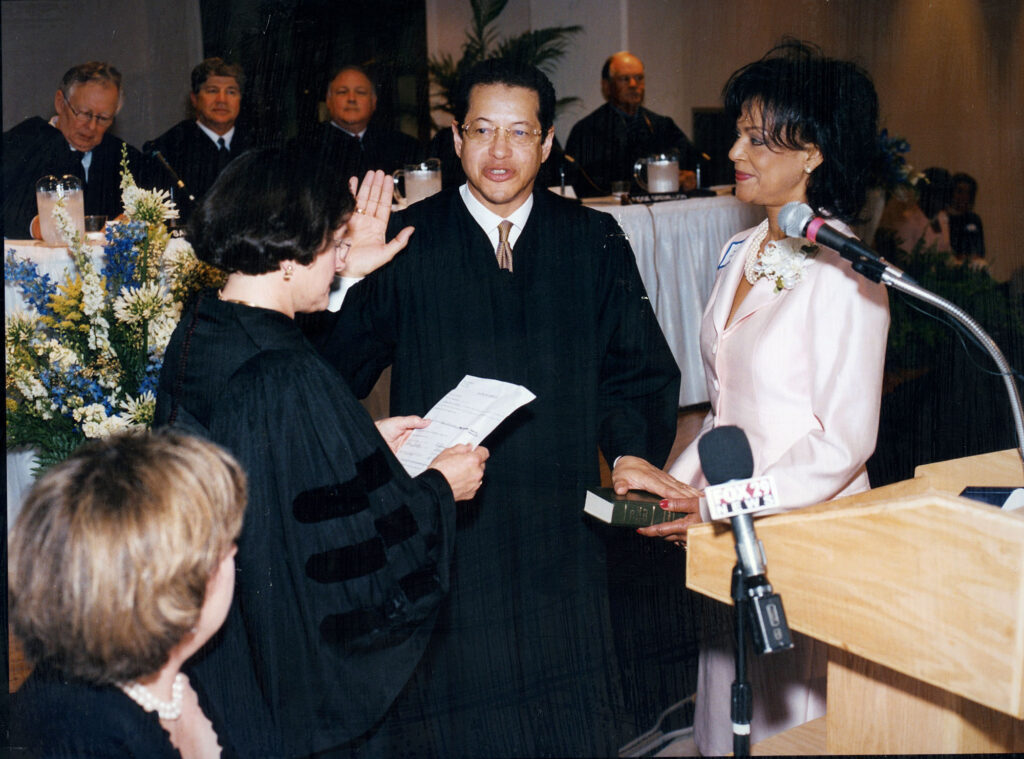
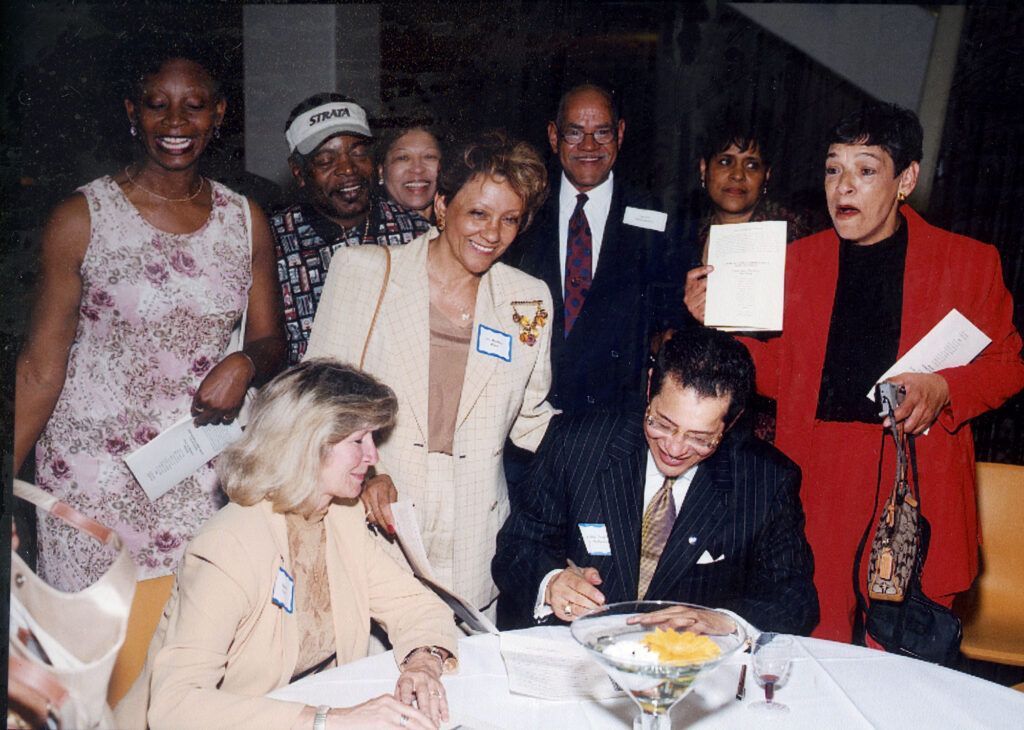
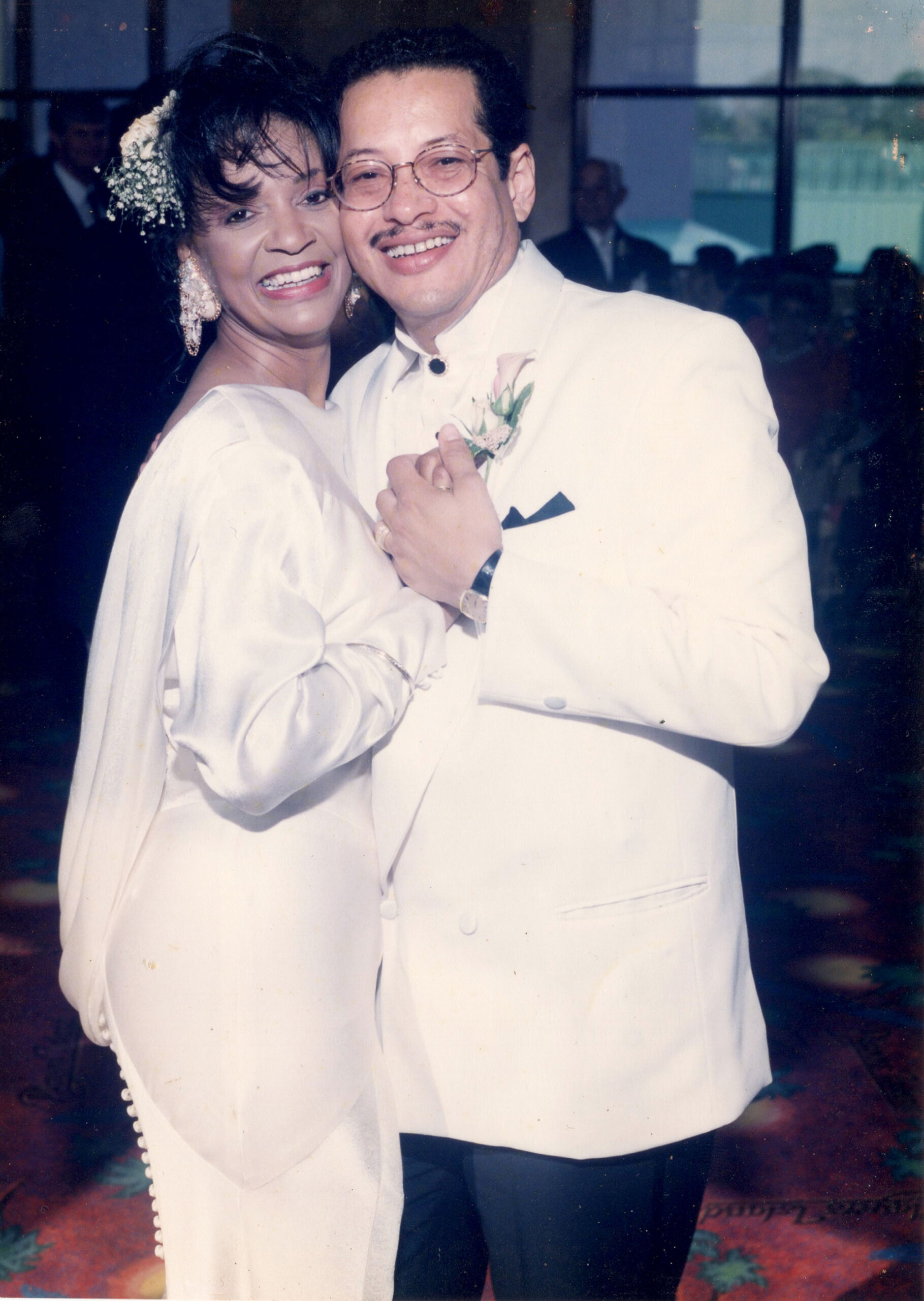
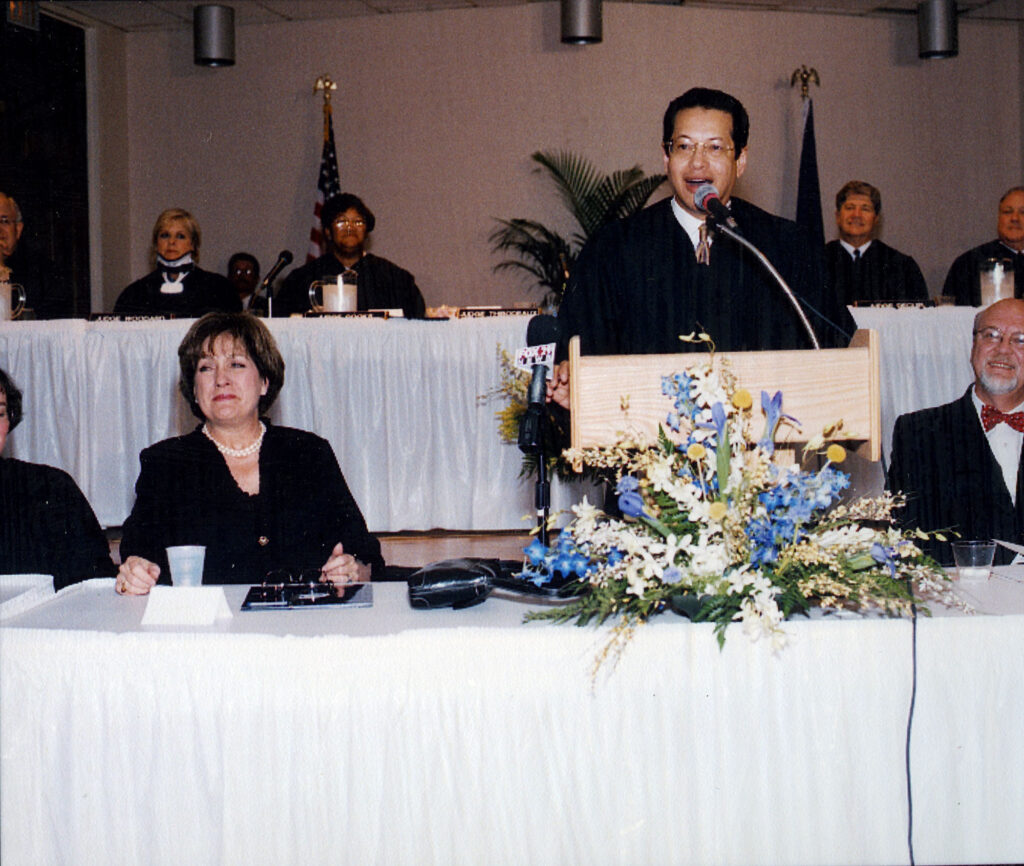
1992 marked a significant milestone in Thibodeaux’s career as he was elected to the Third Circuit Court of Appeals. “I remained on the third circuit from 1992 to January 1st, 2021,” he notes, highlighting his long and impactful tenure. As the first black judge on this court, he brought a fresh perspective to the bench and became a symbol of progress in a state grappling with the legacy of segregation.
Thibodeaux’s leadership skills came to the fore when he became the chief judge of the Third Circuit Court of Appeal in 2004. “Essentially, I ran the court for 16 years,” he states, underscoring his role as the court’s chief administrative officer. Under his stewardship, the court delivered justice and evolved to better represent the diversity of the society it served.
Thibodeaux faced and addressed numerous challenges throughout his career on the bench, particularly as the first black judge in a historically segregated region. He was instrumental in shaping jurisprudence in Louisiana, with a keen focus on fairness and equality. His tenure is marked by significant decisions that have had a lasting impact on the legal landscape of Louisiana.

Confronting Racial Challenges: A Journey of Resilience and Reform
Judge Ulysses Gene Thibodeaux’s ascent within the legal ranks was a journey punctuated by the persistent challenge of overcoming racial barriers. His tenure, particularly as the first black judge on the Third Circuit Court of Appeal, symbolized the progress and the enduring struggles within Louisiana’s legal system.
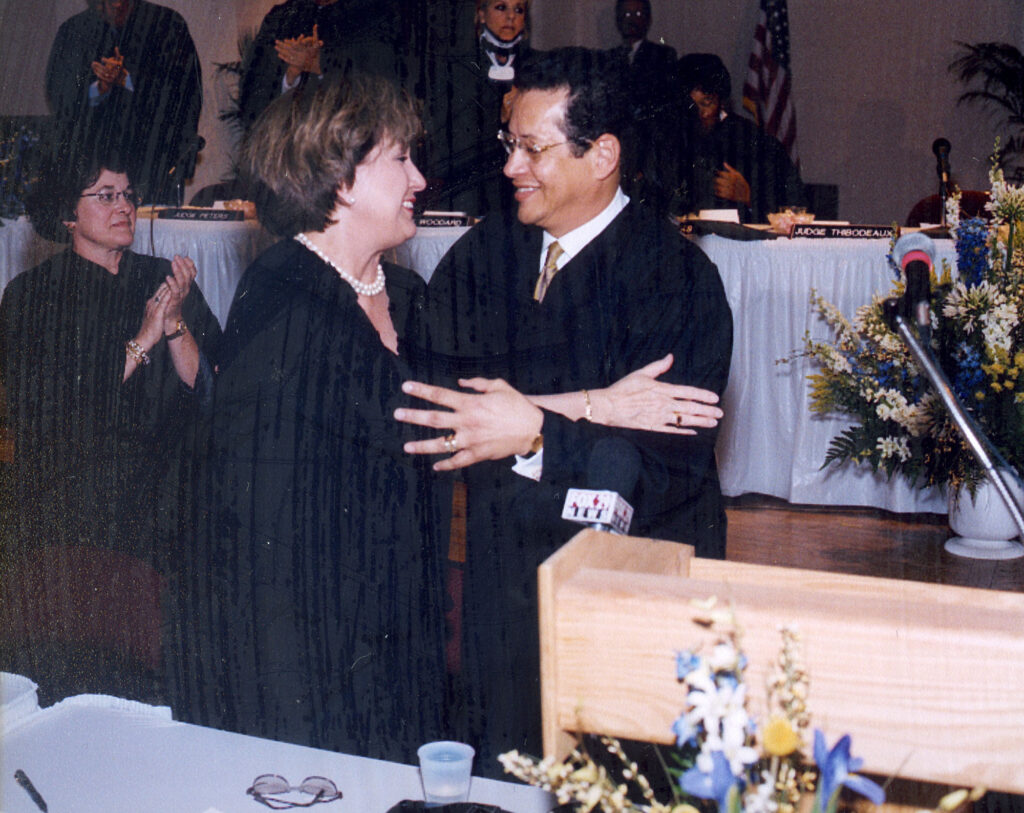
Elected to the Court of Appeal in 1992, Judge Thibodeaux was not only entering a position of significant judicial influence but was also stepping into a role that had never before been occupied by a person of color. Reflecting on this groundbreaking achievement, Thibodeaux recounts, “I was the first black elected to the Court of Appeal in its entire history, dating back to 1960. It was a position that came with its own set of unique challenges and responsibilities. I had to establish my credibility early on, not just within the judiciary but also in the eyes of the public.”
This era of his career was about judicial decisions and dismantling long-held perceptions and biases. He further elaborates, “Many in the public felt that perhaps I had not earned my way to be there. It was essential for me to work doubly hard to prove that my qualifications and my commitment to justice were beyond reproach, irrespective of my racial background.”

Navigating the Dualities of Race and Profession
Judge Thibodeaux’s journey was further complicated by the intersection of his professional role and his racial identity. He poignantly describes this balancing act: “If I did something commendable, it was seen as an achievement of Judge Ulysses Gene Thibodeaux. However, any misstep was not viewed as a personal error but rather generalized as a reflection on the entire judiciary, particularly toward black judges.”
His tenure was a continual process of proving his worth in an environment where racial dynamics often overshadowed professional merits. Thibodeaux’s approach to these challenges was grounded in an unwavering commitment to integrity and excellence. “I was very conscious of how I presented myself in public, understanding that my demeanor and actions had implications beyond myself,” he explains.

A Legacy of Inclusivity and Transformation
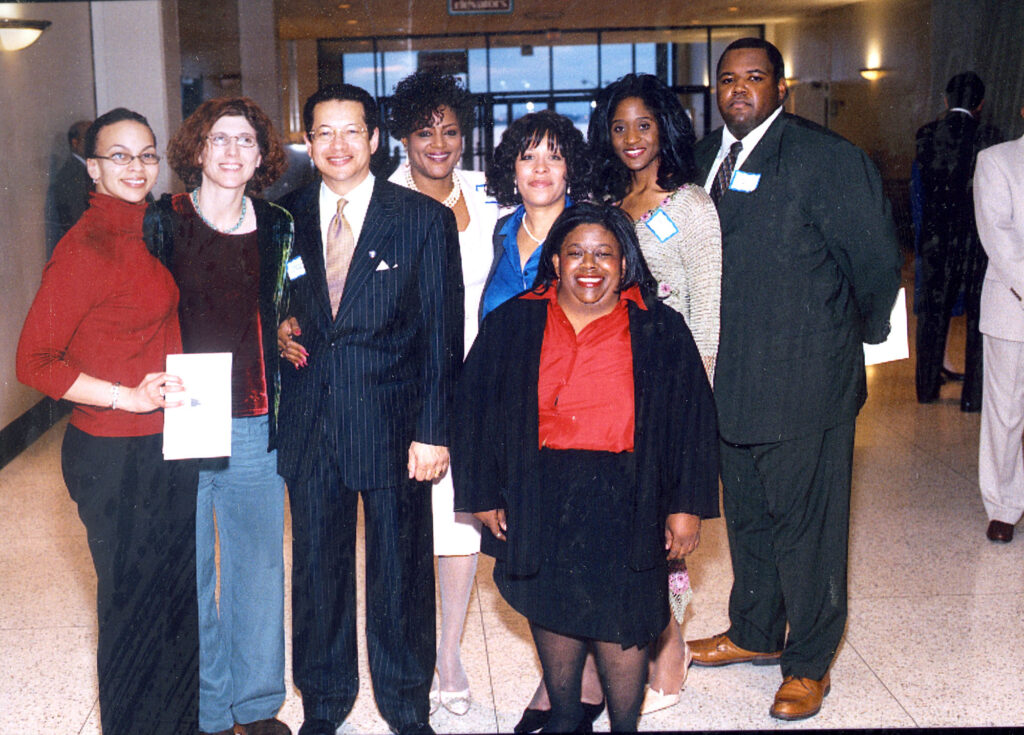
Judge Thibodeaux’s struggles with racial challenges were not merely personal battles; they were part of a more significant effort to transform the judicial system to reflect better and serve the diverse community it represented. “When I became chief judge, I made it a focal point to make the court look like society,” he asserts. This commitment to diversity went beyond symbolic gestures; it was about effecting substantive change in the composition and functioning of the court.
He further expounds on his vision, “I deliberately attempted to identify and hire persons of color in significant positions at the court. This effort was not just about representation but also about dismantling conscious and unconscious biases. It was about normalizing diversity in a space where it had historically been absent.”

Creole Identity and its Complexities: Navigating a Multifaceted Cultural Landscape
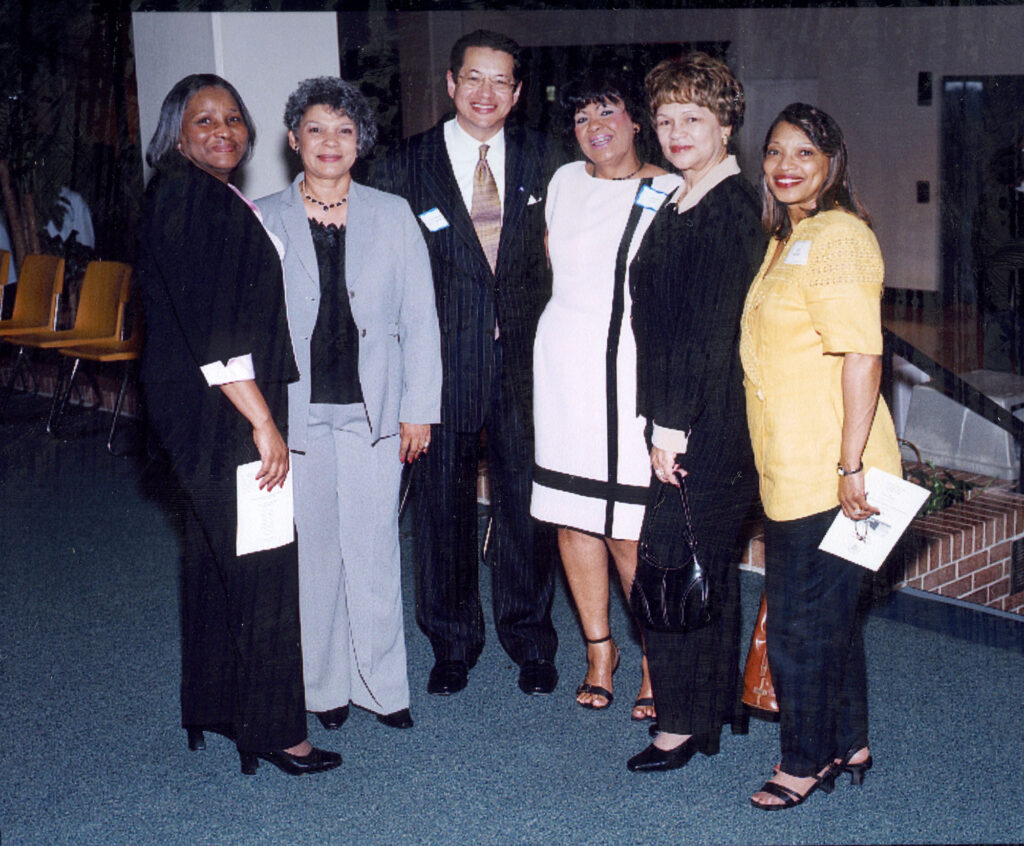
Judge Ulysses Gene Thibodeaux’s experiences as a Creole in Louisiana offer a nuanced perspective on racial and cultural identity, particularly within the legal profession and the broader societal context. His Creole heritage, embodying a blend of African, French, Spanish, and Native American ancestries, positioned him in a unique space within the racial dynamics of Louisiana.
The Intricacies of Being a Light-Skinned Person of Colour
Judge Thibodeaux’s journey as a light-skinned person of color in a predominantly binary racial society was marked by unique challenges and perceptions. He eloquently describes this experience: “As a light-skinned person of color Creole, I was often perceived as being in an invisible state. Not white enough to be considered white, and yet, in the eyes of some, not black enough to embody that identity either fully.” This duality presented a complex set of societal expectations and prejudices to navigate.
Within the Black Community: Perceptions and Misconceptions
Thibodeaux’s identity as a Creole also influenced his interactions within the black community. He reflects on this aspect, saying, “Many in the black community felt that Creoles received preferential treatment due to lighter skin. This notion of ‘colorism’ within the community added another layer to my challenges.” His experience highlights the multifaceted nature of racial identity in Louisiana, where historical and cultural factors intertwine to shape individual and collective experiences.

Confronting and Overcoming Stereotypes
Throughout his career, Judge Thibodeaux has actively confronted and sought to dispel the stereotypes associated with his Creole heritage. He emphasizes, “It was essential to demonstrate that the color of my skin or my cultural background did not dictate my professional abilities and my commitment to justice.” In doing so, he addressed misconceptions within the black and white communities and championed the cause of a more inclusive understanding of racial identity.
Embracing the Full Spectrum of Identity
Judge Thibodeaux’s approach to his Creole identity embraces the full spectrum of his heritage while challenging the narrow confines of racial categorization. “My journey as a Creole in Louisiana has been one of embracing the richness of my heritage while also striving to be seen and judged based on my character and professional merits,” he states.
In many ways, Judge Thibodeaux’s life and career stand as a testament to the rich cultural tapestry of Louisiana and the complexities of navigating identity within this context. His experiences as a Creole have shaped his worldview and informed his approach to law and justice, underscoring the importance of understanding and respecting the diverse backgrounds and experiences of the individuals who come before the court.
Landmark Cases and Legacy: Judge Thibodeaux’s Defining Moments
Judge Ulysses Gene Thibodeaux’s illustrious career is punctuated by several landmark cases that have significantly impacted Louisiana’s legal landscape. Three cases demonstrate his profound influence and unwavering commitment to justice.

Clark v. Edwards: Transforming Judicial Elections
One of Judge Thibodeaux’s most notable achievements was his role as co-counsel in the class action lawsuit Clark v. Edwards. Filed in the federal court in Baton Rouge in 1986 and concluded in 1991, this case challenged how judges were elected in Louisiana. At the time, racial bloc voting made it nearly impossible for black attorneys to win judgeships running at large. Judge Parker of the Middle District of Louisiana ruled that this method violated Section 2 of the Voting Rights Act. Consequently, the legislature created sub-districts in 1992, allowing for more equitable representation in judicial elections.
Thibodeaux reflects on the profound impact of this case: “In 1988, there were only six black judges in Louisiana. Today, we have 92 black judges”. He further explains, “Because of that decision, Louisiana has the highest percentage of judges per capita compared to any court or state in the country. We have approximately 15 out of the 53 appellate court judges who are black. In absolute numbers, we have more black judges on the courts of appeal in Louisiana than Florida, New York, California, or Texas.”
This monumental change has legitimized the judicial system, offering role models for young lawyers and ensuring that black individuals feel assured of having their day in court. “Those 92 judges now sitting are role models for those youngsters and kids who are growing up, and it legitimizes the whole system. Black folks can now look upon the system with more credibility and feel the assurance that they’ve had their day in court,” he adds.
In re Johnson: Championing Judicial Diversity
Another significant case was In re Johnson, where Thibodeaux was selected to sit on the Louisiana Supreme Court to decide whether Justice Bernette Johnson would become the next Chief Justice. His participation was crucial in having Justice Johnson elected as the first black Chief Justice of the Louisiana Supreme Court. This role positioned her as the head of the entire judiciary branch of government. Thibodeaux’s involvement in this case underscored his commitment to diversity and inclusion within the judicial system.
Reflecting on this milestone, Thibodeaux states, “I felt that my presence on the Supreme Court and participating in that case was instrumental in having Justice Johnson elected as the first black Chief Justice of the Louisiana Supreme Court. It was a momentous occasion for her and the entire state, signaling a shift towards a more inclusive judiciary.”

Defending the Innocent: The Case of Joe Lewis Perry
In his role as an attorney, Judge Thibodeaux represented Joe Lewis Perry, who was sentenced to death. Thibodeaux and his team successfully stopped Perry’s execution just two days before it was scheduled, overturning the death penalty in federal court. Despite Perry’s guilt in the murder charge, the inadequate defense he received warranted the intervention.
“We saved his life,” Thibodeaux recounts, emphasizing the importance of adequate legal representation and the flaws within the capital punishment system. “We could not get his murder conviction overturned. He was guilty of murder, but he had no defense. The attorneys who represented him saw him twice, once at arraignment and once on the Friday before the trial started. They weren’t even aware that he had given an inculpatory statement, so he surely would’ve been found guilty, and he was found guilty. They presented no witnesses at the trial, the penalty phase of the trial, which would establish whether he get life or does he get the death penalty. He got the death penalty. We were able to overturn that in federal court successfully. And so we saved his life.”
The Acquittal of Mr. Emerich Sonnier
Judge Thibodeaux also played a pivotal role in the case of Mr. Sonnier, an engineering student and ex-Marine charged with capital murder for killing a Lake Charles policeman. Thibodeaux and his team successfully argued self-defense, leading to Sonnier’s acquittal. This case highlighted the necessity of thorough legal defense and the importance of fair trials.
“A juror later revealed his own biases, acknowledging that despite his prejudices, he could not convict Sonnier due to the compelling defense presented by Thibodeaux. The juror said, ‘I don’t like you. I don’t like your client. He says, I’m a bigot. He says I want to find your client guilty. But he said the Lord wouldn’t let me.’ This was a truly innocent man who, if found guilty, would have faced the death penalty,” Thibodeaux recalls.
These cases illustrate Judge Thibodeaux’s dedication to justice, his influence in transforming Louisiana’s judicial landscape, and his role as a champion for the underrepresented. His unwavering commitment to equity defines his legacy, groundbreaking legal work, and profound impact on countless individuals’ lives.

The Toughest Decision: A Case That Took a Toll
Throughout his career, Judge Ulysses Gene Thibodeaux has faced many challenging decisions, but one case stands out as particularly taxing on his conscience. His approach to law has always been meticulous, especially when dealing with police reports. “As a prosecutor or filter, I am very conscious of police reports, and I want to make certain that those police reports are correct,” he explains. Thibodeaux recalls rejecting police reports that seemed embellished after initial submissions, knowing they were false. “I knew that the report was false. They went back to the office and embellished it. I know that. And so I rejected many of those cases even after seeing the embellished report.”
As a prosecutor, Thibodeaux believed it was crucial not to indict or charge a person without sufficient evidence to support a conviction. “A prosecutor has a duty not simply to convict but to ensure fairness in the process. A prosecutor must evaluate the evidence fairly. And even if that prosecutor thought that this person did it, okay, that’s not the system. Can I prove that that person did it? I would rather have a guilty person go free than an innocent person being wrongly imprisoned,” he asserts. This principle guided his decisions, even when the cases were difficult to navigate.
His role as a defense lawyer also presented moral challenges, especially in cases involving sexual abuse. “I hated to be assigned cases where there was sexual abuse, particularly underage sexual abuse. Several times, I have gone to a judge and said, I can’t put my heart into this. And you better be honest with them. I found those very taxing on my conscience,” Thibodeaux shares. These cases required a delicate balance between duty and personal ethics, often leaving him deeply conflicted.
One of Thibodeaux’s most challenging decisions as a judge involved involuntary termination of parental rights. The case centered on a young mother with limited mental capacities and physical control who was dependent on others. Her baby was placed in foster care, and a couple from Chicago wanted to adopt the child while allowing the mother unfettered visitation. Thibodeaux had to decide whether to terminate the parental rights of a developmentally challenged parent. “Do we take away the parental rights of a developmentally challenged parent just because that parent is developmentally challenged? I said I’m not going to do that. However, the law says you should do so because it’s not about the parents. It’s about the child,” he explains.
This decision was particularly personal for Thibodeaux, as he has a developmentally challenged brother who always wanted to get married. “If I ruled that this developmentally challenged person is not entitled to parenthood, how would that reflect my relationship with my brother?” he reflects. Ultimately, he decided the child’s best interest should precede the parent’s rights. “I ultimately decided that it’s the child’s interest, not the parents. That’s paramount.”
The child was put up for adoption because the mother could not care for herself, let alone the child. The adoptive parents were willing to provide the love and attention needed while maintaining visitation rights for the mother. This decision, though legally sound, weighed heavily on Thibodeaux, underscoring the complex interplay between law, personal conscience, and ethical responsibility.
Thibodeaux often reflects on a painting he has at home called “Conscience.” It depicts a lady with one foot in a bed of thorns and the other in a bed of lilies, symbolizing the law’s tension between good and evil. “When there is no law, there is conscience. You have to get up and look at yourself, look at yourself, and ask yourself, can my conscience take this?” he says. This painting is a constant reminder of the moral complexities he navigates in his legal career

Championing Education: Thibodeaux’s Commitment to Academic Excellence
Judge Ulysses Gene Thibodeaux’s impact extends beyond the courtroom into the realm of education, where his efforts have been instrumental in transforming the educational landscape of Lake Charles, Louisiana. Recognizing education’s crucial role in shaping future generations, Thibodeaux has dedicated significant time and resources to founding and supporting charter schools and other educational initiatives.
Founding Charter Schools: A Vision for Inclusive Education
In 2011, Judge Thibodeaux co-founded the Lake Charles Charter Academy, a move driven by his belief in providing quality education to underserved communities. The academy was established to create a nurturing environment where students from diverse backgrounds could thrive academically and personally. “Our goal was to ensure that every child, regardless of zip code, had access to high-quality education,” Thibodeaux explains.
Following the success of the Lake Charles Charter Academy, Thibodeaux and his team expanded their vision. In 2012, they opened the Southwest Louisiana Charter Academy, followed by Lake Charles College Prep in 2014. These institutions cater to pre-kindergarten through twelfth-grade students, offering a rigorous curriculum designed to prepare them for college and beyond. “We wanted to create pathways for students to excel, not just in academics but also in character and leadership,” he adds.

Innovative Programs and Approaches
Judge Thibodeaux’s charter schools are known for their innovative programs that go beyond the traditional curriculum. They offer dual enrollment opportunities with local colleges, allowing high school students to earn college credits while completing their secondary education. Additionally, the schools emphasize STEM (Science, Technology, Engineering, and Mathematics) education, ensuring students have the skills necessary for success in the modern workforce.
“Education is the silver bullet that transforms society,” Thibodeaux asserts. “We incorporated character building into our curriculum because a person can be a straight-A student, but without character, that person will not succeed.” This holistic approach to education has garnered praise from parents and educators, highlighting the schools’ commitment to developing well-rounded individuals.
Addressing Educational Disparities
One of the driving forces behind Thibodeaux’s educational initiatives is his desire to address the disparities within the public school system. In Calcasieu Parish, students are often required to attend schools based on their residential zones, which can trap them in underperforming institutions. Thibodeaux’s charter schools offer an alternative, accepting students from anywhere in the parish without charge.
“If I were growing up today where I grew up in my earlier years, I would be going to an elementary school that was a D school, previously an F school. I would then go to middle school where that school was ranked D, and then I would go to a high school where it was ranked D or an F,” Thibodeaux explains. His charter schools offer a lifeline by providing a high-quality education to students from low-performing school zones, breaking the cycle of educational inequality.
In 2010-2011, there were 53 public schools within Calcasieu Parish, and 16 were either failing or underperforming. Each of these 16 schools had at least 85% black students. Thibodeaux’s charter schools took students from the same families, zip codes, and addresses, and they all found success in his schools. “So what’s the difference? It’s not the kids’ fault. It’s the system’s fault, but it’s not addressing students’ individual needs,” Thibodeaux asserts.

Impact and Legacy
The success of Thibodeaux’s charter schools is evident in their achievements. The Lake Charles Charter Academy serves approximately 900 pre-kindergarten through eighth-grade students, the Southwest Louisiana Charter Academy serves about 800 pre-kindergarten through eighth-grade students, and Lake Charles College Prep, which opened in 2014, currently enrolls approximately 600 students. These schools have consistently demonstrated high academic performance and student success.
In 2022, Lake Charles College Prep celebrated 92 graduates, each admitted to college. This remarkable feat underscores the effectiveness of the educational model Thibodeaux has championed. “It is a feeling of fulfillment, knowing that these kids have a chance, they’ve got a fighting chance,” he says.
Moreover, Thibodeaux’s efforts in education extend beyond charter schools. He has been instrumental in establishing community health centers and advocating for educational reforms that benefit the broader community. His work reflects a deep commitment to improving the quality of life for residents of Lake Charles and ensuring that every child has the opportunity to succeed.
Judge Thibodeaux’s dedication to education exemplifies his broader vision for societal transformation. By investing in the future of young people and addressing systemic inequities, he continues to make a lasting impact, inspiring others to join him in pursuing a more just and equitable society.
Enhancing Community Health: Judge Thibodeaux’s Commitment to Public Well-being
In addition to his transformative work in education, Judge Ulysses Gene Thibodeaux has significantly contributed to healthcare in Lake Charles, Louisiana. Understanding the intrinsic link between health and education, Thibodeaux has been a passionate advocate for accessible healthcare services, particularly in underserved communities.

Establishing Community Health Centers
Judge Thibodeaux co-founded the SWLA Center for Health Services, a federally qualified health center (FQHC), which began its operations in 1981. The center was created to address the lack of medical services in North Lake Charles, a predominantly black and medically underserved area. Thibodeaux recalls, “When I was in New York City right after law school, working with the Legal Defense Fund, I received a call from one of my high school classmates, Milton Bellard, who was working as a lab technician at one of the local petroleum plants. There was only one black doctor in North Lake Charles.”
Initially opened with two doctors, a dentist, a nurse, and an administrator, the center soon encountered financial difficulties. Thibodeaux and the board had to contribute funds to keep it operational personally. “We had $10,000, and the board had to come up with $25,000 to keep the doors open,” he explains. This effort paid off, as they later secured a grant of $125,000, which stabilized the center’s operations.
Expansion and Impact
Today, the SWLA Center for Health Services has expanded to include four centers in Lake Charles, Lafayette, Crowley, and Oberlin. These centers collectively treat approximately 25,000 patients, 90% of whom have no insurance or rely on Medicaid or Medicare. Around 22 medical providers staff the centers and operate with an annual budget of $22 million. “We provide a great need for medical services in those medically underserved areas,” Thibodeaux states.
The services offered by these centers are income-based, ensuring that healthcare is accessible to all, regardless of their financial situation. “If you cannot afford to pay, we’ll provide free services,” Thibodeaux emphasizes. This model helps ensure that everyone in the community can access essential healthcare services, promoting overall well-being and productivity.
Healthcare and Education: A Synergistic Approach
His belief in their interconnectedness drives Thibodeaux’s dedication to health and education. He explains, “You can’t have a productive life unless you’re healthy. You can’t focus on education unless you’re healthy. So those two things go hand in hand. They’re complementary to each other, and they’re not exclusive. It’s all part of one package.”
This holistic approach is evident in his efforts to integrate health and education services. For instance, the charter schools he founded incorporate health education into their curricula, promoting a comprehensive understanding of student well-being.

Reflections and Future Endeavors
Reflecting on a career spanning several decades, Judge Ulysses Gene Thibodeaux views his contributions to law, education, and healthcare with a sense of fulfillment and recognition of the work still ahead. His career is marked by significant legal achievements and a deep commitment to the community he has served so diligently.
Looking Back: A Legacy of Service and Justice
Judge Thibodeaux’s reflections on his career are imbued with pride and accomplishment. He has successfully challenged systemic injustices, notably through landmark cases such as Clark v. Edwards and In re Johnson. He has played a crucial role in enhancing the diversity and fairness of the judicial system. His efforts in establishing and leading charter schools have provided countless students with quality education, while his contributions to healthcare have ensured that underserved populations receive essential medical services.
Thibodeaux often emphasizes the importance of integrity and dedication in his professional life. “The law is what I do, and it’s not who I am. I don’t let it overtake me and guide everything that I do. There are many things outside of the law that are important, and those things sometimes will fashion the law,” he explains. This perspective has allowed him to balance his judicial responsibilities with his broader commitments to societal improvement.
Future Endeavors: Continuing the Pursuit of Justice and Equity
Looking forward, Judge Thibodeaux is not content to rest on his laurels. He continues to explore new ways to positively impact his community. One of his current projects involves the economic development of Lake Charles, specifically being the driving force behind the construction of a 4-star hotel on Civic Center property. This project aims to revitalize the area by combining hotel accommodations with cultural and social events. “That’s my next challenge,” he remarks, signaling his ongoing dedication to fostering community growth and development.
Thibodeaux is also keen to expand educational opportunities further. He envisions adding more charter schools within Calcasieu Parish and integrating additional programs to enhance students’ academic experiences. These programs include vocational training, arts and humanities, and bilingual education. “We are looking at establishing and having every student be bilingual in either English and French or English and Spanish upon graduation,” he shares. This initiative aims to equip students with the skills to succeed in a globalized world.
A Vision for Holistic Community Development
Judge Thibodeaux’s approach to community service is holistic. He recognizes the interconnectedness of education, health, and economic development. He understands that addressing one area often benefits others, creating a more comprehensive and sustainable impact. His commitment to public service is unwavering, driven by a belief in the potential for positive change through dedicated effort and community engagement.
Thibodeaux’s legacy is a testament to what can be achieved through resilience, vision, and an unyielding commitment to justice and equity. As he continues to embark on new endeavors, his contributions inspire future generations of leaders dedicated to creating a fairer and more just society.
He says, “Everyone has to start with their community. Few people, such as Barack Obama, can have a nationwide impact. So what you do, you’ve got to do it locally, and that’s where it starts.” Judge Thibodeaux’s journey, marked by significant achievements and an enduring commitment to justice, exemplifies the profound impact one individual can have on their community.
Three Wishes: A Vision for the Future
Judge Thibodeaux’s responses reflect his deep-seated values and aspirations for a better world when asked what three wishes he would make if he had a magic wand.
“I wish for a quality universal education for everyone because I think literacy is the key. Between the ages of 16 and 74, in the US, 54% of that population has the equivalent of a sixth-gradereading level. This is not a stat that I made up. This is a statistic made up by folks in the educational field. So I wish for a quality education for every person to become part of a productive society and contribute to society.”
His second wish reveals a personal dream: “My second wish would be to go back in my career and play second base for the New York Yankees baseball team. That would have been a dream come true, blending my love for sports with a professional career.”
The third wish reflects his lifelong fight against injustice: “My third wish would be to have people conscious, have people aware of their conscious and unconscious biases, and to end racism. There’s no such thing as race. Racism is not caused by race. Race is caused by racism. We must move beyond these constructed barriers and see each other as human beings first.”
Judge Ulysses Gene Thibodeaux’s three wishes reflect his lifelong dedication to education, his dreams, and his sincere hope for a world free from the scourge of racism. His legacy, built on a foundation of justice, service, and unwavering commitment to equality, inspires and guides future generations toward a more just and equitable society.