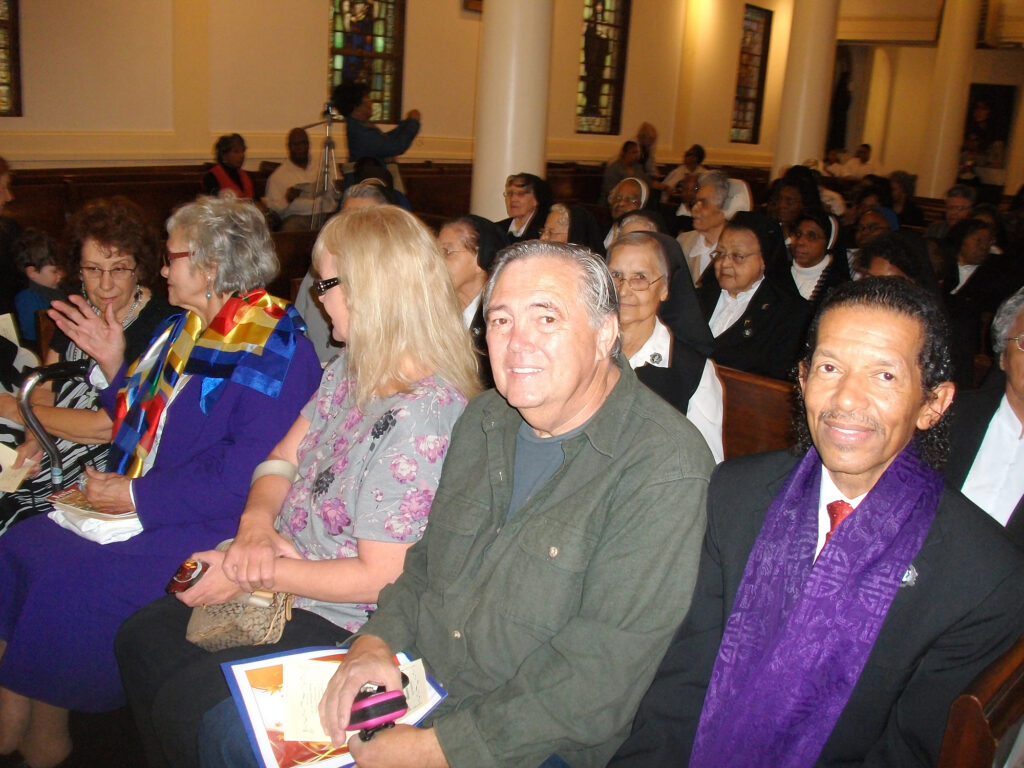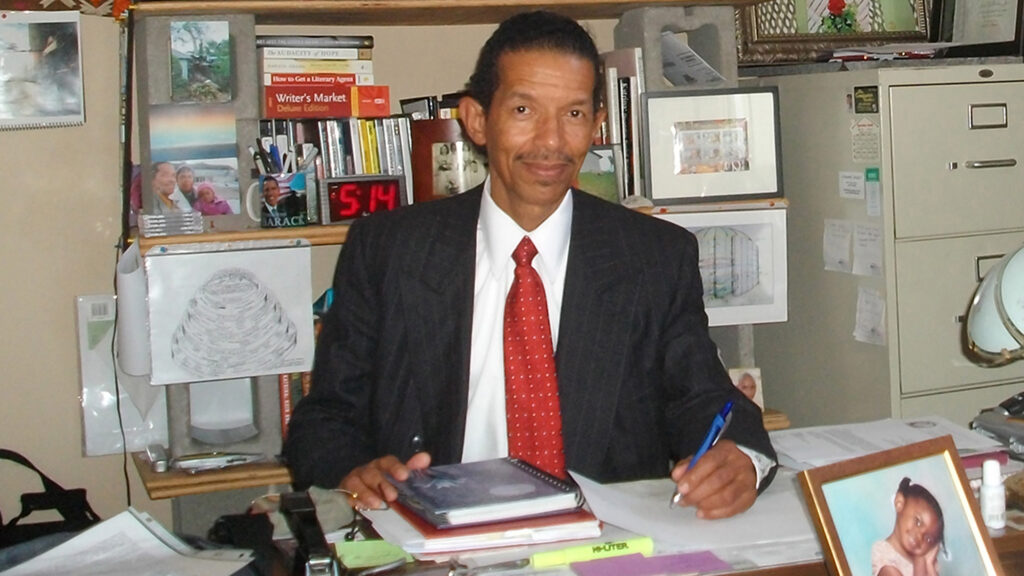
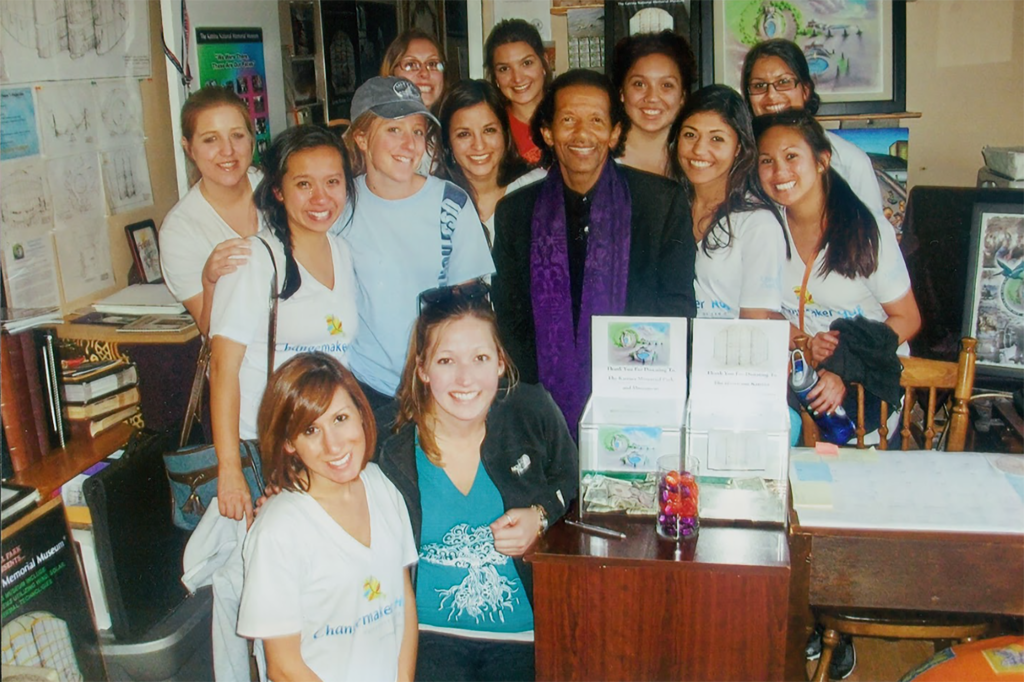
Meet Omar Casimire, a figure of distinct elegance and purpose known for his unique purple linen suit and a mission of critical importance. Through the Katrina National Memorial Park Charitable Foundation and as Director of the Katrina National Memorial Museum in New Orleans, Casimire is dedicated to ensuring that the world never forgets the devastating impact of Hurricane Katrina. His goal is to honour those lost, celebrate the resilience of survivors, and educate future generations about disaster preparedness and recovery.
Omar Casimire is a man on a mission – and a laudable one at that: to ensure that people in Louisiana, in America at large and even those abroad never forget what colossal destruction, pain and suffering Hurricane Katrina wrought on his beloved city and its inhabitants in August 2005.
Despite his natural enthusiasm and genial disposition, coupled with his profound knowledge of New Orleans, its racial history and its Creole culture, reminiscent of a walking encyclopedia, Casimire’s self-appointed mission is not a pleasant one, as its roots lie in arguably the biggest natural tragedy to ever befall the Crescent city – one which brought apocalyptic destruction on an unprecedented, almost biblical scale to the city in late August 2005, wreaking havoc and causing the loss of some 1836 lives (according to the official death toll), as well as incalculable damage to the city’s infrastructure and its people, be it physical, financial or emotional.
Katrina National Memorial Museum
As the founder of the Katrina National Memorial Park Charitable Foundation and the Director of the Katrina National Memorial Museum (situated on Douglass Street, on the edge of the city’s Lower Ninth ward in the Holy Cross neighbourhood), Casimire’s avowed undertaking is to “build a national museum in New Orleans to provide a place to honour those who perished in Hurricane Katrina, remember and learn from the catastrophe, and celebrate the strength of the survivors and those who came to help rebuild.”
In so doing, he aims to create an international destination that will establish a fitting memorial to the devastation experienced and “to provide through the arts an educational encounter on the catastrophic nature of hurricanes and on storm preparedness, seeking to offer a learning experience for locals and visitors of all ages.”
He also intends for the museum and memorial park to honour the many thousands of relief workers, search and rescue and airlift crews, and private citizens who selflessly – and often without due consideration for their own safety (some of whom even perished) – came to the city’s aid during her hour of most urgent need.
By accomplishing all this, Casimire hopes to engender some much-needed catharsis and healing for the people of New Orleans, amidst the miasma of collective grief, anguish and trauma which he feels haunts the consciousness of a city still coming to terms with its myriad human losses, almost 20 years later.


The Katrina National Memorial Park
Casimire’s vision for the proposed Katrina National Memorial Park he wants to see built is undoubtedly impressive, the work of an abundant and fertile mind. He envisages that the Katrina National Memorial Park will sit on approximately twenty-five acres of green space, which will hopefully be donated by the city of New Orleans or the State of Louisiana.
He also has a lucid, distinct vision for the park itself, namely that surrounding the park and gardens will be a nine-foot, half-moon-shaped granite wall, with the names of each victim from Katrina (between 4,500 – 5,000 New Orleanians) etched on the wall and filled with gold leaf. According to this vision, the front of the memorial will have three steps leading to a 90 ft x 30 ft granite pool shaped like a woman’s womb, one which will be inlaid with a mosaic depicting the City of New Orleans underwater. He also envisages that the centre of the pool will contain an eternal flame which will rise about the waterline and that fountains will circle the perimeter of the pool.
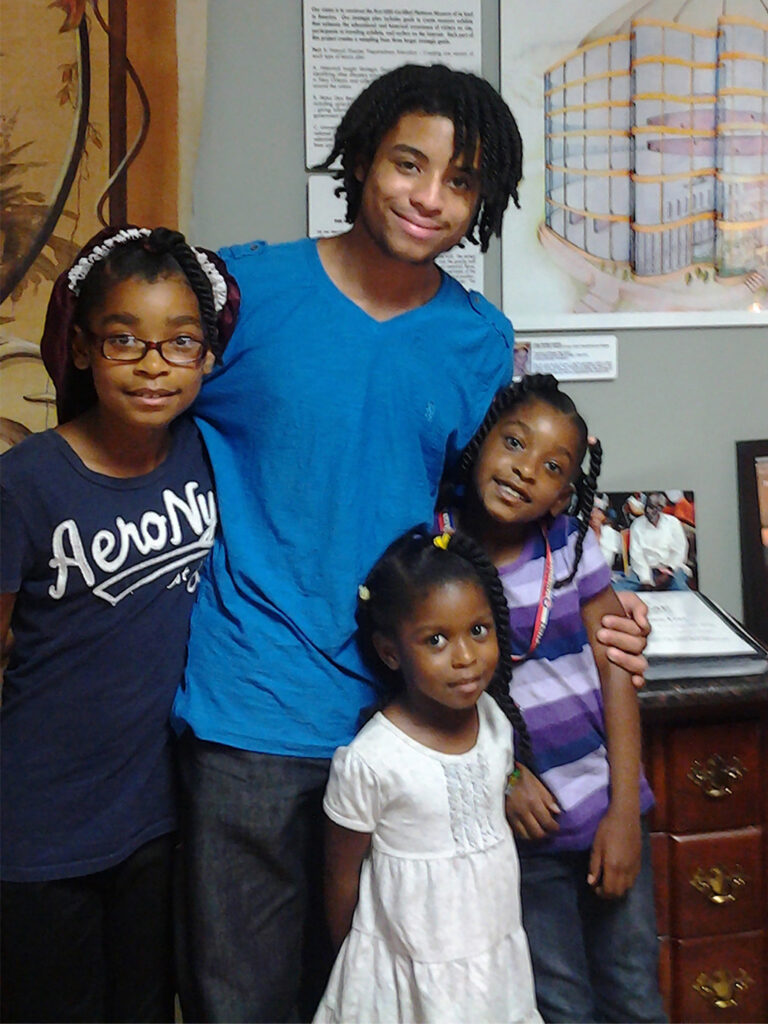
As he explains with passion and a palpable sense of excitement, revealing a sketch of the planned memorial, “The memorial will be made like a hurricane that spirals up 35 feet in the air, and you won’t be able to see the memorial until you get to the top of the spiral. This is going to be an eternal flame. There’s going to be a crescent-shaped wall like the Crescent City. The names of the people who died will be etched on a granite wall filled with gold leaf. They are going to have a mosaic of the city underwater with the Superdome in the middle, and these nine monoliths will represent the Lower Ninth Ward because that’s where most of the people died.”
Casimire hopes that the Museum and Park will together become a national tourist attraction, teaching visitors about what happened during Hurricane Katrina, modelling “green” principles, and providing employment and economic opportunities to empower and enrich the local community.
He may have started off small at the grassroots level, but Casimire has big ambitions for his museum and commemorative memorial park – an undoubted labour of love and is naturally keen to attract more financial backing. Having already received $2 million in funding for the museum, Casimire is desirous of further cash injections to help fund the work the museum does, enabling it to become a real community hub. As he states, “The foundation and plans for the museum started really small, and then I started getting some help, but we haven’t gotten enough help yet.”


Omar Casimire – Education
With a life well lived as a craftsman on several continents, Casimire belongs to that select, illustrious band of people who are proud autodidacts. After attending local elementary and high schools, Casimire graduated in New Orleans in 1971 and went straight into the world of work. Intelligent and erudite, well-read and exceedingly knowledgeable in many fields and traditions, he readily acknowledges that “I didn’t go to university.” Referring to where his passion for historical knowledge comes from, he says nonchalantly, “It’s just in my blood.”
Despite a lack of formal tertiary education, he has impeccable “real world” experience, having lived and worked for long periods in Chicago, New York and India. In short, he possesses the perfect credentials for running a museum of this kind. Even more importantly for an undertaking such as this, he is a local man who understands the city and its people intimately. He was here during Katrina; he personally assisted in the relief effort and the clear-up operation, seeing first-hand what transpired, and his family are from the local community – all factors which ensure that he is profoundly committed and has “skin in the game.”
Inspiration to Found the Museum
Casimire was inspired to found the museum by a premonition he had of his mother’s death the year before she passed. As he recalls, “One day in 2004, I foresaw my mother’s death, so I went to my aunt’s house and I sat there and I started crying. She said, “What’s wrong?” I said, “I saw my mother. She is going to die next year.” And then she, in fact, died the following year.”
He continues, still visibly emotional at his mother’s demise, “My mother died during Katrina. When I was sleeping in my rental car, I had a vision of this project – to build a Katrina monument in a museum.” Thus, to honour his dead mother, he immediately set about turning his vision into a tangible reality.


The Museum Collection
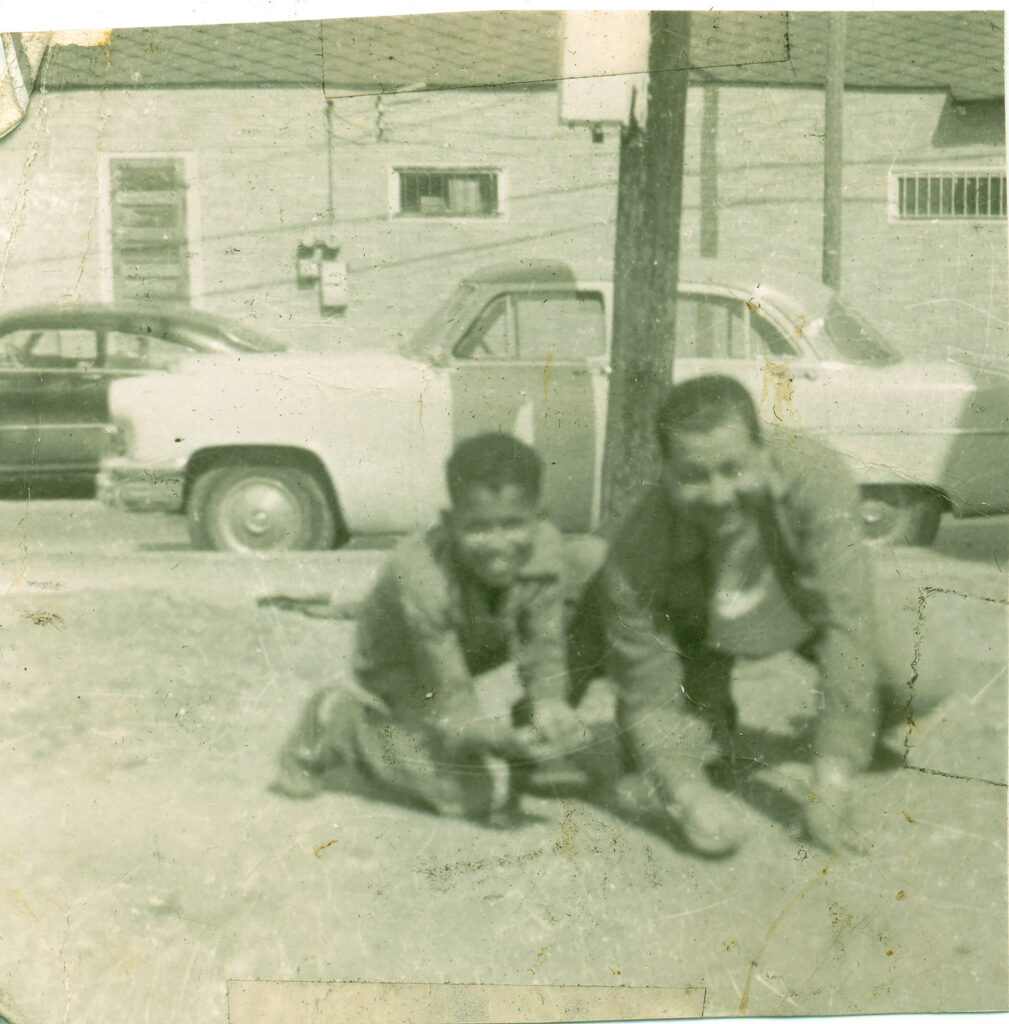
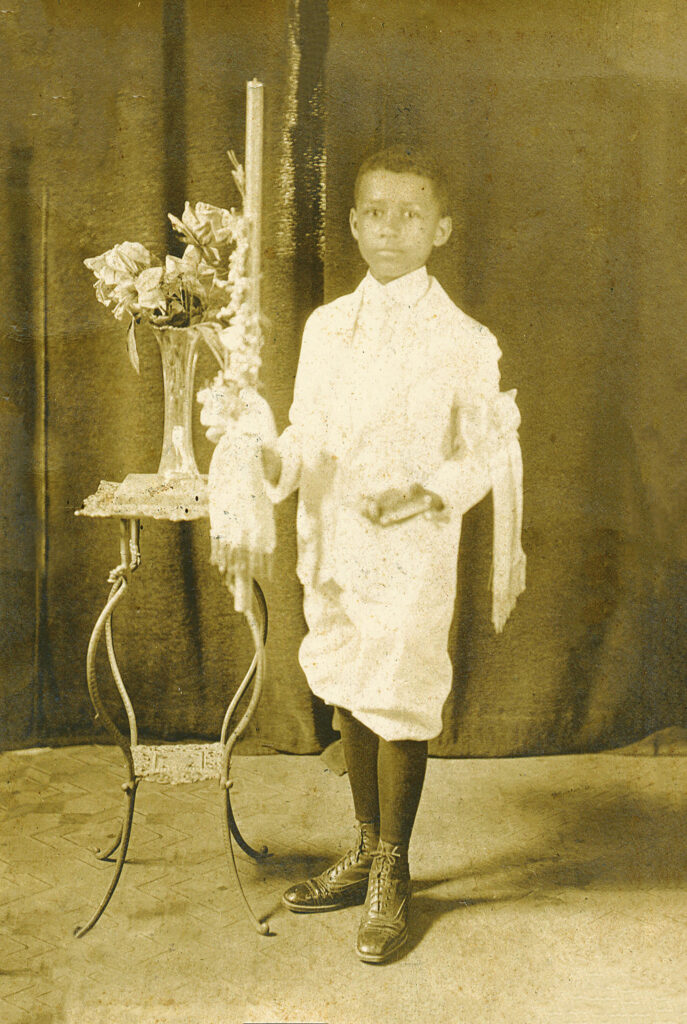
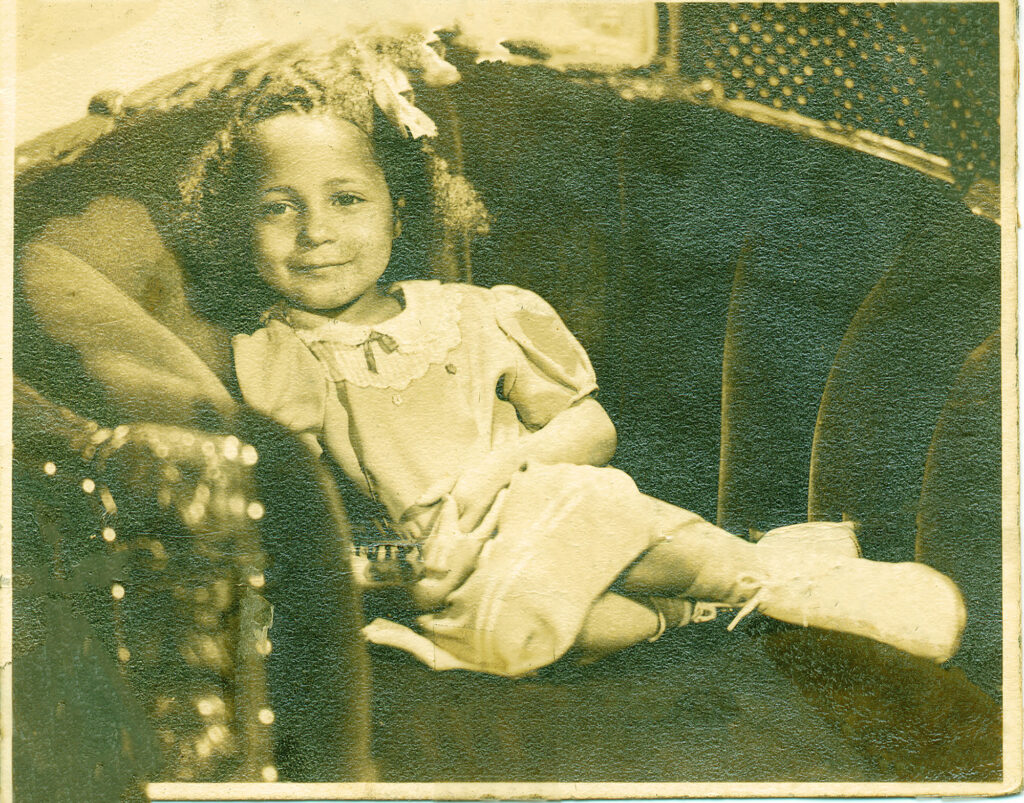
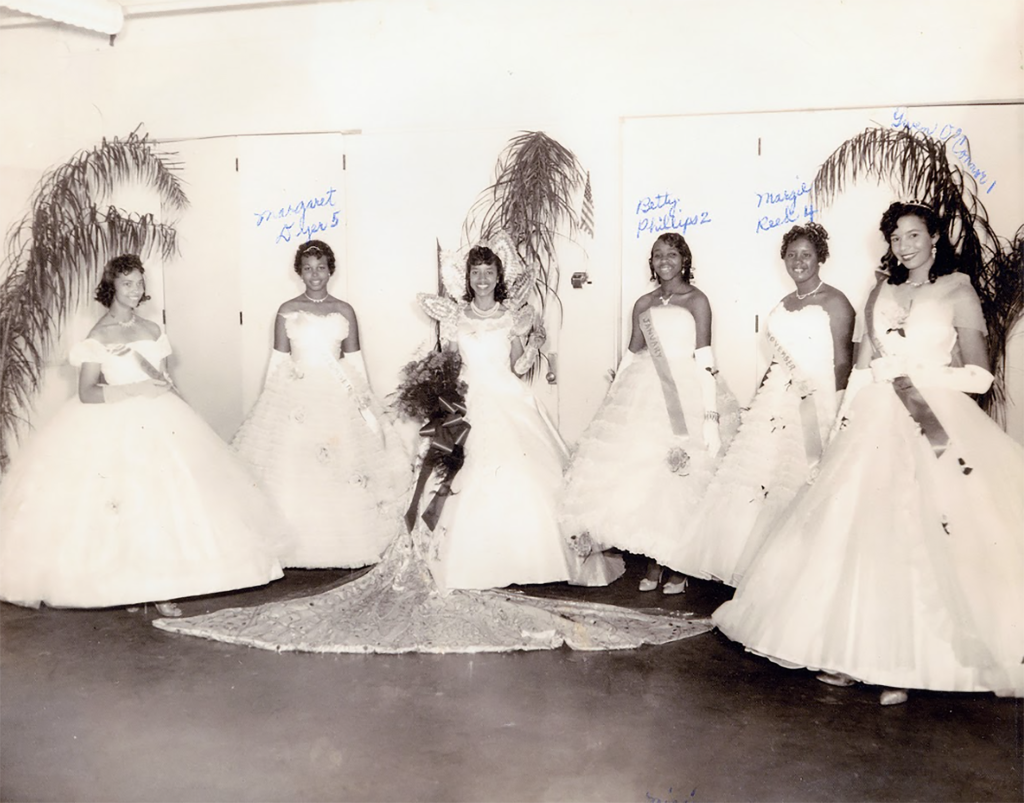
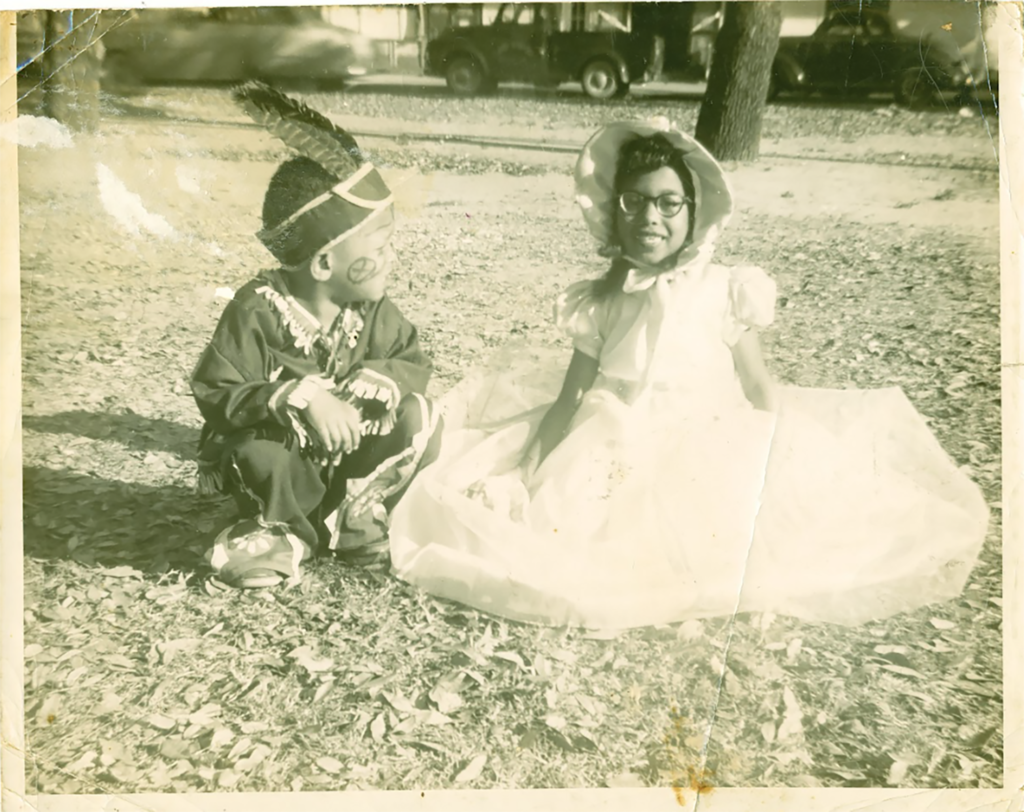
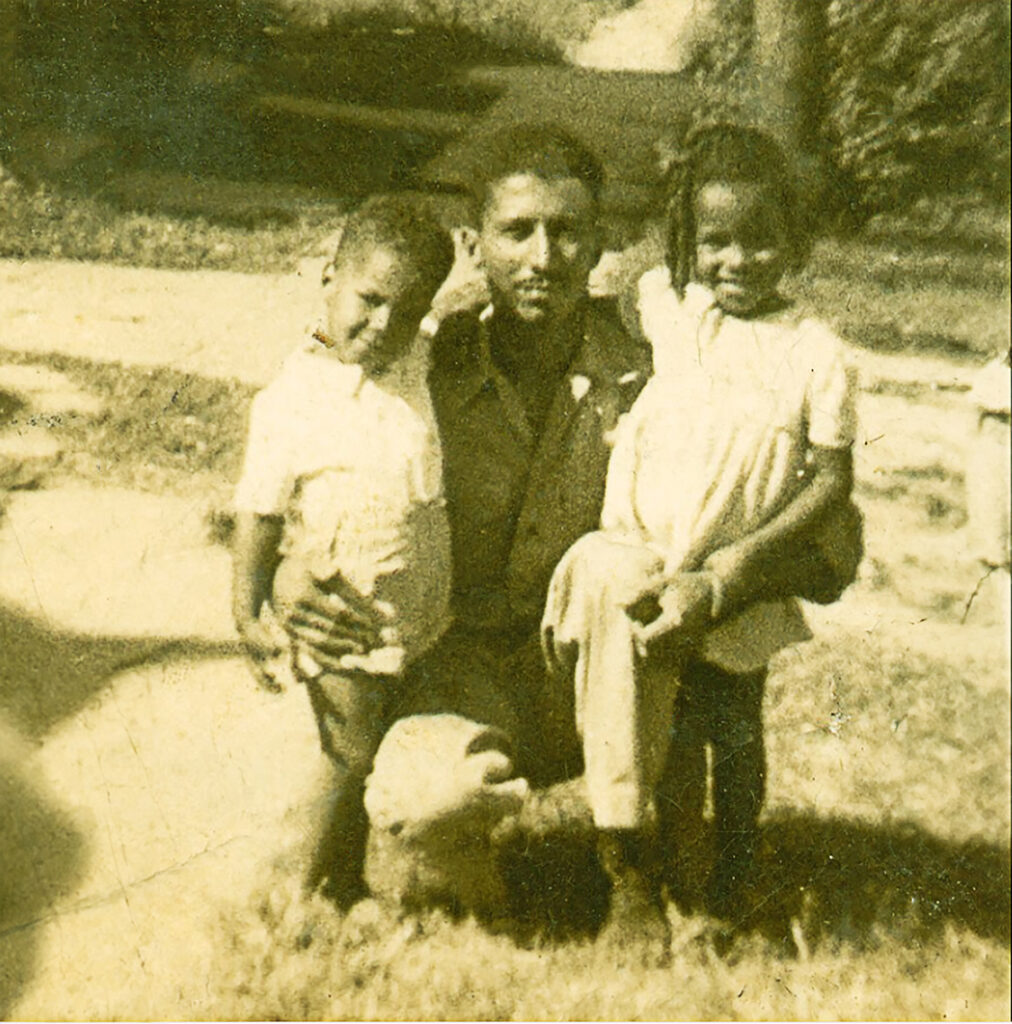
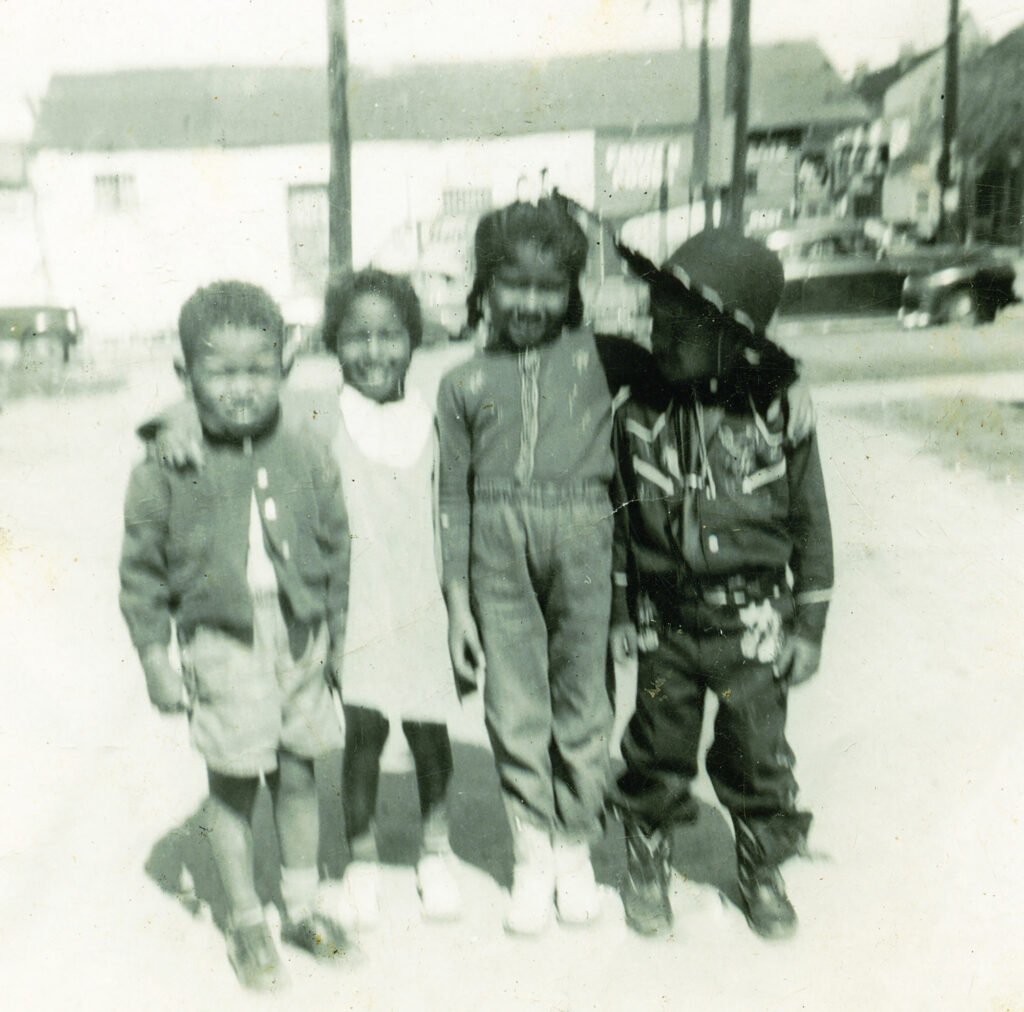
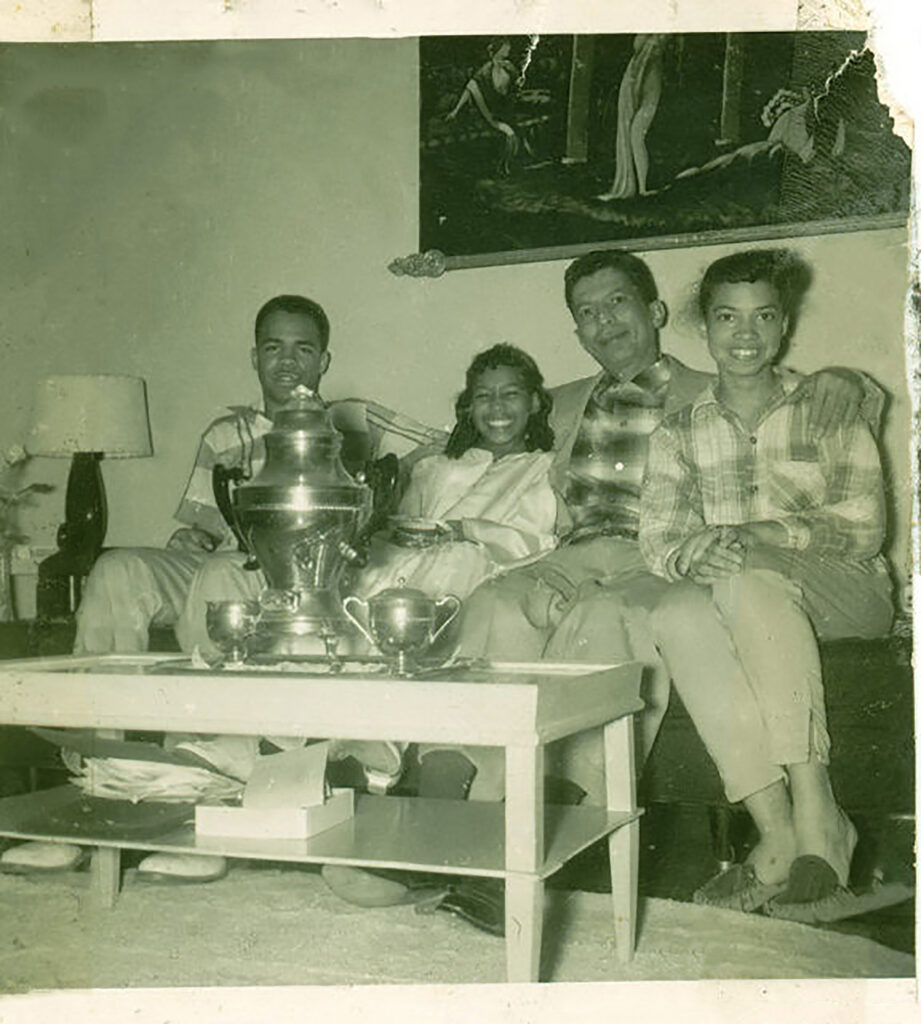
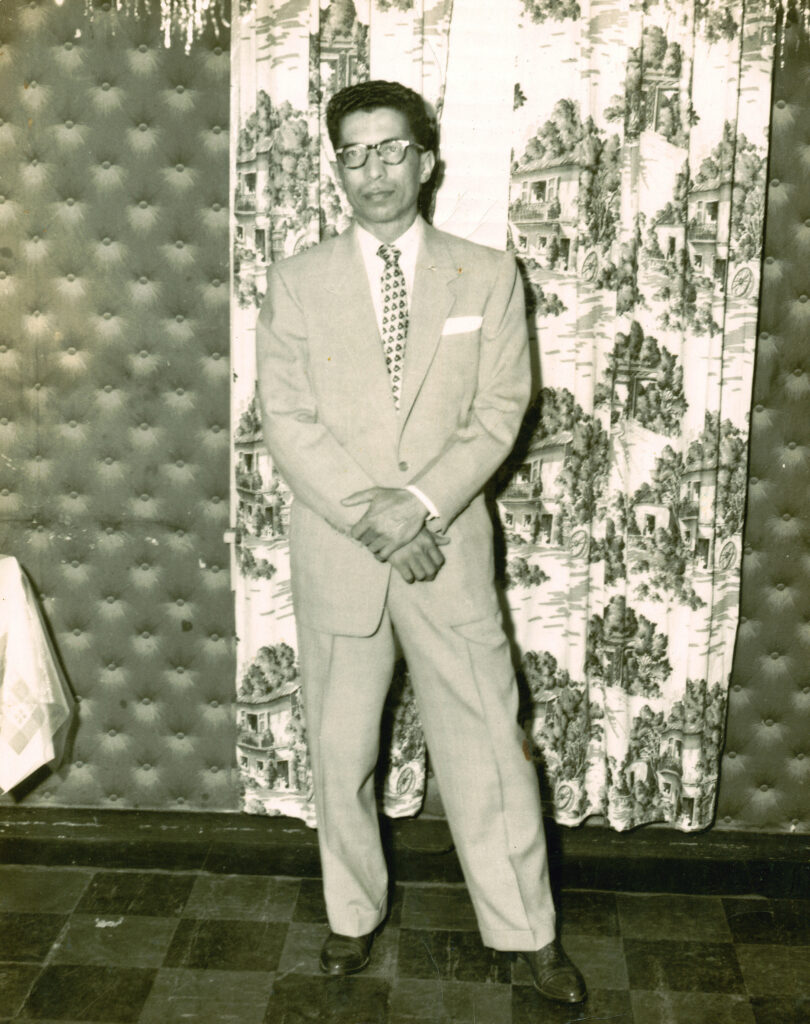
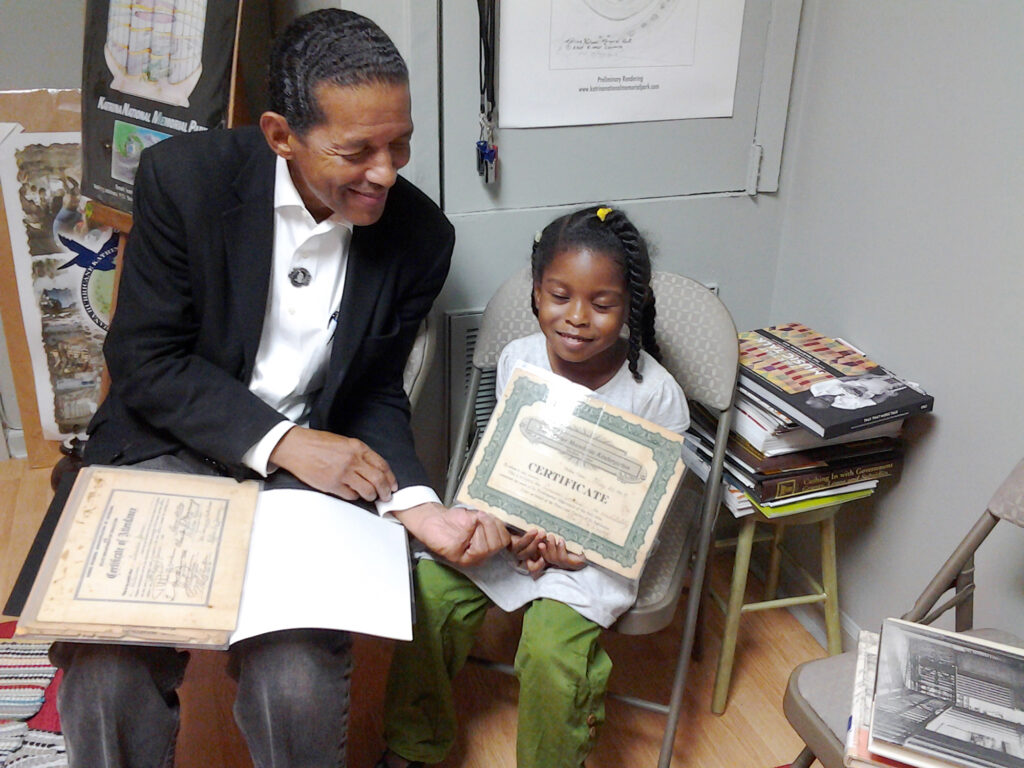
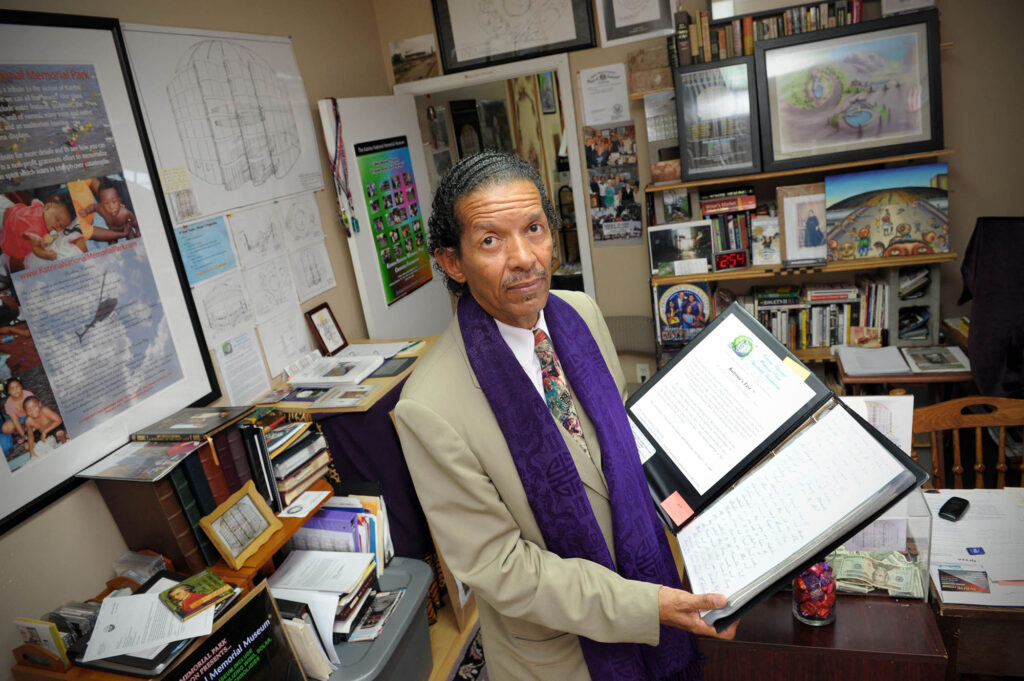
Casimire possesses a deep, almost obsessive interest in his family lineage and their forbears. The proliferation of official records, documents and every shred of historical evidence he can find about his family, which are now prominently displayed in cases, are actually both humbling and intriguing, not to mention a boon for the Katrina Memorial Museum, as they currently form the essential backbone of a fascinating collection. Memorabilia, old, black and white sepia photographs and personal papers all brilliantly illustrate the over-arching history of New Orleans from the days of slavery to emancipation and beyond to Katrina, through the microcosm of his own family and their personal, inter-continental journeys.
As he says, by way of example, pointing excitedly to a case of documents, “This is my mother’s kindergarten certificate from 1929, and that’s all her spelling certificates here.”
Turning to another equally packed and meticulously labelled glass case, he says animatedly, “That’s my parents’ wedding certificate. That’s my parents’ high school diploma, and that’s my father’s last barbershop license. He had the first barbershop, which was allowed to be open to midnight here in the city.”
Family
With a heritage which he has assiduously traced back to Haiti, France and various kingdoms in West Africa (parts of modern-day Ghana, Sierra Leone and Nigeria) – and is distantly related to several royal families, Casimire is visibly fascinated, if not almost intoxicated, by his own genealogy and the many generations and branches of his family which he has diligently researched.
As he explains with genealogical exactitude, “My mother was born in Celine, Louisiana. As for my grandmother, someone gave her as an infant to the Little Sisters of the Poor (religious order) and she was raised by the nuns till she was six years old. Then a rich Creole family from New Iberia came to New Orleans and adopted her, but her biological parents were from West African heritage.”
Surrounded by glass cabinets full of ageing but well-preserved papers – official documents pertaining to his family members, many dating back to the 1700s and 1800s, which he has (at considerable expense) paid to be translated from the original French or Spanish into English, Casimire is a man who likes – and evidently take great pride in – historical records, the acquisition of which perhaps satiate his ostensible need – like many descendants of slaves torn from their original home in West Africa, for historical affirmation, belonging and a definite sense of anchorage.


A City Based on Slavery
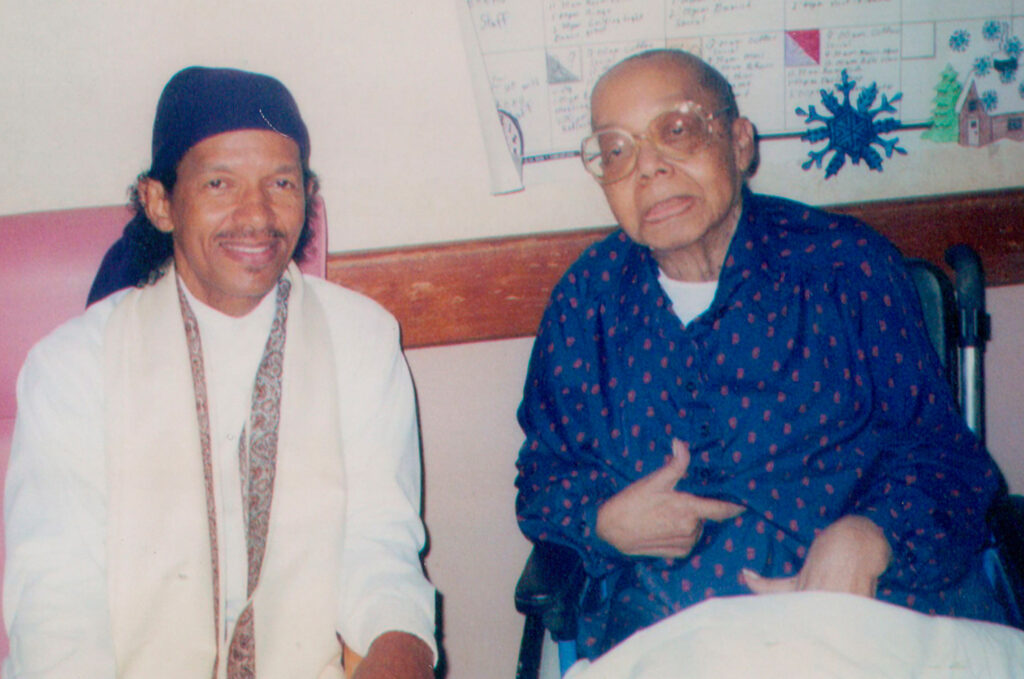
Perhaps because of his own family’s painful history – he is able to trace slave roots back on both sides. Casimire is adamant that people should know about New Orleans’ nefarious history as a major slave-trading port and the unpalatable fact that some two hundred and fifty years ago, the city was one of the acknowledged centres of man’s inhumanity to man in America, if not the world.
As he says in a sombre tone, reflecting the lugubrious, distasteful subject matter, “Guess what they used to call New Orleans? The city that cared. And yet, I bet you didn’t know that the city that cared has always been a city involved in slavery. In the city’s heyday, all the slaves came through here.”
Casimire certainly knows his historical onions when it comes to slavery, explaining that it was the French who introduced African slaves to the territory in 1710 after capturing a number as plunder during the War of the Spanish Succession. They duly transported more than 2,000 Africans to New Orleans between 1717 and 1721 on at least eight ships, and thus began one of the most inhumane and brutal trades ever known to man.
The museum seeks to rectify this lacuna by having exhibition cases with the names of slaves who came through the city prominently displayed. Some 60,000 names have been gleaned from historical records, and some 39 charts dealing with the slaves and their respective provenance from West Africa are all either on display or referenced in the collection.
As Casimire explains, pointing to a particular case behind him, “There are 60,000 slaves in (this case) here. Sixty thousand came here between 1808 and 1860 – all 60,000 that came through the port of New Orleans. It was millions of slaves in total.”
Hearing him talk is, on one hand, mesmerising, given his full mastery of the subject matter, but also doleful, given the human lives involved. The sheer magnitude of the enterprise of chattel slavery and the flagrant disregard for the safety, let alone the humanity or the happiness of the African slaves, strikes one forcefully as you contemplate the exhibition cases.

Katrina’s Devastating Aftermath
In addition to much of his own family memorabilia being on display, as well as items of broader historical significance pertaining to slavery and the millions of slaves who passed through New Orleans from West Africa as a result of the barbarous Middle Passage (such as documents of their graves in the city dating back centuries), the museum also includes many photographs, videos and oral testimonies of residents taken of and by Katrina victims who were unable to evacuate the city during the hurricane and its aftermath which have all been archived.
Casimire is also in the process of collecting and documenting for posterity many of the defiantly human stories from Katrina – emotional, sad and some which are even positively horrific, including stories of some of the alleged atrocities which happened when the hurricane hit the city, especially those of unlawful shootings of inhabitants by security services. As he explains, “After Katrina hit, martial law was imposed, and they were shooting people here. We have a lot of stories. I have documented stories and some undocumented ones, but most of them are undocumented. But people saw security shooting people.”
Casimire is also scathing about the way he feels the New Orleans authorities handled the tragedy, including what he refers to as their disingenuous numerical massaging of the death toll figures so that the official number of deceased was much lower than the real figure. As he relates with a sense of righteous anger but in a calm, measured voice, thus making his point all the more forcefully, “We want to interview these families and find out how many people died. We don’t know how many people died during Katrina. The government stopped the death toll.”
He continues, “Then the government had them stop the death toll after Katrina in early September. So, if you Google the death toll, it’s going to say 1,833 or 1,838. Yet we were still pulling remains out of houses over a year later. In my opinion, there are over 10,000 people who died here.”
According to Casimire, part of the problem is that “anybody who died as a result of Katrina outside the state of Louisiana, they don’t count the remains, but people from New Orleans got taken to 38 states. A couple of hundred thousand of us got displaced, maybe more. So, how many people died outside Louisiana? We are not going to ever find out until we do a study like they did with the Holocaust.”
He adds, “We had students come in from universities here, and they typed all the names into a database for us, so we have them all in the database. But all we need is a partner to do the research, go through these lists, and get the interviews for these people.”
The museum also contains names, records and information about the 10,000 families who sought temporary shelter and refuge in the Convention Centre during the hurricane – a list of names Casimire was instrumental in starting. As he explains, “When I got to the Convention Centre, I started Katrina’s list. This is the Central Park of our foundation right here. There are 10,000 families on this list, so we have 5 million archives here.”
Pointing to a gargantuan book of names, he states, “I didn’t collect all these names by myself. I had about seven or eight people help me collect these names.”
Thus, the museum also aims to increase awareness of those who perished. According to Casimire, every New Orleans resident knows somebody among the approximately 10,000 names on Katrina List in the museum. For this reason, he reckons that every New Orleans citizen should know that the list exists and where it is housed. Some of those names are of victims who never lived to tell their families that they gave contact information to Casimire.
Casimire then relates a story about his time in the Convention Centre which, if true, is utterly damning and one which sheds unfavourable light on the post-Katrina rescue operation and the unwillingness of the city authorities and the national government – given their massively delayed response – to help those most affected, the overwhelming majority of whom were poor and black.
“I walked up to these two white ladies in the Convention Centre and asked where they were from and how they got in there with us. Turns out they were from Australia. There were maybe only three white families in there out of about 20,000 people. So, this lady, Mary, I think her name was, says she had been staying at the Sheraton Hotel on Canal Street and had been told by the police to go to the Superdome or the Convention Centre for shelter. But guess who she knew? She personally knew the Prime Minister of Australia. So, she called him from the Convention Centre, and he in turn called President Bush, and that’s how the airlift started.”
These are precisely the kinds of stories – of what happened on the ground during the chaos and discombobulation of Katrina – that Casimire wants the museum to tell, to archive and to preserve.
Casimire is adamant that certain things still need addressing post-Katrina. He asserts with conviction, “You know what they didn’t address? The authorities didn’t address the mental health problems and what we went through during Katrina. A lot of people here are still going through mental stress as a result of Katrina.”
Casimire wants to continue interviewing those afflicted by Katrina to build an archive of testimonies for the museum. As he explains, “We want to interview these families, but we want to give them some kind of financial recompense to interview them to get their story. To tell their story, the story of what happened to them, and who they lost in their family.”

Reflecting on his Passion for the Environment
The building in which the Katrina National Memorial Park Museum is housed has thus far been wholly constructed using cutting-edge, eco-friendly technology. Utilising solar, wind and geothermal energy technology, its features include a passive wind turbine dome and a structural battery core.
Casimire is evidently something of an eco-warrior, or at the very least a passionate advocate of sustainable, “green” living and environmental concern, perhaps as a result of his interest in Buddhism and Eastern philosophy and spirituality, derived from his time spent living in India. As he readily admits, “I want to put this foundation on the map because it’s not just about Katrina, but also about the environment.”
As he continues unequivocally, “This project is also an environmental project. This building runs on solar energy. Most of the solar panels are all on this roof. My main reason for starting this project is to give closure to what happened during Katrina, but there’s also an ecological aspect to it.”
Museum Bookstore
Casimire has managed to assemble an impressive, eclectic selection of books, DVDs, CDs and videos, which he plans to have on sale at the museum. As he says, demonstrating remarkable foresight, “I collected a lot of books, a lot of CDs and a lot of stories that other people wrote since I knew we were going to have a bookstore in the museum.”

Conclusion
One can only admire the vision, dedication and perseverance of Omar Casimire in wanting to get his Katrina Memorial Museum and Memorial Park off the ground. While admittedly still in its infancy, this nascent foundation, museum, and park are clearly destined to do important things and make a meaningful contribution to the city’s coming to terms with the legacy of Katrina.
We should all salute Casimire’s ardent passion, dogged tenacity and relentless determination to create his museum and park and, in so doing, respectfully honour those who tragically lost their lives during those fateful days when Hurricane Katrina ravaged the city in 2005.
A one-man dynamo brimming with ideas, possibility and a can-do attitude, not to mention a prodigious knowledge of New Orleans history – and his family’s inimitable part in that history, Casimire is, a bit like Katrina itself, a veritable force of nature, and his museum is both a fitting and worthy, as well as a timely, sensitive and much-needed memorial to the city’s inhabitants who perished.
As such, the Katrina National Museum and Memorial Park both fully deserve the generous support and financial backing he is still seeking to make his powerful dream a reality – and most importantly of all, to tell the stories of those who were adversely affected during those dark days, stories which collectively tell of the bravery, nobility and ultimately triumph of the human spirit in adversity. Otherwise, such precious stories will be cruelly lost to the annals of time.
But rest assured, thanks to Omar Casimire, forgetting about what Hurricane Katrina did to New Orleans and its people is simply now not an option.