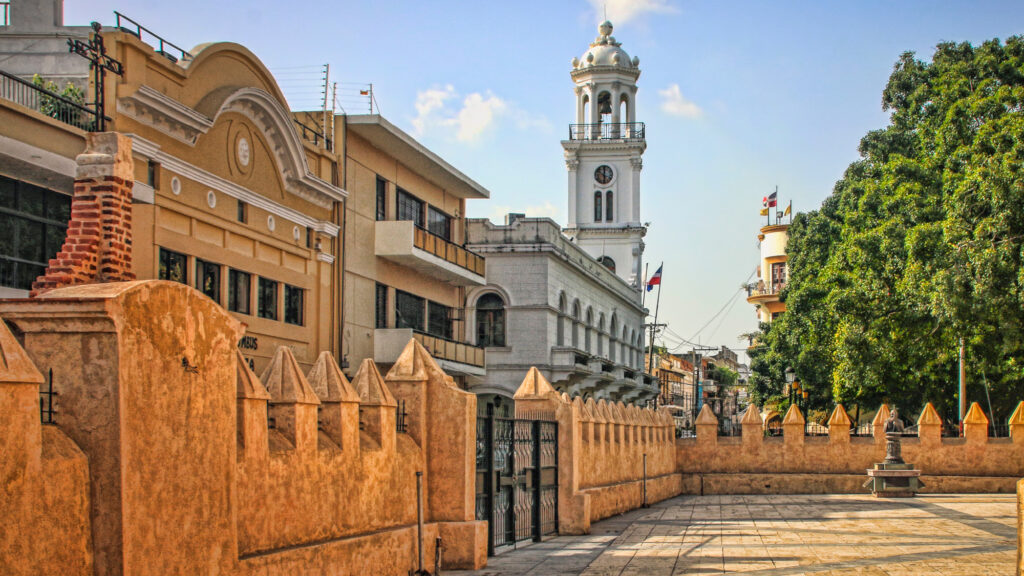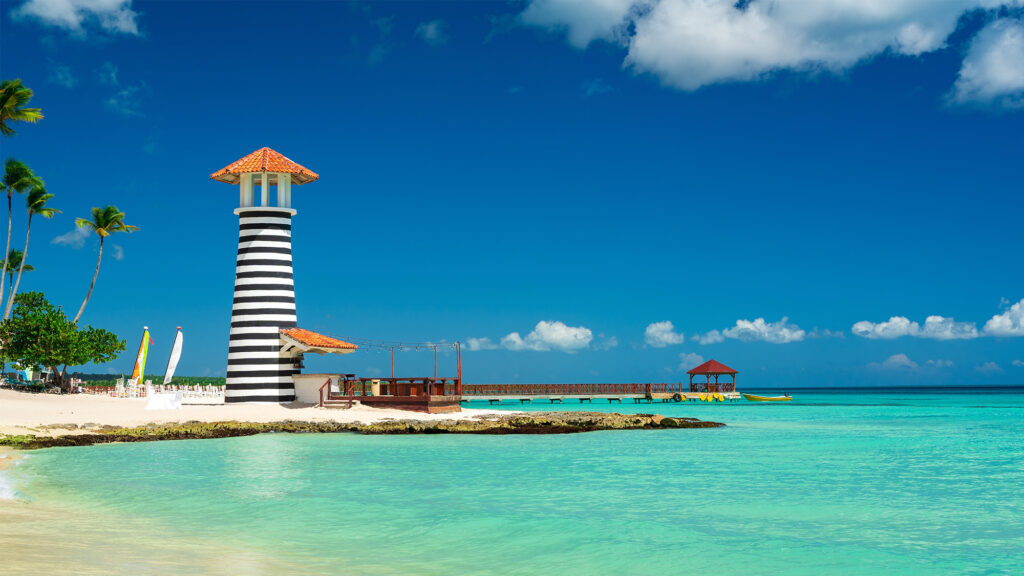
The Dominican Republic, located on the island of Hispaniola, is rich in cultural diversity, shaped by centuries of interaction between African, European, and Indigenous Taíno peoples. While it is primarily Spanish-speaking, elements of Creole culture run deep within its music, cuisine, religious practices, and social traditions, reflecting the blending of different heritages.
Unlike nations where Creole languages developed as distinct linguistic systems, Creole influence in the Dominican Republic is more cultural, seen in folk traditions, religious syncretism, and Afro-Caribbean customs. This makes the Dominican Republic essential to the broader Creole cultural sphere in the Caribbean and Latin America.


African Heritage in Dominican Culture
The African influence in Dominican culture comes primarily from the enslaved Africans brought to the island by Spanish colonists during the 16th and 17th centuries. These enslaved people came from regions such as West Africa (present-day Ghana, Nigeria, and Senegal) and Central Africa (Angola and the Congo Basin), bringing traditions, music, and spiritual practices that blended with European and Indigenous customs over time.
Music and Dance: The Rhythms of Creole Heritage
Dominican music is deeply rooted in African rhythmic traditions, with some of the most popular genres reflecting Creole influences.
- Merengue and Bachata – While these are considered national genres, their call-and-response singing, polyrhythms, and percussive beats directly connect to African musical traditions found in Creole societies across the Caribbean.
- Palo Music – One of the strongest expressions of African heritage, Palo is a percussion-based genre often played during religious ceremonies, festivals, and community gatherings. It resembles Vodou drumming in Haiti and African drumming traditions in Cuba and Brazil.
- Gagá and Salve—These traditional music styles are associated with Afro-Dominican spiritual practices. They incorporate drums, maracas, and bamboo flutes, similar to Creole musical traditions in the French Caribbean and Louisiana.
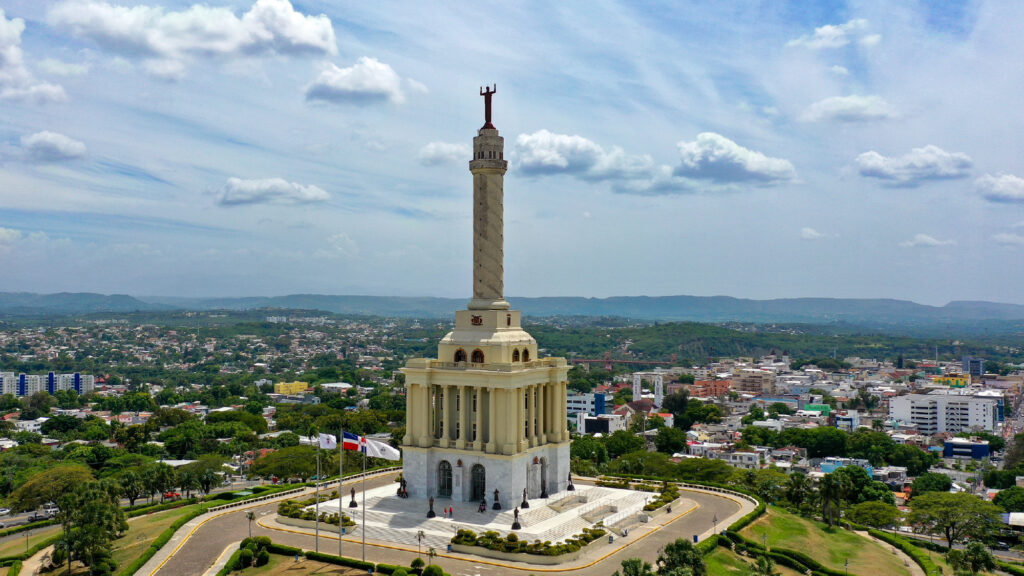
Religious Syncretism: The Blend of African and Catholic Beliefs
Like many Creole cultures, the Dominican Republic has a history of religious syncretism, where African spiritual beliefs merged with Catholicism under Spanish rule.
- Vodou and Dominican Folk Religion – While Haitian Vodou is more well-known, elements of Afro-Spiritual traditions exist in the Dominican Republic, particularly in rural areas. Many Dominicans practice a form of folk Catholicism that incorporates spirit possession, ancestor veneration, and African deities merged with Catholic saints, much like Santería in Cuba or Vodou in Haiti.
- Los Misterios and Las 21 Divisiones – This spiritual practice, also known as Dominican Vodou or Santerismo, shares similarities with Haitian Vodou but has unique rituals, symbols, and spirits, reflecting the island’s blended African and Spanish influences.
These religious practices highlight the Creole nature of Dominican spiritual life, where African, Indigenous, and European elements coexist in daily traditions.
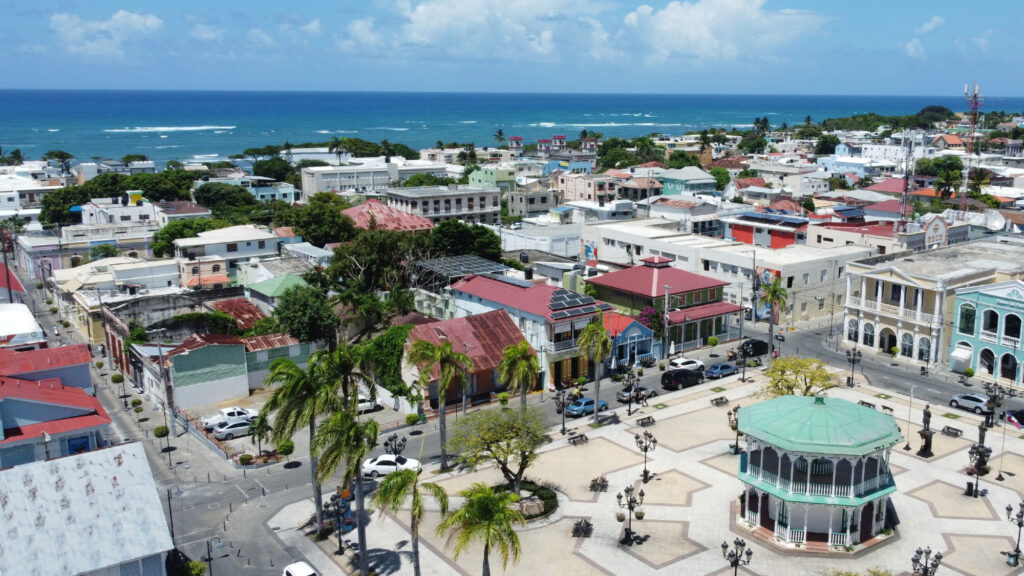
Creole Cuisine in the Dominican Republic
Food is one of the most powerful reflections of Creole influence, and Dominican cuisine is a perfect example of Afro-Caribbean culinary blending. Many Dominican dishes trace their roots back to Africa while incorporating Spanish and Taíno influences, similar to the food traditions in Creole cultures across the Caribbean.
- African-Influenced Staples
- Mangú – A dish of mashed green plantains, similar to fufu, a West African staple.
- Mofongo – Fried and mashed plantains with garlic and pork, a dish originating in African and Indigenous Taíno cuisine.
- Sancocho is a rich, slow-cooked stew with meat, root vegetables, and spices, similar to African and Creole stews like Haitian bouyon and Louisiana gumbo.
- Creole-Spiced Flavours
- Coconut-based dishes, such as fish cooked in coconut milk, are common in Afro-Caribbean Creole cuisines, reflecting African and Indigenous food traditions.
- Rice and beans, a staple of Dominican meals, are a reflection of dishes found in Creole societies in Latin America, the Caribbean, and West Africa.
These food traditions highlight the continuation of Dominican culture’s African and Creole culinary heritage.

Linguistic Influences: African Retentions in Dominican Spanish
Although Spanish is the dominant language, some Creole linguistic influences can still be found in Dominican speech. These influences appear in:
- Vocabulary—Certain words and expressions in Dominican Spanish are believed to have African origins, similar to those in other Creole-influenced Spanish-speaking societies.
- Pronunciation and Grammar—Dominicans drop certain consonants and shorten words in informal speech, similar to the phonetic shifts seen in Creole languages such as Haitian Creole and Papiamento.
Though Dominican Spanish is not a Creole language, it bears structural and phonetic features that reflect the lasting impact of Creole linguistic patterns.
The Haitian Influence on Dominican Creole Culture
Given its proximity to Haiti, the Dominican Republic shares strong cultural ties with its neighbour despite historical tensions. The presence of Haitian migrants and their influence on Dominican society has reinforced Creole traditions in Dominican culture, particularly in music, dance, food, and religious practices.
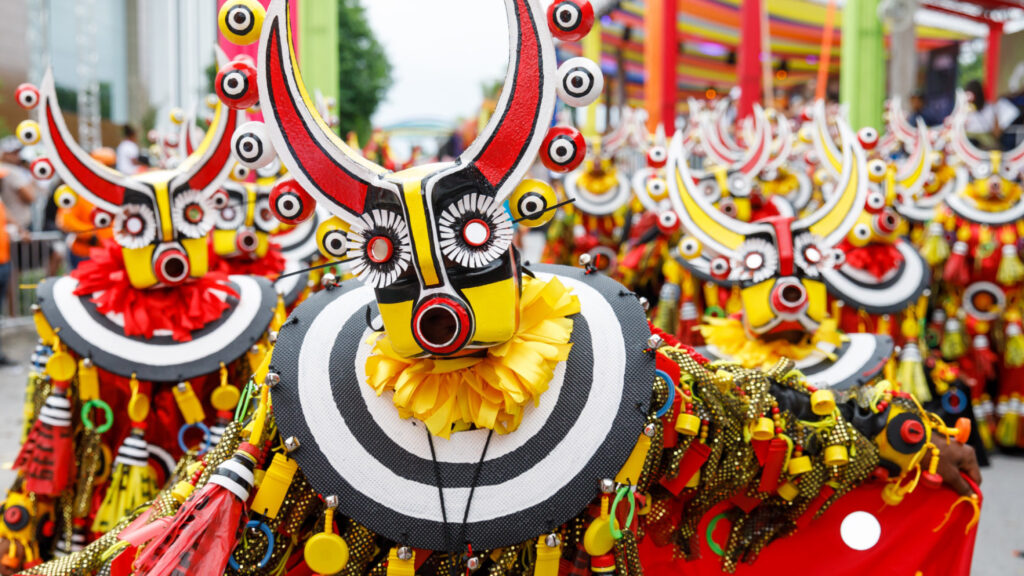
- Gagá festivals – These Haitian-originated music and dance traditions are celebrated during Easter and religious events in the Dominican Republic.
- Culinary exchanges – Haitian-style dishes like diri kole ak pwa (rice and beans) and legim (vegetable stew) have been adapted in Dominican kitchens.
- Haitian Creole influence – Some Haitian Creole words have entered informal Dominican Spanish, particularly in border regions and among communities with Haitian heritage.
Despite political and social tensions, the cultural exchange between Haiti and the Dominican Republic has enriched both nations’ Creole traditions, proving that culture transcends national boundaries.
A Hidden Creole Identity
Although the Dominican Republic does not have a formal Creole language, its culture is undeniably Creole, shaped by the intermingling of African, Spanish, and Indigenous influences. From music and dance to religion, cuisine, and language, the island reflects the hallmarks of Creole societies worldwide.
The Dominican Republic’s Creole heritage is not always acknowledged in mainstream narratives, but it is deeply woven into daily life, traditions, and celebrations. As Creole culture continues to evolve worldwide, the Dominican Republic remains a vital part of the broader Creole cultural sphere, a testament to the enduring legacy of African and Indigenous resilience in the Americas.