

Cape Verde, a stunning archipelago off the coast of West Africa, is a country where Creole culture is not just an influence; it is the foundation of national identity. With a history rooted in Portuguese colonisation, African migration, and transatlantic trade, the islands developed a unique cultural blend, where African and European traditions merged to create one of the most Creole-dominant societies in the world.
Cape Verde is a living example of how Creole culture shapes a nation, from its language and music to its food and customs. The country’s story is one of resilience, creativity, and adaptation, making it a fascinating place to explore the depth of Creole heritage.
A Creole Language: Cape Verdean Kriolu
One of the most potent symbols of Creole identity in Cape Verde is Cape Verdean Creole (Kriolu), an Afro-Portuguese Creole spoken by nearly everyone. While Portuguese is the official language, Kriolu is the true language of the people, used in daily life, music, poetry, and storytelling.
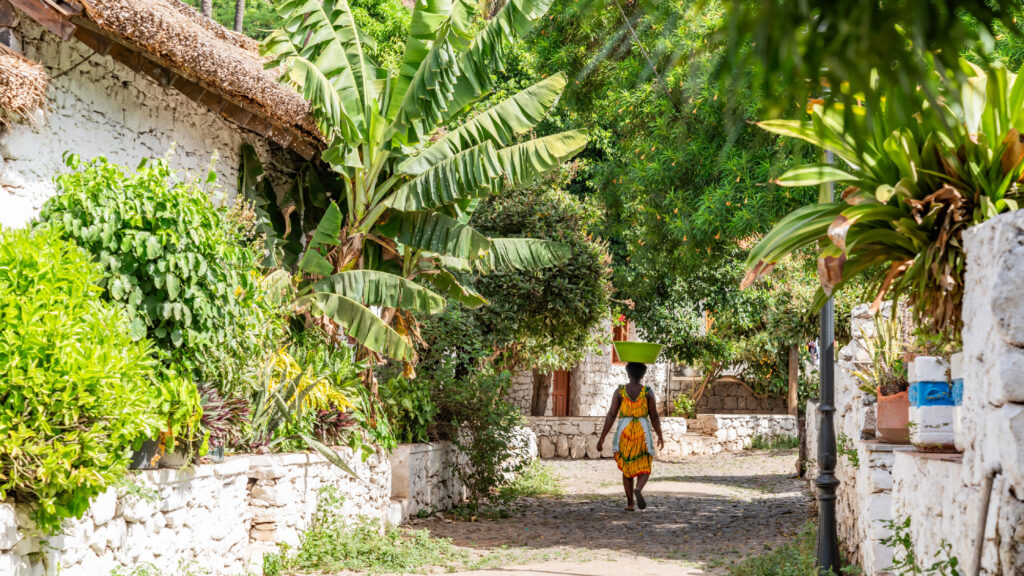
Features of Cape Verdean Creole:
- Portuguese-based vocabulary mixed with African linguistic elements from Mandinka, Wolof, and other West African languages.
- Simplified verb conjugations and phonetic shifts, making it different from Standard Portuguese.
- Distinct regional dialects, with each island having its version of Kriolu, reflecting the diverse influences on each part of Cape Verde.
Kriolu was considered an informal language for centuries, but today, there are growing efforts to standardise it, teach it in schools, and promote it in literature and media. Unlike many Creole-speaking countries, where Creole is seen as secondary, Cape Verdean Kriolu is embraced as a true expression of national identity.

Music and Dance: The Soul of Creole Culture
Cape Verde’s music is one of the most powerful expressions of its Creole identity. Its rhythms and melodies reflect the island’s African heritage, Portuguese influences, and maritime history.
- Morna: The Heartfelt Sound of Cape Verde
- Morna is the country’s most famous music genre, often compared to Portuguese Fado or Brazilian Samba.
- It features melancholic melodies and poetic lyrics, expressing longing, love, and migration—deeply connected to Cape Verdean history.
- The most well-known ambassador of Morna is Cesária Évora, whose music introduced Cape Verdean culture to the world.
- Funaná: The African Pulse of the Islands
- Funaná is faster and more rhythm-driven, with a strong African drumming influence.
- Portuguese authorities once banned it because it was seen as too African and rebellious, but after independence, it became a symbol of national pride.
- Instruments like the accordion and ferrinho (a metal scraper) give Funaná its distinctive sound.
- Coladeira and Batuque: Celebration and Resistance
- Coladeira mixes Morna and African dance rhythms with a more upbeat and festive feel.
- Batuque is one of the oldest musical traditions, originally sung and played by enslaved Africans. It features percussive beats, call-and-response singing, and clapping, similar to Creole traditions in the Caribbean and Brazil.
Music is not just entertainment in Cape Verde—it is a storytelling tool, a political voice, and a spiritual connection to the past.

A Fusion of Flavours: Creole Cuisine
Cape Verdean food is a reflection of the islands’ Creole identity, blending West African, Portuguese, and Brazilian influences into a unique and flavourful cuisine.
- Cachupa: The National Dish
- A slow-cooked stew made with corn, beans, sweet potatoes, and fish or meat.
- It has two versions: Cachupa Rica (rich version) with meat and Cachupa Pobre (poor version) with mostly vegetables.
- It is a dish of survival and adaptation, reflecting the hardships Cape Verdeans faced due to droughts and food shortages.
- Seafood and Spices
- Being an island nation, Cape Verdeans eat many fresh fish, octopus, and shellfish, often cooked in spiced coconut sauces.
- Balchão is a Cape Verdean shrimp dish influenced by Portuguese and Indian spices, showing the islands’ role in global trade networks.
- Portuguese and African Culinary Blending
- Corn and beans are African staples that became central to Cape Verdean food.
- Wine and cheese from the island of Fogo reflect Portuguese heritage.
- Grogue, a strong sugarcane rum, is a favourite local drink, much like rum in other Creole cultures.
Cape Verdean cuisine tells the story of migration, struggle, and resilience, much like Creole food traditions worldwide.
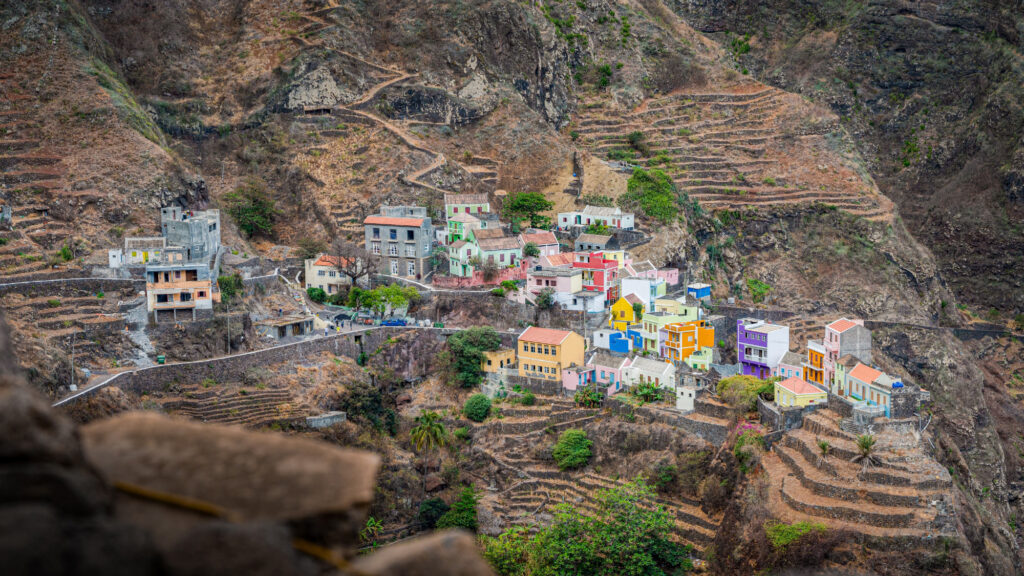
Religious and Spiritual Traditions
Religion in Cape Verde is another area where Creole cultural blending is evident. Most Cape Verdeans are Roman Catholic, a legacy of Portuguese colonisation, but African spiritual traditions remain strong in local beliefs.
- Festa de São João is a Catholic festival with African drumming and rituals, showing how local traditions were adapted to fit Christian celebrations.
- Healing practices and spirit beliefs rooted in West African traditions continue to exist in some rural areas, such as Vodou in Haiti or Santería in Cuba.
This religious syncretism is a hallmark of Creole societies, where different spiritual traditions merge into new cultural expressions.

Migration and Global Influence
One of the most significant aspects of Cape Verdean Creole culture is its diaspora. Because of the country’s limited resources and economic challenges, Cape Verdeans have migrated to Portugal, the United States, Brazil, and West Africa, creating a global Cape Verdean community.
- Cape Verdeans in the US (primarily Boston and Rhode Island) have brought Creole music, food, and traditions abroad.
- Many Cape Verdean migrants send remittances home, helping the economy and maintaining strong ties between the islands and their global communities.
- The preservation of Kriolu, music, and cuisine abroad has ensured that Cape Verdean Creole culture thrives beyond the islands.
This migration pattern is similar to other Creole nations, where people carry their traditions and reshape them in new environments.

A Living Creole Nation
Cape Verde is one of the few places where Creole culture is not just a part of the identity—it is the identity. Unlike other Creole-speaking societies where Creole is seen as secondary to a colonial language, in Cape Verde, Kriolu is celebrated as a national language. Creole customs define music, cuisine, and traditions.
The country stands as a testament to the power of cultural blending, proving that Creole identity is not about being part of one culture or another—but about creating something new and enduring.
Whether through the poetic sounds of Morna, the rich flavours of Cachupa, or the resilient rhythms of Funaná, Cape Verde’s Creole heritage remains a symbol of survival, joy, and connection—uniting its people across islands and continents.
