
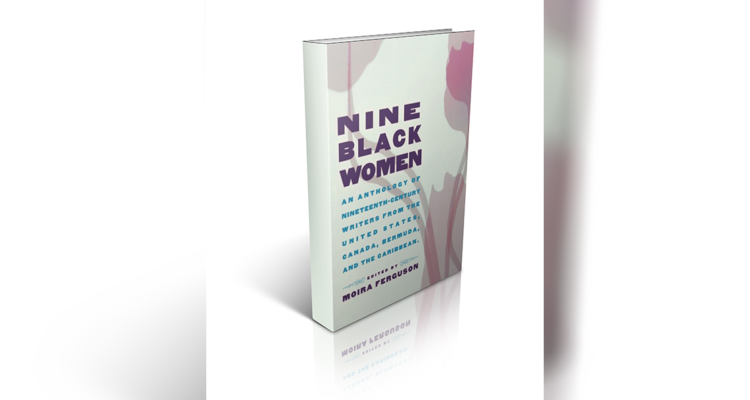
An Anthology of Nineteenth-Century Writers from the United States, Canada, Bermuda and the Caribbean
By Moira Ferguson
Paperback: 296 pages
Publisher: Routledge; 1st edition (22 Jan. 1998)
Language: English
ISBN-10: 0415919053
ISBN-13: 978-0415919050
About the Author
Moira Ferguson is a distinguished scholar and the James E. Ryan Chair in English and Women’s Literature at the University of Nebraska-Lincoln. Born in Scotland in 1938, she has had an illustrious academic career, having lived and worked in London, Washington, and Lincoln, Nebraska.
Ferguson holds a Bachelor of Arts degree from London, England, and a Master of Arts and a Ph.D. from the University of Washington, Seattle. Her career has spanned several prestigious institutions, including the University of Missouri-Kansas City and the University of Nebraska-Lincoln, where she has made significant contributions to English and Women’s Literature.
Her scholarly work focuses on history, slavery, and gender studies, and she is a noted author of several influential books. Some of her notable publications include “Subject to Others: British Women Writers and Colonial Slavery 1670-1834,” “Colonial and Gender Relations from Mary Wollstonecraft to Jamaica Kincaid,” and “The History of Mary Prince, A West Indian Slave, Related by Herself.” Ferguson’s research often explores the intersections of colonialism, gender, and literature, bringing to light previously under-documented texts and contexts.
Ferguson has been recognised with numerous honours, including the Founder’s Award from the American Association of University Women and the YWCA Tribute to Women Award for Arts and Humanities. She also received the Sorenson Award for Distinguished Teaching and the Award for Outstanding Research and Creativity from the University of Nebraska-Lincoln.
In “Nine Black Women,” Moira Ferguson invites readers on an inspiring journey through the lives and accomplishments of extraordinary African American women who have shaped history and culture in countless ways. Through meticulous research and insightful storytelling, Ferguson paints a vivid portrait of nine remarkable individuals, showcasing their resilience, determination, and immense contributions to society.
The book is a unique collection of nine distinct biographical chapters, each dedicated to a different Black woman who has left an indelible mark on the world. Ferguson’s choice of subjects is eclectic, ranging from civil rights activists to artists, writers, and scientists. This diversity is one of the book’s strengths, as it offers a multifaceted perspective on the Black female experience and the myriad challenges these women faced throughout history.
Ferguson’s writing is both engaging and informative. She seamlessly weaves together historical context, personal anecdotes, and the achievements of her subjects. She skilfully humanises these extraordinary women, making their stories relatable and inspiring to readers of all backgrounds. The author’s evident admiration for her subjects is palpable throughout the book, adding a heartfelt and passionate dimension to the narrative.
One of the standout features of “Nine Black Women” is Ferguson’s commitment to highlighting lesser-known figures alongside more familiar names like Maya Angelou and Rosa Parks. By bringing to light the stories of women like Bessie Blount Griffin, a pioneering inventor, and Barbara Jordan, a groundbreaking politician, the book challenges readers to expand their understanding of Black women’s contributions beyond the usual narratives.
However, some readers may find the book’s structure somewhat disjointed as it moves between different periods and subjects. While this approach allows for a broad exploration of Black women’s accomplishments, it can also make the book feel fragmented. Additionally, a more detailed examination of each woman’s life and legacy could have enriched the reader’s understanding and appreciation of their achievements.
In conclusion, “Nine Black Women” by Moira Ferguson is a compelling and essential read for anyone interested in the history of African American women’s contributions to society. Ferguson’s dedication to celebrating these women’s resilience, courage, and excellence is commendable, and her book serves as a valuable reminder of the importance of recognising and honouring their enduring legacies. While the book’s structure may occasionally leave readers wanting more depth, its overall message of empowerment and inspiration shines brightly. “Nine Black Women” is a testament to the strength of these remarkable individuals and their enduring impact on our world.