Congo’s contribution to world culture is often told through its music, the irresistible pulse of rumba, the electric energy of soukous, the legends of Papa Wemba and Koffi Olomidé. Yet there is another story, equally powerful and deeply Creole in spirit: fashion.
In Brazzaville and Kinshasa, fashion is not just clothing. It is philosophy, performance, and protest. It is La SAPE, La Société des Ambianceurs et des Personnes Élégantes, the Society of Ambiance-Makers and Elegant People. Born from colonial encounters, redefined through Creole creativity, and carried to global catwalks, La Sape is one of Africa’s most dazzling cultural expressions.
From Colonial Restriction to Creole Expression
The origins of La Sape trace back to the late 19th and early 20th centuries. In the colonial era, European clothing was a symbol of authority, often restricted to administrators and elites. But Congolese sailors, workers, and traders who travelled to Paris, Antwerp, and the Caribbean returned home with European suits and accessories.
They did not wear them as colonisers did. They reinterpreted them, blending Western tailoring with African rhythm, colour, and vitality. This was the birth of Creole fashion in Congo: a hybrid style that transformed a tool of exclusion into an expression of pride.
The Birth of La Sape
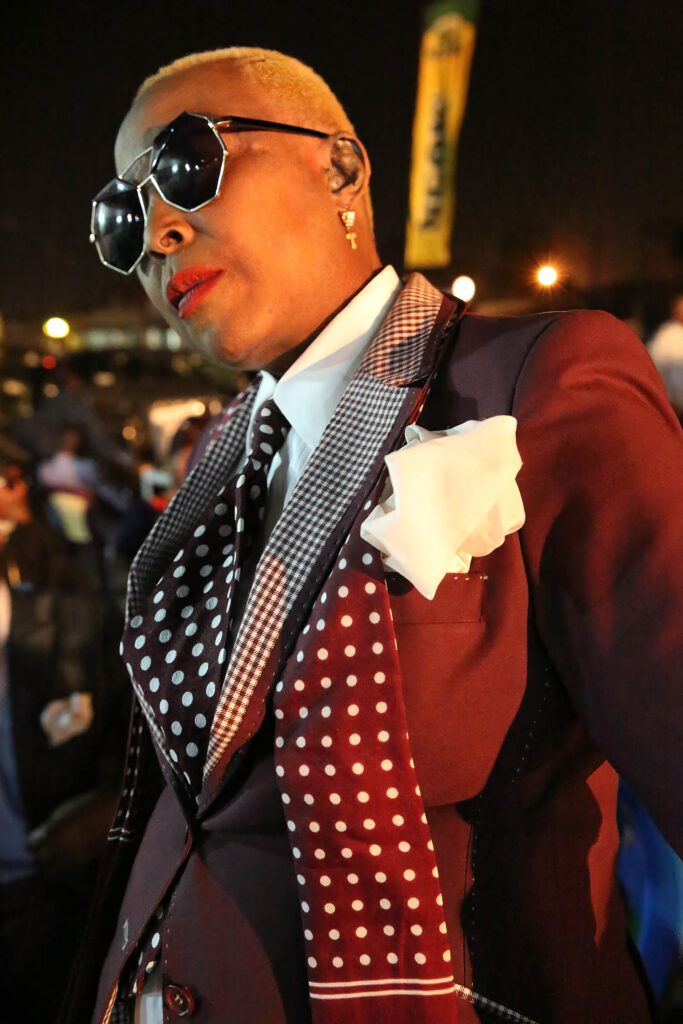
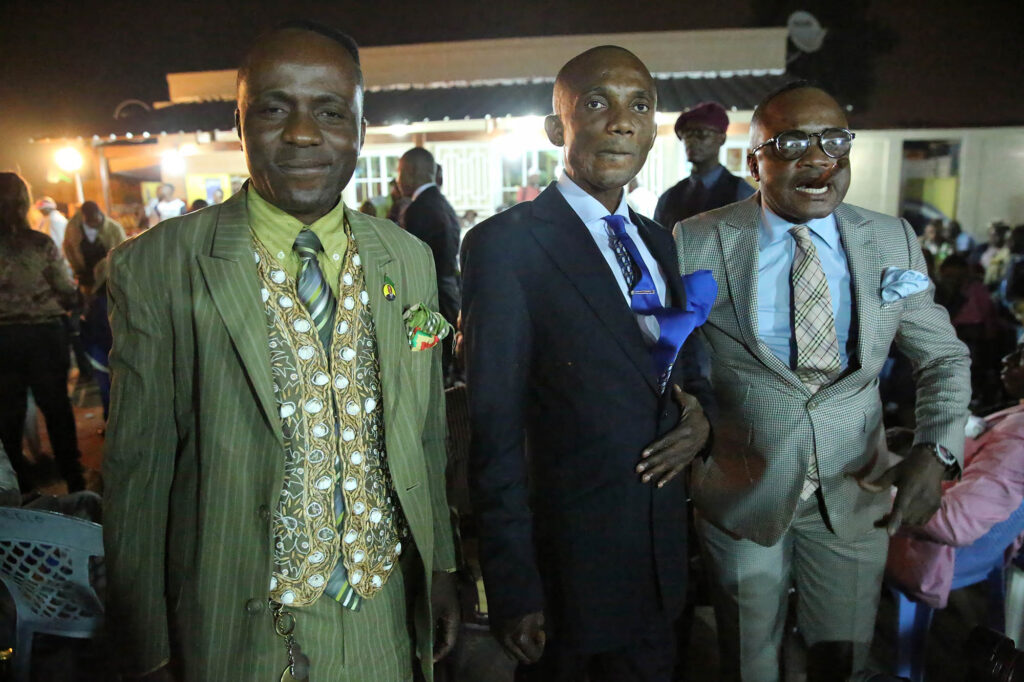
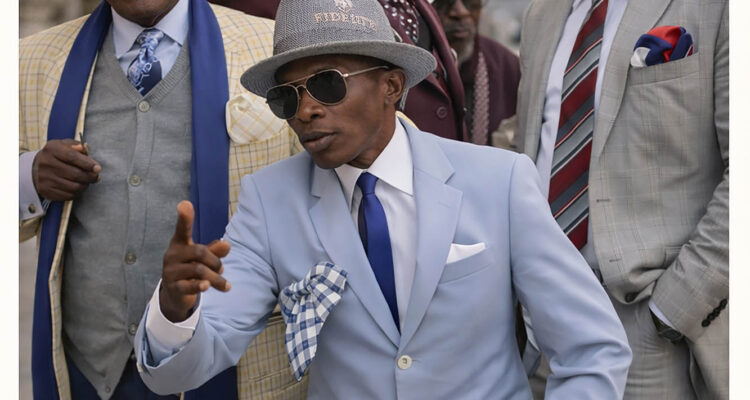
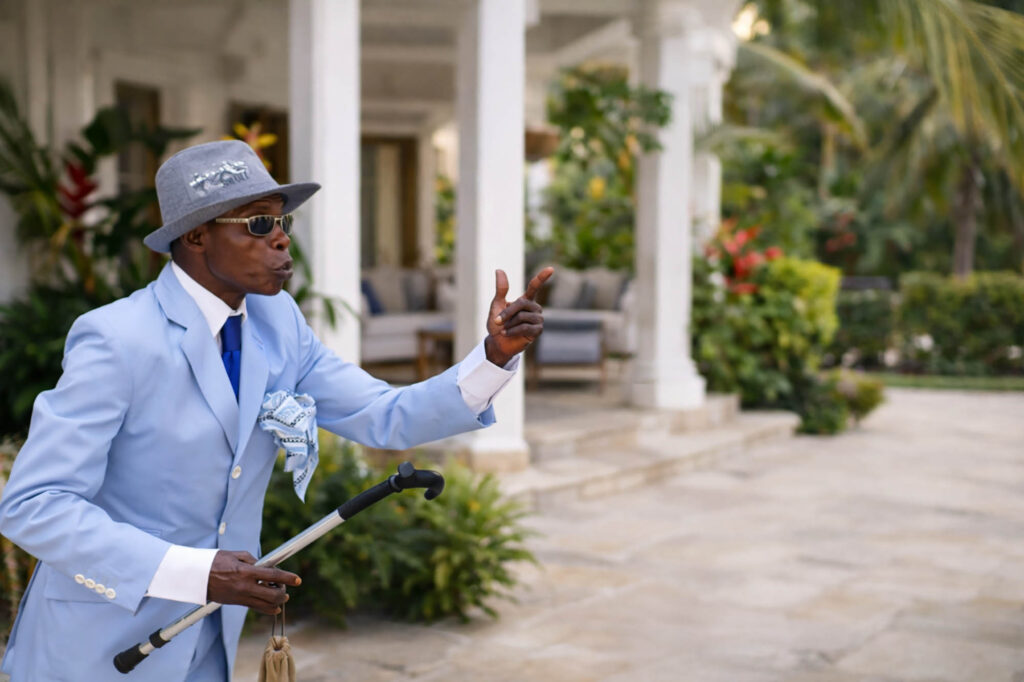
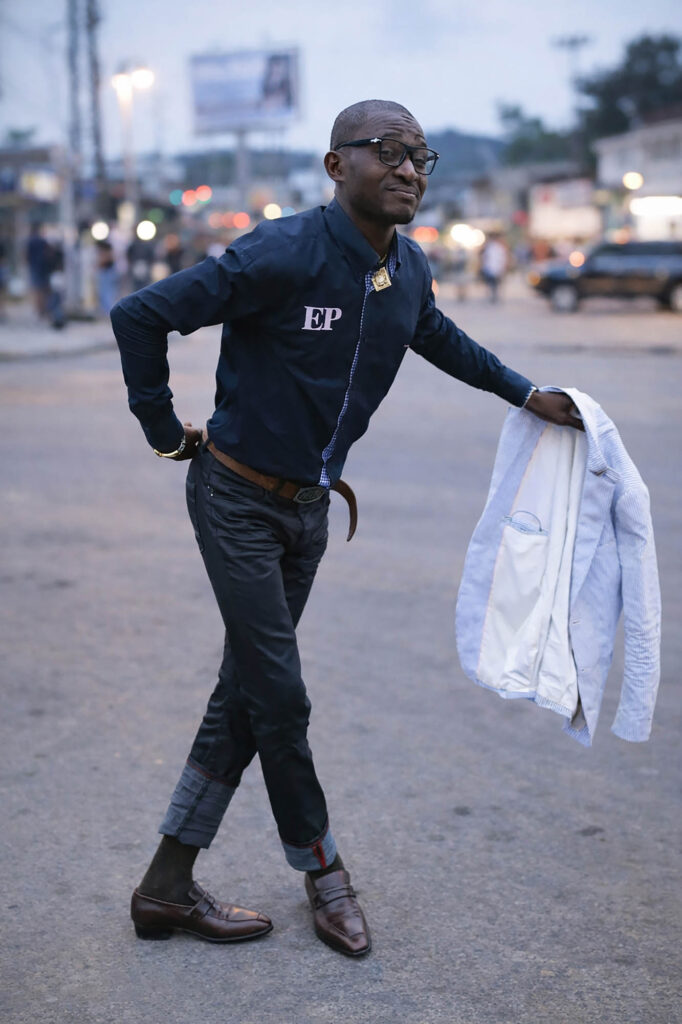
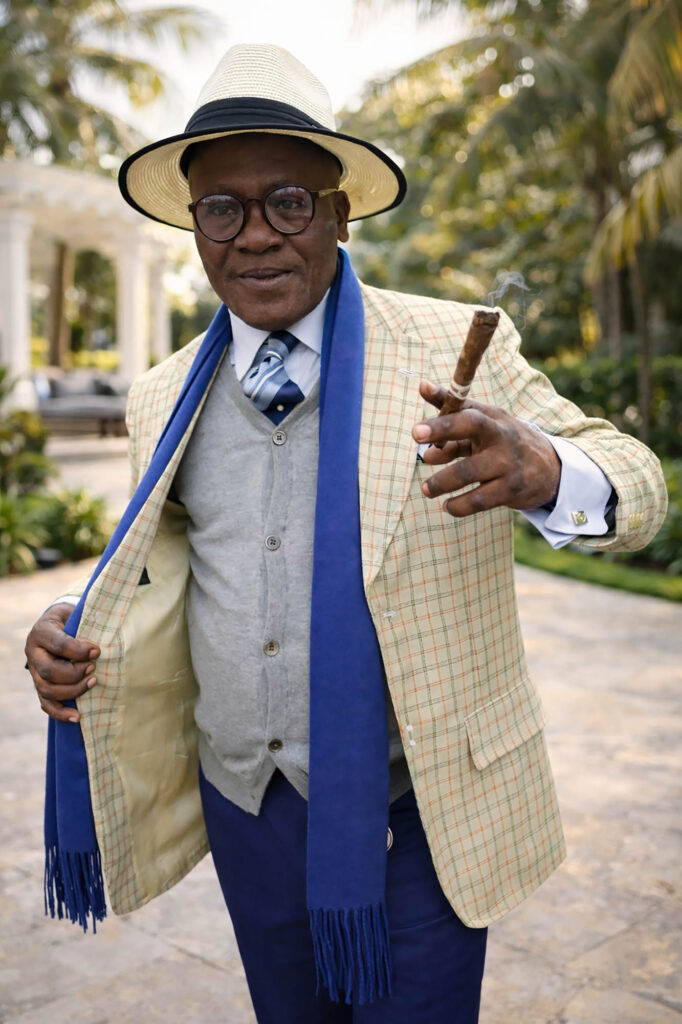
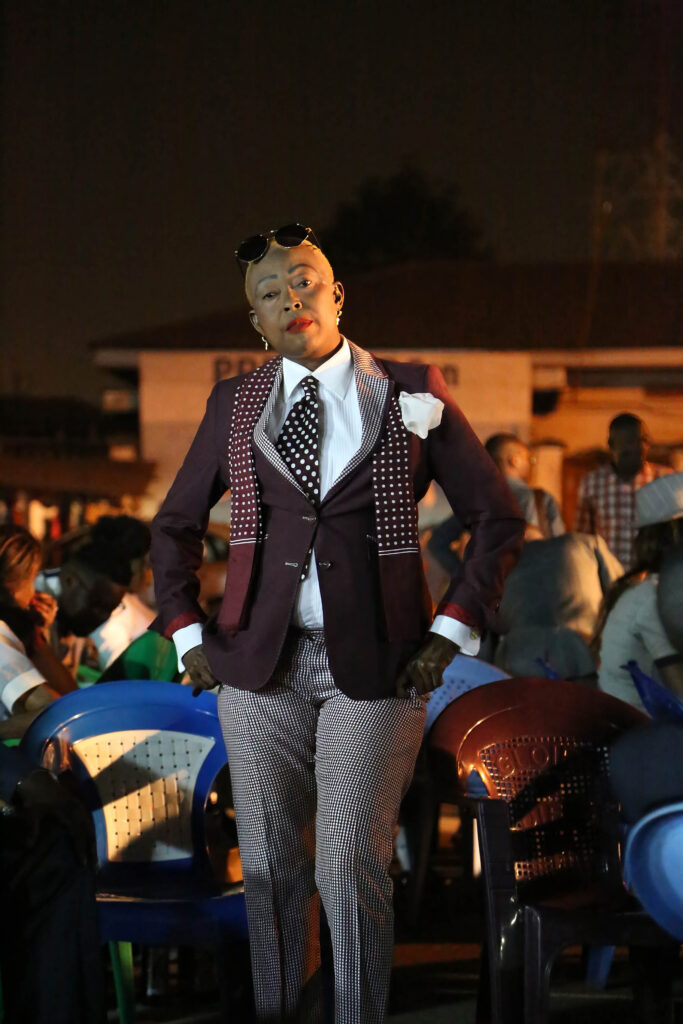
By the mid-20th century, this movement crystallised into La SAPE. Its members, the Sapeurs (and later Sapeuses), became icons of elegance. They were instantly recognisable by their bold suits, flamboyant ties, polished shoes, and silk socks.
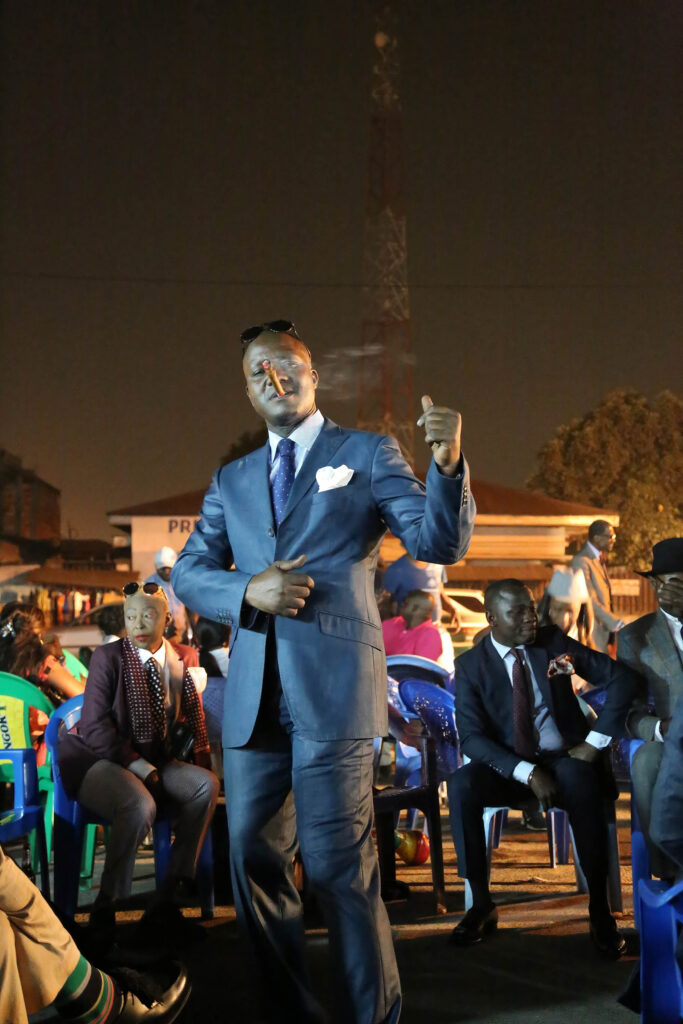
But being a Sapeur is more than wearing a suit. It is about performance. A Sapeur must walk with grace, speak with wit, and carry themselves with dignity. To step into a square in Brazzaville dressed in emerald green or scarlet red is to turn the street into a runway. To attend a dance hall in Kinshasa with a velvet jacket and a cane is to transform the night into theatre.
La Sape is a philosophy: elegance as resistance, style as identity, and joy as defiance.
Papa Wemba and the Music of Style
Fashion and music in Congo are inseparable. The rise of La Sape was amplified by Congolese rumba, a sound born from African rhythms and Cuban echoes.
No figure embodies this more than Papa Wemba, the legendary singer known as the “Pope of Sape.” On stage, he was not only a musician but a fashion revolutionary. He urged young people to embrace elegance, discipline, and refinement. His followers saw him not just as a star but as a style prophet.
Through Wemba, the philosophy of La Sape leapt from Kinshasa to Paris and Brussels, influencing music videos, photo spreads, and youth culture across Africa and Europe.
Women of Elegance: The Sapeuses
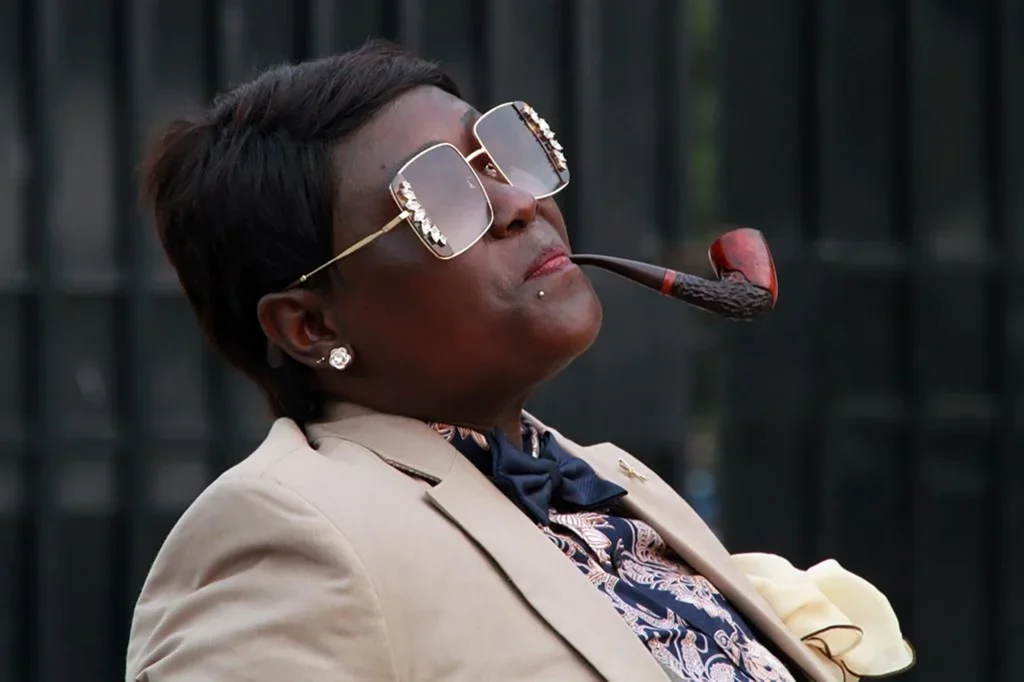
For decades, La Sape was seen as male territory. But women, the Sapeuses, have always been part of the story. Today, they stand centre stage, dazzling with their own interpretations of elegance.
Sapeuses wear sharp suits with bold tailoring, flamboyant hats, or wax-print fabrics cut into couture forms. They redefine femininity through the lens of La Sape: powerful, flamboyant, and unapologetically elegant. Their presence shows that Congolese Creole fashion is not about imitation but about freedom of expression for all.
The Sapeur and the Fashion Houses
For the Sapeur, a suit is never just a suit. It must carry the signature of a great fashion house: Gucci, Armani, Dolce & Gabbana, Moschino, Versace, Yves Saint Laurent.
These labels became cultural trophies, symbols of legitimacy and refinement. To wear Gucci loafers or a Versace tie in Kinshasa was to step into the global conversation of elegance. The paradox was deliberate: even in a modest neighborhood, a man in Armani could carry himself like a duke.
Authenticity is sacred. In the commandments of La Sape, counterfeit clothing is forbidden. Papa Wemba once declared: “Elegance without authenticity is nothing.”
Over time, the relationship grew two-sided. Sapeurs gave free theatre to the brands, turning their streets into living catwalks. International photographers and filmmakers took notice, and soon campaigns by Guinness and Dior showcased La Sape’s brilliance. Even Moschino and Louis Vuitton began to echo Congolese flamboyance in their collections.
Yet Congolese fashion is never passive imitation. By infusing Gucci or Armani with swagger, colour, and Creole rhythm, Sapeurs transformed these labels into something uniquely their own. A Gucci jacket in Milan is luxury; in Kinshasa, it is resistance, pride, and reinvention.
Today, young Congolese designers blend Armani silhouettes with African wax prints, creating a style that is both global and deeply rooted. The dialogue between Congo and the fashion capitals of the world continues, as one of creativity and reinvention.
Diaspora and Global Reach
From Brazzaville and Kinshasa, La Sape spread to Paris, Brussels, and London. In Paris’s Château Rouge district, Congolese Sapeurs became cultural stars, embodying both nostalgia and ambition.
Global recognition followed. International exhibitions, fashion documentaries, and photography projects placed Sapeurs alongside haute couture models. Campaigns by Guinness, Dior, and other brands elevated them as icons of resilience and style.
For the diaspora, La Sape became more than fashion. It was a bridge, a way to remain proudly Congolese while standing tall in Europe’s capitals.
Fashion as Community and Spirit
Unlike haute couture in Paris or Milan, which often celebrates exclusivity, Congolese fashion is communal. A Sapeur dresses not just for themselves but for their community. Their elegance uplifts a neighborhood, inspires children, and sparks joy in the streets.
The Sapeur is an ambianceur, a creator of atmosphere. They embody the Creole spirit of blending, entertaining, and elevating. True elegance in Congo is not arrogance but generosity, not isolation but performance.
Conclusion: Congo’s Gift to the World
Congo’s Creole fashion tradition is more than suits and fabrics. It is philosophy, music, and theatre. It is the transformation of hardship into pride, exclusion into expression, and poverty into artistry.
From the flamboyant suits of Papa Wemba to the Gucci loafers of a Parisian Sapeur, the story is the same: elegance as resistance.
Congo has given the world not only unforgettable rhythms and dances but also a new understanding of fashion. In the stride of a Sapeur, the swing of a Sapeuse’s jacket, and the smile that accompanies both, we see the enduring power of Creole culture, to resist, to reinvent, and to shine.