
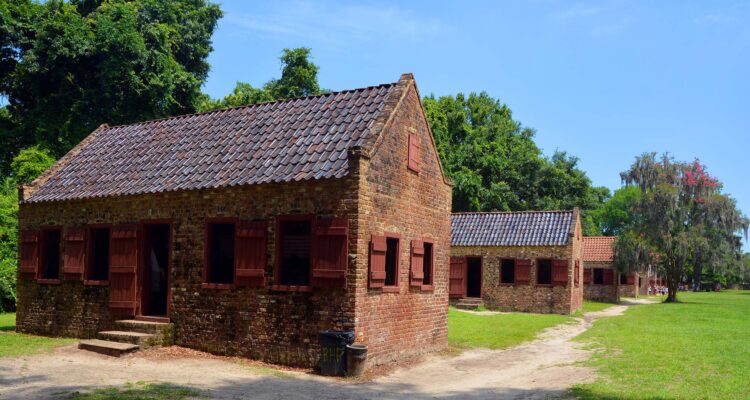
Tucked along the coastal lowlands of South Carolina, Georgia, and parts of Florida, the Gullah region is home to one of the most distinct Creole cultures in the United States. The Gullah people, also known as Geechee in some areas, are direct descendants of enslaved Africans who were brought to the American South’s sea islands and coastal plains during the 17th and 18th centuries.
Through centuries of isolation, cultural adaptation, and resilience, the Gullahs have preserved many African traditions, blending them with European and Native American influences to create a Creole culture that is uniquely their own. From their language and folklore to their music, crafts, and cuisine, the Gullah people have played a vital role in shaping American history and the African diaspora experience.
A Living Creole Language: Gullah
One of the strongest cultural markers of the Gullah people is their language, a Creole tongue known as Gullah (or Geechee). Gullah is an English-based Creole with significant influences from West and Central African languages, including Wolof, Mandinka, Kongo, and Mende.

Key Features of Gullah as a Creole Language:
- Simplified English-based structure with African grammatical influences.
- Unique pronunciation and vocabulary, drawing from both English and African words.
- Strong oral tradition, with storytelling, proverbs, and folk narratives playing a central role.
For example, a Gullah phrase like “E day clean” means “It’s dawn”, reflecting a poetic and rhythmic speech pattern. Another common phrase, “Buh ain’t gwine”, translates to “I’m not going”. These linguistic patterns show the profound African influences within the Gullah language.
Although the number of fluent Gullah speakers has declined, efforts to preserve and revitalise the language have gained momentum. Language programs, cultural festivals, and educational initiatives are bringing renewed interest to this unique Creole tongue.
Gullah Folklore and Storytelling: African Traditions in the New World
Storytelling is at the heart of Gullah culture, serving as a way to pass down history, teach moral lessons, and keep African traditions alive. Many Gullah folktales mirror those found in West Africa, featuring animal trickster characters like Br’er Rabbit, who uses wit and cunning to outsmart more vigorous opponents. These stories were not just entertainment but also a way to teach resilience, cleverness, and survival strategies during oppression.
The famous “Uncle Remus Tales”, popularised by Joel Chandler Harris in the 19th century, were heavily inspired by Gullah oral traditions. However, these stories were often appropriated without recognising the rich Creole culture from which they originated. Today, efforts are being made to ensure that the authentic voices of Gullah storytellers are preserved and celebrated.
Music and Spirituals: The Soul of Gullah Worship
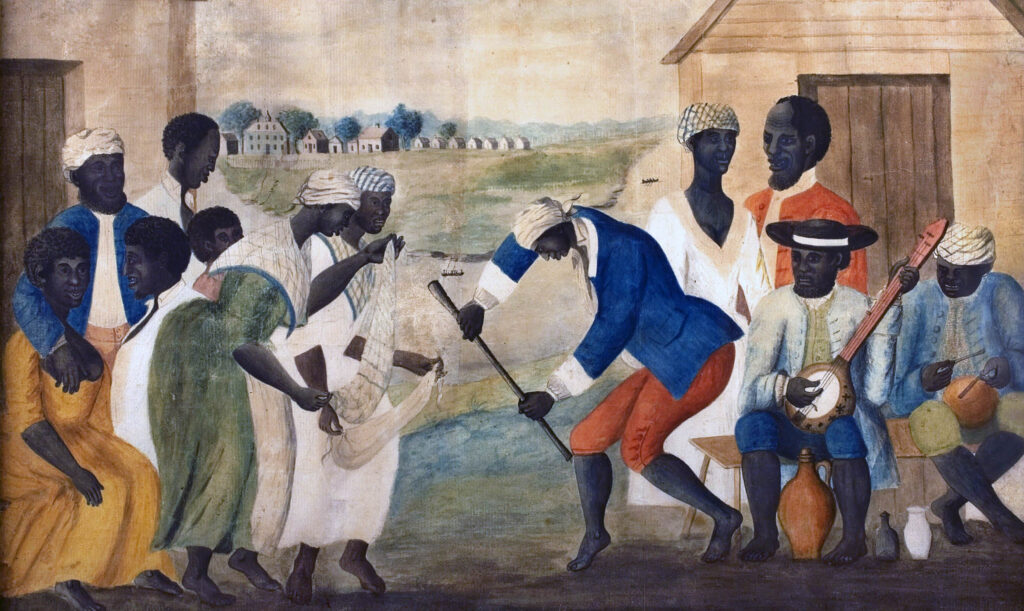
Gullah music is a powerful blend of African rhythms, call-and-response singing, and Christian spirituals, forming the foundation of what would later become gospel, blues, and even elements of jazz.
Characteristics of Gullah Music:
- Polyrhythmic drumming and handclapping, reminiscent of African spiritual practices.
- Call-and-response singing, where a leader calls out a line, and the congregation responds.
- Powerful spirituals and work songs expressing faith, struggle, and hope.
Songs like “Swing Low, Sweet Chariot” and “Wade in the Water” originated from the Gullah and enslaved African communities. They often served as coded messages for escape routes on the Underground Railroad. Today, Gullah choirs continue to perform traditional spirituals, ensuring their cultural and historical significance is not forgotten.
Gullah Cuisine: A True Creole Culinary Tradition
Gullah food is one of the most authentic representations of African culinary heritage in America.
It incorporates ingredients and techniques that date back to West African cooking traditions.

Common Ingredients in Gullah Cuisine:
Rice: A staple crop brought by enslaved Africans with rice-growing expertise.
Okra: Used in soups and stews, similar to West African gumbo.
Seafood: Shrimp, crab, oysters, and fish are heavily featured in coastal Gullah cooking.
Peanuts and Benne (sesame) seeds: Brought from Africa and used in sauces and snacks.
Popular Gullah dishes include red rice (similar to jollof rice), shrimp and grits, crab stew, and Hoppin’ John (black-eyed peas and rice). These dishes showcase the fusion of African,
Native American, and European influences, much like other Creole cuisines in the Caribbean and the Indian Ocean.
Sweetgrass Baskets: An African Art Form in America
Gullah artisans are world-renowned for their intricate sweetgrass baskets, which originated in West Africa and were passed down through generations. These baskets, originally used for winnowing rice, are made using local materials such as sweetgrass, palmetto leaves, and pine needles.
Today, Gullah basket weaving is a celebrated art form. Artists sell their handcrafted pieces at markets in Charleston, Savannah, and other coastal cities. These baskets remain one of Gullah’s most visible symbols of cultural survival and craftsmanship.
Preserving Gullah Culture in the Modern World
Despite its resilience, Gullah culture faces threats from modernisation, coastal development, and cultural assimilation. Efforts to preserve and celebrate Gullah heritage have increased in recent years, with initiatives such as:
- The Gullah Geechee Cultural Heritage Corridor, a federally recognised area spanning Florida, Georgia, South Carolina, and North Carolina, is dedicated to protecting Gullah history.
- Annual Gullah festivals, such as the Beaufort Gullah Festival and the Penn Center Heritage Days, celebrate Gullah music, food, and storytelling.
- Language and historic preservation projects ensure that younger generations continue learning and embracing their Gullah heritage.
These efforts highlight the importance of Creole identity and cultural survival, ensuring that Gullah traditions remain a living part of American history.
A Legacy of Strength and Adaptation
The Gullah people have managed to preserve one of the most intact African cultural traditions in the Americas, maintaining language, food, music, and crafts that connect them to their ancestral roots. Their story is about resilience, adaptation, and survival, making them a vital part of the Creole world.
As Creole cultures across the globe continue to evolve and thrive, the Gullah region remains a testament to the strength of African heritage in the New World, ensuring that the voices of the past continue to inspire future generations.