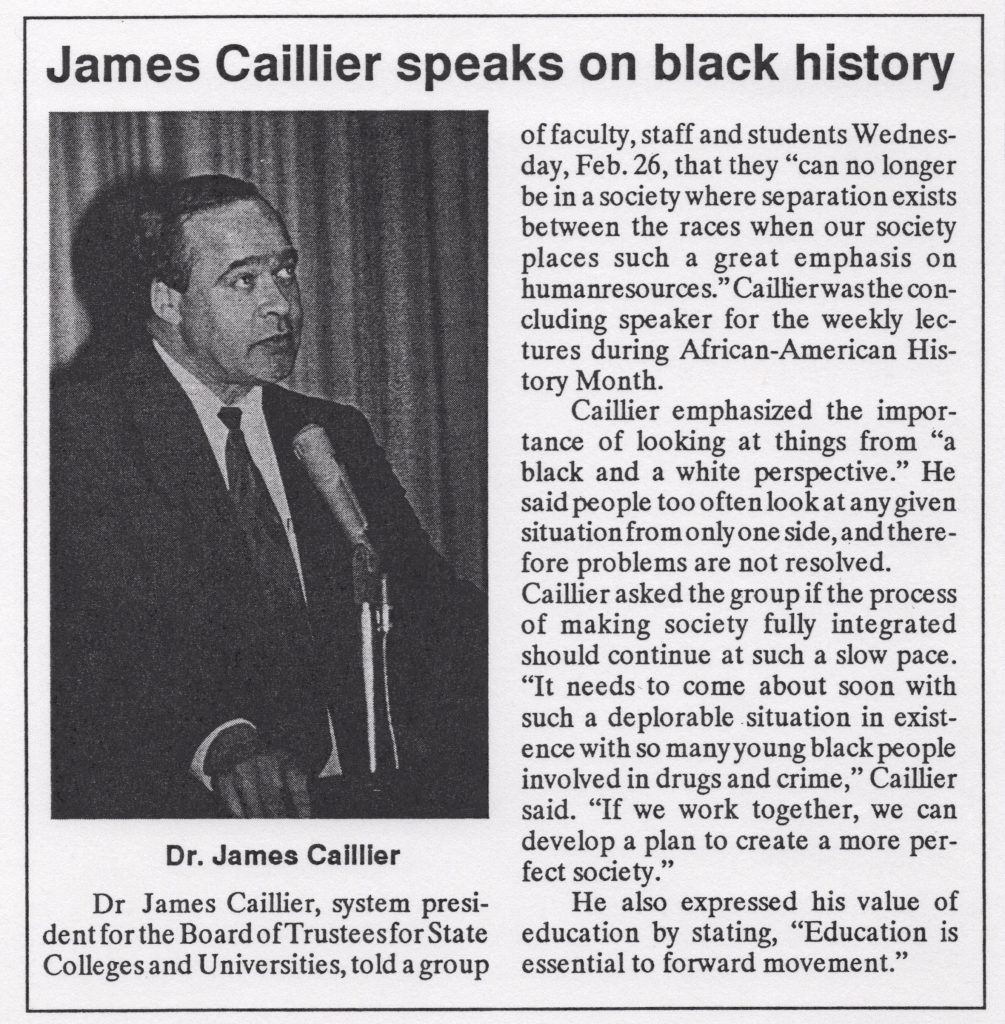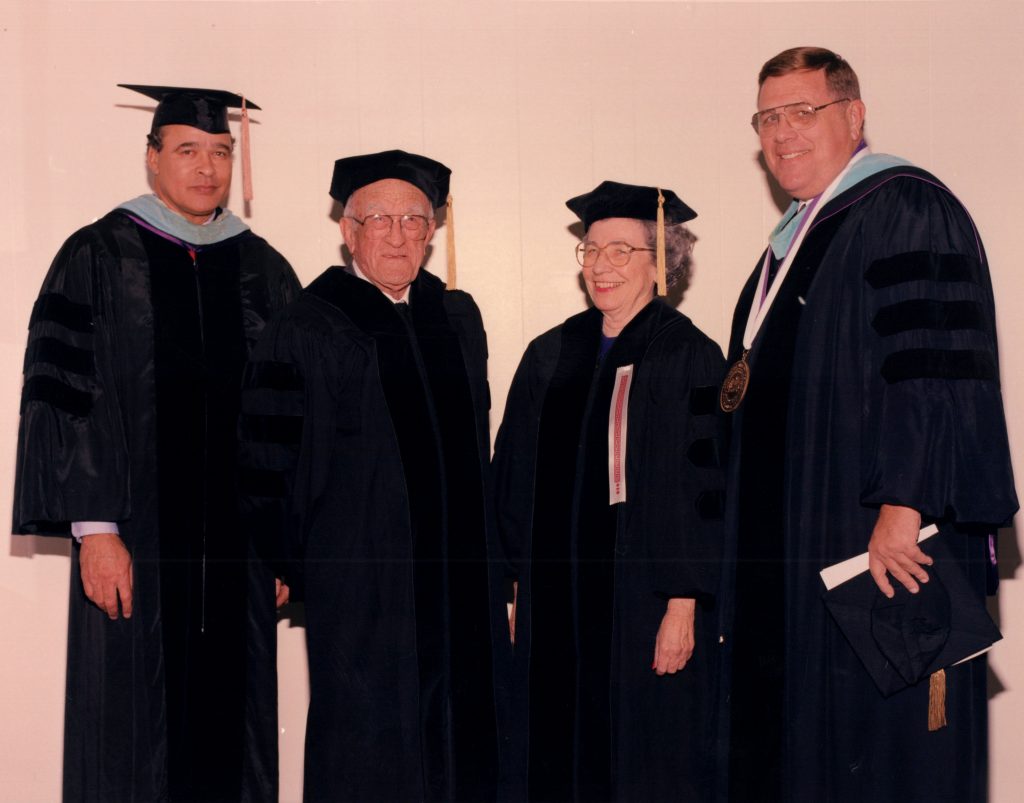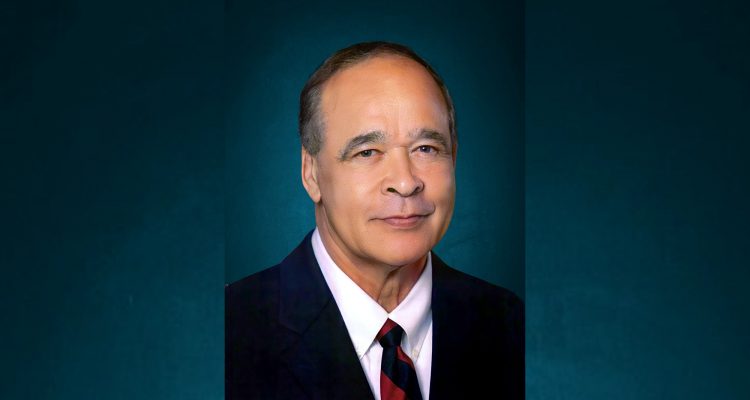
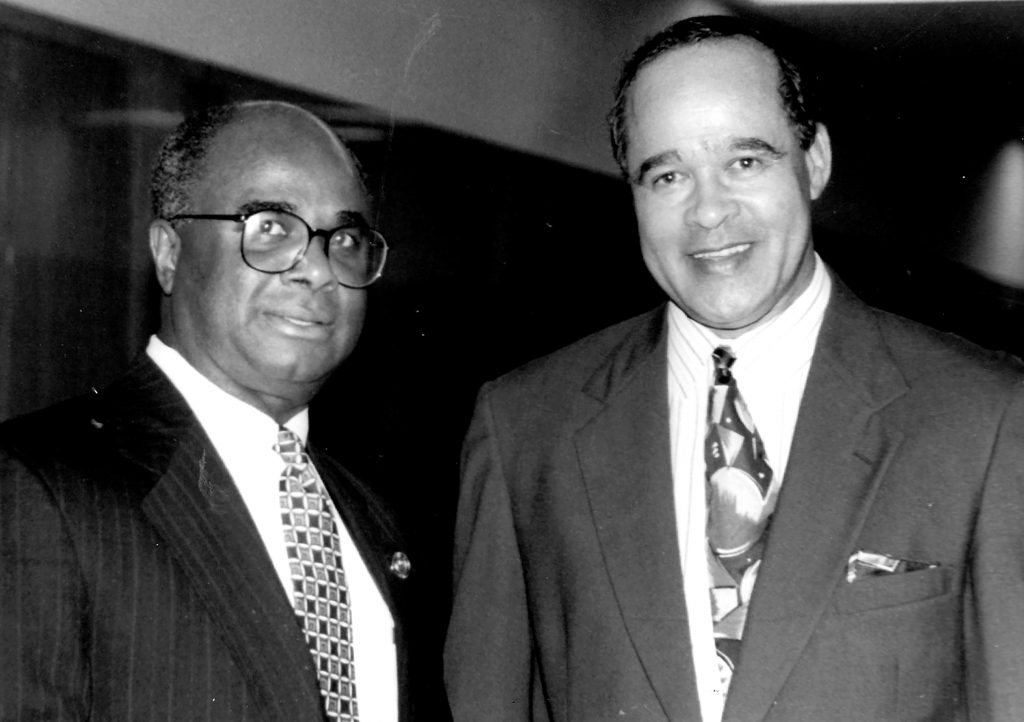
Dr. James Caillier is a kindly, learned man with an almost regal countenance and effortlessly exudes a powerful, magnetic combination of humility and tranquillity. With his prominent, chiselled cheekbones, gently undulating hair and light-skinned complexion, he could easily be the dashing protagonist in an Archibald Motley, Jr painting.
His compassionate, dignified and statesmanlike demeanour denotes a man of fierce intellect, moral courage and unimpeachable integrity. For over half a century, Dr. James Caillier has been a living testament to the transformative power of knowledge, learning and education to change lives for the better, tangibly improve underprivileged communities’ fortunes and fulfil untapped human potential.
A former chancellor of Delgado Community College (Louisiana’s oldest and largest community college) and President Emeritus of the University of Louisiana, not to mention the first Black President of the Louisiana University System, Dr. Caillier is a crusading champion of human liberation through education. He is a man who has tirelessly fought for over two decades to provide much-needed educational opportunities to the disadvantaged through his position at the helm of the Patrick F. Taylor Foundation – a life-changing, philanthropic non-profit organization which works to ensure that the most vulnerable in society – especially those who cannot afford to pay school fees – can obtain scholarships to pursue their higher education.
A tireless defender and dedicated uplifter of poor people, Dr. Caillier is a staunch, fearless and eloquent advocate of the precept of “education for liberation,” seeing education as a panacea which can raise anyone out of poverty and give them a decent chance in life – especially the opportunity to overcome the problematic, straightened material circumstances into which many are born.
In short, he is both an educational visionary, a dyed-in-the-wool humanist and a pillar of the African-American community – and one whom the people of Louisiana – both black and white – are inordinately fortunate to have on their side, fighting their corner and enabling them to prosper and flourish.
James Caillier – Upbringing
Dr. Caillier was born in Lafayette, Louisiana, one of ten children. The priceless value of education was instilled in him from an early age and throughout his childhood. Hailing from a family of land-owning Creole “small truck, vegetable farmers” from Scott, Louisiana, his father continually stressed the importance of education in escaping the bondage and vicissitudes of the soil. As he recounts proudly, “My daddy would tell us all the time, “You can’t survive on this. You’ve got to get out of here. You’ve got to get an education.”
Whilst it is a familiar, age-old and wholly universal story – and one especially common for poor black people in the South – the trope of escaping rural poverty through education and of thus achieving intellectual fulfilment, material betterment and social advancement is nonetheless one which is still incredibly poignant and moving to hear, as he relates it in impassioned tones.
He continues, recalling his father’s noble desire for his children to escape the tyranny of an agricultural existence and the demanding manual labor that farming entailed, “I was the first in the family to go to college. And he (my father) said, “That is what I want. I want you to get out of here.”
As such, Dr. Caillier’s childhood was far from some rural idyll. Instead, it was a tale of rural poverty, economic hardship, and learning to fend for himself from an early age. Since his father was also an employee of Southern Pacific Railroad, he would often be obliged to leave on Sunday mornings to go and work and would only return home on Friday nights. Thus a young Dr. Caillier would be entrusted to take care of the farm for days at a time, all on his own. As he recounts in a matter-of-fact tone, devoid of any kind of pathos or self-pity, recalling episodes which today might seem not only draconian but downright dangerous, “I was a six-year-old, walking behind two mules in a field farming, because that was our means of survival.”
But despite the numerous privations he endured, his rural upbringing taught him many valuable life lessons. One seminal piece of advice that his father regularly imparted to his children was the importance of self-reliance and financial independence. As Caillier relates, proudly recalling his father’s prescient vision of the best way to achieve worldly success, “We did not depend on anybody for anything. He was strict on that. He said, “If you are going to make it in the world, you have to make it on your own. You cannot depend on anybody.”
Dr. Caillier eulogizes his father’s laudable ability to be forward-thinking, despite his own lack of education. He states, “Although he had only a third-grade education, he was a very intelligent man who got his kids to take another route and to not stay on the farm because he was smart enough to know that was not a future for his family.”
Dr. Caillier continues, conscious of his poor, black, rural Louisiana roots, heralding these formative experiences as instrumental in developing his own consciousness and outlook on life. “So I developed an appreciation that I wanted to remember where I came from and remember my history and that it was important to try to give something back. My father believed in that very strongly.”
Moreover, Dr. Caillier’s father shared with his son the benefits of providing compassionate but incentivized assistance – of helping people to help themselves, not making them reliant on charity, but instead assisting them to work for themselves and thus make their living. He said, “When you see a poor man, try to help him – do not turn your back. But also try to get him to be independent. Do not allow him to come here and get vegetables every day, and he doesn’t work. Have it such that he is doing something. If he doesn’t have a job, make him work in the field.” As he concludes this reminiscence of his father, Dr. Caillier states, “So that was his thing, that you had to earn your way in life.”
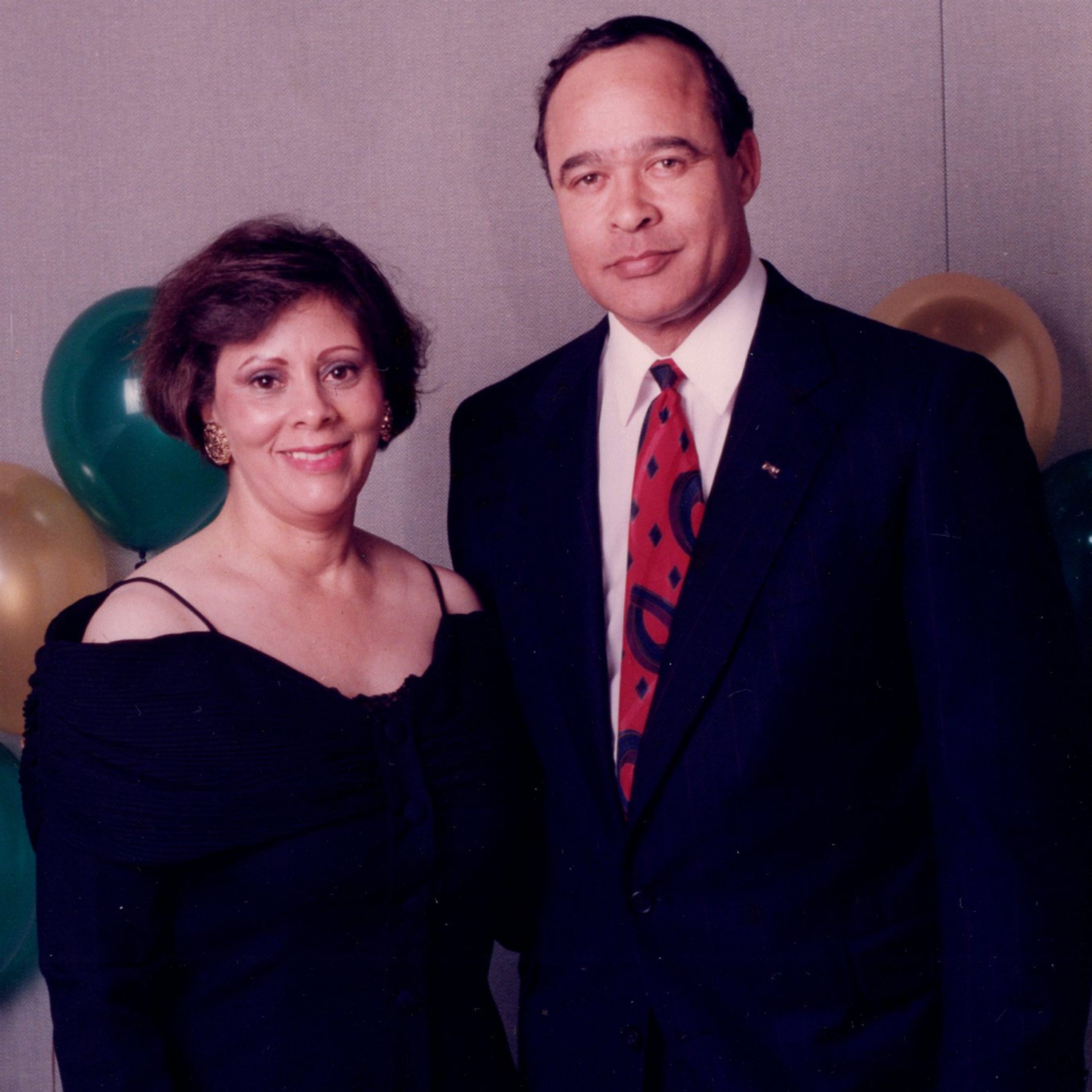
With his siblings now living as far and wide as California and Hawaii, it is evident that they all heeded their father’s sage advice, were independent from an early age and earned their own way in life. With a discernible tone of wholly merited parental satisfaction and pride in his voice, he says, “With the support of my wife, Jerri, all our three children have PhDs
The Need to Acquire Land
Another truly enlightened and far-sighted paternal appeal – and one which Dr. Caillier, like his siblings, dutifully followed to the letter – was to purchase land. As he recounts, perhaps somewhat echoing the infamous American Civil War order for “40 acres and a mule” to be allotted to freed black families, “My dad always said, “Man, get some land. You have got to have your security. You have got to have your own place.” Clearly, Dr. Caillier’s father – self-taught and a master of self-reliance -knew of what he spoke and would be proud of his son for having heeded his advice.
On his Creole Heritage and Identify
Reflecting on how his Creole upbringing shaped him, he states, “The Creole model was to help the kids to be better.” It is evident from such pronouncements that Dr. Caillier prides himself on his Creole heritage and that being Creole is a vitally important part of his racial and cultural identity – something he is both grateful for and sees value in.
Commenting on the many names – and multiplicity of (at times complimentary, at other times conflicting) identities associated with being Creole, he states, visibly pensive, “Some call themselves Creole, some call themselves African-American, some call themselves black, and some call themselves mixed race.” As if to paraphrase that memorable line from Shakespeare’s Romeo and Juliet, “What’s in a name? That which we call a rose by any other name would smell just as sweet,” he implies that one’s racial identity should not be defined by such arbitrary linguistic labels.
Recalling the happy days of his childhood, the tightly knit Creole community of which he was a part, and the precautions taken to ensure that endogamy was not practiced, he recalls, “There were many Creole villages in south Louisiana. On the weekends, to keep from marrying within our little community, we would go to those little villages to meet people, and they would have dances and social activities built around the Catholic church.”
At that time, according to Dr. Caillier, there was a heavy Catholic influence on Creole culture, particularly Creole values. “Because all the Creoles had something about the value of work, ownership, family, and religion, and the Catholic church was the foundation for that basis, so we developed that unique kind of sense of responsibility, community, and desire to make life better than we had it.”
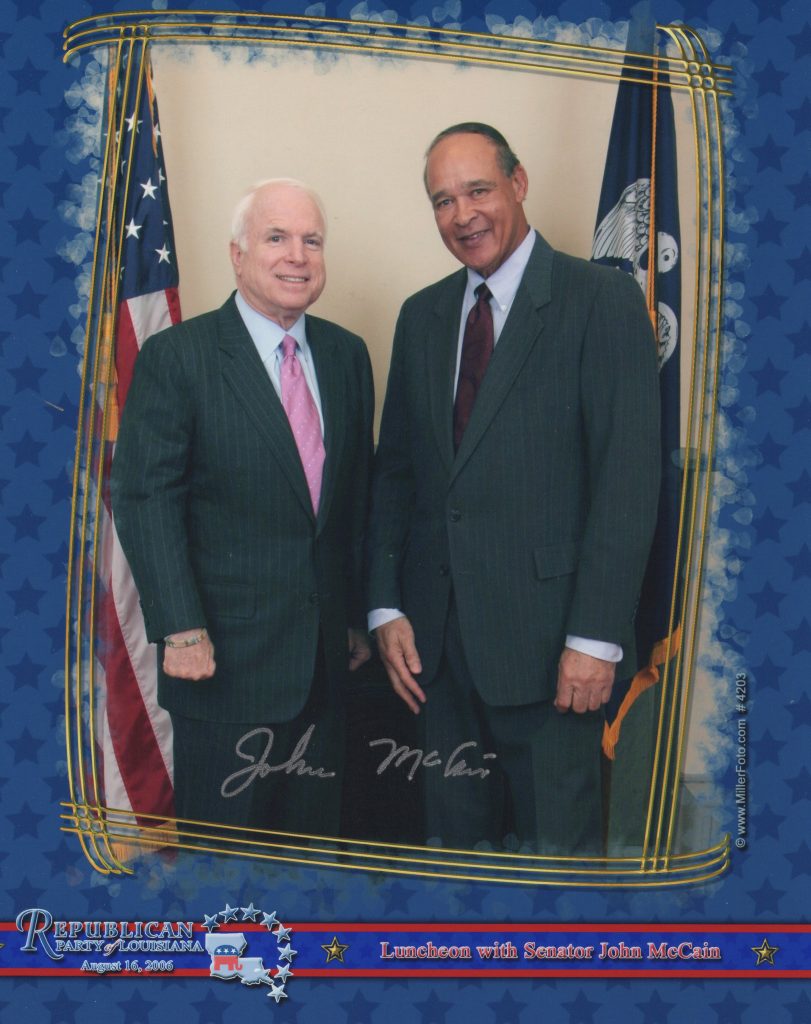
Education
Dr. Caillier received his education at the Immaculate Heart of Mary Roman Catholic school in Lafayette, Louisiana, which had been established in 1934. As he points out, “That is in a Creole parish.” He adds, “It was also where the first four Black priests who were ordained in the United States created that church.”
Awareness of racial segregation directly influenced his adult self and his compassionate, humanistic vision of actively wanting to look out for and to help others. As he readily explains, with a keen sense of purpose and perhaps even the notion of answering a higher calling evident in his voice, “All my life has been an answer to the question, how can we make life better for the less fortunate?”
In terms of his education, Dr. Caillier received a Bachelor of Science degree from the University of Louisiana in Lafayette (with a minor in Mathematics) in 1964, a Masters’s Degree in Chemistry from Southern University in Baton Rouge in 1968 and a Doctorate in Education from Louisiana State University in 1978.
As a result of his own experiences, Dr. Caillier’s message on the importance of education in escaping poverty is unnervingly potent. It is also enduringly relevant and worthy of a large audience, especially now as we enter a period of global economic uncertainty. He unequivocally draws the explicit parallel between education and freedom: “I tell the kids, education is the only way out. If you are educated, you are free, and you have options. But if you are not, you don’t. And if you are not educated, it is difficult to get a job because of the fact that technology has changed.”
Career Prior to the Taylor Foundation
Dr. Caillier did several jobs before and after university, but working in education to help the underprivileged was always his passion and true calling. As he relates, he knew early in his career how he could affect the most change to reach more people. “I worked for a while before going to university. I worked in the non-profit sector. But my deeper interest was to get an education in order to work at a higher level. I thought I could make a greater impact there and try to change some of the policies so that people of colour and people on low incomes could have a better future.”
Dr. Caillier began his distinguished professional career in 1964, working for the Lafayette Parish School System. In 1970, he was appointed Assistant Professor and Director of the Division of Special Services, then Director of the Junior Division, and later to Dean of the College of General Studies at the University of Louisiana at Lafayette. After becoming a full professor, he was appointed Vice President of Administrative Affairs.
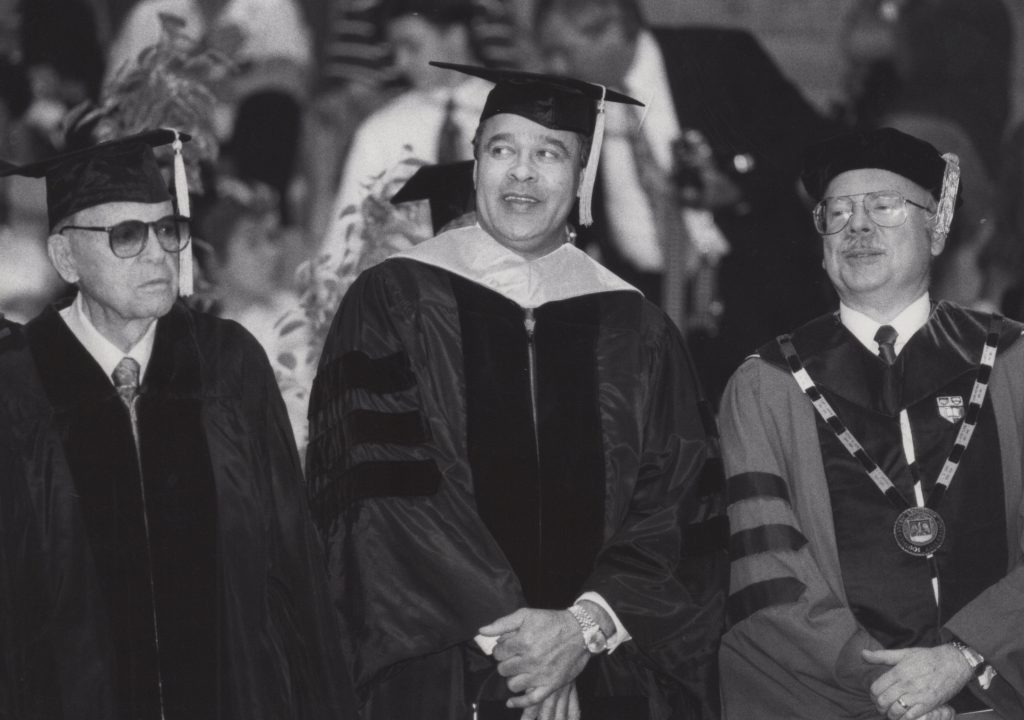
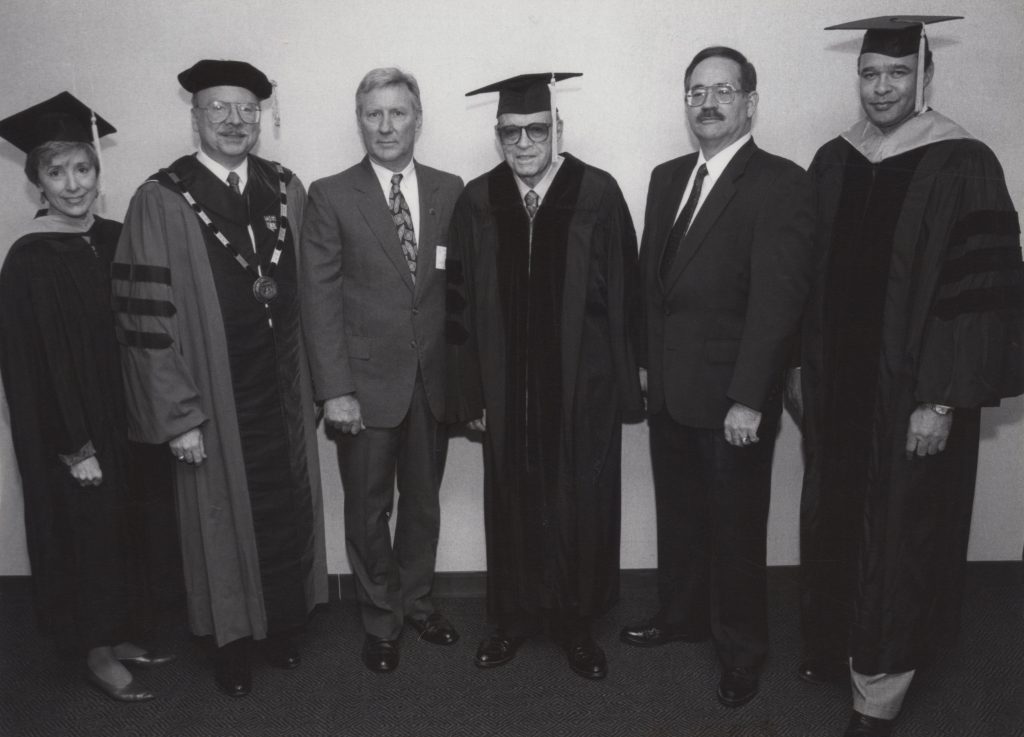
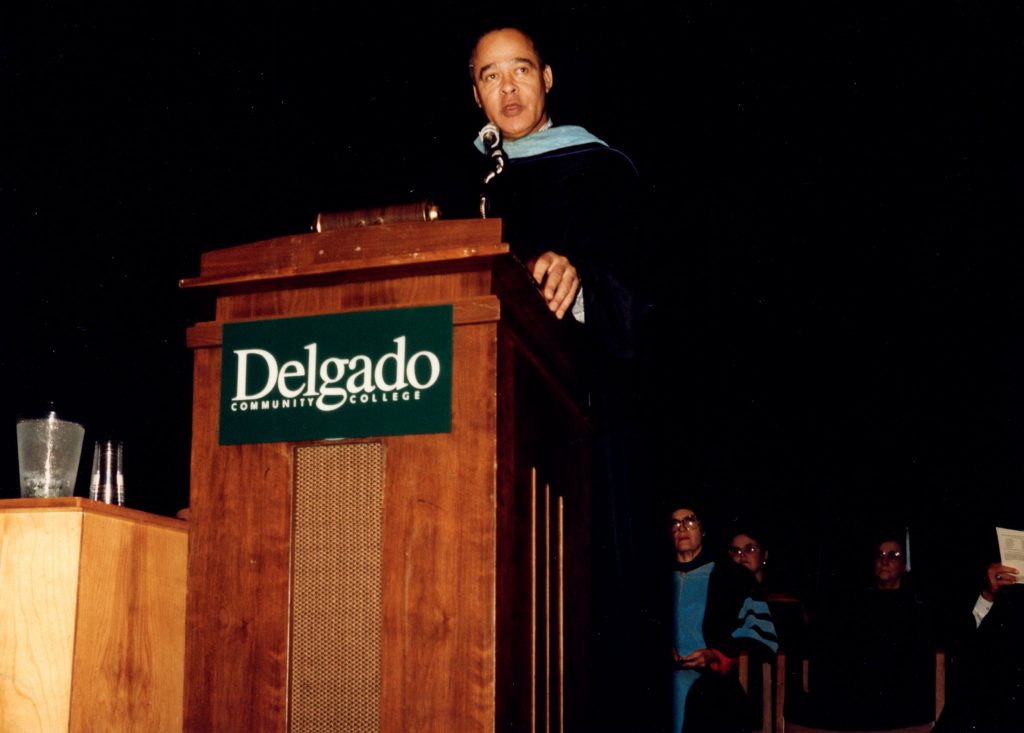
In 1988 he became President of Delgado Community College in New Orleans. He has increased the college’s enrollment from 5,000 to 16,000 students during his tenure. Dr. Caillier remained there until he was appointed President of the State Colleges and Universities of Louisiana System in early 1992 – a role in which he duly served until his retirement in 1999.
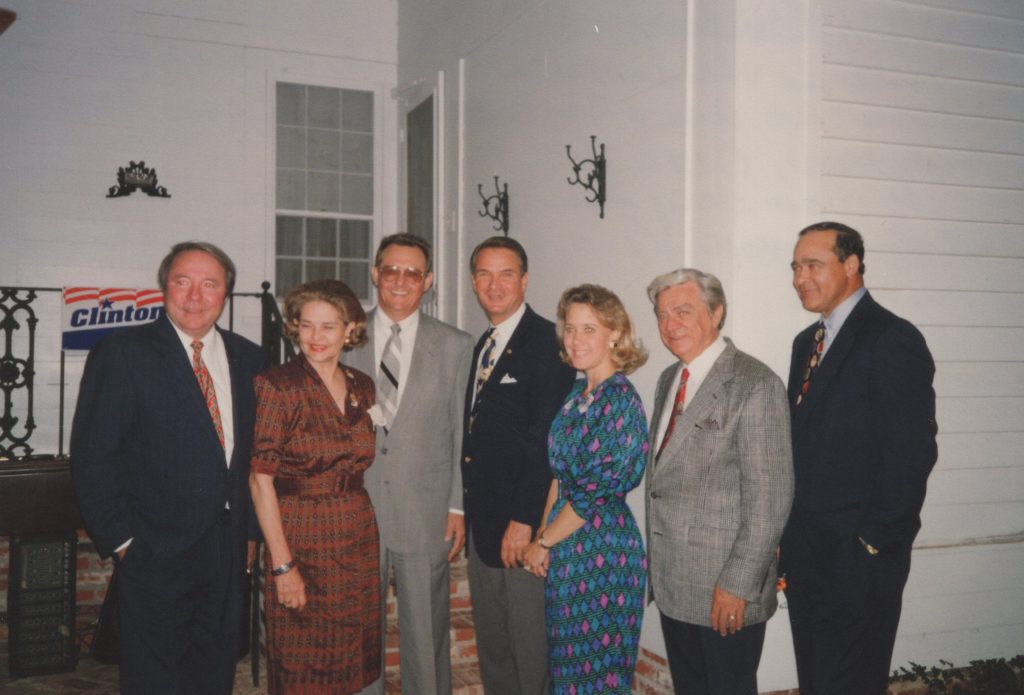
Patrick F. Taylor Foundation
Since 2000, Dr. Caillier has been the Executive Director of the Patrick F. Taylor Foundation – a philanthropic non-profit organization established in 1987 and based in New Orleans which seeks to “enable individuals to realize their full potential and maximize their contributions to society” by funding graduating high school students through university, based on financial need and academic performance. Articulating the central tenet of charity, he states, “Our basic philosophy is that anyone can go to college and anyone can get a good education if they work hard. Moreover, money should not be an option.”
Genesis of the Foundation
In 1955, Patrick F. Taylor, a young Texan of humble means, was given the opportunity to attend Louisiana State University tuition-free. He subsequently graduated with a degree in Petroleum Engineering and nurtured a desire to ensure all young people could obtain a university education, which he had enjoyed. In essence, Taylor believed that all academically-qualified students deserved the opportunity to attend college, regardless of their families’ financial situations.
When asked how Taylor came to set up the Foundation, Dr. Caillier reminisces fondly, “He came to me, and he said, “I want to do something. I do not have any children. What can I do?” And I said, “Well, why not promise young people that if they do well in school, you will pay for their education.”
As Dr. Caillier explains his benefactor’s rationale behind his generosity, one can almost discern the gratitude in his voice for having had such a serendipitous encounter with Patrick Taylor. “Taylor said, “I paid for my way, and I do not have any kids. I want it all to go back to try to help those that did not have the opportunity that I had.” As Dr. Caillier recalls, it was Taylor’s fundamental belief that “every person can be successful. If you give him the opportunity, every person can be successful, but you have got to catch them early.”
The Tops Program
Privately funded by Taylor (who died in 2004), the Foundation is primarily responsible for creating the Taylor Opportunity Program for Students (TOPS). It all began when Mr. Taylor promised to send 183 underprivileged, underachieving 7th and 8th grader students in New Orleans to college if they studied hard, maintained a B average, and stayed out of trouble. That kept promise duly became a statewide legislative campaign to ensure all Louisiana young people had the opportunity to pursue higher education, just as he had.
Mr. Taylor’s vision, known as the Taylor Plan, became law in Louisiana in 1989 and through the Foundation’s advocacy, the Taylor Opportunity Program for Students, or “TOPS” as it is now known, has been replicated in some 22 states across the country, offering students a state-funded, merit-based opportunity to attend college.
In 1998, TOPS paid the tuition for 24,163 students in the amount of $54 million. By the time of the 2014-15 academic year, the program assisted more than 50,000 students annually at the cost of nearly $270 million. As Dr. Caillier proudly explains, “There are now 51,000 kids on the program (having increased from 1500), half of whom were kids on low incomes and now they are going to college and are doing better.” He continues, “It cost the state of Louisiana $350 million a year. But that is the best investment Louisiana ever made because it significantly improved the educational outcome in Louisiana. For example, we had a graduation rate in the colleges throughout the state of about 24%, and half of the students at LSU were taking remedial courses because they were not prepared. And the other schools, some of them were 17, 18%. We changed that. We don’t offer remedial courses. As a result, in high school, our graduation rate went up from roughly 20% to above 50%.”

Focus on Education
Since becoming the Foundation’s Executive Director, Dr. Caillier has made education its number one priority. He has helped develop various scholarship programs because, as he self-deprecatingly puts it, “education is my thing.”
Thus the Patrick F. Taylor Foundation now provides individual scholarships and grants to deserving Louisiana high school and college students attending two-year and four-year Louisiana undergraduate institutions based on financial need and academic performance.
As Dr. Caillier continues with an infectious passion, explaining his logic, “Our focus is education. We used to have a heavy focus on law enforcement and community development at the Foundation. We still do those things, but we discovered that if you don’t educate the kids, you’re not making any progress. You can give law enforcement all the money you want, and you can do all the things in the community, but if that kid’s not educated, you don’t have options. And, now, it’s such that with technology, you need more and more education. And so that has to remain our focus.”
It is then that Dr. Caillier articulates a supremely hard-hitting and devastatingly memorable pronouncement on education, saying with a philosophical urgency: “Education is the greatest need in this country. In fact, education is the greatest need around the world. You educate people, you give them options. You feed a man, you feed him for a day. You teach him, you teach him for life.”
Challenges and Obstacles
Dr. Caillier is also refreshingly honest about the challenges and obstacles impeding the Foundation’s work. “You go to school, and the kids look around and see that half the kids are not going to school – they are on the street, and they have got money, so that (street) life becomes more attractive. But you have got to work at it. And it is tough, but you can’t give up. So we do not want to focus on our organization because it is not about us. It is about the kids. It is what we do, the kids, and our greatest reward is to see them graduate.”
The Need for Love
For Dr. Caillier, love is an essential component of the Foundation’s work with young people in terms of an over-arching educational philosophy and his pedagogical approach. As he rightly says, reminiscent of abolitionist and educationalist Frederick Douglass, “If you do not love kids, get the hell out of there! You have got to love kids to help them because they can read your body language. They can read your attitude. They can look at you, and they can tell whether you are sincere, whether you want to help them.” As he then powerfully and eloquently re-iterates, “The greatest gift we can give the kids is love. Give them love. But you have got to care. You have got to show it.”
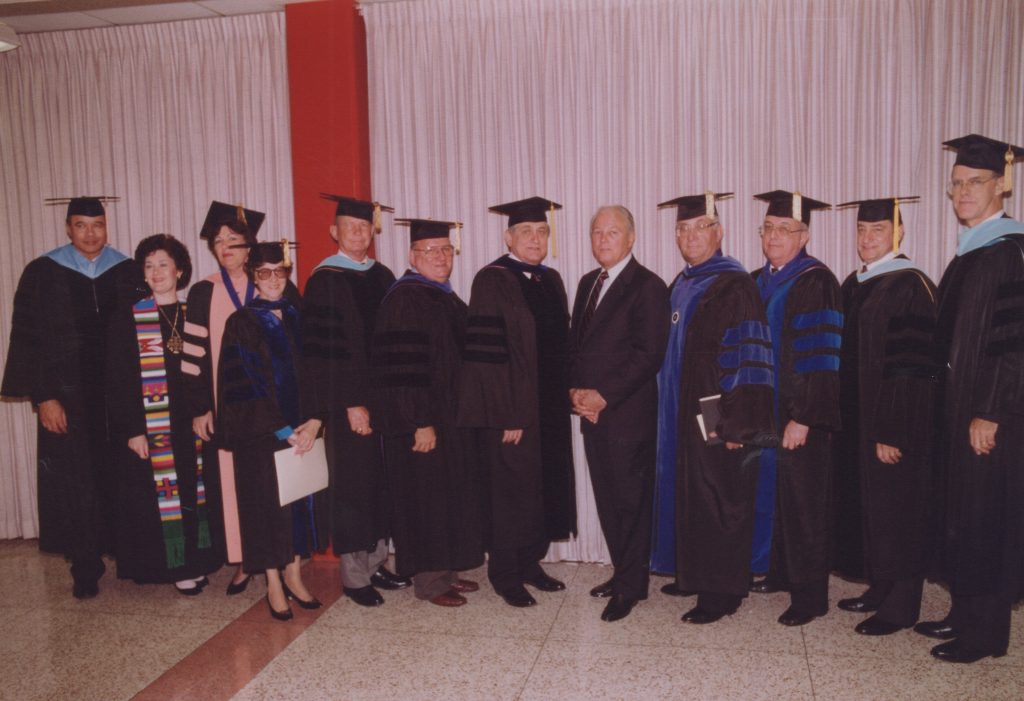
Immaculate Heart of Mary Catholic Church, Lafayette
One of the many philanthropic deeds the Patrick Taylor Foundation has done under Dr. Caillier’s aegis is to help rebuild and renovate his old school church, the Immaculate Heart of Mary Roman Catholic Church in Lafayette, where he received his education as a young boy.
The Immaculate Heart of Mary Roman Catholic Church building is of the utmost historical significance. It was here that the first four African-American priests in America were ordained by the Society of the Divine Word missionaries in 1934 during an era of acute racial segregation. Dr. Caillier and the Taylor Foundation were naturally keen to assist. But, as he explains, recounting the church’s history and genesis with passion, “A Black preacher could not preach in that church with Black folks. So they opened that first parish in Lafayette. And if you ever go in front of that church, you will see the four original priests that were ordained in the United States. They created that parish. They had no place to go. None of the white parishes would accept them. There was no such thing as Black parishes. So Bishop Jeanmard, at the time in Lafayette, says, “I am going to help you. You can come to the diocese, but you’ve got to create your own church. You cannot go to and preach at a white church or where Black people were at the church.”
Thus the Immaculate Heart church not only represents powerful childhood memories for Dr. Caillier – memories of where his illustrious educational journey began, but is also hugely symbolic for the wider black Catholic community, both in Louisiana and across America. Today a large, modest mural adorns the side of the newly renovated church. It depicts the faces of the four priests – Fr. Maurice Rousseve, Fr. Anthony Bourges, Fr. Vincent Smith and Fr. Francis Wade. The mural is visible from afar, catching the eye with its welcoming depiction of benevolent smiles, kind gazes and pure hearts.
As Father Sebastian Myladiyil, the priest at Immaculate Heart of Mary between 2015 and 2019, explains, the Patrick Taylor Foundation, under Dr. Caillier’s guidance, supported construction and renovation work to get the church back up and running again after it had fallen into a state of disrepair.
“When I came to Immaculate Heart of Mary in 2015, the previous administration had developed a master plan, especially with either construction or renovation of new buildings or the renovation of the existing buildings. As one of the trustees, Dr. Caillier was integral to developing that master plan.”
Sadly, the renovation plan had to be shelved due to a lack of finances. Even the Catholic school attached to the church was forced to close in 2016 due to, as Father Sebastien puts it, “low enrollment, low performance, and then challenging finances and lack of resources.”
However, it was then decided to build a new rectory for the staff and the priest. Father Sebastien smiles graciously as he proceeds to extol the virtues of Dr. Caillier and the Foundation’s generosity. “For that, Dr. Caillier from his Foundation initially vouched to give us about $500,000. So it was a substantial amount that the Foundation gave for the construction of the new rectory.”
He continues to detail the involvement of Dr. Caillier in the church’s renovation, “Once the rectory was completed, our next project was a gathering place for our parishioners for meetings, social events or even as a financial means of supporting the parish by renting out our facilities. So we decided to renovate the school cafeteria. Some structural modification was done, and then once again, the Foundation pledged about $100,000. We managed to renovate the cafeteria and convert that into a multi-purpose building. And it could seat about 325 people, so that was seen as an important step in addressing the church’s master plan.”
As Father Sebastien concludes, evidently moved by the generosity of the benefactor and his Foundation who chose to support the church’s restoration, “Dr. Caillier really loved his church community, and he loved the parishioners. He also wanted to share his blessings with the larger faith community and aspired to give them better opportunities like our neighbouring churches.”
A Gift for Friendship
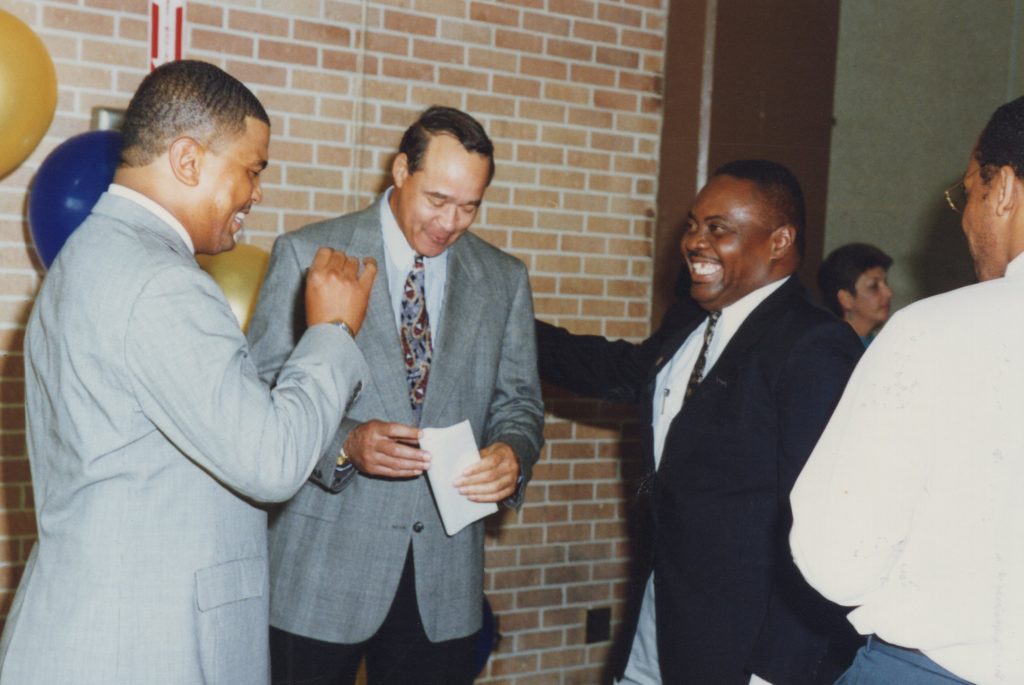
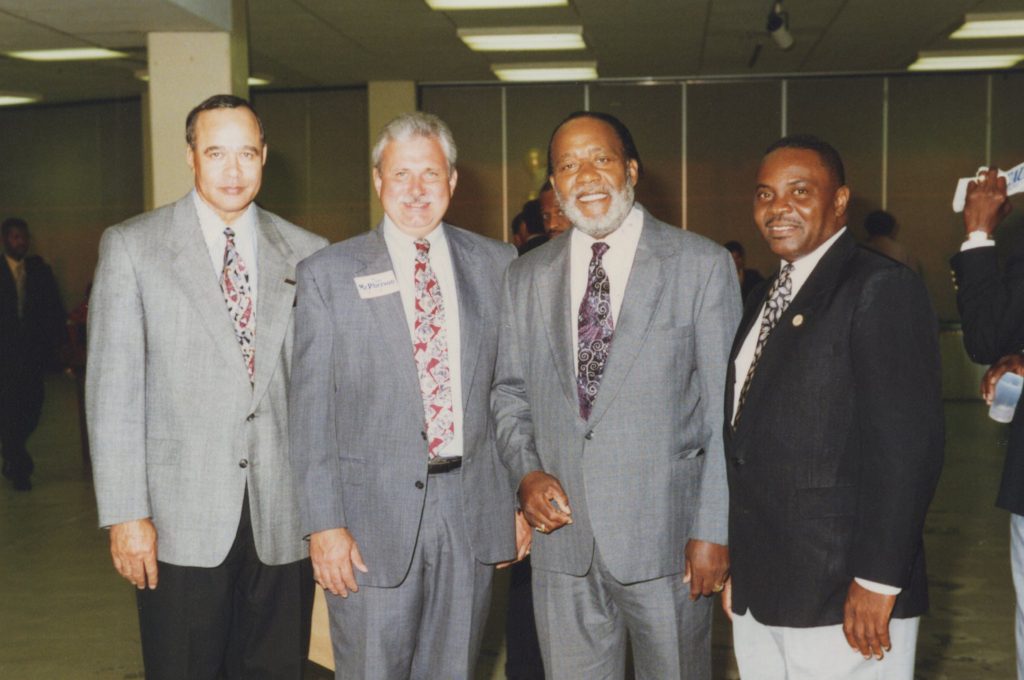
Moreover, it is not only on a community-wide level or when working as the head of the Patrick F. Taylor Foundation that Dr. Caillier has had a remarkable, tangible and unerringly positive impact on people’s lives. In his personal life, too, he leaves a lasting impression on those he knows. One example shall suffice – that of Clyde Simien, a partner in Simien and Miniex, who speaks effusively about his long-standing friendship with Dr. Caillier and the profound, favourable influence he has had on his life. He says, “I have known Dr. James Caillier for over four decades, and he has been a role model and father figure to me throughout my college days and law career. I learned from Dr. Caillier as a young man what success in life looked like and what it would take to be successful. Besides God and my parents, Dr. Caillier is the single most important person in my life that I would credit for my success. He is the epitome of a person who has been destined to help others. He and I remain very close friends, and I still call upon him to chat and to seek advice.”
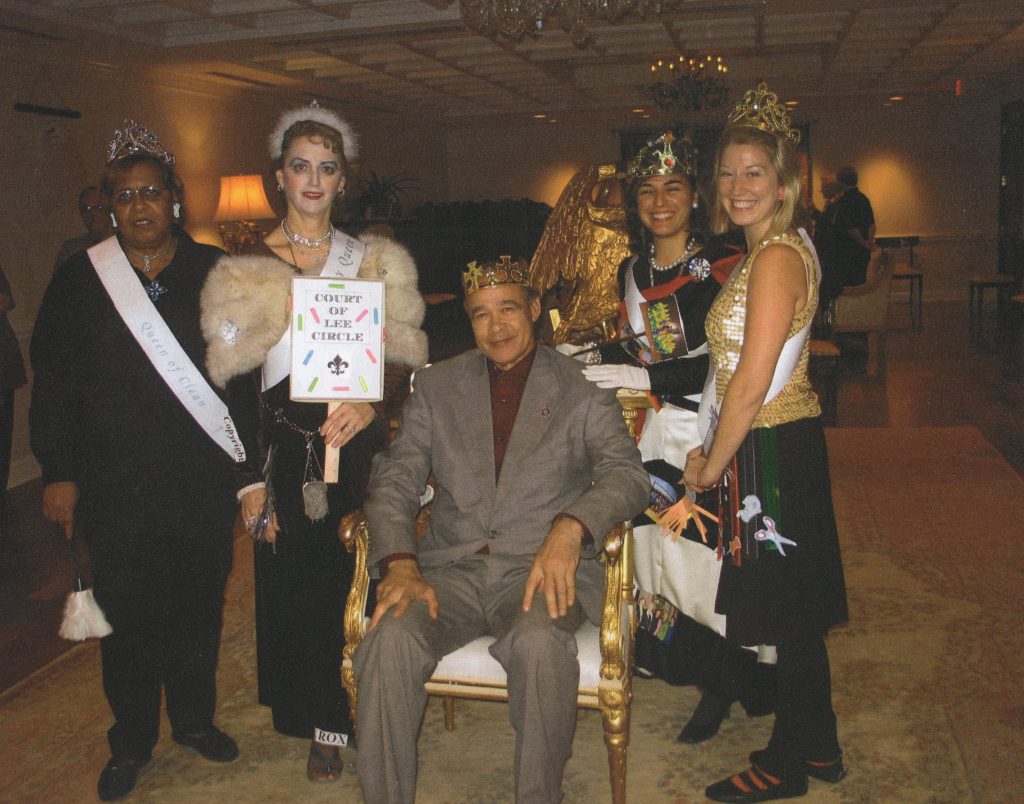
The Importance of Reading
Moreover, Dr. Caillier is a huge proponent of the importance of reading in a child’s intellectual, cultural and educational development – and would doubtless be a fan of the uplifting educational mantra “Readers are leaders, and leaders are readers.” As he says slowly, annunciating clearly, so that the conscious repetition can sink in, “The biggest thing for educational success is to read, read, read, read, read and read.” He wisely puts it, “You learn more from reading than anything else.”
Breaking the Cycle
Dr. Caillier is also adamant in his belief that a child being in the right educational environment is integral to their success – one conducive to their intellectual development, progress and uplift.
Moreover, Dr. Caillier is a firm believer in the need to disengage children from harmful, toxic and debilitating parental environments at the earliest opportunity for the child’s good.
As he explains, drawing on decades of practical experience, “You have got to get those kids away from that home as early as possible. They sit at the house, and their parents scream at them, saying, “Sit and watch TV, don’t bother me. Go outside and play.” They develop bad habits and don’t have any books in the house. Because that’s how their parents were brought up. But we have got to break that cycle. You break that cycle by taking the kids and putting them in the right environment.”
The Importance of Policy
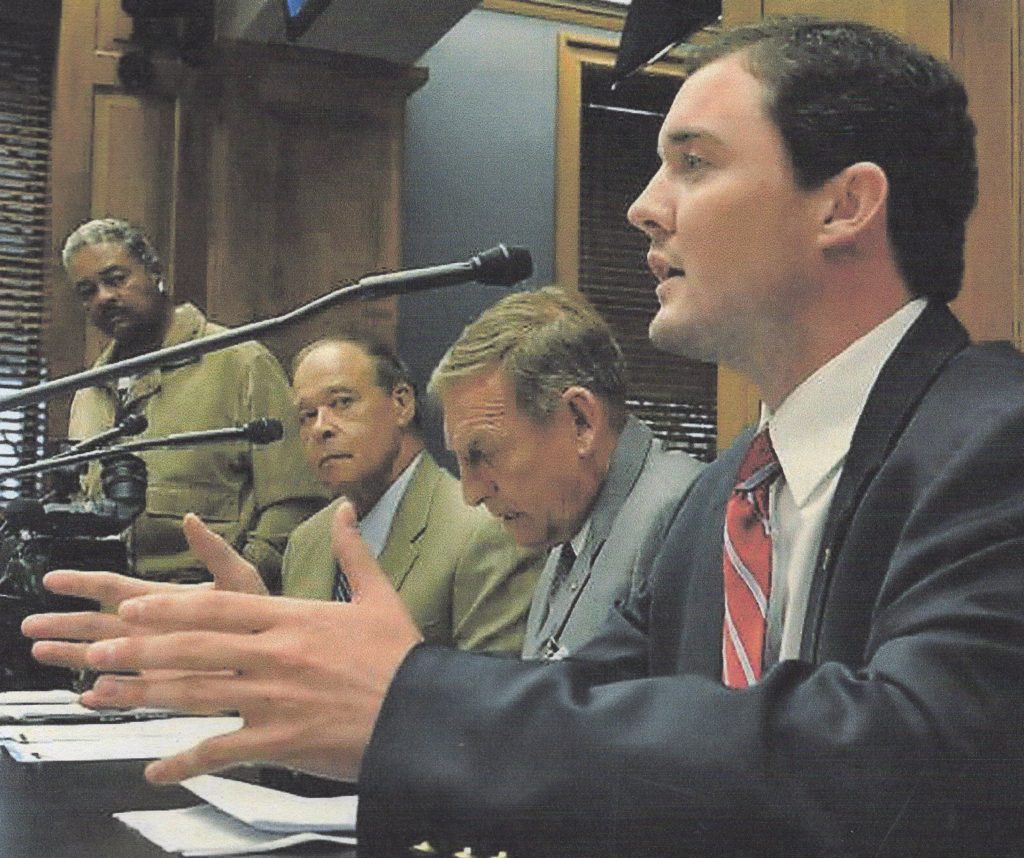
After many decades of labouring in the real world of education, be it in the classroom, in academia or in a leadership capacity, Dr. Caillier is very clear about how policy can affect real change to help the greatest number of people. He states with a formidable resolution, “Policy is everything. Influence policy and that affects a neighbourhood, which affects police officers, which affects religion, which affects everything. Give people opportunities, important things that give them the opportunity, but help them. That is why I became a college president, it would be more important to have an impact on policy than just sit in one classroom, teaching thirty kids.” He continues, talking of the Foundation, “We love policies. We go to the legislature every year. We go to Washington and look at policies that affect kids, that affect people and how to improve their lives. But it is all about education. My whole focus is on education. And education starts with policies but at an early age.”

Awards
Of the numerous awards and honours bestowed upon him during his long and glittering career, a few choice ones stand out. In 1997, Dr. Caillier was awarded the Alexander P. Tureaud Black Citizens Medal, the highest honor bestowed on an individual in Louisiana by the NAACP. In addition, in 2001, he was named “An Unsung Hero” by the Clout Ministerial Alliance of Louisiana. Furthermore, he has consistently been recognized both regionally and nationally for his work in Higher Education.
Three Wishes
Dr Caillier is concise and yet eloquent when it comes to the proverbial three wishes he would like were he granted them.
“I wish every child would have an equal opportunity to a good education and a better life. And the second wish is that they would have a family. The third wish is that they would have value in terms of their beliefs, their religion, something for the greater good – that there is a being above us.”
As he proceeds to explain why his religious beliefs are fundamentally compatible with his being a rational man of science and why a synthesis of both science and faith are a good thing, he says, “We have got to believe in something. I’m from a scientific background. Right now, I focus a lot on the universe and physics. If you look at the sciences and see how things come together, deep science says, “How did it all originate? How did life start? So even the scientists are now saying you can believe there’s a super-being.” Concluding with the importance of uniting a belief in both science and God and thus transcending the traditional dichotomy, he states, “You can have both. If you do that, you’ll be a good scientist, and you’ll be a good individual.”
Message to the world
As for his “message to the world”, Dr. Caillier is forthright. For him, it’s about being respectful, humble, and putting in the hard work to succeed. As he says, “The only thing I try to tell people when I talk to them about my path in life and how I came about is that you just don’t happen to be who I am. You have to pay your dues. You have to go to school, work for little money, and then rise up. Then you get a position where you’re recognized and can have influence.”
Conclusion
There is so much to admire in Dr. Caillier’s refreshingly old-school stance when it comes to his ardent, unwavering belief in education. He strives to provide the best and most failsafe route out of poverty for Louisiana’s rural, black poor. In addition, there is much to admire about his utterly selfless two decades and-counting tenure of a philanthropic foundation which works to alleviate the plight of academic poverty whilst enabling young people to fulfil their intellectual potential and pursue their educational dreams.
It is, in fact, resolutely humbling to think of just how many hundreds of thousands of young people Dr. Caillier has influenced for the better at whatever point on their educational journey over the course of his lengthy and stellar professional career, be it as a teacher, in academia, with policy or when presiding over the Taylor Foundation and its many scholarships.
To conclude, Dr. Caillier extols the virtue of seeing, not just looking, and of having a discernible vision in life. As he often tells young people, “It is not what you look at. It is what you see. You’ve got to have vision and vision in what you want to do.”
Dr. Caillier is an educational titan – a Creole humanitarian who has empowered several generations of young Louisianans to climb out of poverty and be their best selves by embracing the gift of education. In so doing, he has been a vital beacon of hope, change and unending positivity in the turbulent seas of racial and social adversity which have traditionally afflicted the state’s rural black poor.