

Krio is a vibrant English-based Creole language spoken in Sierra Leone. It serves as a lingua franca, connecting people from different ethnic and linguistic backgrounds. Only about 10% of Sierra Leone’s population speak Krio as their first language, but over 90% of Sierra Leoneans use it as a second language, making it a crucial part of national identity and daily communication.
Emerging from the historical migration of formerly enslaved Africans, Krio reflects the blending of African, European, and Caribbean influences, much like other Creole languages spoken worldwide. Today, it is one of the most widely spoken Creoles in West Africa, playing a key role in Sierra Leone’s culture, politics, and media.

The Origins of Krio
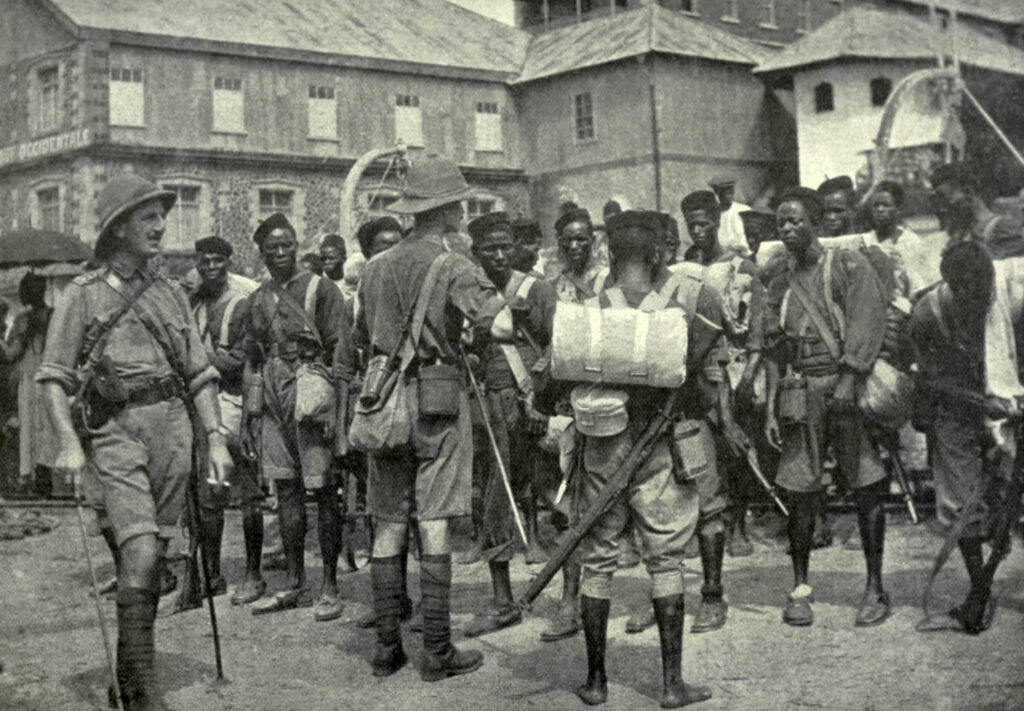
Krio developed in the 18th and 19th centuries when formerly enslaved people, known as the Creoles (or Krios), were resettled in Freetown, Sierra Leone. This group included:
- Black Loyalists from the United States who had fought for the British during the American Revolution.
- Jamaican Maroons escaped enslaved people and rebels from the Caribbean.
- Liberated Africans, rescued from illegal slave ships by the British navy.
These diverse groups, speaking different African languages, Caribbean Creoles, and English dialects, needed a standard means of communication, leading to Krio’s development.
Though initially spoken by the Creole people of Freetown, Krio spread throughout Sierra Leone’s towns and villages, becoming a national lingua franca.
Over time, the language absorbed elements from British English, African languages (such as Yoruba and Mende), and even Portuguese, making it a rich and dynamic Creole.
Linguistic Features of Krio
Like other Creole languages, Krio has a simplified grammar compared to Standard English but maintains a rich vocabulary and expressive style.
Vocabulary and Influences
Krio is primarily English-based but incorporates words from African, Portuguese, and Caribbean languages.
“Padi” (friend) – from Nigerian Pidgin and Yoruba.
“Nyam” (eat) – from Akan (Ghana) and also found in Jamaican Creole.
“Salone” (Sierra Leone) – a localised pronunciation of the country’s name.
Grammar and Sentence Structure
Krio’s grammar is streamlined and follows a consistent pattern, making it easy to learn and use.
No verb conjugations:
Mi de go (I am going) instead of “I am going.”
Dem bin go (They went) instead of “They had gone.”
A go go (I will go) instead of “I will go.”
Pluralisation using “dem”:
Di man dem (The men).
Di pikin dem (The children).
Gender-neutral pronouns:
“E” can mean “he,” “she,” or “it,” depending on context.
These features make Krio easy to pick up, allowing people across Sierra Leone to communicate regardless of ethnic or linguistic background.
Who Speaks Krio Today?
Krio was initially the mother tongue of the Creole ethnic group, mainly concentrated in Freetown and surrounding areas. However, due to urbanisation, trade, and media, it has become Sierra Leone’s most widely spoken language.
Native Speakers: About 500,000 Krios (10% of the population) speak it as a first language.
Second-language Speakers: Over 6 million Sierra Leoneans (more than 90% of the country) speak it as a second language, using it for trade, government, and daily life.
Regional Influence: Krio is also understood in parts of The Gambia, Liberia, and Guinea, where it has influenced local Pidgin and Creole dialects.
Krio in Culture, Media, and Religion
Krio is not just a language of communication—it is a cultural force that shapes music, literature, and media in Sierra Leone.
Music and Storytelling: Sierra Leonean musicians, especially in the genres of Afrobeat, reggae, and hip-hop, frequently use Krio in their lyrics to connect with audiences.
Media and News: Newspapers, radio stations, and television broadcasts often use Krio for news reports and entertainment, making it the most accessible language for the population.
Religion: Christian and Muslim communities use Krio in sermons, prayers, and religious songs, ensuring that messages reach a wider audience.
The language’s expressive and poetic nature has also made it a favourite for oral storytelling, proverbs, and folktales, which continue to be passed down through generations.

Challenges and the Future of Krio
Despite its widespread use, Krio still faces challenges in gaining full recognition.
Limited Official Status: While it is the most spoken language, English remains the official language of Sierra Leone, meaning that government, legal, and educational documents are still written in English rather than Krio.
Lack of Formal Education in Krio: Unlike French-based Creoles like Haitian Creole, which have been standardised, Krio is not widely taught in schools, limiting its use in formal education and academic writing.
Influence of English and Globalisation: As younger Sierra Leoneans seek opportunities abroad or in international business, English is increasingly favoured, which may reduce Krio’s role in professional settings.
However, there are growing efforts to promote Krio literacy and preserve its cultural significance. Scholars and linguists are working on dictionaries, language courses, and written materials, ensuring Krio continues flourishing in informal and formal settings.

Krio as a Symbol of Sierra Leonean Identity
Krio is more than just a language—it symbolises Sierra Leone’s multicultural heritage, resilience, and unity. From its origins as a survival language among freed slaves to its modern role as a national lingua franca, Krio has become a key part of Sierra Leonean identity.
Despite challenges, the language remains vital in daily communication, music, storytelling, and media, ensuring that future Sierra Leoneans will continue to speak, celebrate, and cherish their unique Creole tongue.