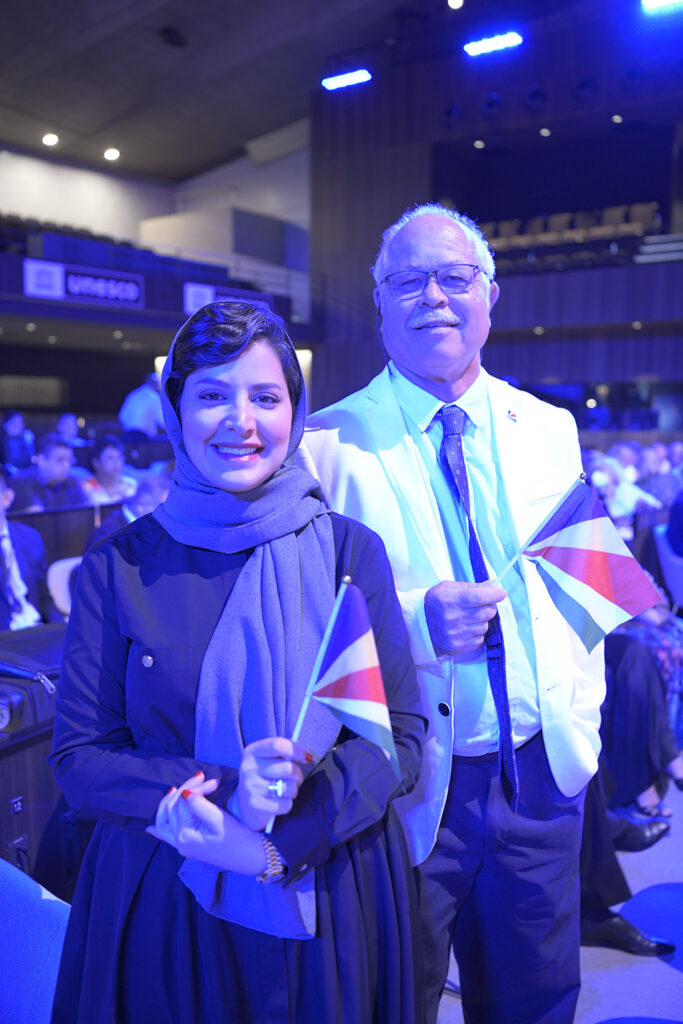
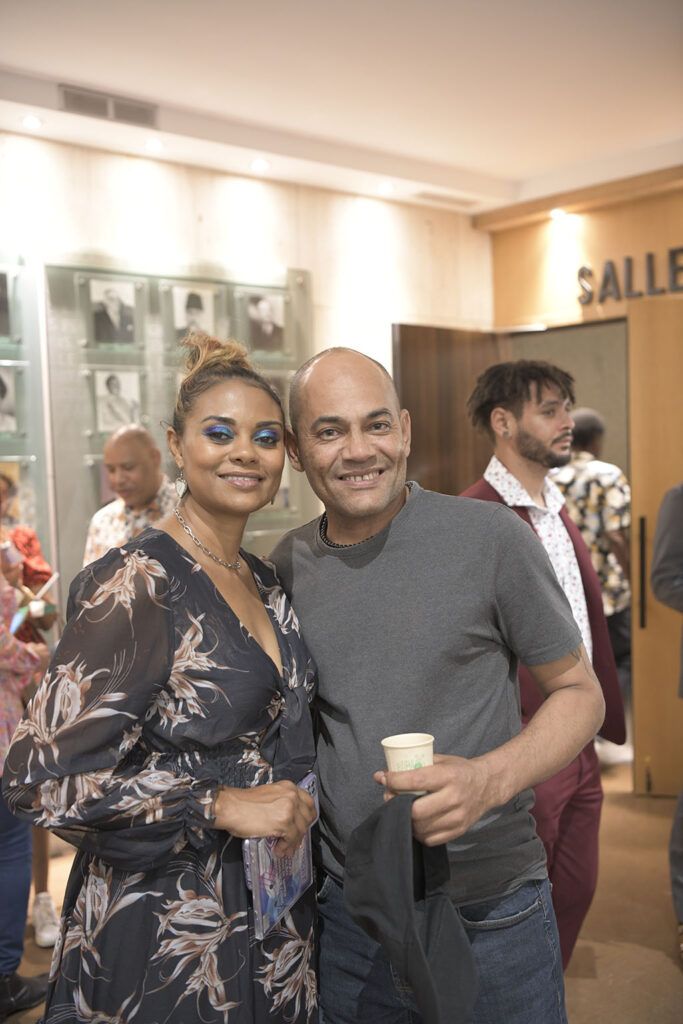
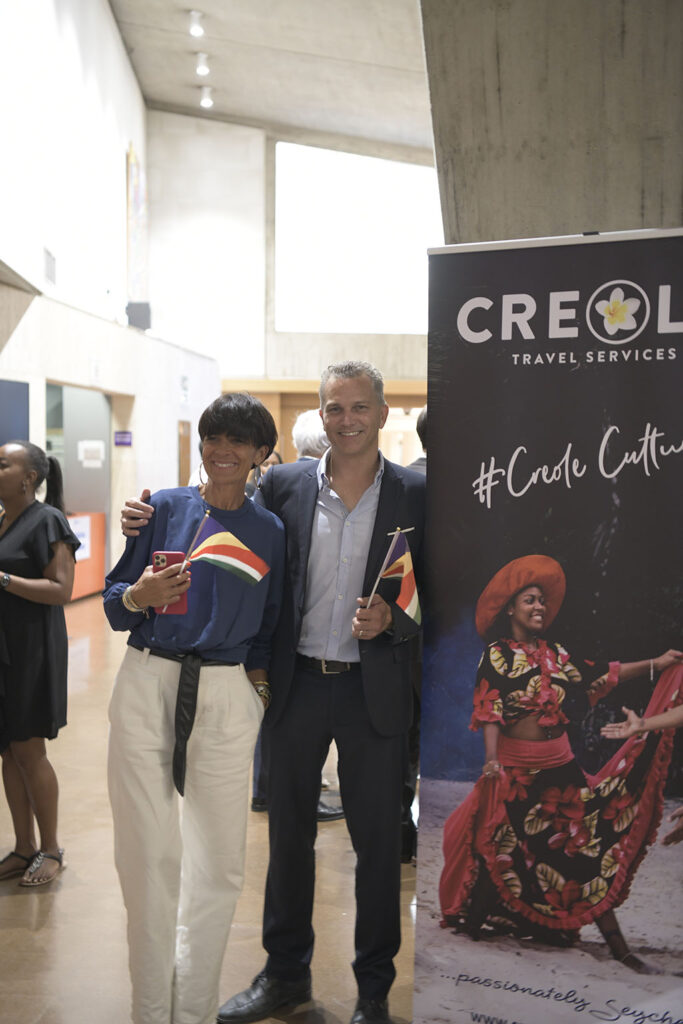
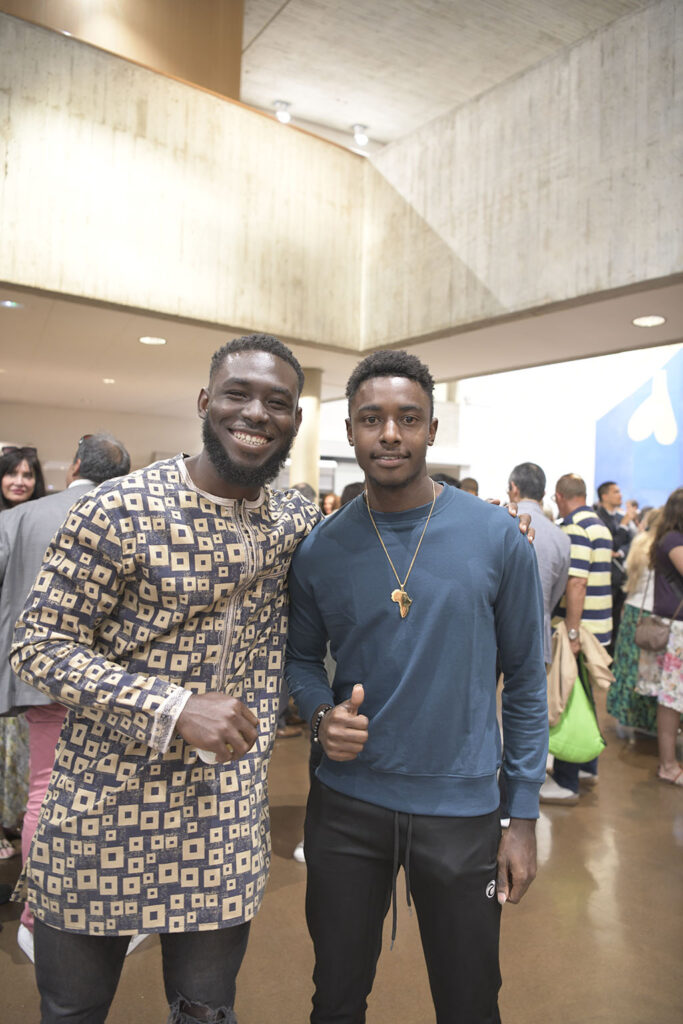
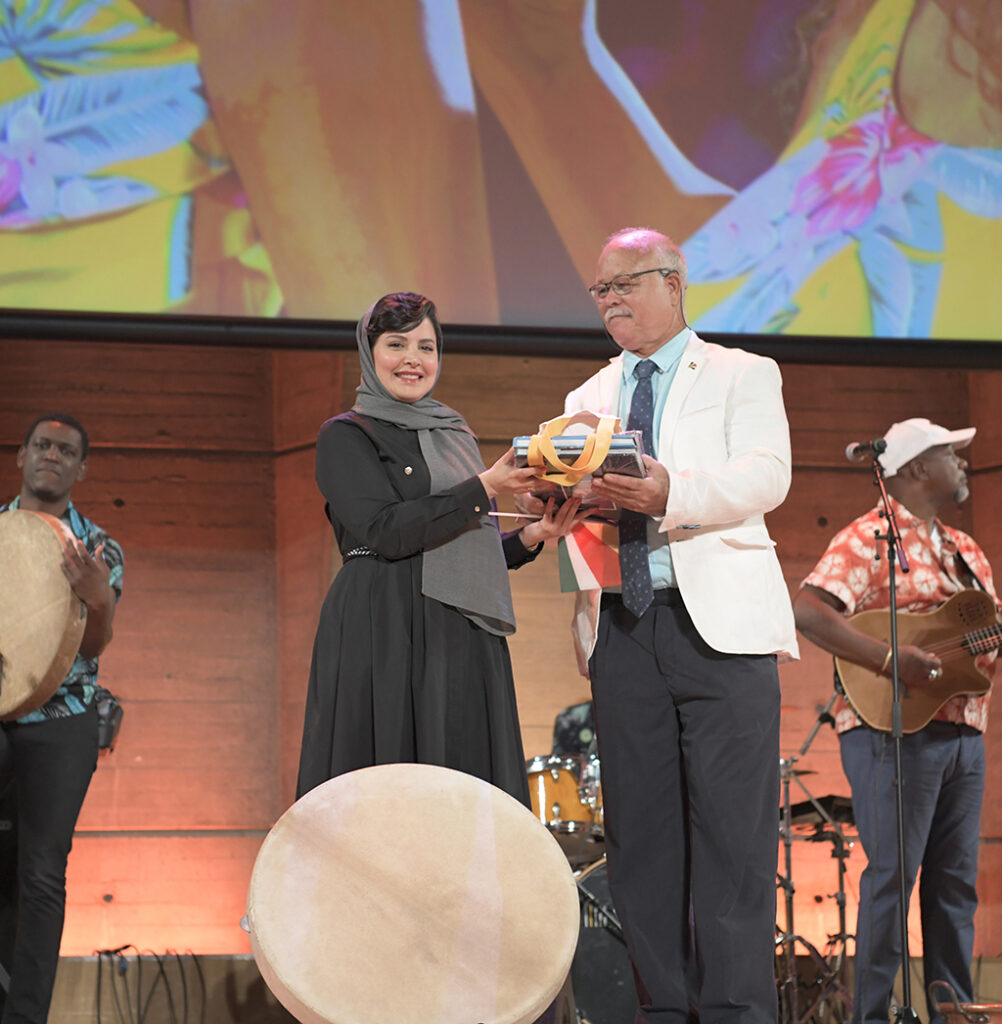
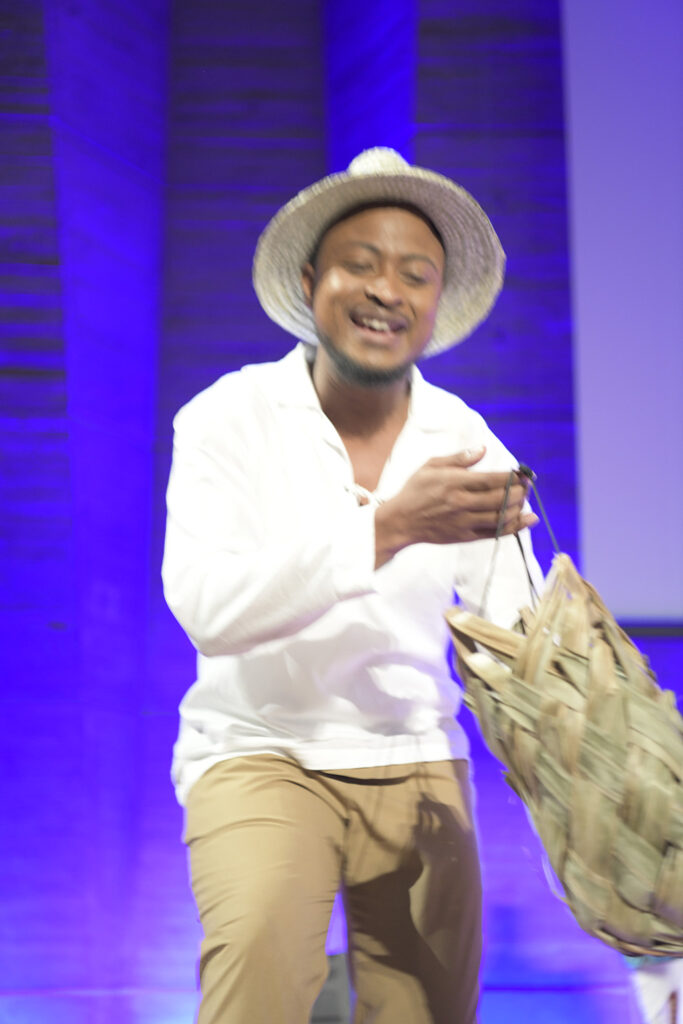
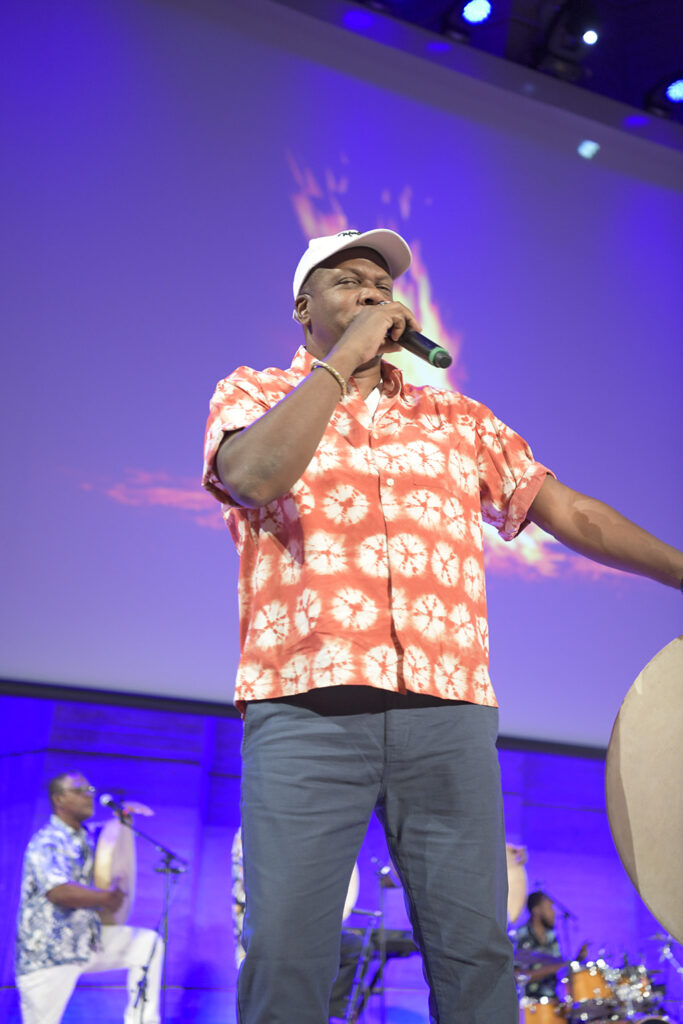
International Kreol Magazine was proudly in attendance to celebrate the inscription of the Moutya onto UNESCO’s list of Intangible Cultural Heritage.
These festivities saw a 28-strong delegation of dancers, musicians and cultural officers performing the iconic dance ‘the Moutya’ that first emerged during the time of slavery in the Seychelles.
It was initially performed by barefoot plantation workers and featured the likes of rhythmic chanting and drumming.
The practice meant many things to those involved, but above all, it was an act of resistance and a celebration of humanity in the face of slavery.
Thousands of people flocked to experience the ritual as it was brought to life for audiences in places such as Lyon and Normandy in France.
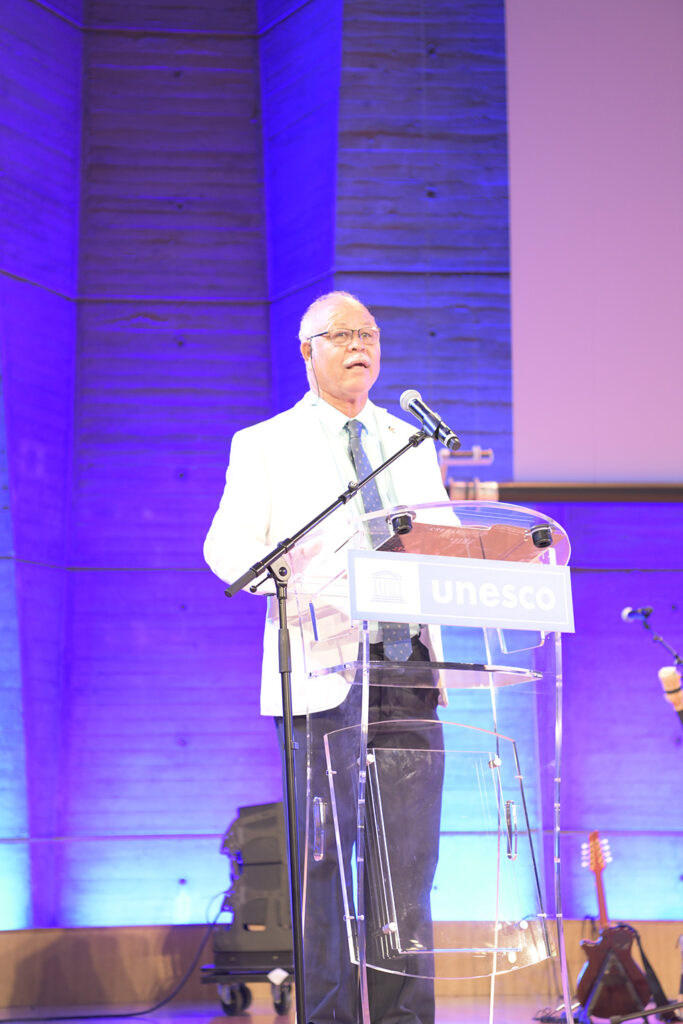
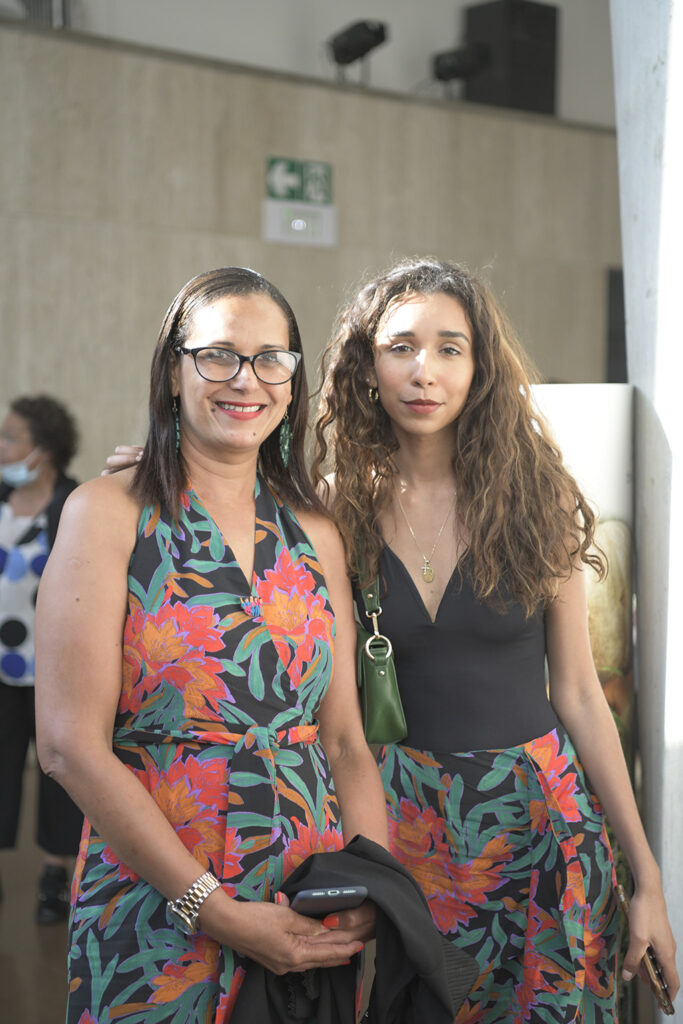
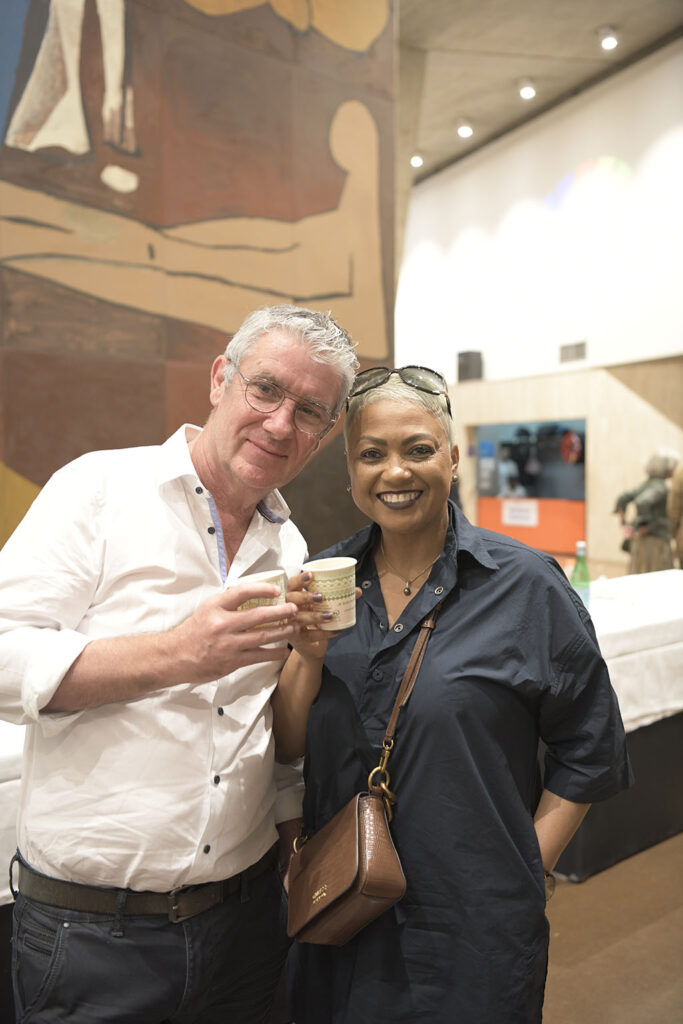
A final showcase was then held at the Grand Auditorium de l’UNESCO in Paris, with a number of esteemed attendees.
This included the team from International Kreol Magazine, whose honour it’s been to promote the historical inscription of the Moutya alongside the Seychelles National Institute for Culture, Heritage and the Arts.
David André, who is the Secretary General of the Institute, led the events in France.
He is one of many people from Seychelles and the worldwide Creole community who has been filled with immense pride since the Moutya made UNESCO’s list of Intangible Cultural Heritage.
The dance was officially inscribed in December 2021, but it was felt that a larger celebration was necessary given that it is the first cultural tradition from Seychelles to receive this historical recognition.
Georgina Dhillon, Editor of International Kreol Magazine, said:
“It was indeed an honour to attend the final grand performance in Paris and see the Moutya celebrated uniquely. The performers were exceptional, and it was clear that everyone present was enjoying the festivities. The inscription of the Moutya is such a significant moment for the Creole community, particularly the people of Seychelles. The perseveration of these cultural rituals is so important, and it’s something we always strive to achieve with the work we do at International Kreol Magazine.”
David André, the Secretary General of Seychelles National Institute for Culture, Heritage and the Arts, said:
“A dance which started to express oppression and hardship is now a part of the world’s collection of masterpieces of intangible heritage. The government of Seychelles is committed to ensuring that the Moutya continues to be enjoyed by the Seychellois people and appreciated and enjoyed by as many nations as possible. Let it be known that the Moutya is the heartbeat of the Seychellois Creole culture – and it is here to keep us alive!”
Delegation
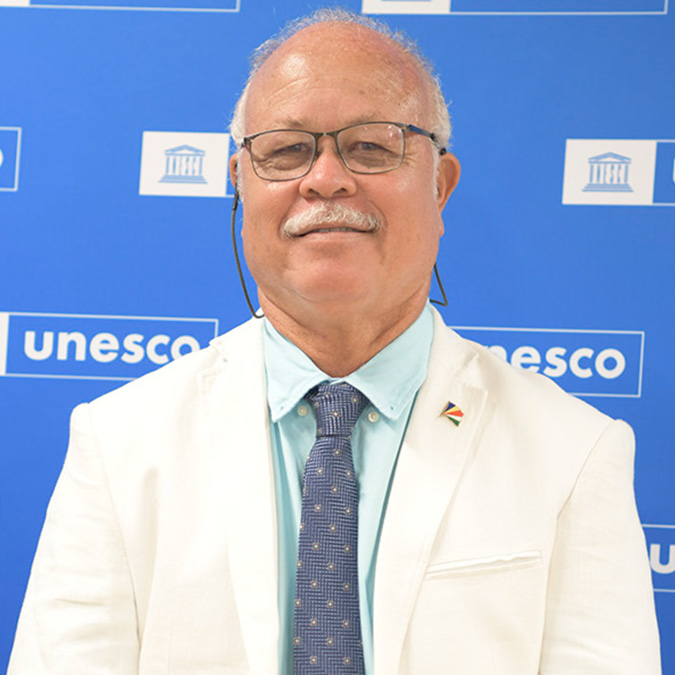
David André
Secretary General, Seychelles National Institute for Culture, Heritage and the Arts
“Embrace the Moutya as a foundation, understanding its roots and values in our cultural tapestry. Yet, it’s vital for artists, especially the younger generation, to draw inspiration from this traditional form and use it as a springboard. Creativity thrives when we honour our heritage, like the Moutya while daring to forge new paths in art and music.”

Patrick Victor
Artistic Director
The iconic face of Seychelles music and stagecraft, Patrick is one of the Indian Ocean’s best troubadours. He has written numerous songs, directed many productions and worked with various artists. As a singer, playwright, musician and composer, he has brought Seychelles music and culture worldwide and produced dozens of albums. Patrick is a Seychelles legend holding an honorary doctorate from the University of Seychelles, and he is also the Honorary Ambassador for Culture.
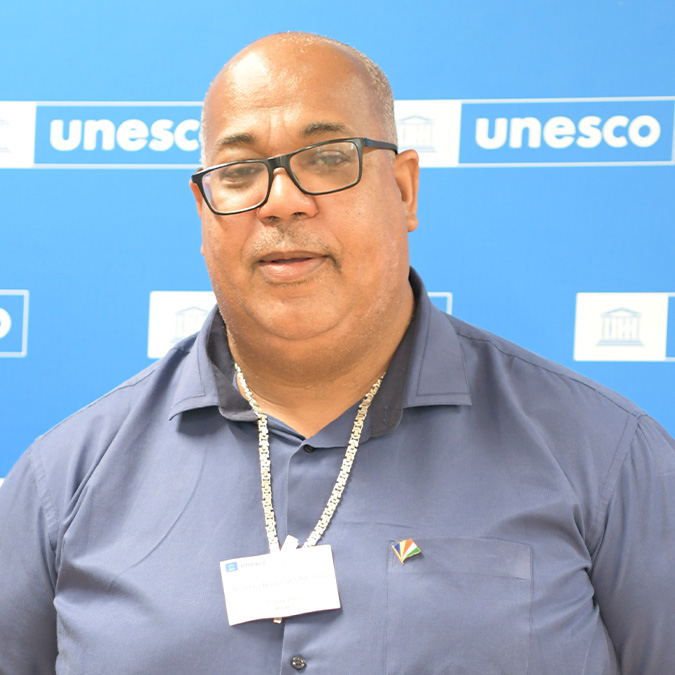
Jimmy Savy
Executive Producer
“As we embark on this adventure, the dream of showcasing our unique sessions and culture on a grand stage is coming to life. Our community’s Arts and culture must be recognised and given the respect and prominence they deserve. Proper preparation and opportunities are the keys to unlocking the potential of our talented groups. Furthermore, with the right financial backing, they can truly excel.”

Ruth Barbé
Choreographer
“Organizing for a show is a meticulous process spanning months. From auditions to selection, we invest in dancers from varied backgrounds, be it traditional or modern dance. Merging these distinct styles is my role, ensuring everyone is harmonized and aligned. Through collective efforts, we define our vision, choreograph dances, and arrange the music. While perfection is a constantly moving target for a choreographer, the spirit and talent of our dancers and musicians shine through, always leaving room for growth and innovation”
Dancers

Adrian Cesar
Dancer
“This performance is a significant challenge, encompassing an intense 90-minute dance routine that demands both strength and fitness. Representing my country in Europe magnifies its importance. This experience is not just personal but also a chance to inspire the younger generation in Seychelles. Every Seychellois should understand and connect with our traditional dance, tracing back to its roots and significance.”
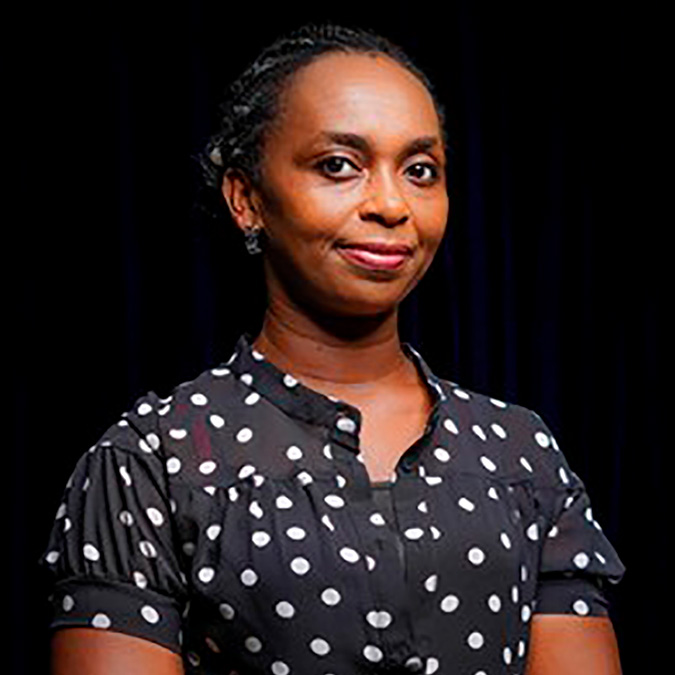
Dorothy Sandra Moumou
Dancer
Dorothy is a mother of two. For the past 27 years, she has been dancing traditional and contemporary dances. Dorothy started her dance journey when she was nine, when she won a dance competition for the Creole Festival. She had the opportunity to travel to Mauritius and Rodrigues for dance performances and participated in Shanghai Expo 2010.

Eddy Rose
Dancer
“We are not just performing, but conveying a message to the world, expressing the es-sence of Seychelles – a unique melting pot of cultures. Our dance and music, like the Moutya, exude power, encapsulating our history, culture, and mentality. Through such performances, especially now that UNESCO recognizes it, I believe the Moutya has the potential to reach greater heights. My dream? To see this dance grace stages as grand as New York.”
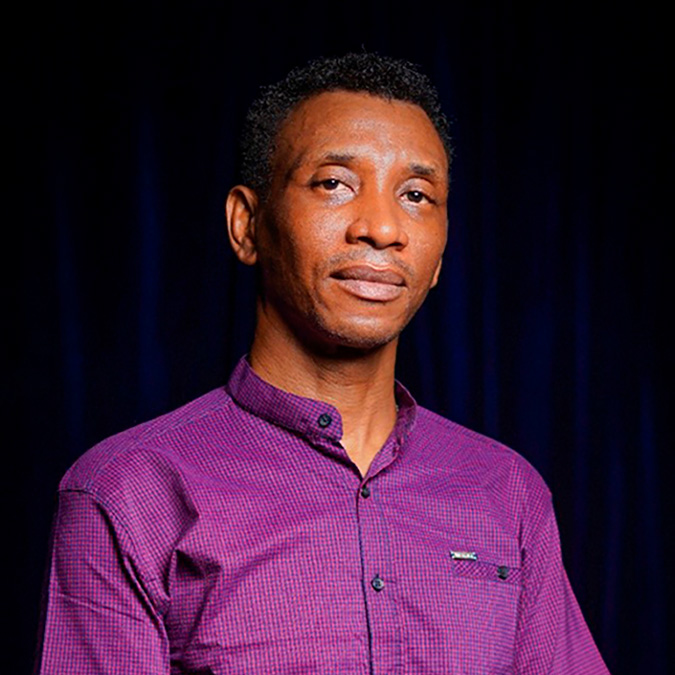
Jude Labrosse
Dancer
“Choreography is essential in a performance like Moutya; without it, some might find the show mo-notonous. The challenge of simultaneously dancing and singing is immense. The vastness of today’s stage adds to the pressure, especially being my first time on such a grand platform. The mere sight of the stage is intimidating. Regardless, I remain hopeful and appreciate the well-wishes for today’s performance.”
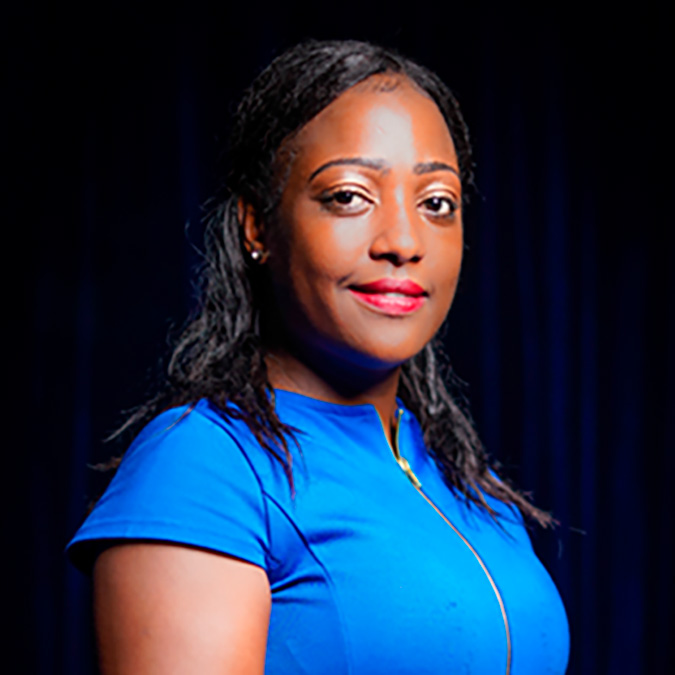
Mariza Matombe
Dancer
“This performance is a significant challenge, encompassing an intense 90-minute dance routine that demands both strength and fitness. Representing my country in Europe magnifies its importance. This experience is not just personal but also a chance to inspire the younger generation in Seychelles. Every Seychellois should understand and connect with our traditional dance, tracing back to its roots and significance.”
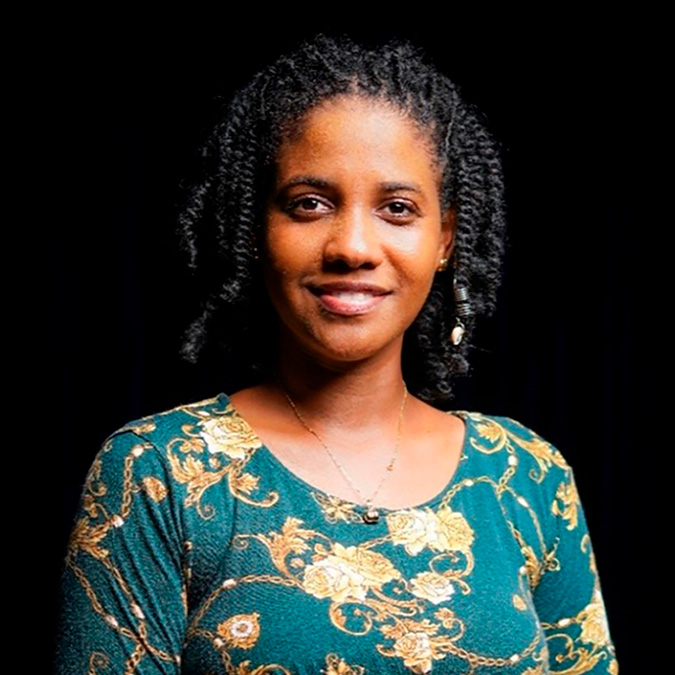
Nathaniel Volcere
Dancer
“Ever since my childhood, I’ve been passionate about dance, particularly our traditional forms. I’ve travelled extensively, promoting our rich culture through dance forms like Moutya and Sega. This experience is what landed me in the group today. Seychelles is a tapestry of diverse backgrounds and races, a melting pot. Our culture is reflected in our agriculture, music, and even how we prepare our meals. But beyond all these, what truly defines a Seychellois is our attitude. Our nature is to smile, spread love, and exude kindness.”

Rhonda Labrosse
Dancer
“Dancing, with the energy and effort it demands, can be likened to a sport. While I’ve explored various dance forms, my heart truly lies with traditional dance. Given a choice between Saga and Moutya, the latter would always be my favourite. My commitment to the youth involves teaching traditional dances, ensuring they understand its roots and nuances. As the momentum builds with the Moutya, my dedication to teaching the next generation grows even stronger.”
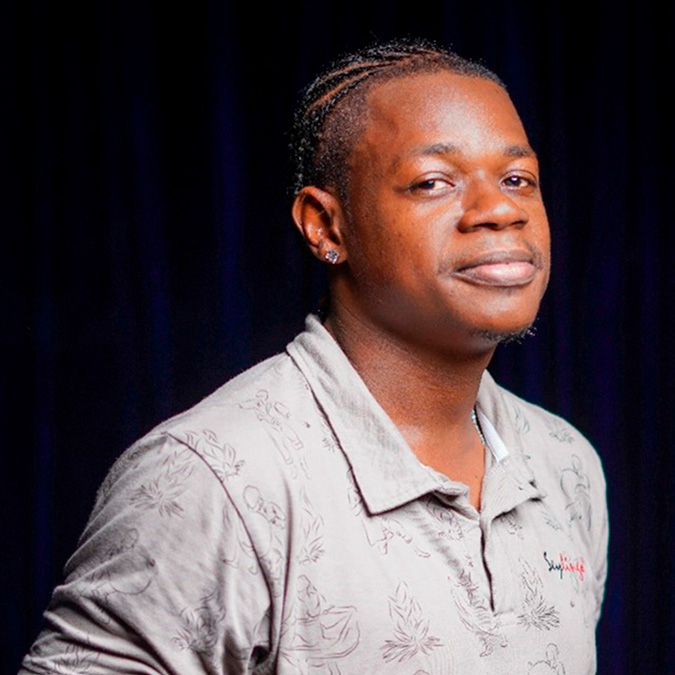
Ronny Marengo
Dancer
“From my school days, dance became my true calling. Joining the school of dance, I delved into various forms, emphasising traditional dance. As a co-founder of the ‘Emergency Group’, I’ve educated numerous students. I was invited to represent our nation internationally and I’m immensely proud of this journey. I plan to foster the Moutya and explore exhibitions grounded in Creole culture, from the Saga to stories of our rich heritage. I envision creating dance exhibits, where onlookers step into a realm of dynamic art, akin to viewing a portrait, but through dance.”
Musicians

Tony Julie
Musician/Band Leader
“Ever since I began my journey in 1986 and more professionally in 1997, my role as a band leader has evolved. When I’m at the back during a performance, it’s my time to observe and analyze. I can pinpoint exactly what needs to be worked on, whether someone’s singing or not. And now, there’s this change in the air about moutya. It wasn’t something everyone was into before, but now, every-one wants a piece of it. The vibe around moutya is truly positive.”
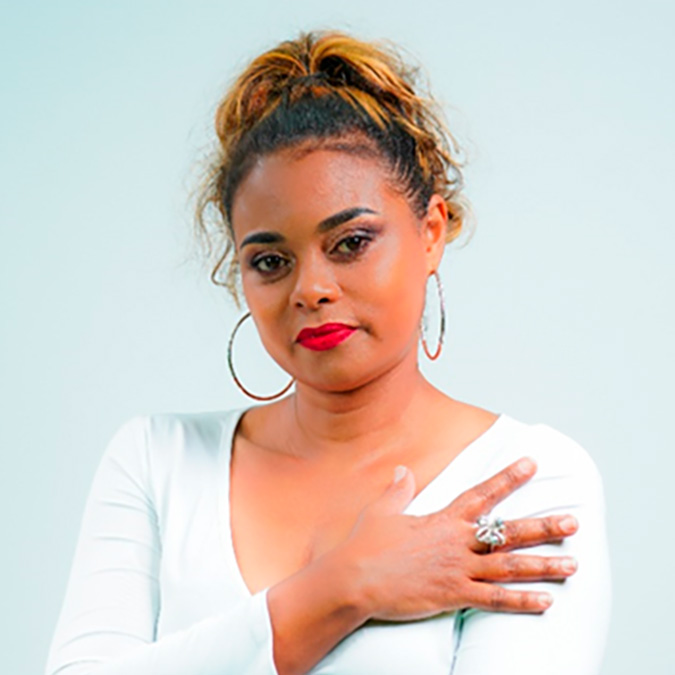
Belinda Moncherry
Vocalist/Violinist/Percussionist
“Moutya was once silenced, but its resurgence is a testament to its importance, especially to us. While we aim to share our music with the world, we also strive to evolve it in ways that resonate with the younger generation. Our group, comprising both seasoned members and youngsters, showcases that Moutya’s allure isn’t just nostalgia – it’s a growing trend. We’re more than just a band; we’re a movement, knocking on the world’s doors to let our traditional sound be heard and inspire our country’s youth.”
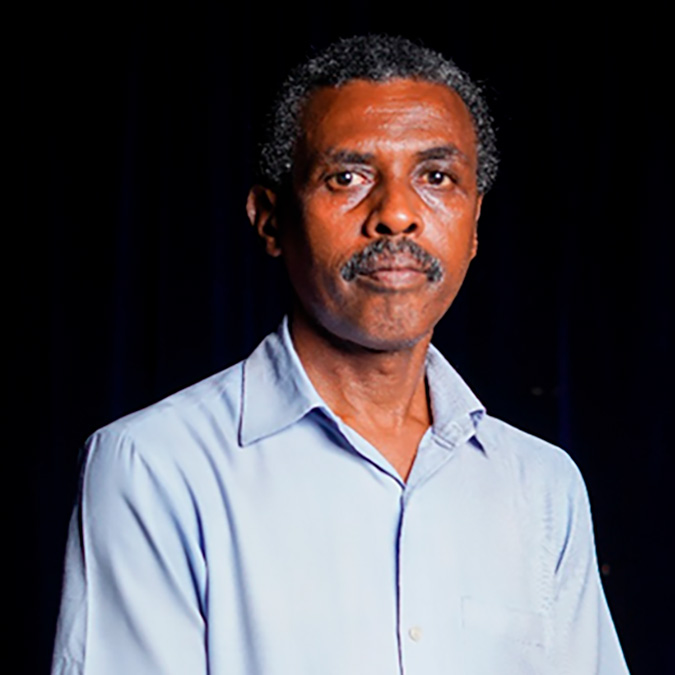
Bruce Freminot
Technician/Musician
From the tender age of eight, Bruce has been playing the drums, starting from a community traditional ensemble to various other bands whilst growing up. Bruce’s rich musical back-ground makes him a much-demanded musician for multiple projects, recording shows, in-ternational tours and as a sound engineer. It is to be noted that Bruce has not only featured on many albums by Seychelles’ top artists but has also produced his own album of tradition-al music
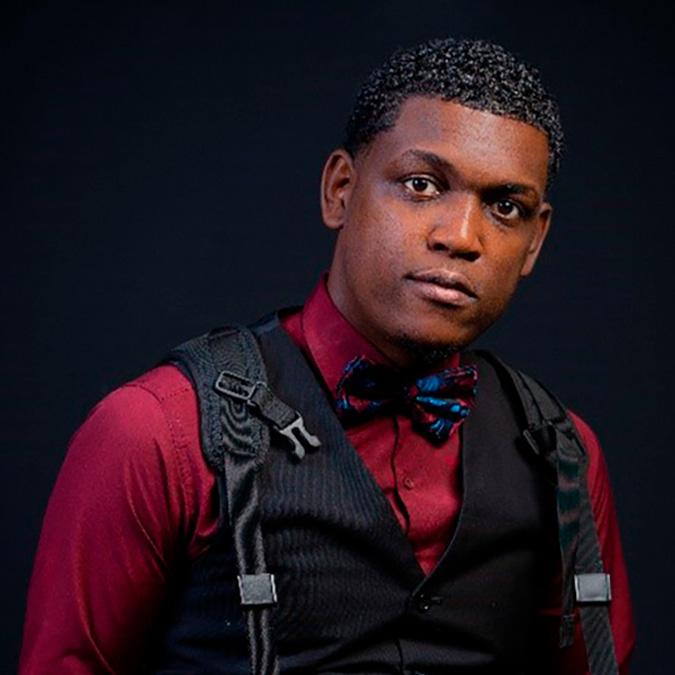
Johnny Volcere
Photographer/Videographer/Musician
Johnny, a multifaceted Seychellois artist, excels in producing, directing, and videography. His work has a global reach, capturing events like the Cannes Music Festival and local projects from entertainment to historical documentaries. Trained in Seychelles, South Africa, and China, his technical skills merge with a refined aesthetic, honed by studies in fine art and a deep understanding of composition.
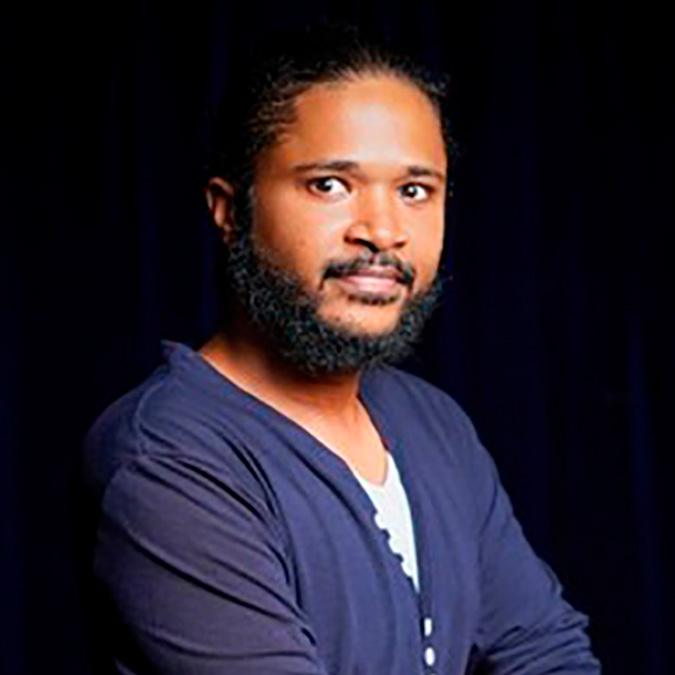
Jonathan Alvis
Musician /Keyboardist
“While I had always been involved in music, joining Tony’s traditional band introduced me to the in-tricacies of our cultural tunes. I was initially sceptical, having played a mix of international and local music. Yet, after just one practice, I recognized the depth and details in our cultural music. Being in this band enriched my musical journey and deepened my understanding of Seychellois culture through its authentic sounds.”
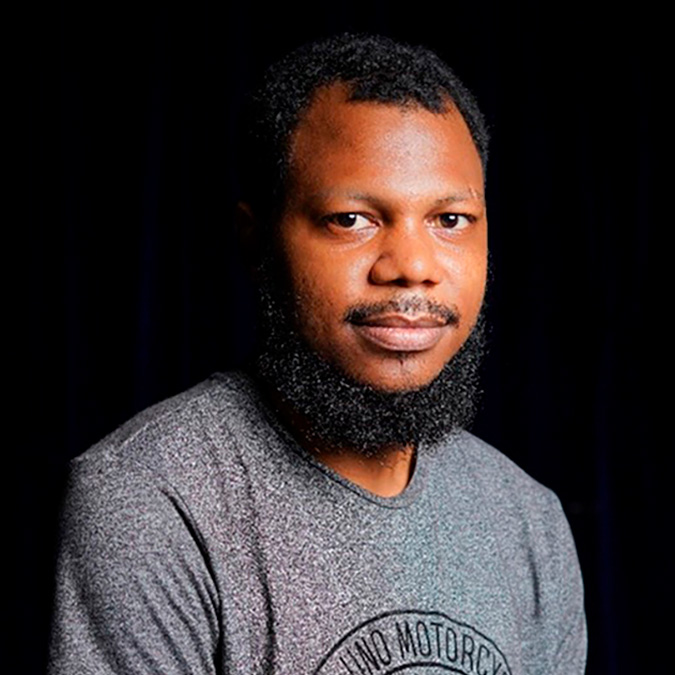
Ralph Cecile
Musician/Drummer
Ralph Cecile Musician/Drummer Ralph Cecile is a Seychellois drummer from the Island of Praslin. He has been playing the drums since secondary school. Throughout his career, he was privileged to record alongside some well-known artists from Seychelles, such as Jahrimba, Mike Cedras (Gospel), Auspicious, and Tony Julie (bassist). “My ambition is to be an internationally recognised drummer.”
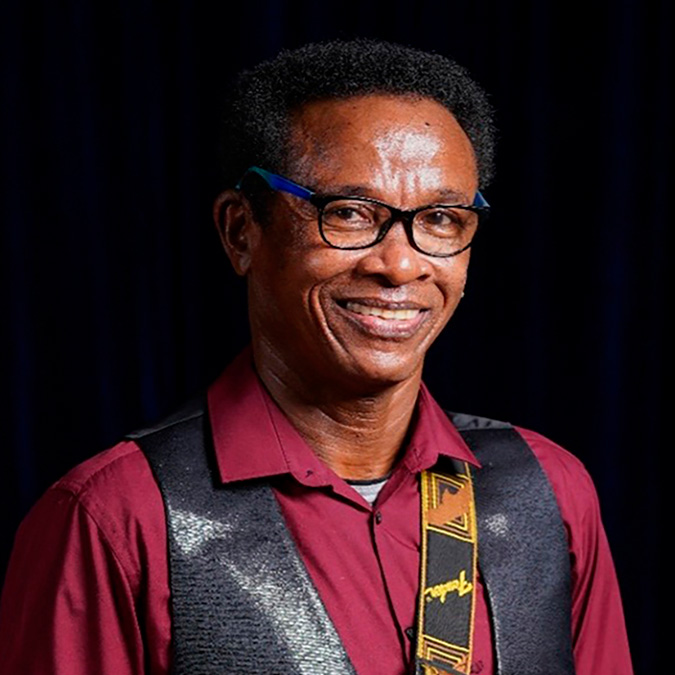
Sanley Monnaie
Musician/Guitarist/Mandolin
Born in La Digue, Sanley is a seasoned musician skilled in guitar, harmonica, violin, and Moutya drum, among others. His dedication extends beyond performance; he composes and arranges music, emphasizing Seychelles creole tunes. Influenced by his family’s deep roots in traditional music – his mother, a dancer, and father, a violinist and composer – Sanley now leads his own band, “Sagay”.
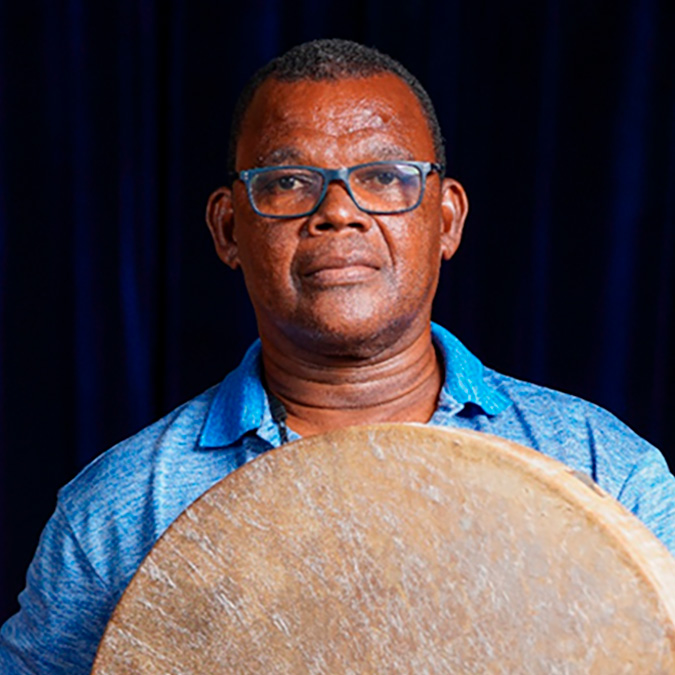
Brian Matombe
Musician/Triangle/Caller/Violinist/Moutya Drums/Vocalist
Born in Seychelles’ Anse Boileau district, Brian was raised in a family that cherished tradition and cul-ture. From a young age, he mastered the violin and Moutya drums, eventually becoming a founding member of the Seychelles Traditional Troupe and a dance caller. Recognized for his talents, Brian represented Seychelles internationally, notably winning a prize in Martinique. He produced two CDs promoting Seychelles’ cultural music and contributed to various local albums.
Singers

Jean-Marc Volcy
Guitar/Singer
Jean-Marc Volcy is a Seychellois songwriter, singer, and composer. He is renowned for his genre of mixing traditional Seychelles music with his creativity, which gives a unique, beautiful fusion.
He is also well known in Mauritius and Reunion Island. He was internationally recognised by being awarded the best East African artist of the year in 1993 by Radio France International (RFI). In 2000, he won the Kora Award in South Africa.
Jean-Marc has also won several awards locally. Until now, he has released ten albums. He remains a well-respected artist in his beloved country, Seychelles and strives to make his music known to a broader world audience.
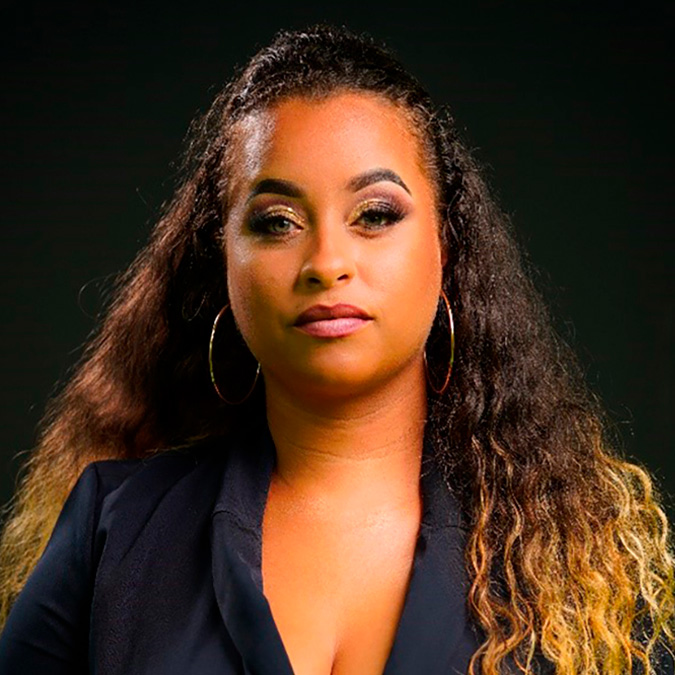
Sandra Esparon
Singer
Hailing from the Takamaka district, Sandra began her singing journey at 14 in church, later gracing the Creole Festival stage. A pivotal moment in 2004 saw her collaborating with GH BOYZ, leading to her first recording, “San Ou.” Since then, she’s performed internationally, working alongside icons like Shaggy and Rihanna. With six solo albums and 17 awards, she has a penchant for dancehall, reggae, and Seychelles music.
By day, I’m a primary school teacher, but dance has been my passion since I was nine. Over the years, I’ve performed at school events, earning numerous prizes, and now I sing professionally at hotels. It’s a professional and physical growth experience, though it is admittedly challenging—balancing work, performance, and rest. I’m eager for tonight’s big show, reminiscent of my 2010 expo in Dubai, and excited to see how it unfolds.