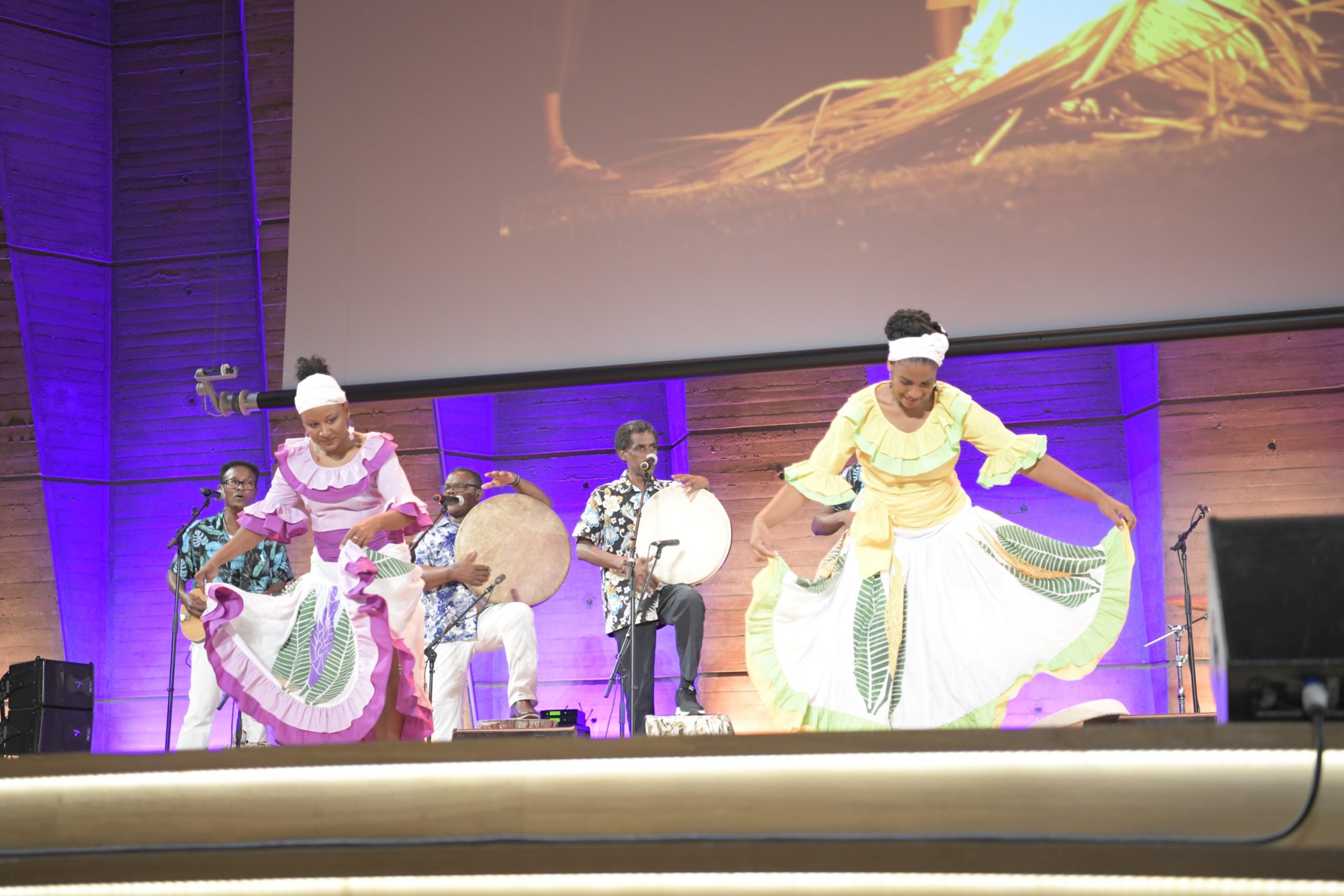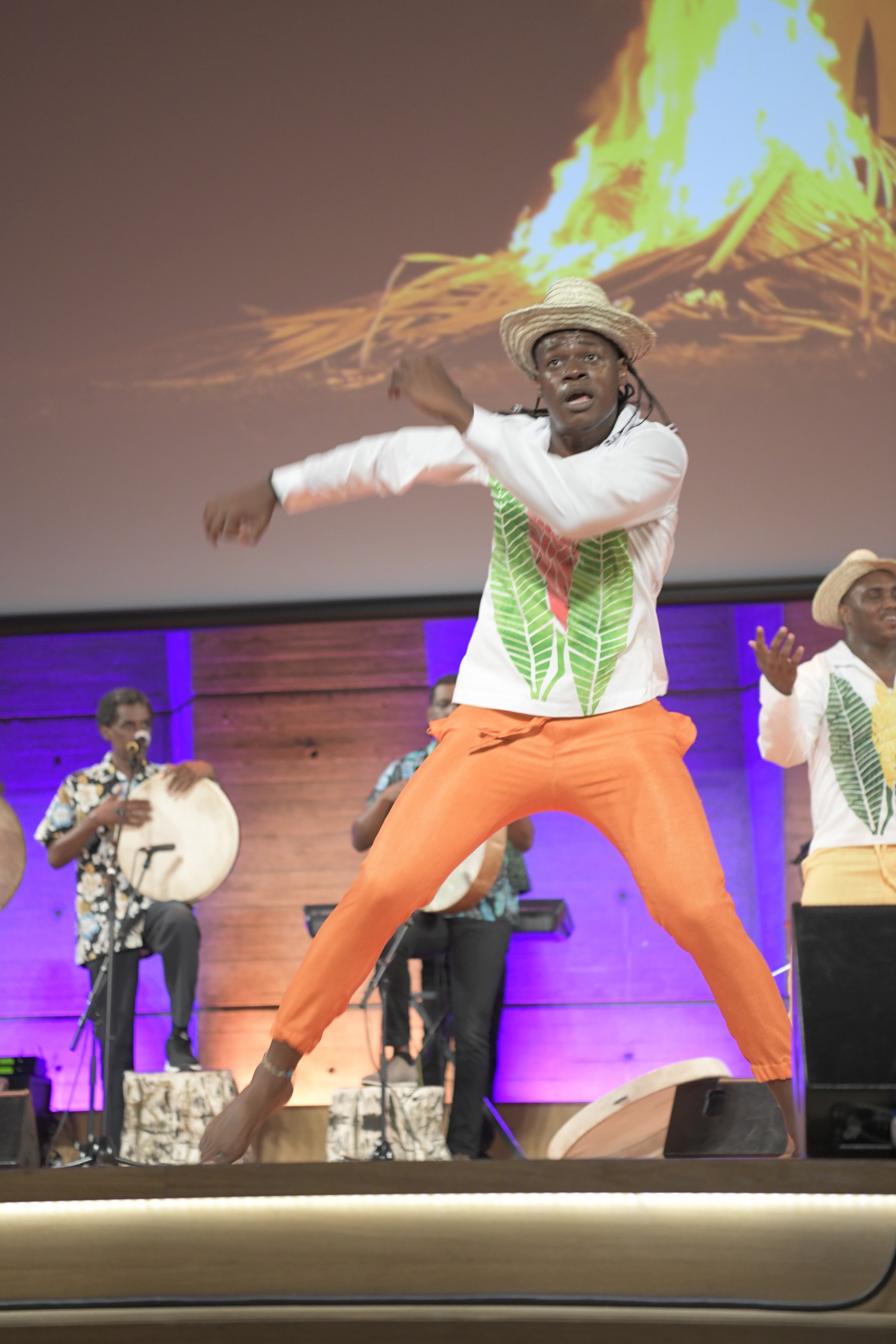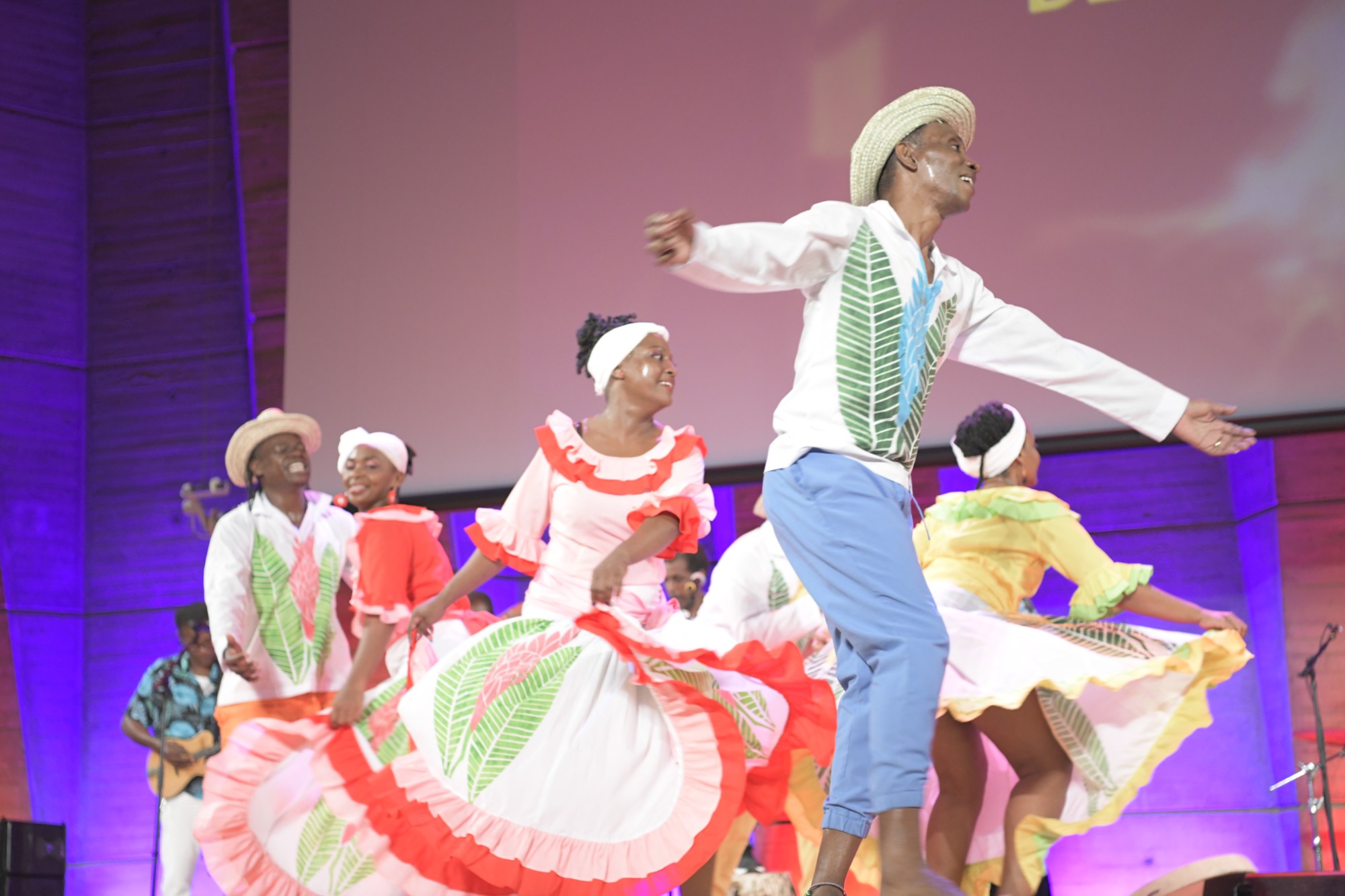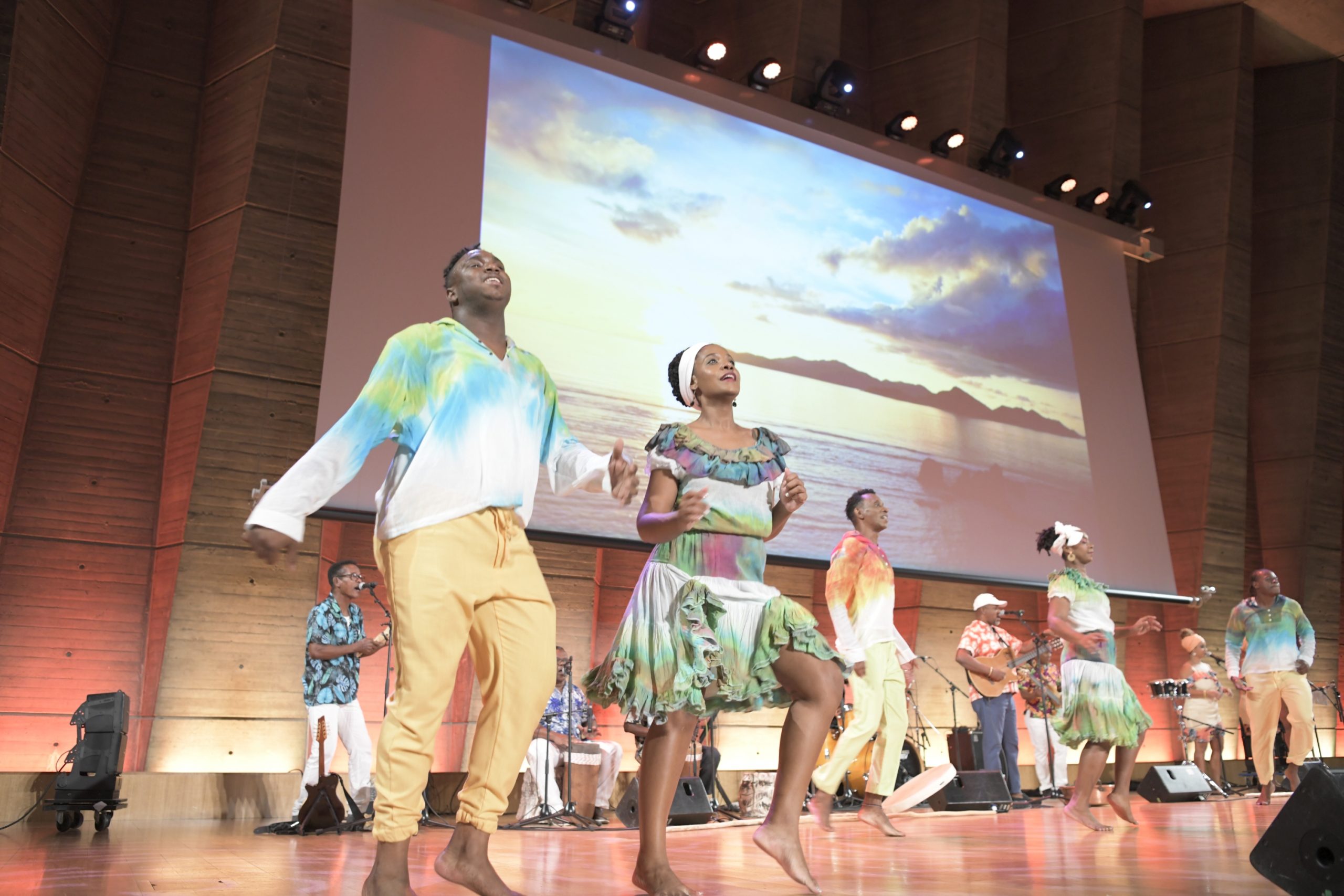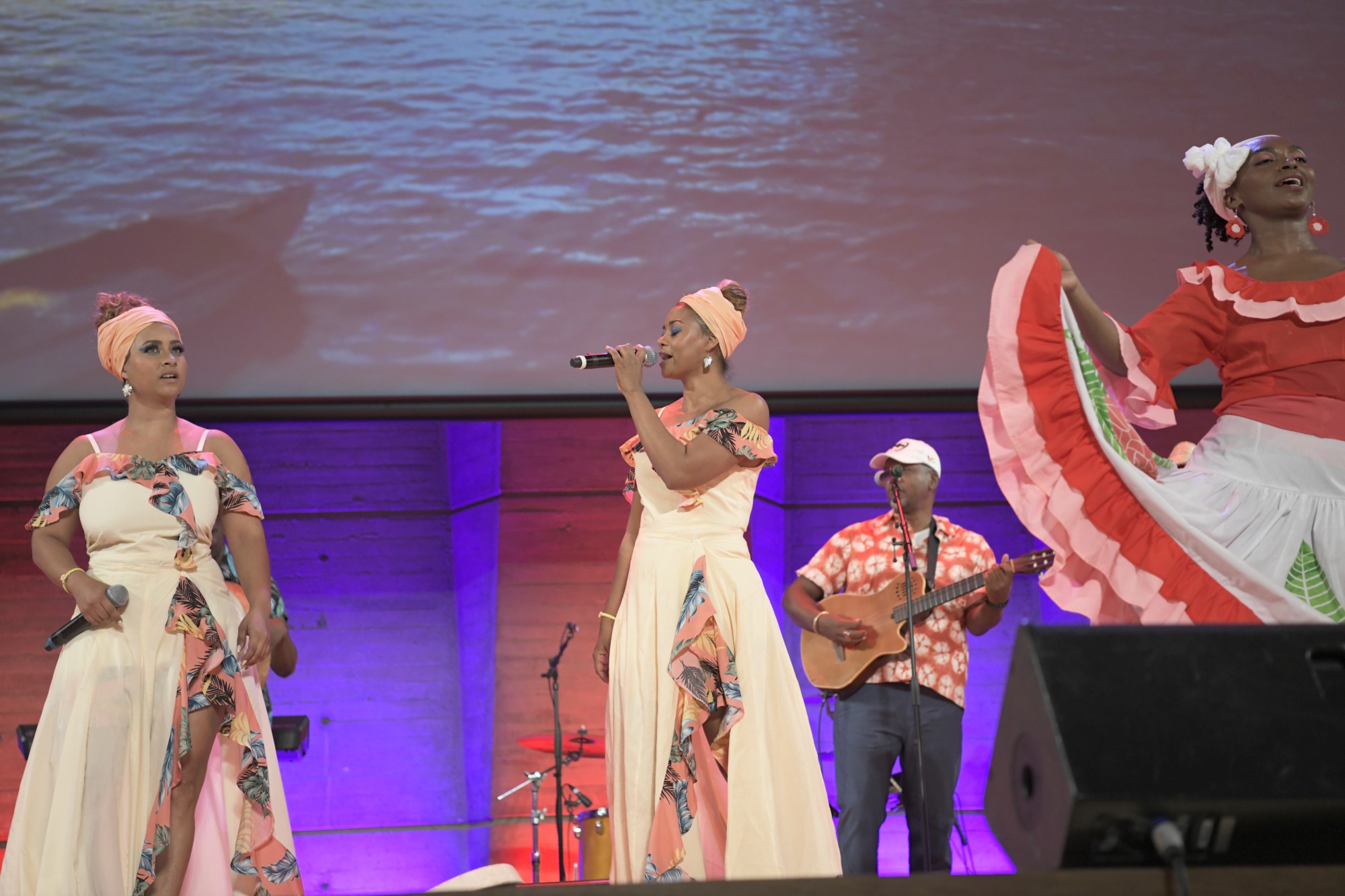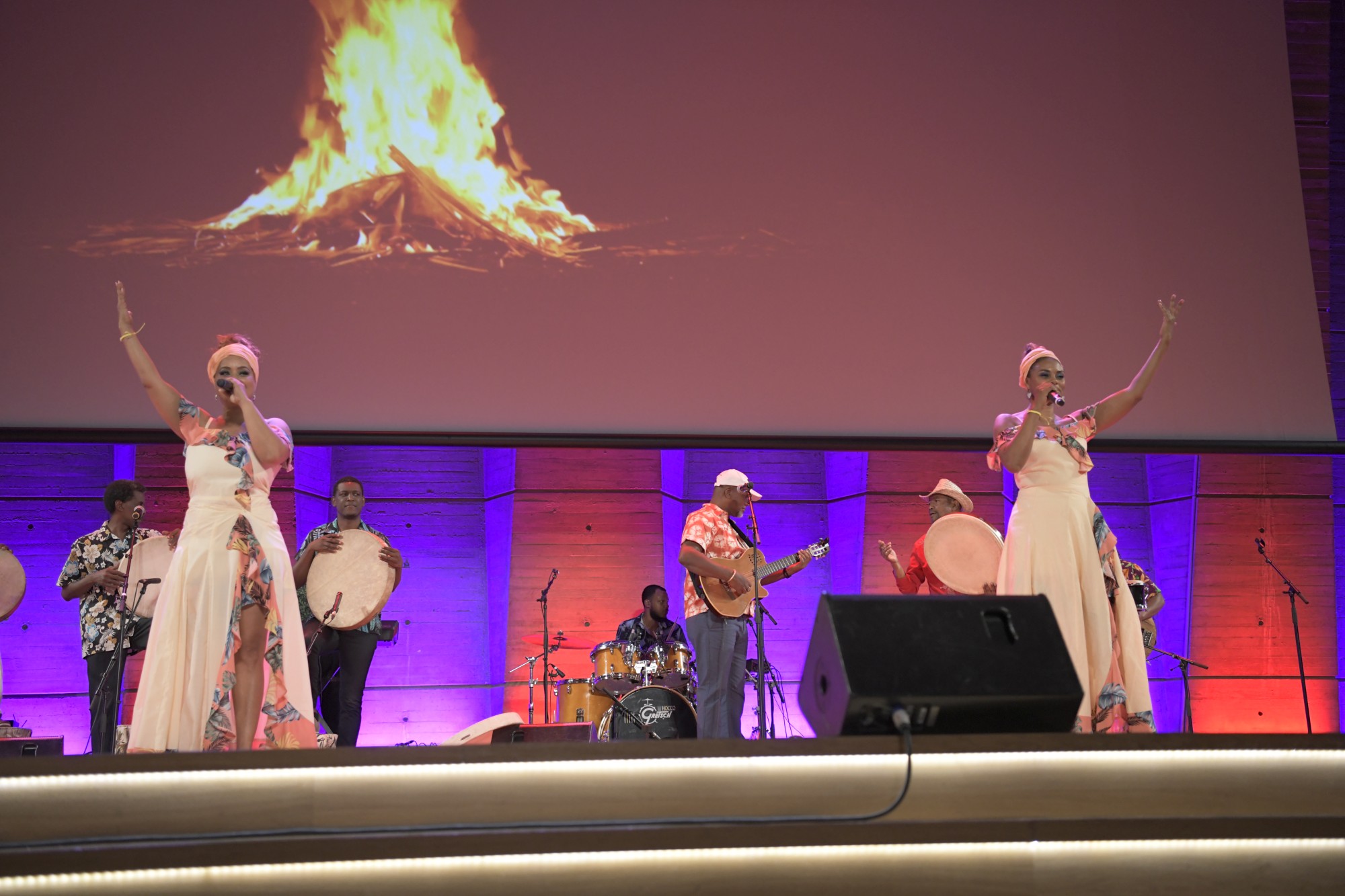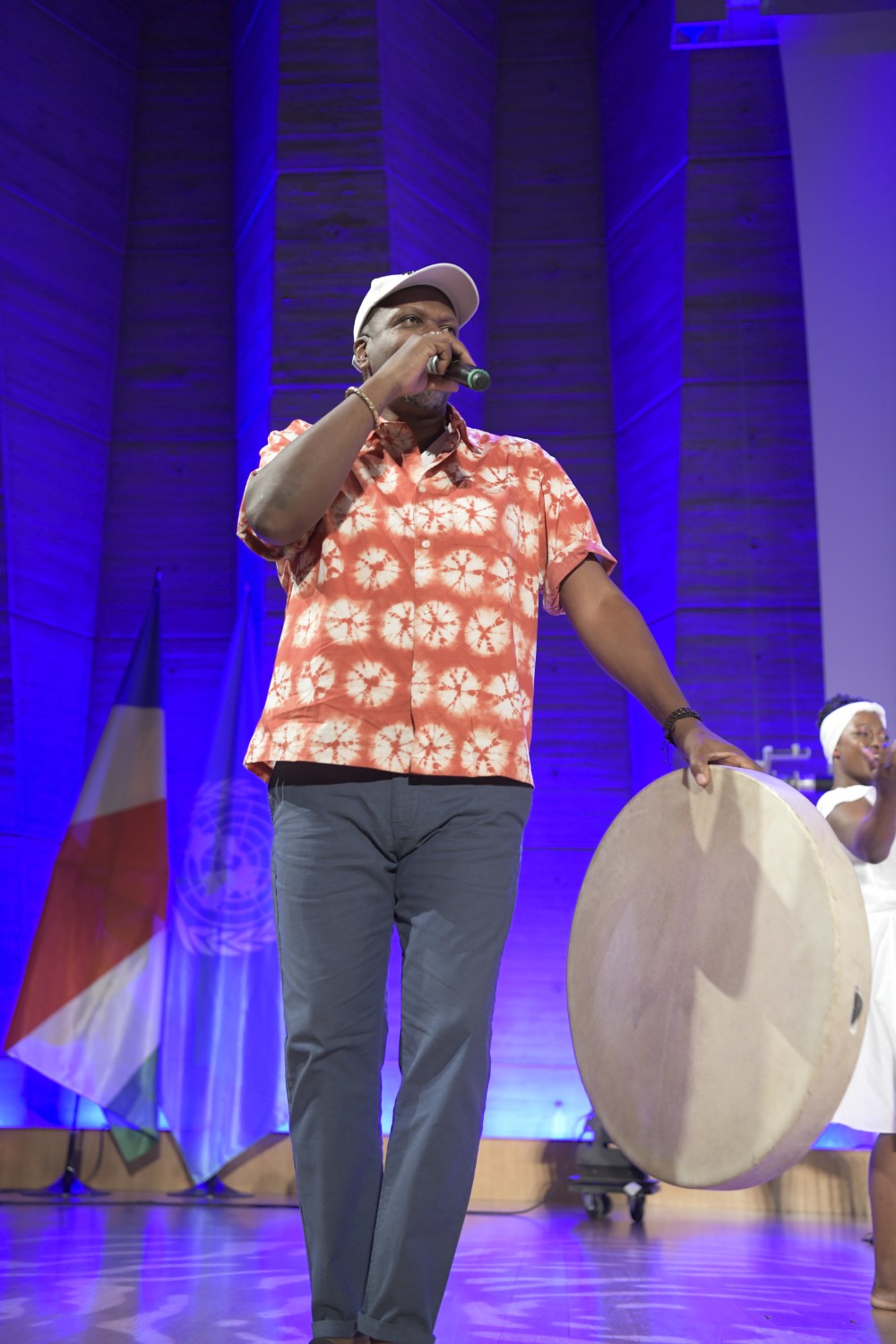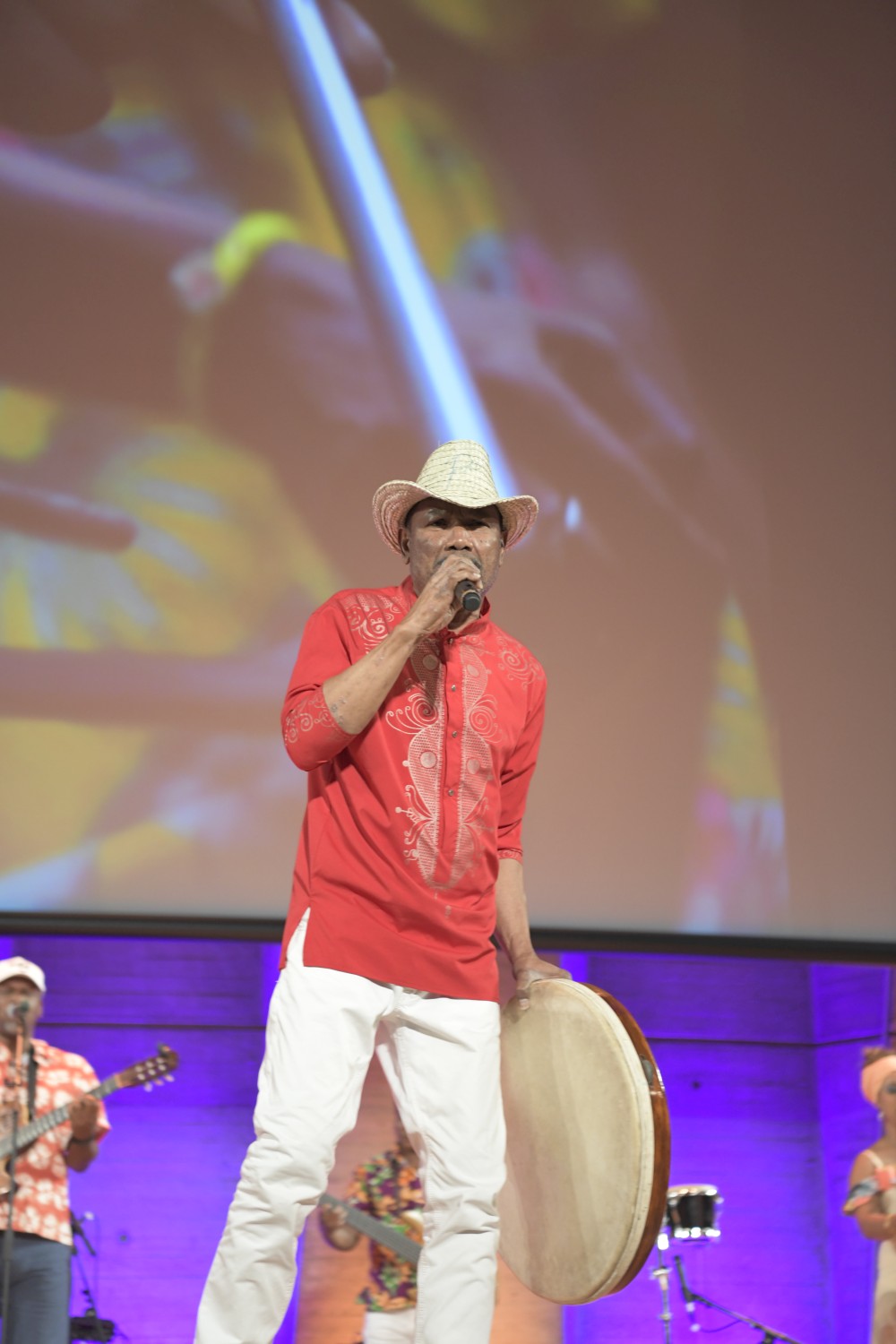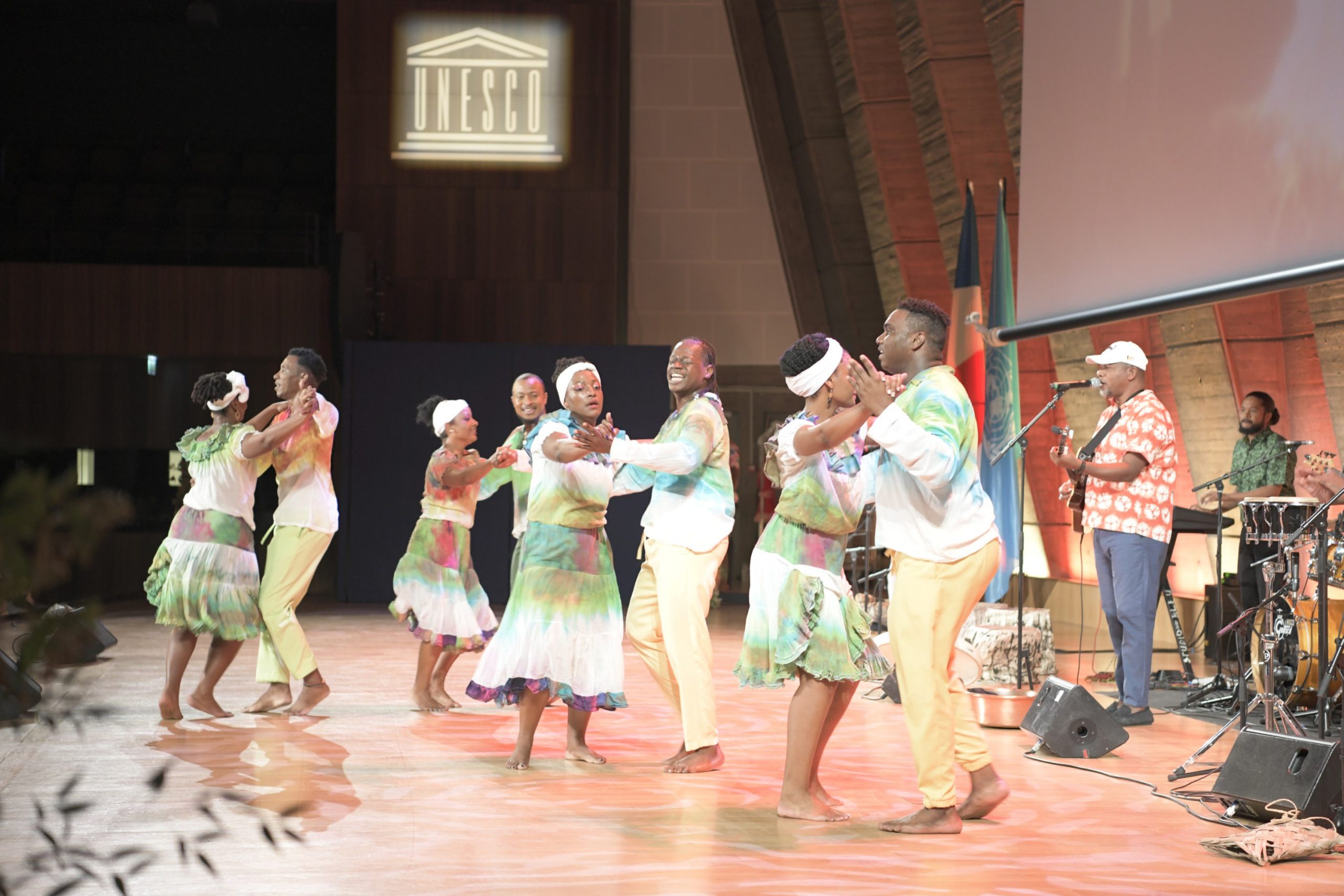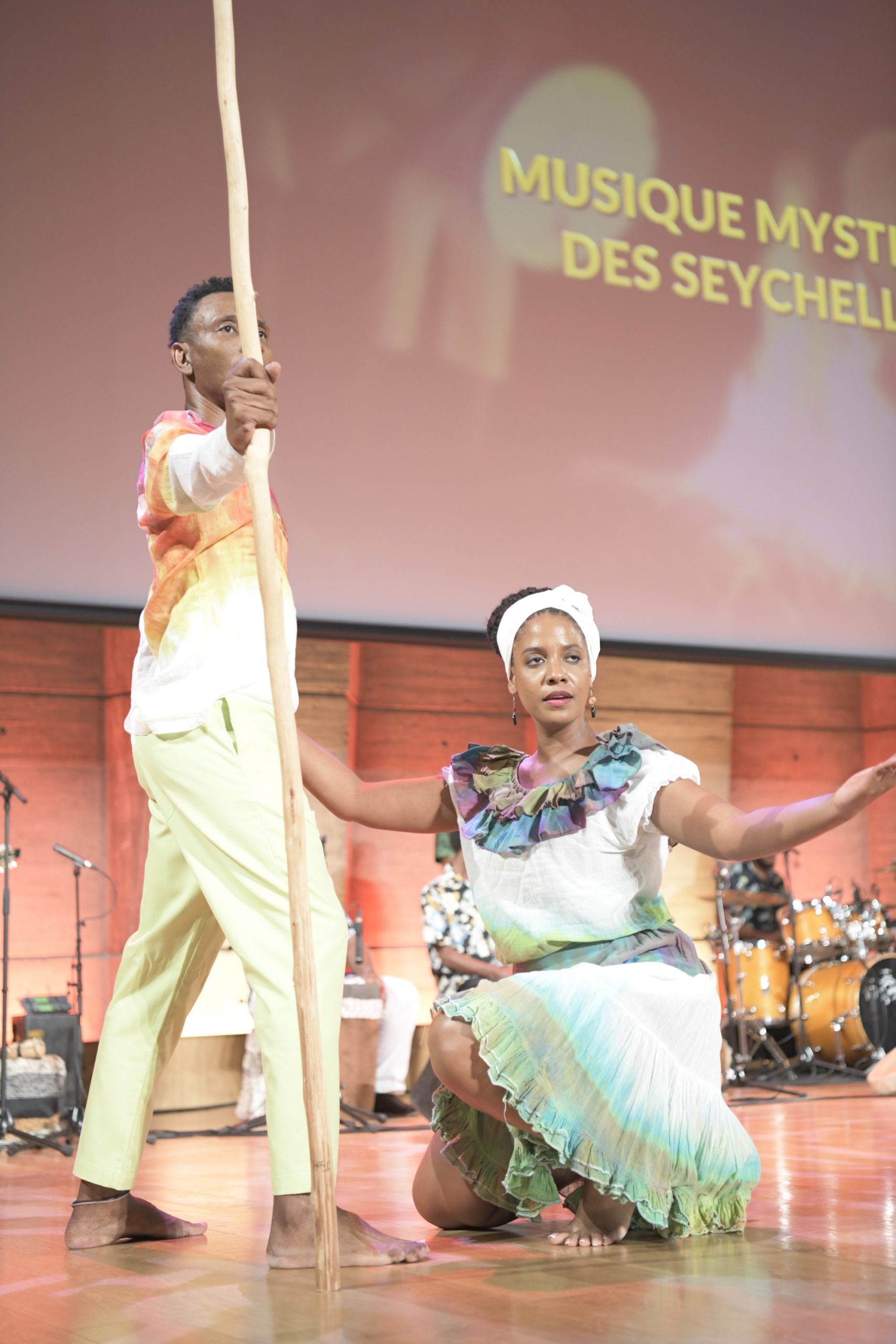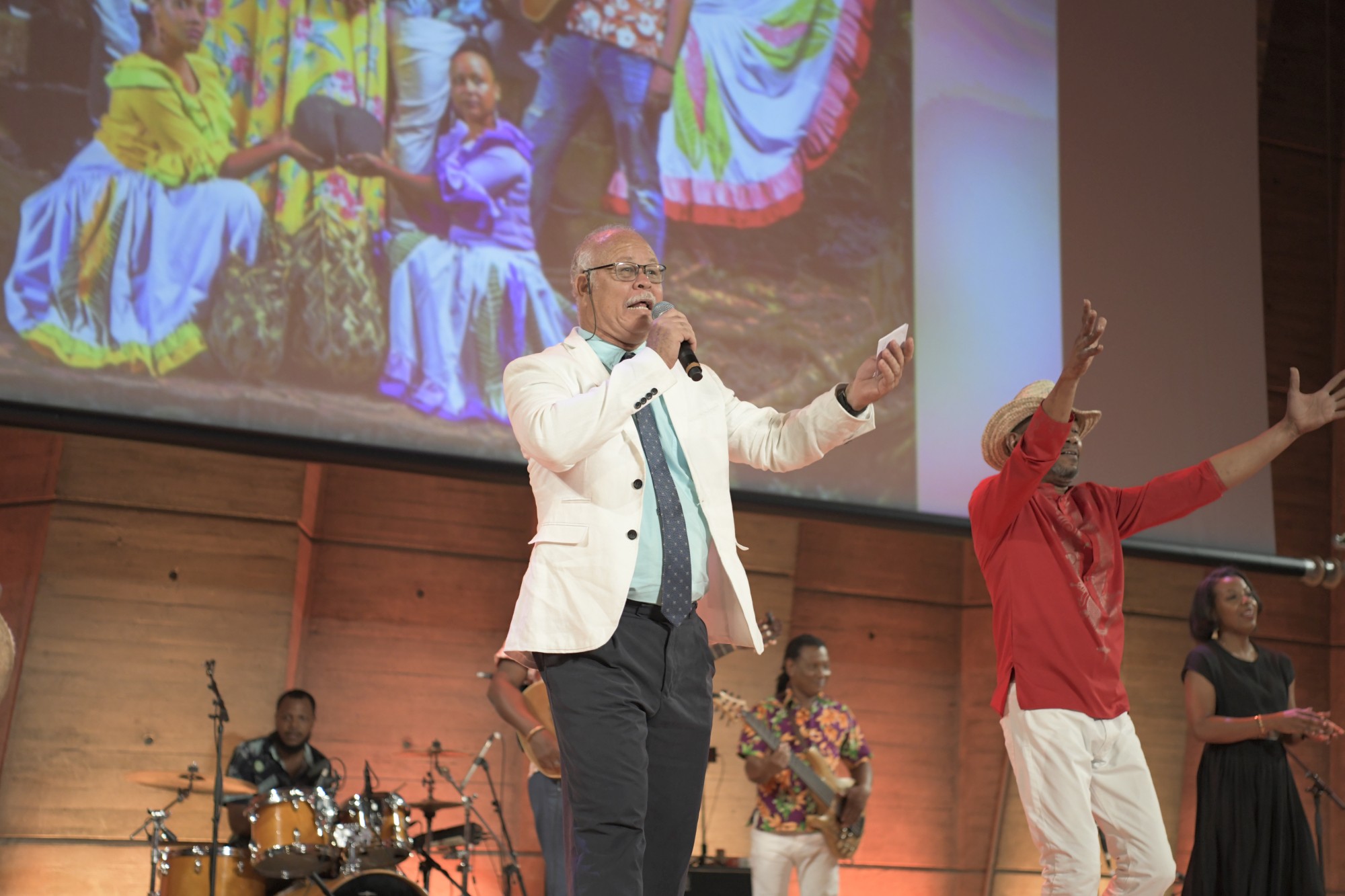
This musical concert, by a group of Seychellois artists, showcases, The Moutya dance. It depicts the appreciation of the people of Seychelles to the international community. It is represented by UNESCO as the inscription of this unique feature of Seychelles Creole culture and is added to the Representative List of the Intangible Cultural Heritage of Humanity.
The Moutya was originally performed by barefooted enslaved plantation workers on a moonlit Saturday night, where it was marginalised and relegated to the deep forests. It was prohibited and looked down upon by the upper echelons of society who scoffed at those “wretched of the earth” and their colourful language and suggestive dance. They failed to hear the central message of this dance of resistance, which was a call for the recognition of their humanity. The performers of the Moutya were calling out the soul of Seychelles, which is a yearning for a human society that mirrors the legendary beauty of the islands that made it one of the most sought-after tourist destinations in the world.
The Moutya is about human rights: people claiming nothing but their right to be free from the shackles of slavery and to live in dignity. The Moutya is human rights in poetry and dance and the inscription on the UNESCO list marks the international recognition of this right.
Thousands of people flocked to experience the ritual as it was brought to life for audiences in places such as Lyon and Normandy in France.
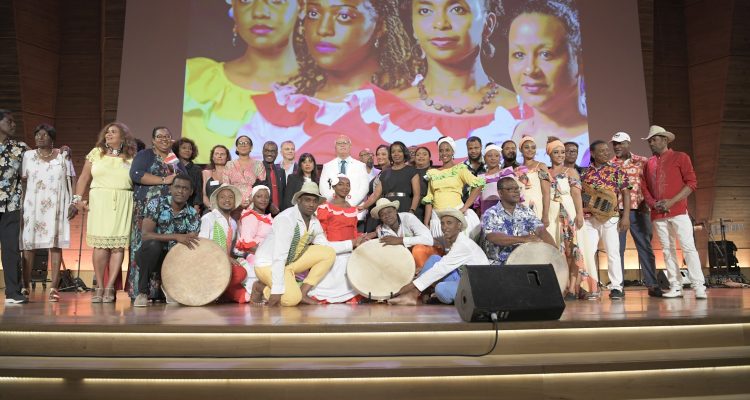
A final showcase was then held at the Maison de l’UNESO in Paris, with a number of esteemed attendees.
This included the team from International Kreol Magazine, whose honour it’s been to promote the historical inscription of the Moutya alongside the Seychelles National Institute for Culture, Heritage and the Arts.
David André, who is the Secretary-General of the Institute, led the events in France.
He is one of many people from Seychelles and the worldwide Creole community who has been filled with immense pride since the Moutya made UNESCO’s list of Intangible Cultural Heritage.
The dance was officially inscribed in December 2021, but it was felt that a larger celebration was necessary given that it is the first cultural tradition from Seychelles to receive this historical recognition.
Georgina Dhillon, Editor of International Kreol Magazine, said:
“It was truly an honour to attend the final grand performance in Paris and see the Moutya celebrated in such a special way.
The performers were absolutely exceptional, and it was clear that everyone present was enjoying the festivities.
The inscription of the Moutya is such a significant moment for both the Creole community and, in particular, the people of Seychelles.
The perseveration of these cultural rituals really is so important and it’s something we always strive to achieve with the work we do at International Kreol Magazine.”
David André, the Secretary-General of Seychelles National Institute for Culture, Heritage and the Arts, said:
“A dance which started as a means of expressing oppression and hardship is now a part of the world’s collection of masterpieces of intangible heritage.
The government of Seychelles is committed to ensuring that the Moutya not only continues to be enjoyed by the Seychellois people but also appreciated and enjoyed by as many nations as possible. Let it be known that the Moutya is the heartbeat of the Seychellois Creole culture – and it is here to keep us alive!”