

Papua New Guinea (PNG) is one of the most linguistically and culturally diverse countries in the world, home to over 800 languages and hundreds of distinct ethnic groups. While it may not be traditionally associated with Creole cultures like the Caribbean or the Indian Ocean, Papua New Guinea has a unique form of Creolization embedded in its history, language, and identity.
The nation’s colonial past, trade networks, and interactions between indigenous Melanesian societies and European settlers have shaped Tok Pisin, the country’s most widely spoken lingua franca, into a Creole language that bridges cultural and linguistic divides. Alongside its linguistic heritage, elements of Creole cultural blending are evident in music, cuisine, and social customs, reflecting the adaptability and resilience of the people.
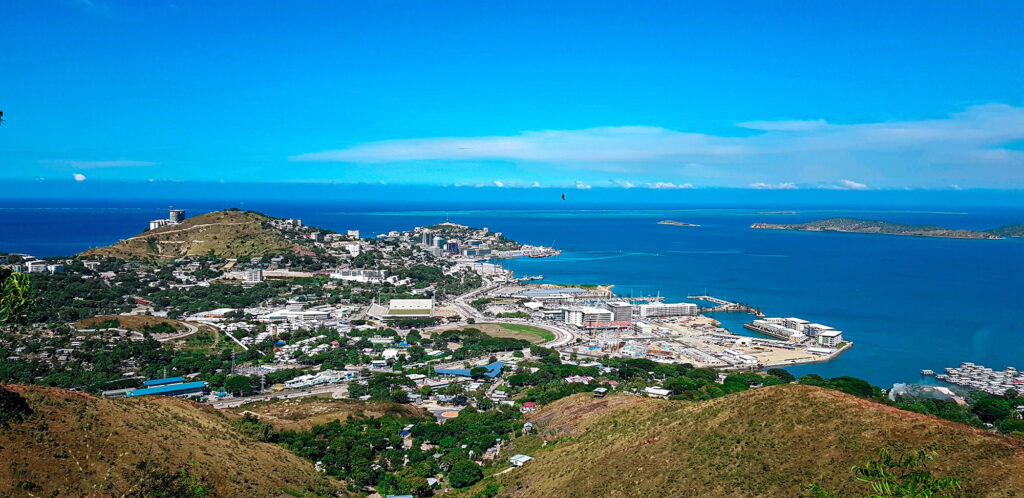
Tok Pisin: A Creole Language with Deep Roots
One of the strongest indicators of Creole influence in Papua New Guinea is the development and widespread use of Tok Pisin, an English-based Creole that emerged during European colonization and trade in the 19th century. Used initially as a pidgin language among traders, plantation workers, and colonial administrators, Tok Pisin evolved into a fully developed Creole language that is now one of PNG’s official languages and a key part of its national identity.
Key Features of Tok Pisin as a Creole Language:
English-based vocabulary: While heavily influenced by English, Tok Pisin has incorporated Melanesian and German words, as well as unique grammatical structures.
Simplified grammar: Unlike English, Tok Pisin has straightforward verb conjugations and sentence structures, making it accessible across different linguistic communities.
Indigenous influences: Many words and expressions in Tok Pisin are drawn from local Austronesian and Papuan languages, giving it a distinctly Melanesian identity.
Millions of Papua New Guineans speak Tok Pisin, a unifying language in a country with immense linguistic diversity. It functions as a language of government, education, and daily communication, much like Creole languages in the Caribbean or the Indian Ocean.
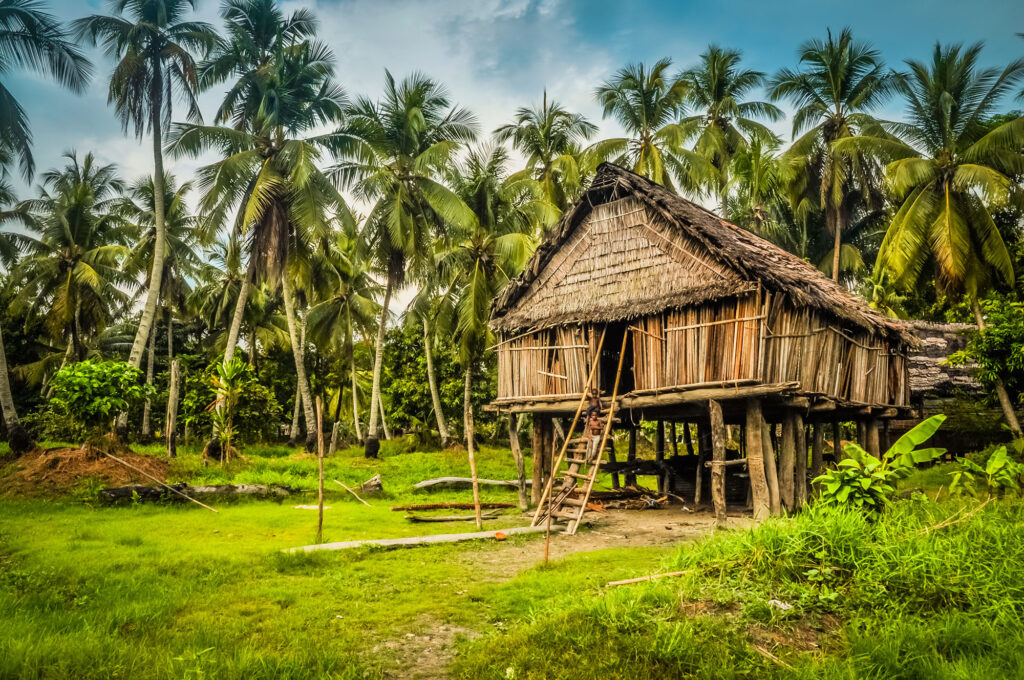
Creolisation in Music, Dance, and Storytelling
Papua New Guinea’s traditional music and dance have also undergone a process of cultural blending, influenced by indigenous and colonial interactions. Much like the Creole societies of the Caribbean, PNG’s music scene reflects a fusion of rhythms, instruments, and storytelling traditions that have evolved over centuries.
String Band Music: Inspired by Polynesian and European folk music, PNG’s string band style features guitars, ukuleles, and local percussion, much like the Creole Sega music of the Indian Ocean.
Reggae and Pacific Beats: Modern PNG music incorporates reggae, hip-hop, and Afro-Caribbean influences, similar to how Creole cultures worldwide have embraced global musical trends while maintaining local identity.
Traditional Storytelling Meets Contemporary Expression: In the same way that Creole cultures use oral storytelling to pass down history and wisdom, PNG’s sing-sing performances, where communities come together to sing, dance, and re-enact stories, serve as a powerful expression of cultural identity.
These elements showcase how Papua New Guinea’s Creolization process is not just linguistic but deeply embedded in its cultural expressions.
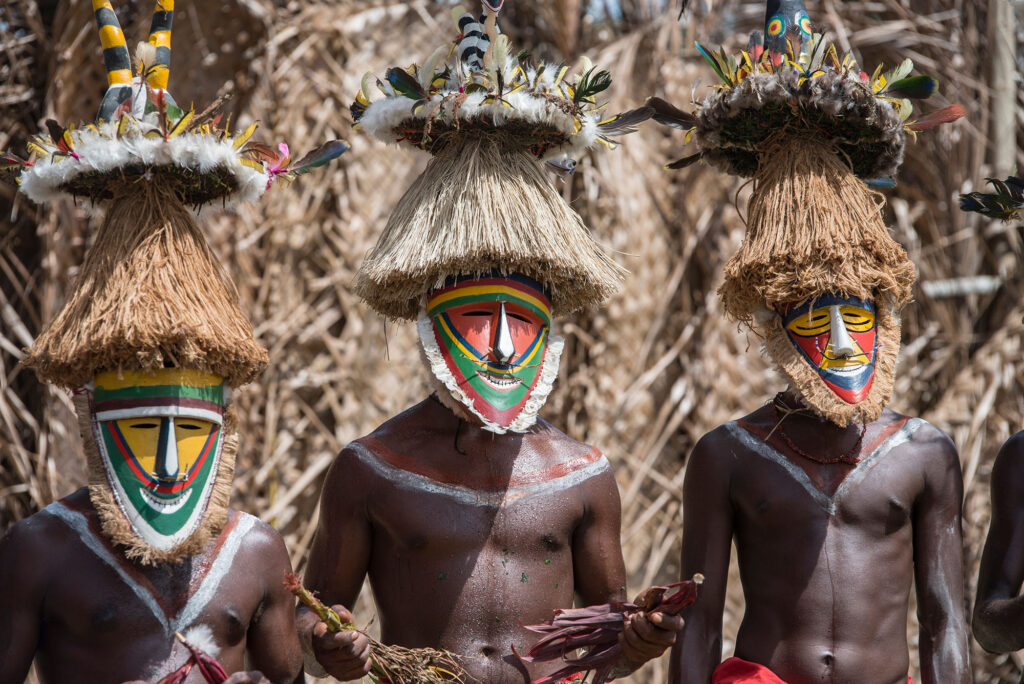
Culinary Creolization: A Melting Pot of Flavours
Food is another space where Creole culture manifests in Papua New Guinea. It blends indigenous Melanesian cooking with foreign influences introduced through trade and colonisation. Much like Creole cuisines worldwide, PNG’s food reflects a fusion of diverse culinary traditions.
Elements of Creole Influence in Papua New Guinean Cuisine:
Use of Root Crops: Like Caribbean and Indian Ocean Creole cuisines, PNG’s traditional dishes are built around cassava, taro, and yams, reflecting indigenous culinary traditions.
Introduction of New Ingredients: European settlers and Asian traders introduced rice, flour, and canned meats, which became staples in PNG’s diet, much like the blending of African, European, and Asian foods in Creole societies elsewhere.
Fusion of Cooking Methods: Traditional earth oven cooking (Mumu) has been adapted with grilled and fried dishes, showing how foreign and local techniques merge in a Creole-like culinary evolution.
Mixing local and foreign ingredients, techniques, and flavours highlights the Creole essence of Papua New Guinea’s food culture.

A Living Example of Creole Identity in the Pacific
While Papua New Guinea may not fit the classic definition of a Creole society, its history, language, music, and cuisine all exhibit strong Creolized influences. The development of Tok Pisin as a national Creole language, the fusion of musical traditions, and the blending of culinary influences reflect the same cultural adaptability seen in Creole cultures across the globe.
Papua New Guinea reminds us that Creole culture is not limited to one region—it is a universal phenomenon of cultural blending, resilience, and evolution. The country stands as a living example of how Creolization shapes language, identity, and daily life, even in Earth’s most linguistically diverse places.
