
From land-owning free people of color in an era of slavery to teachers and educators chronicling the past, the women of St. Landry Parish have left their mark on history and continue to add to the area’s intricate cultural tapestry. Here are two Creole women that reach across the fabric of time in a connection that shows they are cut from the same cloth – Manon Baldwin and Rebecca D. Henry.
Manon Baldwin was a freed slave and prominent business owner in the early 1800s. To understand her significance, you must return to colonial Louisiana. During the 18th century up until the beginning of the Civil War, St. Landry Parish had the second-largest population of free people of colour in Louisiana. While there were pockets of freed slave communities across the American colonies, the social significance of free black folks in Louisiana was undeniable. Slaves could be freed but had social restrictions. Despite these restrictions, many thrived, becoming wealthy landowners and businesspeople.
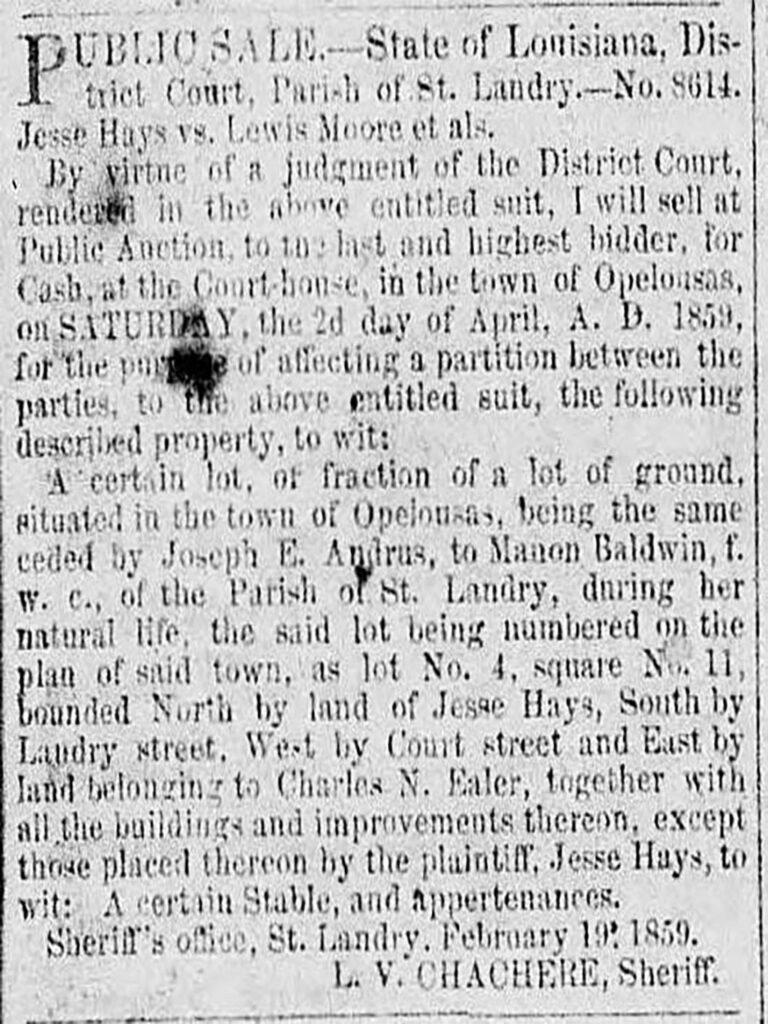
Baldwin was born into slavery between 1770 and 1776. Louisiana was under the rule of Spain’s Las siete partidas, a set of laws that made it easier for slaves to acquire their freedom. This allowed the population of freed slaves to grow. Free people of colour would even fight alongside Governor Bernardo de Galvez during the American Revolution. In 1809, Baldwin was emancipated, and Louisiana was only 6 years into its fresh identity as a territory of the newest nation in town, the United States of America. Three years later, Louisiana officially joined the Union and saw an unprecedented economic boom, one that Baldwin would benefit greatly from.
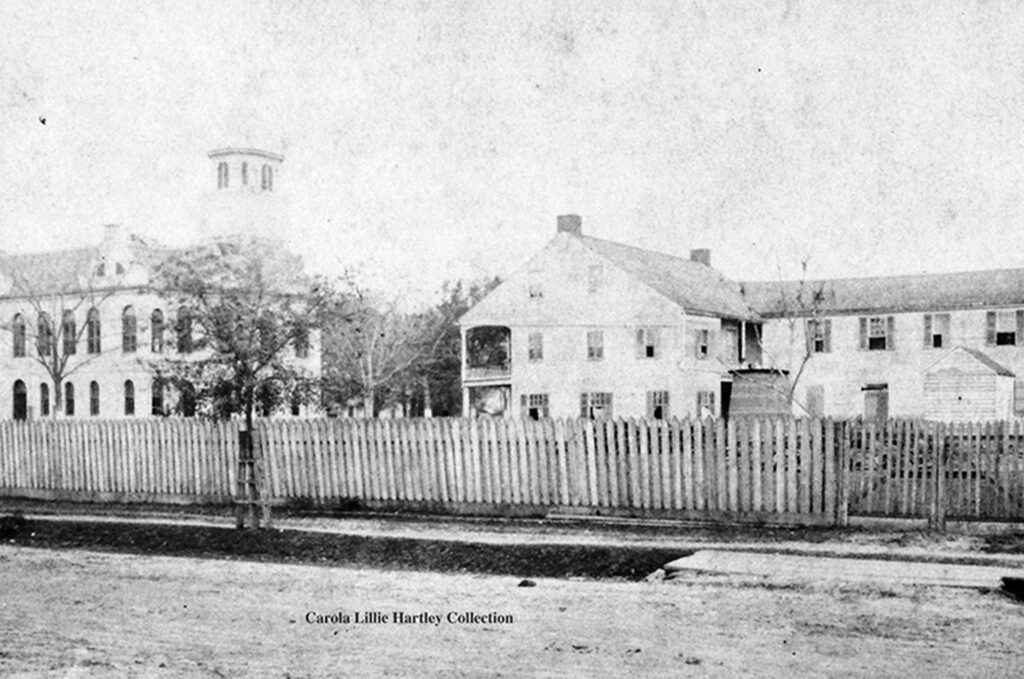
Baldwin became one of the first-documented female business owners in St. Landry Parish. A portion of the land that she owned was a business hub right next to where the St. Landry Parish Courtyard Square exists today. She had many businesses and properties, including a boarding house, a restaurant, a bar, a catering service, and even a funeral service. Her accomplishments were so significant that she was recognized in 2016 as one of the first women to be inducted into the St. Landry Parish Women Hall of Fame.
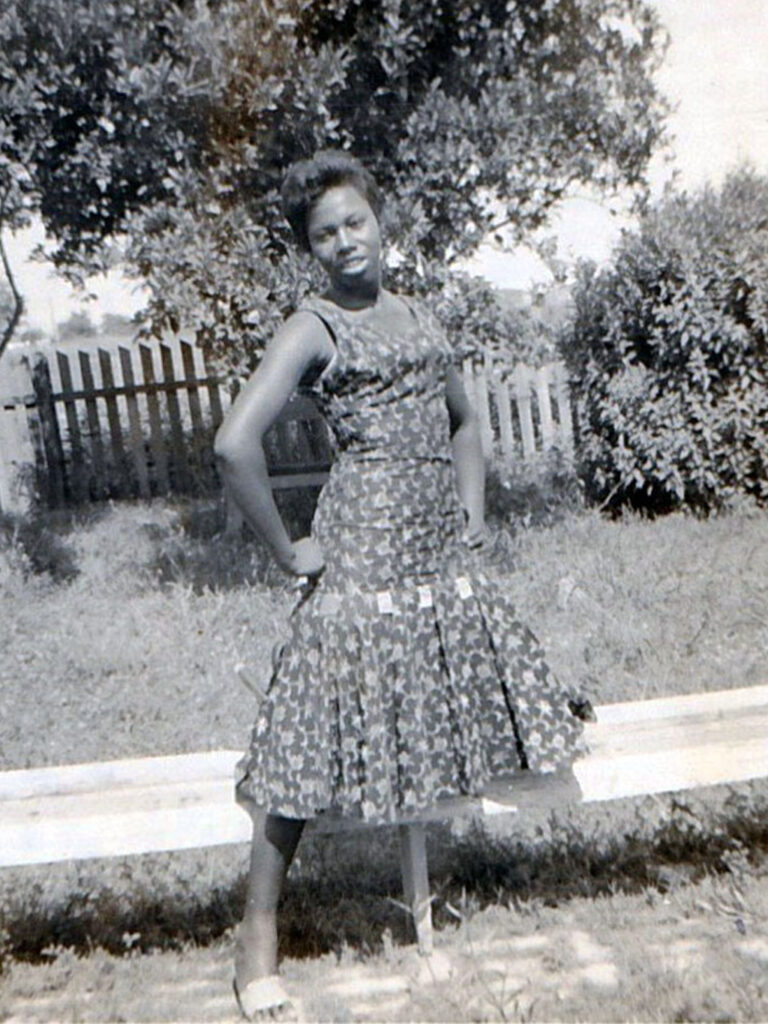
In 2019 as part of the Opelousas 300 project, an initiative to celebrate the city’s 300 years of history, a plaque describing Baldwin and her businesses was erected. You can visit Manon’s Corner in downtown Opelousas located at the northeast corner of Court and Landry streets. On that corner, Manon’s boarding house and tavern did their business until her death in 1858. It’s only a short walk away from the many local cafés and the statue of Saint Landry, for whom the parish is named.
You can learn more about the free people of colour that lived in St. Landry Parish and their social influence at the Opelousas Museum & Interpretive Center’s newest exhibit, “Still Rising: Free People of Color”. The exhibit traces the family of Creole businessman Martin Donato through the ages.
Baldwin exists as a symbol of the wealth and status that free people of colour possessed during a time when most history books only talked about slavery. Rebecca D. Henry’s legacy lies in preserving the traditions that were nearly lost in the cultural and physical oppression that followed this golden era. After the Civil War, some wealthy Creoles were still able to prosper, but even their social influence waned with Jim Crow-era laws.

Henry, a native of Leonville, a small community located along the Bayou Teche, was the child of sharecroppers. Sharecropping was a practice that emerged after the Civil War and persisted into the 1950s. The harmful and predatory practices that made life difficult for white and black farmers would only be heralded out with the mechanization of farming practices in post-World War II America.
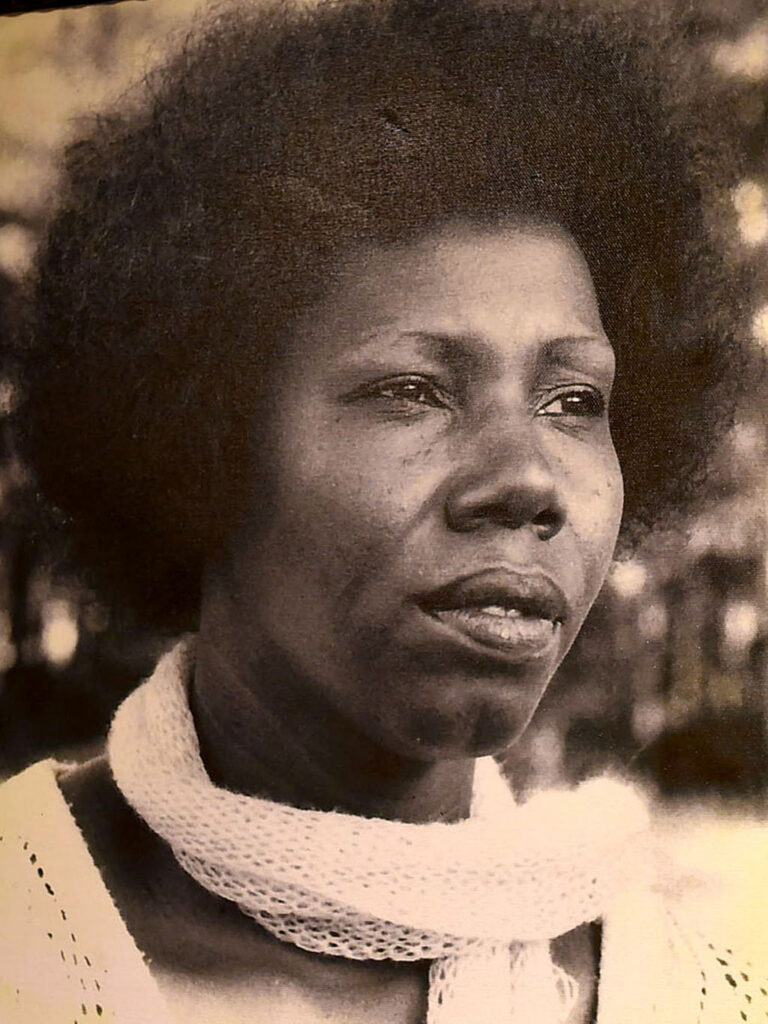
With over 80 years of life experience, Henry still has memories of the old la-la dances that were the precursor of modern-day zydeco. These dances were a relief for African Americans and their daily hardships. Long hours picking cotton in the hot Louisiana sun, and adding discrimination and violence, made for a hard existence. Henry’s childhood memories continue to inspire her art, which is on display at the Creole Heritage Folklife Center in Opelousas.
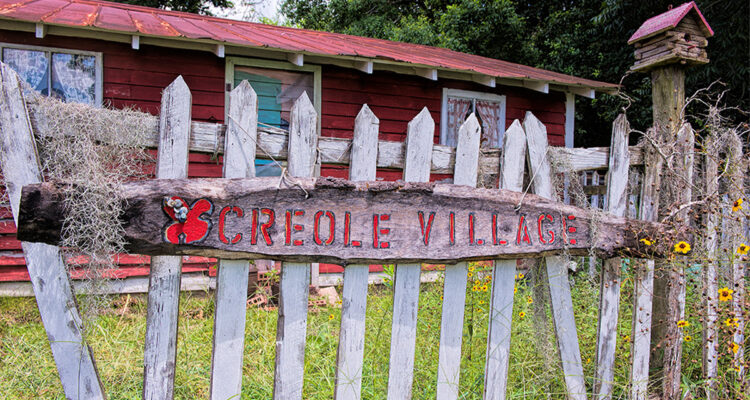
Henry’s Folklife Center is more than a gallery for her folk art and handmade works. The unassuming house in downtown Opelousas stands as a museum with exhibits and artefacts that illustrate the tumultuous history of Creoles and African Americans. Each room bounces from one theme to another. From dealing with the realities of dehumanization in the media to the traditional medicines that were practised and nearly lost to time, there is a lot for visitors to take in here. Each piece of art, graphic, and artefact is a thread that stitches together the historical tapestry of life. Henry guides you through it all, weaving together the threads in a winding narrative that incorporates her own personal accounts and interpretations.
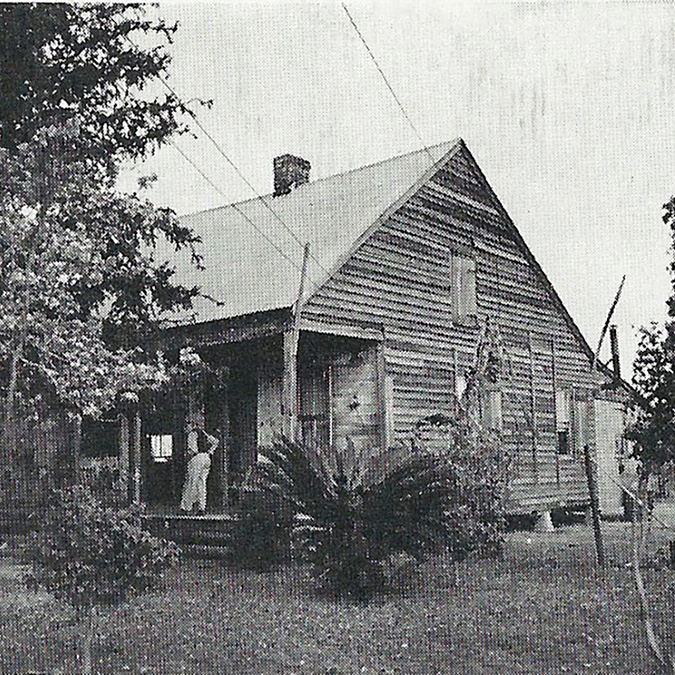
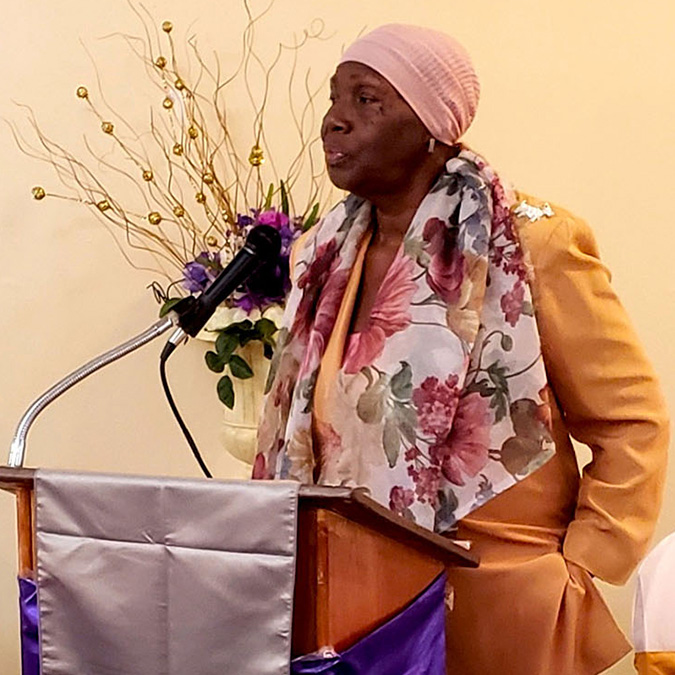
Henry was also honoured as an inductee in the St. Landry Parish Women Hall of Fame, earning her spot in 2017. In addition to her work at the centre, Henry is the organizer and founder of the Opelousas Martin Luther King, Jr. Celebration and the area’s Juneteenth Celebration. Both have been happening every year for decades. At the 2022 celebration, Henry was awarded a key to the City of Opelousas.
These two women of St. Landry Parish are cut from the same cloth. Both survived and thrived in hardship and political turmoil to become beacons of creativity and success to younger generations. Women have always found a way to succeed in the face of oppression. So, it is vital to continue to tell their stories and remember their impact.