

Dr. Rahn K. Bailey is a nationally recognized forensic psychiatrist whose career bridges the worlds of medicine, justice, and public health. Rooted in his Creole heritage, he has become a powerful advocate for mental health equity, violence prevention, and mentorship in the U.S. and globally. His work is driven by purpose, shaped by story, and grounded in a deep belief in the dignity of every person.
In the stillness of a courtroom or the chaos of an emergency room, Dr. Rahn K. Bailey has always been drawn to the same thing: the story behind the struggle. “In Louisiana, we dance zydeco, eat gumbo, and go to the Catholic church,” he said. “But we also grieve, too often, for lives lost to violence.” With that bittersweet truth, he distils the world he comes from, and the world he’s spent a lifetime trying to heal.
A nationally respected forensic psychiatrist and Chair of Psychiatry at LSU Health Shreveport, Dr. Bailey’s work lives at the crossroads of medicine, law, and community. Whether testifying in a high-stakes trial, mentoring a future psychiatrist, or helping a trauma survivor find their voice, his approach is clear-eyed and deeply human. “Psychiatry let me get to the root of pain,” he explains. “It wasn’t about prestige. It was about purpose.”
That purpose has taken him from small-town Texas to leadership roles in national medical organizations, from gun violence prevention in Louisiana to global mental health work in post-conflict zones. Along the way, he’s become known for what he knows and how he listens, with clarity, compassion, and conviction.
Behind the academic titles and professional accolades is a man grounded by his Creole roots, shaped by family, and driven by a belief that healing is not just possible, it’s necessary. “I’m still that kid from Beaumont,” he says. “Watching my parents work hard, watching my community survive and celebrate, and believing that no matter where life takes you, you carry where you come from.”
Rooted in the Bayou: A Creole Legacy
Dr. Rahn Bailey may have been born in Beaumont, Texas, but his story begins more profoundly in the southern soil, across the Louisiana border, where rice fields met swampland and culture was passed down in the rhythms of language, food, and faith. “I talk like a Texan,” he said with a smile, “but I was raised Creole.”
His maternal roots stretch deep into a small rural town south of Lafayette and Lake Charles, where his grandmother was born. Life there was marked by a unique fusion: the memory of slavery and Jim Crow interwoven with gumbo pots, Zydeco music, and French-inflected church masses. “That was our world,” Bailey said. “It wasn’t just culture, it was survival with grace.”
His grandfather, Irving Dalton LaPointe, “LaPointe with a capital P,” Bailey said with pride, was a WWII veteran who settled in Beaumont for refinery work after the war. Like many others, he crossed the border for opportunity but never left his culture behind. “You’d hear Creole French on the porch and smell jambalaya in the air. That Louisiana heartbeat came with us.”
Education was revered in his family. One of his grandmother’s brothers, Ibel, broke barriers by attending the University of Colorado in the 1950s, returning to Louisiana to become a school principal and serve on Southern University’s board. “He turned education into our family’s foundation,” Bailey said. “And because of that, we’ve got generations of college graduates.”
That spirit of progress and deep cultural pride echoes in Bailey’s life. His wife’s family hails from Opelousas, Louisiana, and carries many of the same traditions. “Her aunt spoke only Creole French,” he remembered. “I couldn’t keep up, but just listening felt like hearing our history in real-time.”
For Bailey, Creole heritage is a living, breathing compass. “It’s not about nostalgia,” he said. “It’s about identity, how we love, mourn, and rise.”
Education & the Journey into Psychiatry
Long before Dr Rahn Bailey became one of the nation’s foremost forensic psychiatrists, he was a young boy watching his grandmother care for an ageing relative with Alzheimer’s. “I remember seeing her feed him, bathe him, talk to him,” he recalled. “He didn’t know who she was, but she never stopped loving him.”
That early image stuck with him. Not because he fully understood the disease then, but because he recognized the devotion and mystery behind the human mind. “It fascinated me that someone could be physically present, but mentally… somewhere else,” he said.
Still, psychiatry wasn’t his first academic calling. He initially leaned toward general medicine at Southern University, where his parents and extended family had studied before him. However, as he progressed through medical school at the University of Texas Medical Branch in Galveston, something clicked during his rotations. “When I got to psychiatry, I stayed late, reading more than I had to. I wasn’t trying to impress anybody, I was just genuinely drawn in.”
Something deeply human about psychiatry also appealed to his sense of purpose. “People weren’t just coming in with broken bones,” he said. “They were coming in with broken spirits. And I felt like I could do something about that.”
He recognized early on that mental health care, especially in Black communities, was often misunderstood or neglected. “We don’t talk about mental illness the way we should,” Bailey said. “And yet, we carry trauma, generational trauma, like luggage. It affects how we parent, perform, and live.”
That understanding fueled his desire not just to become a doctor but to become a healer. Psychiatry, he felt, offered a window into people’s deepest pain, and, more importantly, a way out. “I didn’t want to treat symptoms,” he explained. “I wanted to understand causes. And I wanted to help people reclaim their lives.”
His journey was guided by mentors, shaped by patients, and driven by a quiet conviction that mental health was a key to unlocking broader health and societal wellbeing. “I saw that if we don’t address the mind, everything else falls apart,” he said.
It wasn’t always easy, especially entering a field still steeped in stigma and underrepresentation. But Bailey never shied away. “I knew I had a place here,” he said. “I just had to keep showing up, doing the work, and speaking the truth.”
And speak the truth he did, from clinics to classrooms, from courtrooms to communities, carrying the same gentle strength he once saw in his grandmother.
Forensic Psychiatry & Advocacy
While many medical professionals follow a traditional diagnosis and treatment path, Dr. Rahn K. Bailey carved out a career at the powerful intersection of medicine and law. “Forensics,” he explained, “just means medical-legal. It’s where your medical training is used to answer a legal question.” That definition, though straightforward, belies the immense complexity and humanity of the work he’s been doing for over 30 years.
Dr. Bailey’s entry into forensic psychiatry began early in his career, during residency. “I cut my teeth on forensic testimony as a second-year psychiatry resident in Houston,” he recalled. At a time when hospitals were beginning to host courtroom hearings onsite for patients undergoing civil commitments, Bailey found himself standing before judges, testifying about individuals at risk of self-harm. That experience sparked what would become a lifelong passion. “I fell in love with it,” he said. “It teaches you to be impartial, skeptical but not cynical, and to have a backbone. At some point, you’ve got to make a decision and stand by it.”
Over the years, Bailey has testified in court hundreds of times, possibly more. But it’s not just about court appearances or writing meticulous 25-page reports, though he does plenty of that. What sets Bailey apart is his clarity of purpose and insistence on fairness, especially for marginalized communities often left behind by the legal and healthcare systems. His reports don’t just assess mental state; they tell a story with empathy and rigor that can change a life.
“I’ve always been fascinated by the human mind,” Bailey shared. “But I also wanted to work where I could challenge the assumption that psychiatry was somehow ‘less real’ than other medical fields.” He brought that conviction into psychopharmacology, especially for underserved populations. Dr. Bailey has tackled some of the most complex and often controversial cases, from addiction and criminal responsibility to workplace assessments and fitness-for-duty evaluations.
His work with law enforcement and federal agencies like the FBI has increased his breadth. “Some of my most exciting early work was assessing whether individuals had the mental state to become FBI agents. You’d be surprised what people say or do,” he said with a wry smile.
But it’s not all courtroom drama and criminal evaluations. One of his core areas of focus now is violence prevention, where he combines clinical insight with deep community engagement. “I call it the sixth vital sign,” Bailey noted. “We always ask about heart rate, blood pressure, temperature… We added pain as the fifth. Now we should ask: Is there a gun in the home?”
From town halls and radio shows to community roundtables, Bailey pushes for public health solutions to gun violence, calling out the irrational ease of access to weapons in America. “If you can go to a gun show and buy a military-style weapon in minutes with no background check, something’s wrong. You don’t need that in a suburban home.”
His optimism remains unshaken, even in the face of daunting statistics. “Do I think gun violence can be fixed? Yes. Will it happen in a few years? Probably not,” he admitted. But he finds hope in examples like Australia, where cross-sector collaboration led to sweeping reforms after a mass shooting. “We need that kind of unity here, among doctors, police, educators, business leaders.”
In all this, Bailey never loses sight of the core mission: helping people. Whether it’s keeping someone out of jail, guiding them toward sobriety, or advocating for systemic change, his voice remains clear and steady. “It’s not always about curing someone,” he said. “Sometimes the win is helping them go from five drinks a day to one. Or keeping a family together. Or giving someone the tools to help others.”
For Dr. Bailey, psychiatry, especially forensic psychiatry, isn’t just about the mind. It’s about justice, dignity, and understanding the whole human story.
Dr. Rahn K. Bailey – Leadership in Psychiatry & Mentorship
At every stage of his career, Dr. Rahn K. Bailey has been more than just a clinician; he’s been a leader, a mentor, and a change-maker in academic medicine. From directing one of the nation’s largest public psychiatric departments to chairing medical schools across the country, his influence has shaped policies, institutions, and generations of young doctors.
“It’s not just about how well you treat patients,” he said. “It’s also about how well you develop people. That’s legacy.”
Dr. Bailey’s leadership journey began early. In the 1990s, he became the first psychiatrist in the U.S. to lead a public hospital department that managed more than 100,000 psychiatric visits per year, at a time when neurologists or general administrators led most such departments. “They told me a psychiatrist wouldn’t be able to manage such a large operation. That was all the motivation I needed.” He restructured the service, improved patient outcomes, and set a new standard for public psychiatric care.
From there, he stepped into top roles at historically Black medical schools, including chairing psychiatry departments at Meharry Medical College, Howard University, and later, LSU. These were not easy posts. Funding challenges, high patient loads, and a shortage of diverse faculty meant that progress often required more than vision—it demanded strategy, resilience, and relentless advocacy.
“I never took on easy jobs,” he admitted with a chuckle. “But I always saw the opportunity to create impact, especially for Black and Brown students who didn’t have many people who looked like them in leadership.”
That belief in visibility and representation fuels his passion for mentorship. Over the years, he’s guided hundreds of students and trainees, many of whom are now leaders in their own right. He makes time for career advice, writing letters of recommendation, and helping students understand the unspoken rules of navigating medical academia. “Sometimes you just need someone to tell you, you belong here.”
For Dr. Bailey, mentorship is not a side project; it’s central to his identity. He’s especially attuned to the weight that Black students and professionals carry in elite spaces, often silently. “There’s still a lot of ‘impostor syndrome’ out there,” he said. “I always tell my students: don’t doubt your brilliance. You’re not lucky to be here, you’ve earned it.”
One of his proudest accomplishments is helping underrepresented students match into competitive residency programs nationwide. “You see someone who grew up in rural Mississippi or a tough part of Detroit, and you help them get into Harvard or UCSF. That’s the work.”
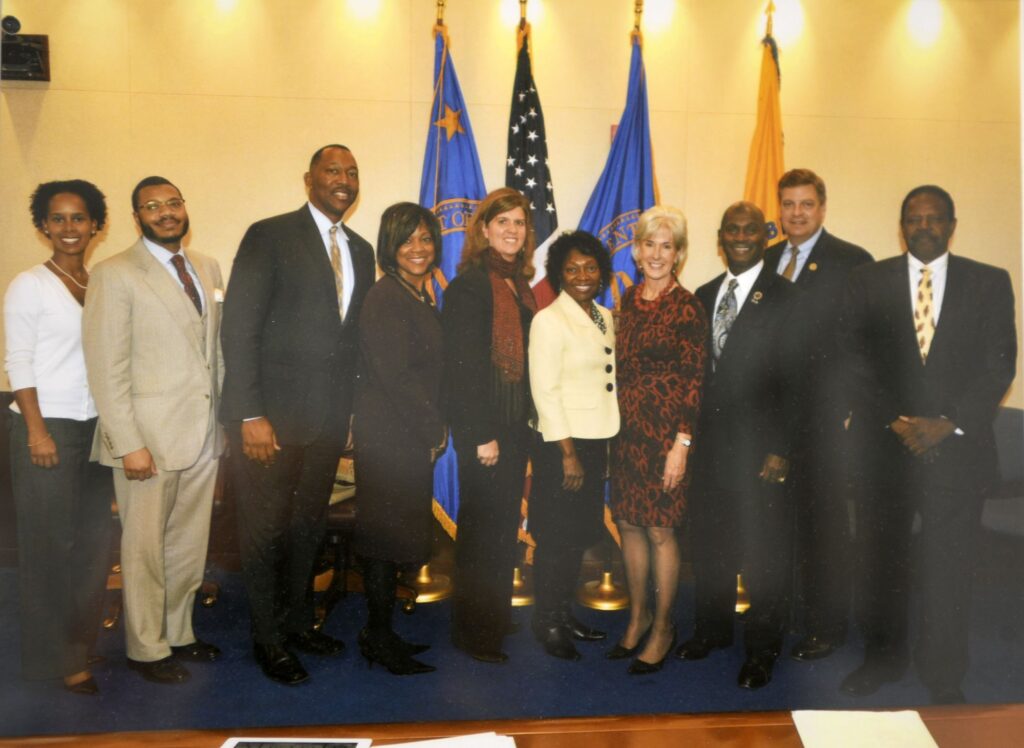
His leadership also extends to national policy, as the 139th President of the National Medical Association (NMA)—the largest and oldest organization representing African American physicians, Dr. Bailey advocated for health equity, mental health access, and workforce diversity. “We have to change the pipeline,” he stressed. “We can’t keep saying there’s a shortage of Black doctors if we’re not investing in high school students, mentoring undergrads, supporting residents.”
Whether he’s leading a department, testifying before Congress, or guiding a struggling student, Bailey brings the same clarity of purpose. “Leadership is not about titles,” he said. “It’s about accountability. It’s about being the person people trust to do the right thing, even when no one’s watching.”
Achievements & Recognition: Championing Equity, Leadership, and Legacy
Throughout his remarkable career, Dr. Rahn K. Bailey has not only led departments and shaped policies but also left an indelible mark on psychiatry, forensic medicine, and public health advocacy. His leadership journey spans decades and institutions, always underpinned by a commitment to serving marginalized communities and advancing mental health equity.
Currently, Dr. Bailey serves as the Kathleen & John Bricker Chair and Professor of Psychiatry at LSU Health Sciences Center, where he also holds the role of Assistant Dean for Community Engagement. In 2024, he was appointed as the Academic Medical and Psychiatric Director for the New Orleans Correctional Justice Center’s Mental Health Services Unit—a role that allows him to address the mental health needs of some of the city’s most vulnerable populations at the intersection of healthcare and criminal justice.
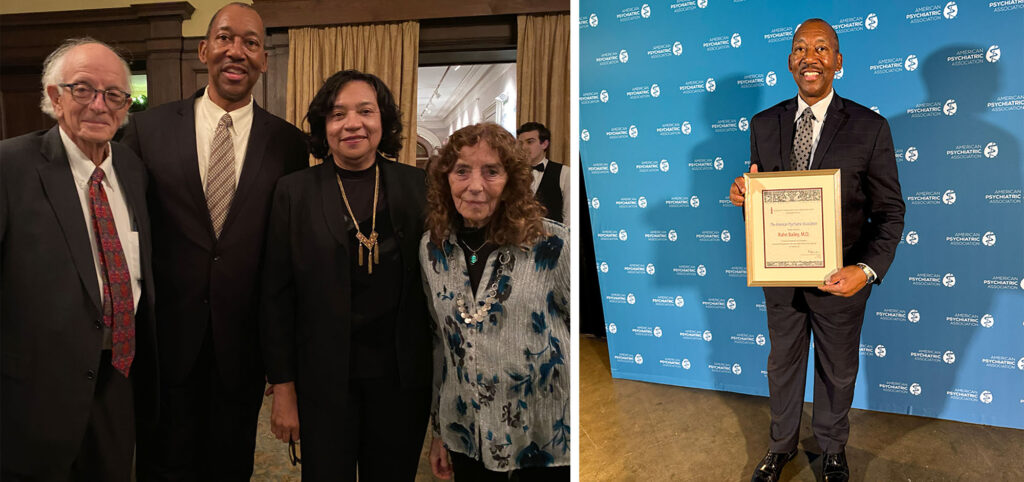
His contributions to forensic psychiatry and public mental health have been widely recognized, including his election as Chair of the American Psychiatric Association’s Caucus on Global Mental Health and Psychiatry (2023–2025), where he brings a Creole-rooted, culturally sensitive approach to global mental health discourse. In 2024, the APA honored him with the prestigious Solomon Carter Fuller Award for advancing minority mental health and workforce diversity.
While Dr. Bailey made a strong bid as a candidate for the 2025 President-Elect of the American Psychiatric Association, his leadership continues to shine in other key arenas. He was recently elected President-Elect of the Black Psychiatrists of America, a role he will formally assume in November 2025. In this capacity, he aims to amplify Black psychiatrists’ voices further and champion systemic change in mental healthcare delivery.
His prolific academic contributions include 86 peer-reviewed articles published across more than 20 esteemed journals and three seminal books: Health Disparities (2013), Gun Violence: A Psychiatrist’s Perspective (2018), and Intimate Partner Violence: A Forensic Review (2020). These works not only explore forensic psychiatry but also boldly confront the societal and systemic drivers of violence, inequity, and stigma.
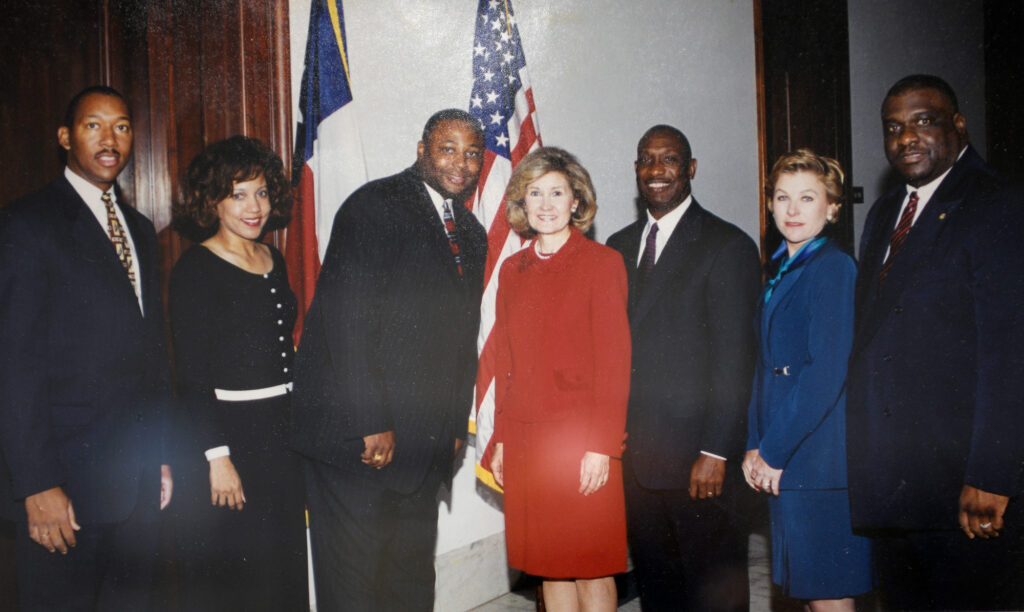
Dr. Bailey’s service extends beyond academia into national advocacy. He served as the 113th President of the National Medical Association (NMA), Chairman of the NMA Board of Trustees, and Chair of the NMA/Cobb Research Foundation. He was named NMA Physician of the Year during the Hurricane Katrina crisis, a time when his leadership helped communities navigate both medical and psychological devastation.
Other accolades include the AMA Co-Chairmanship of the Commission to End Health Disparities (2012–2013), the Outstanding Faculty Member Award at UT Houston (2000), and a six-year term on the Rutgers State University Board of Trustees (2014–2020).
Whether leading, writing, mentoring, or speaking, Dr. Bailey remains, at his core, an advocate for patients, for young professionals, and for communities too often left unseen. “Titles come and go,” he frequently reminds his mentees, “but what matters is the lives you change and the systems you leave better than you found them.”
Creole Roots & Global Perspective
For Dr. Rahn K. Bailey, identity is not simply inherited; it’s lived, carried, and passed forward with intention. Though he was born in Beaumont, Texas, his cultural compass has always pointed east toward the bayous and parishes of Louisiana. “My people come from just south of Lafayette and Lake Charles,” he said. “That’s rice field country. Swampland. Deep Creole Louisiana.”
That foundation, built on the Catholic faith, French dialects, large families, and stories shared over steaming pots of gumbo, continues to inform who Bailey is and how he sees the world. Irving LaPointe’s grandfather left Louisiana for work in Texas after serving in WWII, but the Creole spirit never left the family. “We didn’t just relocate,” Bailey explained. “We brought the rhythm, the reverence, and the resilience with us.”
His wife, Theresa, shares that same lineage; her family hails from Opelousas, a cultural stronghold of Creole Louisiana. Bailey still recalls sitting with one of her aunts, listening to her speak Creole French in a cadence he couldn’t quite follow but instantly felt. “It was like music,” he said. “Not just in sound, but in soul.”
That profound connection to heritage has shaped Bailey’s global sensibilities. From Baton Rouge to Johannesburg, he approaches every patient and community with the same core belief: culture is not an accessory to medicine, it’s essential to healing. “You don’t treat a diagnosis. You treat a person. And people come with culture, history, faith, and story.”
Bailey’s travels to Haiti, Senegal, Ghana, Liberia, and South Africa have deepened this conviction. He has delivered care in war zones, trained local clinicians, and helped rebuild shattered systems with little more than trust, time, and tenacity. “The hospital in Liberia we supported hadn’t seen that level of medicine in years,” he said. “It humbles you. And it changes you.”
As Chair of Global Mental Health for the American Psychiatric Association, Bailey now works to formalize this ethos, creating toolkits for medical schools and shaping cross-cultural mental health policy. He sees cities like New Orleans as ideal laboratories for this work. “You want to understand global psychiatry through a local lens? Start in New Orleans,” he said. “It’s Creole. It’s African. It’s French. It’s trauma and triumph all wrapped into one.”
For Dr Bailey, being Creole isn’t just a personal truth; it’s a global framework that values dignity, honors resilience, and recognizes the power of cultural fluency in medicine. “Our stories,” he said, “are global. When you carry your roots with you, the beauty is that you never walk into a room alone.”

Forensic Psychiatry & Criminal Justice Reform
Dr. Rahn K. Bailey never set out to be a forensic psychiatrist. Psychiatry was far from his first love during medical school. “I thought I was going to be a cardiologist,” he laughed. “But life has a funny way of calling you where you’re most needed.”
That call became louder during his residency at Wake Forest University. He encountered patients whose struggles extended far beyond diagnosis—individuals caught between mental illness and a system that didn’t fully understand them. Many were incarcerated. Many were Black men.
“It was clear to me,” he said, “that something was broken. The jails were full of people who needed treatment, not punishment.”
That realization shifted his entire career trajectory. Bailey pursued a fellowship in forensic psychiatry at Yale, where he trained to evaluate individuals for the courts, those deemed not guilty because of insanity or unfit to stand trial. But the deeper he went, the more injustice he saw.
“We were locking up people for behavior that stemmed from trauma or illness,” he said. “And society just kept turning a blind eye.”
His work became a mission to bridge the gap between medicine and law. Over the years, Dr. Bailey has been an expert witness in countless high-profile cases and consulted on competency, violence risk, and mitigation. But beyond the courtroom, he’s used his platform to advocate for systemic reform, calling out racial disparities, challenging outdated legal standards, and pushing for mental health diversion programs.
“Being Black in America and being mentally ill in America are each hard enough,” he explained. “But being both? That’s a sentence without a trial.”
Bailey has testified before Congress, led national task forces, and co-authored policy papers urging better integration between criminal justice and psychiatry. Yet, he maintains that reform starts not in Washington but in classrooms and clinics.
“It’s about education,” he said. “We have to train doctors to recognize trauma, to see the whole person, not just a diagnosis. And we have to teach judges and lawyers to listen.”
He also emphasizes prevention, catching at-risk youth early, providing access to care, and eliminating the stigma around mental health. “When a young person hears, ‘you’re not crazy, you’re hurting, and we can help,’ that changes their life.”
One of his most powerful moments came during a juvenile court case where he testified on behalf of a 15-year-old facing adult charges. Afterwards, the judge approached him privately. “She said, ‘You changed how I see these kids,’” Bailey recalled. “And that, to me, is the real win.”
Through it all, Dr. Bailey insists that justice and compassion are not opposites; they’re partners. “If we want to build a better society,” he said, “we must treat people like people. Not cases. Not labels. People.”
Academic Leadership and Mentorship
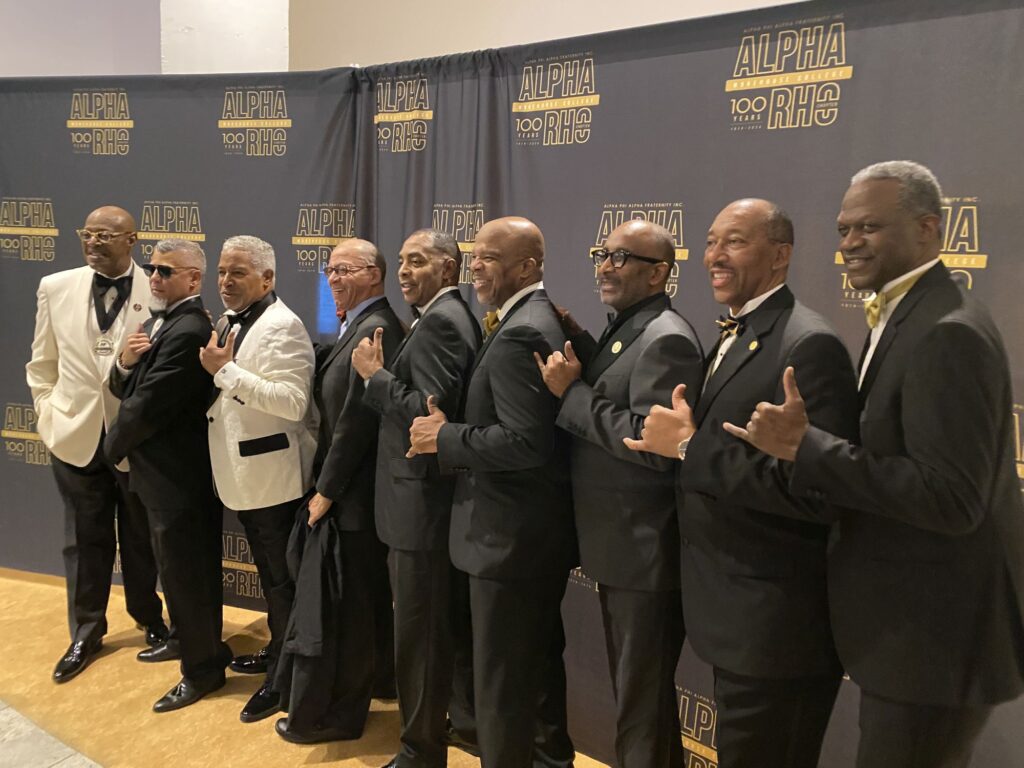
Dr. Bailey’s path through academic medicine is marked not just by titles but by transformation. He has led departments, shaped curriculum, mentored hundreds, and, most notably, broken barriers.
“I’m proud to be the first African American to chair a department of psychiatry at LSU Health Sciences Center in Shreveport,” he shared. “But I’m also the first African American clinical department chair here. That speaks volumes, not just about my journey but still ahead.”
In a role that demands balancing education, research, administration, and clinical work, Bailey describes the position of department chair as both an opportunity and a responsibility. “I manage 78 MDs and 12 PhDs,” he explained. “They all have dreams, professional goals, and personal challenges, and it’s my job to help guide them forward.”
He brings a passion for inclusivity and mentorship to the role, shaped by decades of experience in institutions where few looked like him. “Mentorship isn’t just about helping someone get a job,” he said. “It’s about helping them navigate systems not always built for them. It’s about showing up and staying in their corner.”
Bailey has led three major departments across the U.S., from Meharry Medical College in Nashville to Wake Forest in North Carolina and now LSU. Each stop has deepened his belief that diversity in leadership changes more than policy. It changes culture.
“When you walk into a lecture hall and see someone who looks like you leading the class, it shifts something inside you,” he said. “Representation matters. It says, ‘You belong here too.’”
Beyond the day-to-day logistics of managing a massive training program, LSU is now the 8th largest in the country. Bailey invests heavily in his students and trainees. He makes time for one-on-one conversations, reviews their research, and pushes them to publish.
“When I see talent, I nurture it,” he said. “But I also challenge it. I tell them, ‘You don’t have to be perfect, but you do have to keep growing.’”
For him, academic medicine isn’t a career. It’s a calling. A way to pay forward what his mentors once gave him. And perhaps, to offer even more.
“I want to be the kind of leader who doesn’t just open the door, but who holds it open for the next person to walk through,” he said with quiet conviction. “Because the future of medicine, psychiatry is not just about what we know. It’s about who we lift.”
Advocacy, Violence Prevention & Public Health
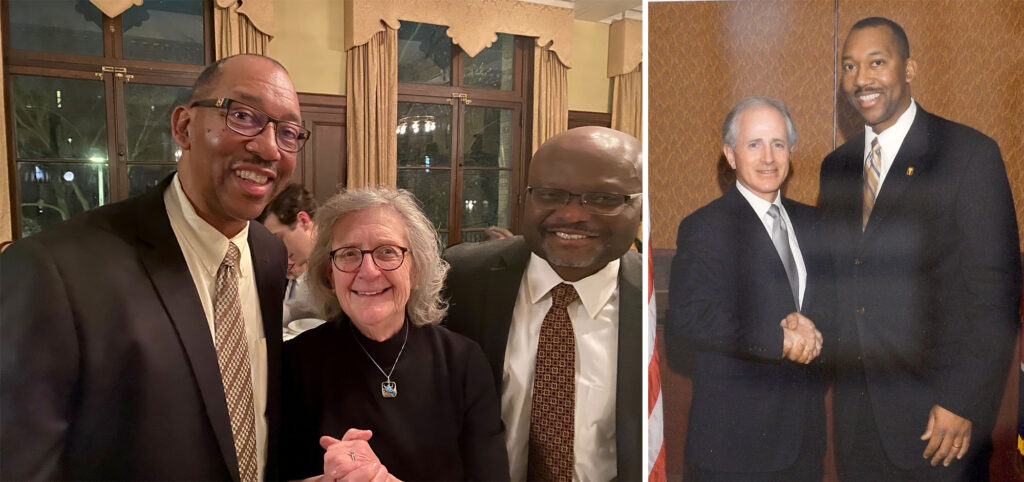
For Dr. Rahn Bailey, psychiatry was never meant to live solely within clinic walls. His work has long extended into the broader arena of public health and advocacy, particularly on issues that cut deep into the fabric of American life: gun violence, domestic abuse, and mental health equity.
“Gun violence isn’t just a criminal justice issue,” he said. “It’s a public health crisis. It’s a psychiatric crisis. And it’s a cultural one, too.”
Over the past decade, Dr. Bailey has become a national voice on violence prevention, delivering lectures, writing books, and leading town halls nationwide. His landmark work includes two major publications: A Psychiatrist’s Perspective on Gun Violence and IPV: Intimate Partner Violence: A Forensic Review. Both are rooted in forensic psychiatry but reach far beyond the courtroom.
“These books are academic, but they’re also urgent,” he explained. “They’re about what’s happening in our homes, communities, and streets. The science matters, but so does the soul of the conversation.”
His message is clear: too often, society responds to violence reactively when what’s needed is prevention. “We wait until a tragedy happens, until someone’s arrested or hurt, and then we act,” he said. “We need to flip that. We need to start by asking, ‘Is there a gun in your home?’ before there’s a suicide attempt. That’s public health thinking.”
In Louisiana, where three of the top ten U.S. cities for gun violence are located (New Orleans, Baton Rouge, and Shreveport), Bailey’s advocacy takes on even more weight. “We can’t afford to wait,” he said. “Not here. Not now.”
Bailey speaks with a blend of conviction and clarity, drawing connections between mental illness, substance abuse, trauma, and violence that many shy away from. But he leans in. “A lot of the people I’ve worked with were written off by society. Addicted. Violent. Homeless. But when you listen, you hear pain. You hear stories. And stories matter.”
One such story, a man who overcame alcoholism, stabilized his life, and became a counsellor himself, remains etched in his memory. “He kept the same job, the same relationship, the same place to live for a year, for the first time in his life,” Bailey recalled. “That’s a success. That’s psychiatry. That’s hope.”
And he doesn’t stop at books or lectures. Bailey is also leading Louisiana’s SOAR (State Opioid Response) initiative, overseeing 49 sites statewide to tackle opioid misuse through telehealth, local training, and community-based care.
“It’s not enough to write prescriptions,” he said. “We need systems. We need access. We need empathy.”
His work reflects a core belief that psychiatry is about more than the mind, the human experience. It must, he insists, meet people where they are.
“Whether it’s a church, a courtroom, or a clinic, mental health has to show up,” he said. “Because lives depend on it.”

Global Mental Health & Mission Work
Dr. Rahn Bailey’s influence doesn’t stop at the state line, or even the national one. As Chair of the American Psychiatric Association’s Global Mental Health Committee, his reach extends across continents, where he’s working to bridge the vast gaps in mental health access and awareness.
“We’re not just asking what’s happening in Louisiana or the U.S.,” he explained. “We’re asking what mental health looks like in Seychelles, Ethiopia, Norway, and Argentina. And what we can learn from each other.”
This global perspective is no academic exercise. Bailey has participated in medical missions to Haiti, Ghana, and Liberia, often in areas where war, poverty, and trauma collide. He has delivered care in earthquake-stricken zones, raised over $350,000 in aid, and carried medical supplies into hospitals with empty shelves.
“In Liberia, we brought ten boxes of medicine. That one delivery meant the hospital had more supplies than it had seen in years,” he said. “It’s humbling and reminds you how privileged we are back home, even when we think we’re struggling.”
Each journey, each clinic, and each patient he meets abroad adds new layers to his understanding of psychiatry as a global calling. “It’s not just about what pills you prescribe,” he said. “It’s about how culture, economics, and trauma shape how people think, feel, and heal.”
Bailey is leading efforts to create a toolkit for teaching global mental health in medical schools that challenges students to look beyond their immediate surroundings. “You can’t practice medicine with blinders on,” he said. “The world is too connected for that. We need doctors who are culturally fluent and globally aware.”
He also sees New Orleans as a critical crossroads, a city where global influences swirl together in everyday life’s food, language, and faith. “If you want to understand global mental health in an American context,” he said, “this is the place to start.”
Bailey’s conviction is that Creole communities—so often marginalized or misunderstood—have deep cultural knowledge that could shape global conversations about wellness. “Our stories are global stories,” he said. “The history of colonization, migration, spirituality, resilience, and Creole, but it’s also universal.”
Whether in a village in West Africa or a clinic in Baton Rouge, his guiding philosophy remains the same: dignity first. “Every person deserves to be seen, heard, and healed,” he said. “No matter where they live. No matter what language they speak.”
Family, Legacy & the Power of Roots
For Dr. Rahn Bailey, family is more than a concept; it’s a force that shaped his worldview and continues to guide every decision he makes. Raised in Beaumont, Texas, just miles from the Louisiana border, Bailey grew up with a deep understanding that heritage isn’t abstract, it’s something you live, celebrate, and protect.
“My grandfather, Irving Dalton LaPointe, came from the Lafayette area,” he said, his voice full of pride. “After World War II, he moved to Beaumont to work in the refineries. But he carried Louisiana with him, down to how we talked, cooked, and prayed.” That blend of faith, music, and culture wasn’t just in the background; it was the backdrop of everyday life. “We danced to zydeco, ate gumbo, and went to Mass. That was our normal.”
Education, too, became a family cornerstone. Bailey’s great-uncle Ibel, an early pioneer, earned a college degree in the 1950s, long before it was common or expected for a Black man in the Deep South. “He went off to the University of Colorado and came back home not just with a diploma but a mission,” Bailey said. “He became a school principal and a leader in our community. And he’s the one who started our family reunions forty years strong now.”
Those reunions are more than gatherings, they’re affirmations of the legacy Bailey works to uphold. He sees himself as a steward of that legacy, organizing the next chapter even as he honors the past. “We take the time to remember where we came from. Not out of nostalgia, but out of respect for the people who made sacrifices so we could move forward.”
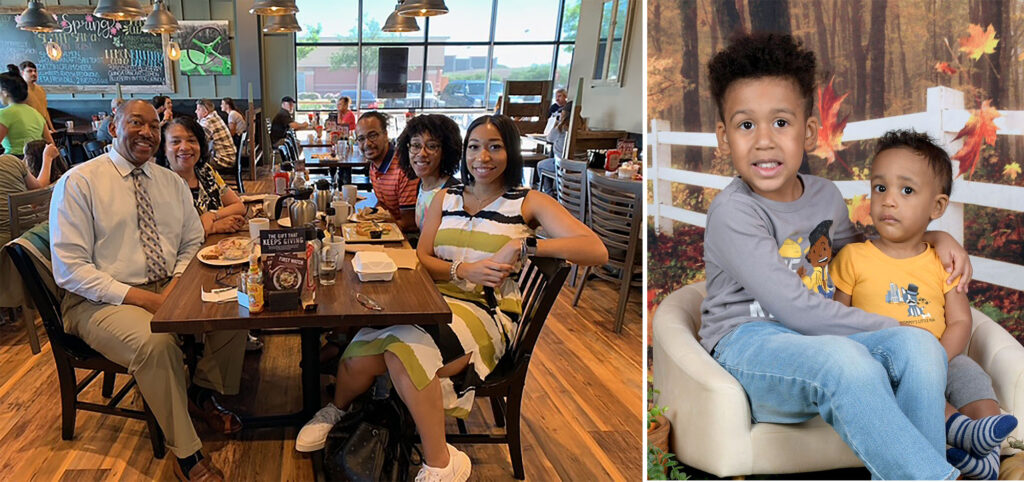
That generational thread runs through his own family, too. His wife, Theresa, comes from a large Creole family in Opelousas, where the language and customs remain vibrant. “Her mom was the 14th of 16 kids,” Bailey shared. “And some of her relatives still speak Creole French. I’d try to follow the conversations when I’d visit, but even when I couldn’t, I felt the warmth.”
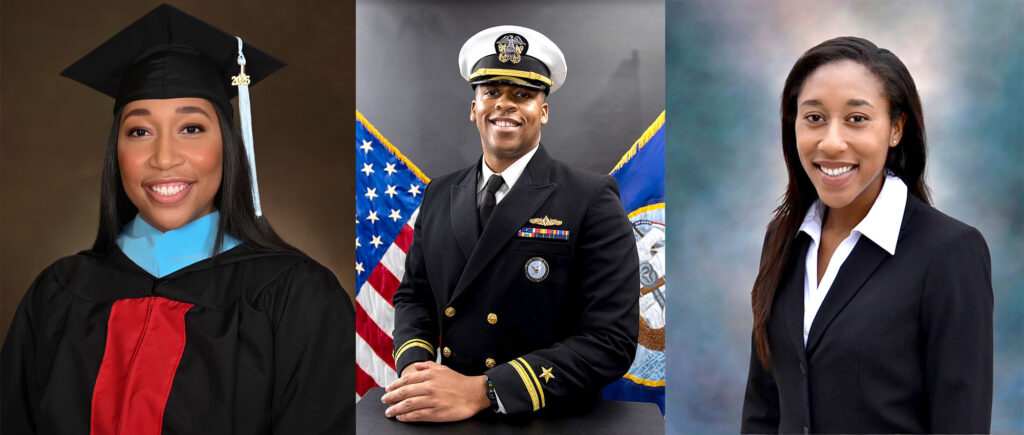
He’s passing that sense of identity on to his children. His eldest daughter, Candace, became an orthopedic surgeon after running track at USC, blazing her trail with the same drive he’s always admired. “She didn’t go into psychiatry, and I tease her about it,” he laughed. “But she’s brilliant. She’s carrying the torch.”
His younger daughter, Ebony, is exploring a career in psychology, and his son, Rahn Jr., is in military service and recruitment, finding his path in service and leadership. “They’re different,” Bailey said, “but I hope they all feel that the roots we planted together are strong.”
To Bailey, being part of a family isn’t just about lineage; it’s about responsibility. It’s about holding space for culture, creating opportunity, and ensuring the next generation never has to ask where they come from. “Creole identity,” he said, “is layered. It’s language, food, faith, struggle, and joy. It’s a patchwork of everything we’ve survived and still dream of.”
And in that patchwork, Bailey finds purpose. “Legacy isn’t what you leave behind when you’re gone,” he said. “It’s what you build while you’re still here.”
Faith, Reflection & the Road Ahead
As Dr. Rahn Bailey reflects on a life shaped by medicine, advocacy, and deep cultural roots, faith remains his compass. It’s not just about religion but belief in people, progress, and the power of doing good work even when the outcomes aren’t guaranteed. “You have to be optimistic in my line of work,” he said. “If you’re not, you’ll give up before you even start.”
Now, in what he calls the “fourth quarter” of his life, Bailey is focused less on accolades and more on impact. He’s proud of being the first African American to chair any clinical science department at LSU Health Shreveport, but his ambitions extend far beyond that milestone. “I want to build a department of national prominence,” he said. “One where we train the kind of psychiatrists who know how to listen, who understand the culture, who can help people feel seen.”
His passion for violence prevention has only grown stronger over time. He’s become a national voice, from leading domestic and gun violence research to pushing for policy changes. “We call blood pressure the fifth vital sign in medicine. I say violence should be the sixth,” he said. “We ask about everything else, but we don’t ask if there’s a gun in the house, until it’s too late.”
Despite the bleak statistics, Bailey believes meaningful change is possible. “Will gun violence slow down in a few years? Probably not,” he admitted. “But I’ve seen what happens when communities, churches, law enforcement, and academics unite. Look at Australia. They changed the game. We can, too.”
As chair of Global Mental Health for the American Psychiatric Association, Bailey’s perspective has become increasingly global. He’s travelled across Africa, provided mission care in Liberia, and seen firsthand the universality of human struggle. “From Cambodia to Ethiopia to New Orleans, people want the same thing: to be heard, to be treated with dignity, to feel like they matter,” he said. “Mental health is a global issue and needs a global solution.”
At home, he’s learning to slow down, just a little. He grills on weekends, dotes on his grandchildren, and walks every morning, reflecting on how to be a better father, son, and mentor. “I want my kids to see that I’m still growing,” he said. “That their dad is not just a doctor or a professor—but a man trying to live right, be present, and leave something meaningful behind.”
Ultimately, it’s not the titles or the degrees that define him; it’s the commitment to healing, telling stories that matter, and standing in the gap where others might walk away. “If you want to throw a good dinner party,” Bailey smiled, “invite a forensic psychiatrist. We’ve got stories.” But perhaps none as compelling as his own.