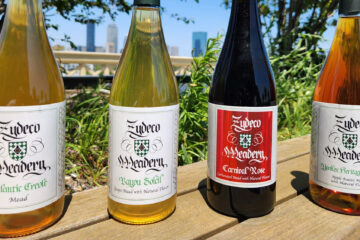
In Louisiana, culture is not just remembered, it’s lived. From Zydeco’s rhythms to gumbo’s aroma, the Creole spirit pulses through every street, song, and story.
The Dominican Republic, located on the island of Hispaniola, is rich in cultural diversity, shaped by centuries of interaction between African, European, and Indigenous Taíno peoples.
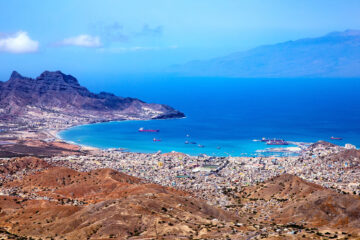
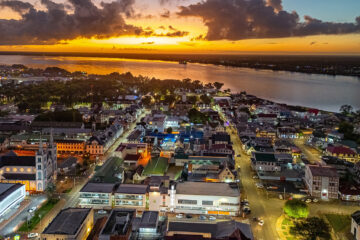
Cape Verde, a stunning archipelago off the coast of West Africa, is a country where Creole culture is not just an influence; it is the foundation of national identity.
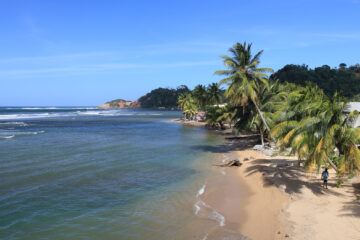
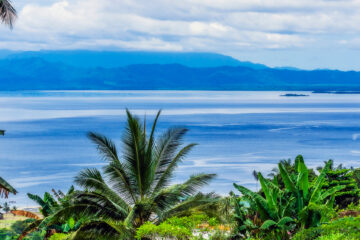
Dominica, often called the “Nature Isle of the Caribbean,” has long been celebrated for its unspoiled landscapes, rich biodiversity, and vibrant Creole culture.
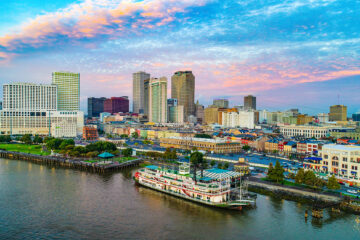
New Orleans is a city that refuses to be contained by time or category. Its music, rituals, food, and language spill beyond definitions, blending the sacred and the everyday, the joyful and the haunted.
With over 800 languages spoken across its diverse landscape, Papua New Guinea (PNG) is home to the most remarkable linguistic diversity in the world. In a nation where dozens of languages may be spoken within a single region, Tok Pisin is a unifying force.
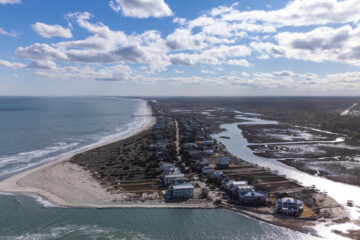
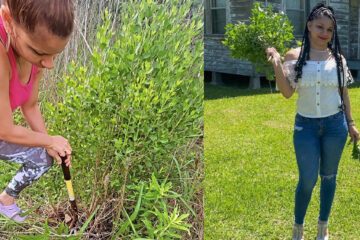
The Gullah people, also known as Geechee in some areas, are direct descendants of enslaved Africans who were brought to the American South’s sea islands and coastal plains during the 17th and 18th centuries.
From the cotton fields of Mallet to the courtroom of Opelousas, Judge Charles Cravins has lived a life shaped by resilience, faith, and a deep commitment to justice.
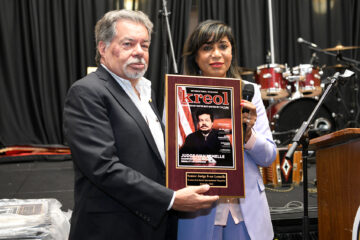
On August 25th, 2024, Kreol Magazine proudly hosted the launch of Issues 36 and 37 at Xavier University of Louisiana in New Orleans—a fitting venue for an evening honouring Creole excellence and leadership.
International Magazine Kreol Cookies Policy
Our Website uses cookies to improve your experience. Please visit our Cookies page for more information about cookies and how we use them.