

Charles Guidry, a Louisiana sugarcane farmer who’s all about inspiring the next generation. Charles comes from a farming family but took the time to get a well-rounded business education and build his empire. He now wants to pass that knowledge and experience onto the youth of today, in the hope that they will continue to grow and improve the farming world.
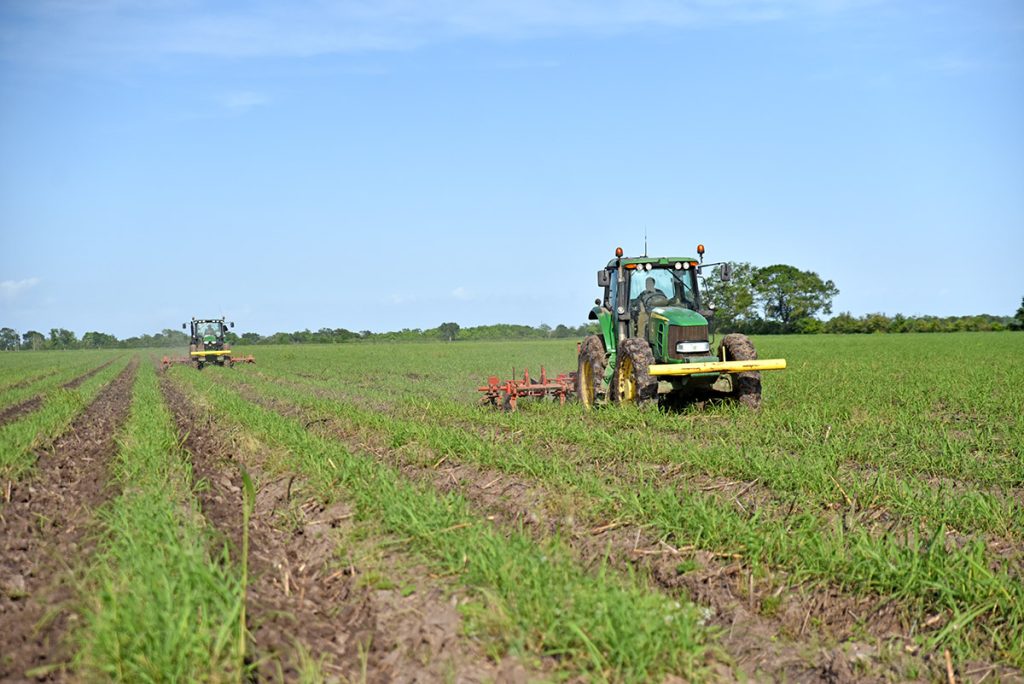
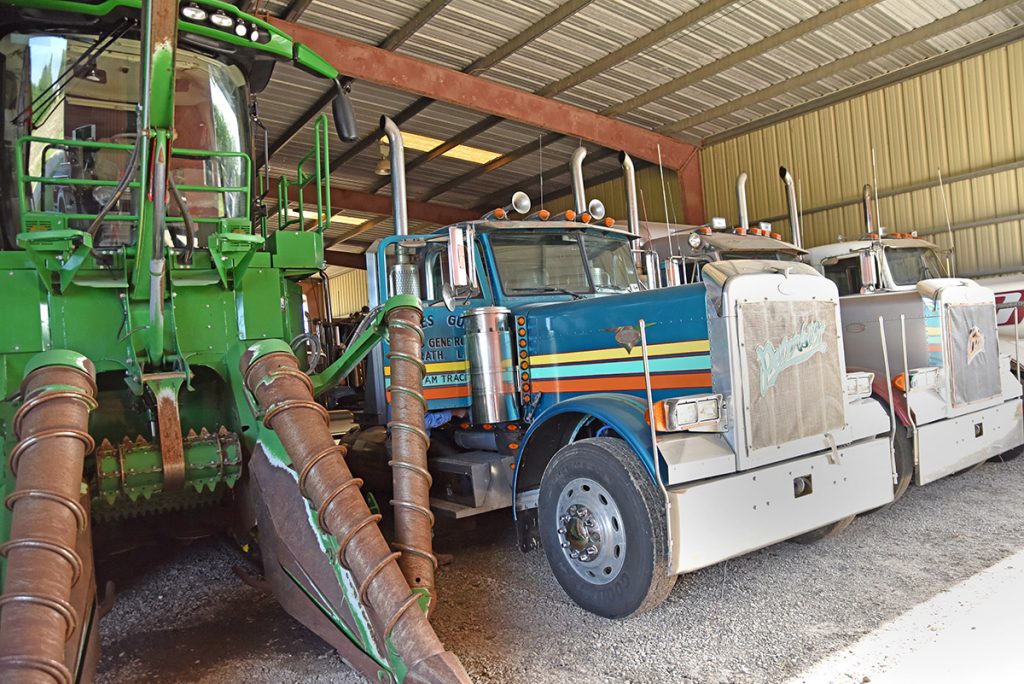
Charles Guidry, an Erath sugarcane farmer, was born in Vermilion Parish in 1944 on July the 28th to Clarence Sr. and Maudry Lewis Guidry. It was expected he would go into farming like his father, but Charles hated it. It was a time of intensive cotton farming and back then, sugarcane was a small-time ‘on-the-side’ business. Charles went away to get an education, believing he would never, ever come back to the farm. In his own words:
“When I graduated from Paul Breaux High School in early 1963, I left from there and went to Grambling in North Louisiana. Then it changed to Grambling University. I graduated from Grambling in the year of 1968, January of 1968. When I first went there, my concentration was to be an elementary school teacher, which that’s what I got my degree in. I worked about a year, not quite a year, about three months.
“While I was working, got my first teaching job, we had this Vietnam draught thing. I kept getting an S for deferment, so [I wasn’t] drafted [until 1969].”

Back to farming: a family affair
Charles returned from Vietnam relatively unscathed and took full advantage of the GI Bill which allowed him to complete his Master’s degree for free. After this, he taught maths and science to high school kids for over a decade while his father continued to farm, but the temptation of a better life and a more secure income was calling. So, 35 years ago, Charles returned to farming life and over that time he has completely transformed the business.
Today, Charles operates 4100 acres of farmland and owns a third of the land he works. Working and managing a farm might be easier with modern technology, but that doesn’t mean it’s risk-free. Charles explained:
“Running a farm is a whole lot of risk, and you accumulate a whole lot of debt if you’re not successful. If you’re operating pretty big, to operate a farm like this, you’ve got to spend just to get in, before you start getting money back for your own self. It’s over $2 million it takes to run this farm. You have to watch your debt load when you farm. You have to try to stay up to date with the farm equipment. You also have to fight against the weather.
“So farming is not just farming. You have to operate. You have to plan. You have to plan a budget, and then you have to plan your workforce. You have to have insurance for all your workforce. You have to make it a safe environment where these guys can enjoy working, and they would love and come and enjoy working on the farm. You have to make your salary comfortable enough to try to get them where they can survive.”

Charles now has 24 to 30 people working with him on the farm, depending on the season. His farm provides an invaluable source of work for immigrants, including those from Mexico and Guatemala. Charles’ wife, Wanda, does much of the paperwork and they work with an agency to ensure everything is above board and all the necessary documents and applications are filled in and handed in at the right time.
As well as his wife working the farm business, Charles’ nephew, Brian Guidry, is also involved. Charles’ son Jerome, like his father, broke away from farming to go get an education at Alcorn University in Mississippi. The nephew now owns about 4% of the farm and helps run the day to day operations. Charles says of farming:
“It’s a family thing. Farming starts off from a family, and then they grow and grow. That’s how I got started in it, from my father, so it’s kind of like a family tradition you pass on down to the youngsters.”

Sweeter sugar yields
Charles believes that the sugar grown on his farm tastes better than that imported from overseas, in part due to strict laws that forbid any type of chemical being used in the production process. He postulates that it’s also to do with how they grow the sugarcane. When asked to comment on why Louisiana sugar is sweeter than, say, sugar from India, Charles elucidated:

“Because we are using a better fertiliser than you all to produce. We got pressure on us to produce more per acre. On average, we’ve got to do 36 tonnes for an acre, pounds of sugar like 243. Maybe you all have to only do 20, 18, 19, 20. You have a whole lot of little small farmers in your area. The government controls the sugar mills [over there]. It’s not that way [here]. The farmers control the sugar mills here. Everything you all do over there is for the government. That’s one of the reasons why we got together… because everything is independent.”
Independent Farming
Independence can bring its own challenges, such as a dependence on the weather to do the right thing. Charles’ farm relies entirely on natural rainfall to bring moisture to the sugarcane plants. There is no artificial irrigation, so the crop relies heavily on there being significant rainfall during the summer months. As Charles says:
“If that’s Mother Nature, then nobody can do nothing about that.”

The next generation
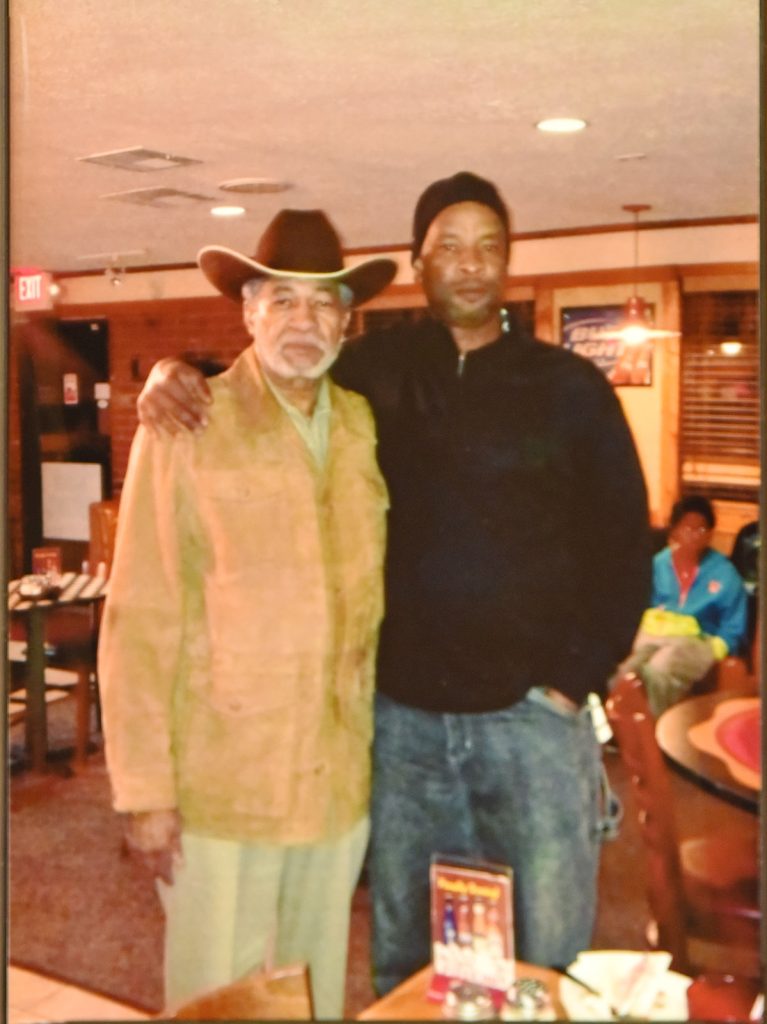
One thing Charles has remained in full control of, however, is his own progression and education. Not content with his Masters, Charles recently received his Doctorate degree in business. He’s now one of the board members of the American Sugarcane League and was involved in lobbying to get the Farm Bill passed at Washington, D.C. in 2018. Charles makes no bones about how hard work life on the farm can be, yet his primary goal is to inspire the next generation to take up the baton. When asked how he makes farm life appealing, Charles answered:
“Well, you bring them on the farm. You show them how it operates, and show them that a life can be made. Everybody in America wants to make money, and money, at the end of the day, is the thing. Everybody wants to ride in a new car. Everybody wants to have a home. When you’re working with somebody else, you only can go so far. The big reason one has the skies wide open, whenever you can own a business of your own, then there’s no limit. That’s where you make the money, on the business. Business attracts other people. If you’re making money, they kind of follow together. It lures people in.”

Charles wants to inspire kids to believe they can make it in the business world. He gives talks in high schools, although he has concerns that crucial scholarships are still primarily going to white children, and black kids are still being left behind, perhaps due to not being encouraged to participate. Charles promotes 4-H, a “Community of more than 100 public universities across the nation that provides experiences where young people learn by doing”. Charles’ message to any aspiring young business-minded people is:
“You don’t have to be a basketball player. You don’t have to be a football player. There are other ways if you want to go to college. You don’t have to be a track runner. If you involve yourself in 4-H, there is money there to get your education paid for, to go to school.”
From ploughing with a mule to climate-controlled tractor cockpits, farming has come a long way. Charles Guidry has been at the centre of that change for the last 35 years, and his farm and ideals are still going from strength to strength. Even Hurricane Rita couldn’t stop him- although the family lost their homes in 2005 due to the terrible storm, Charles’ savings made it possible to fully rebuild and today the farm is bigger and better than ever.