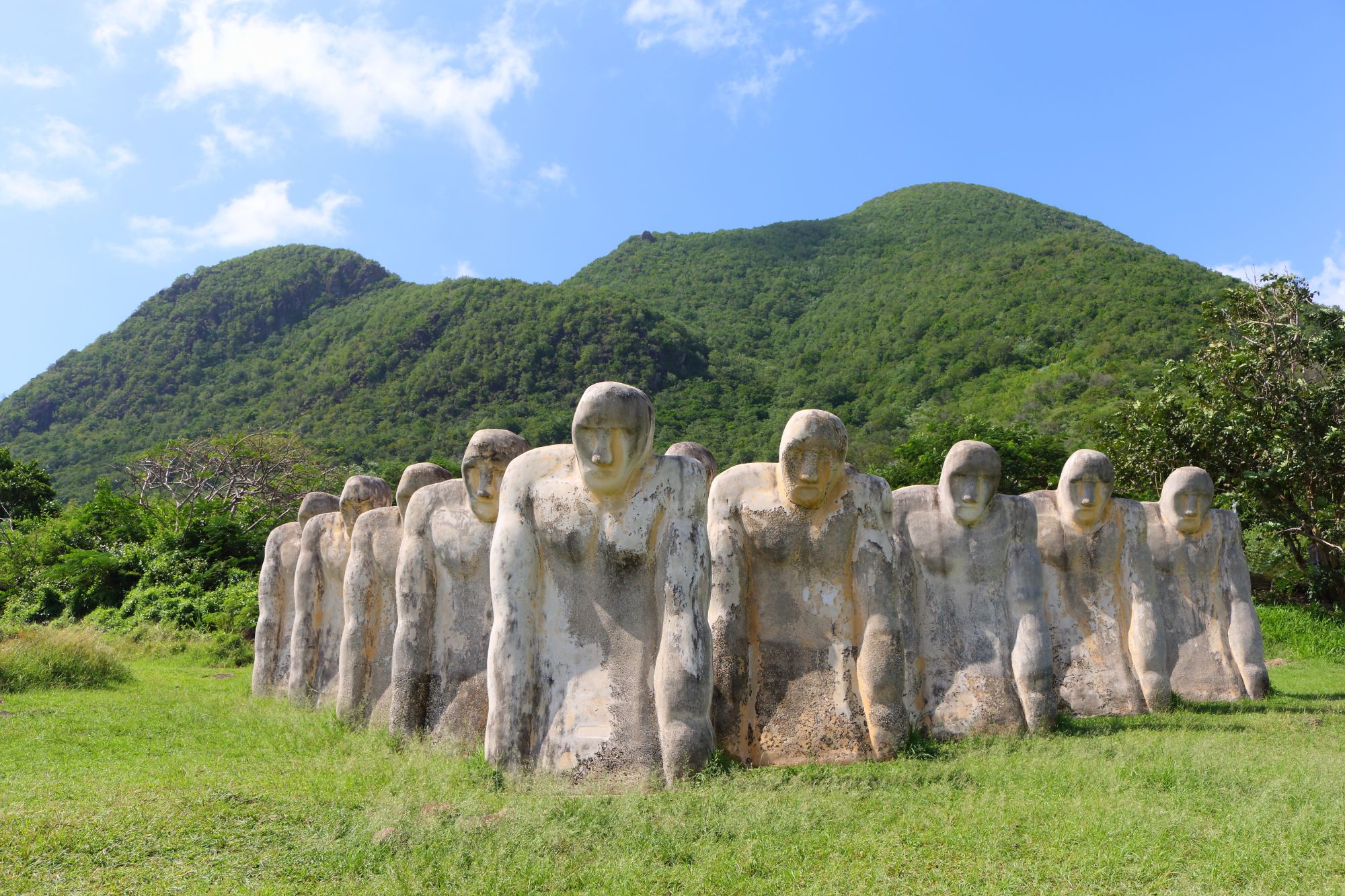
Watched over by the active Mont Pelée, Martinique is one of the most diverse and sophisticated island nations in the world. Even after its former capital of St Pierre was wiped out in 1902 by an eruption, its world-class beaches, breathtaking hiking trails and vibrancy of the island have made it a hotspot for more than 500,000 tourists every year.
Neighbours with Guadeloupe, Martinique is most popular for its beaches and jungle life, with thousands of species of flora and fauna calling the island home. In the outermost region of the European Union, the official language is French – though many locals speak Martinican Creole, a language which dates back centuries.
Fort-de-France, its vibrant capital, draws most – but the well-travelled know to head north and south for natural beauty away from the bustle of its cultural centre.

About Martinique
Martinique measures 436 miles squared – 2/3 the size of the Isle of Skye. They make some of the best rum in the world, blend Caribbean history and culture with a little francais flare – and never have a cold season. Here, the weather remains balmy and tropical, even during the dry season from December to May.
Home to thousands of species of animal, Martinique is home to the Volcano Frog – which can only be found on the island – over 200 species of bird and 225 species of reef fish beneath the crystal-clear waters. From luscious rainforests to stretches of plantations growing pineapples and sugar cane, it’s no wonder Columbus called the island “the most beautiful country in the world”.

History of Martinique
Discovered by Christopher Columbus in 1502, the island was bitterly fought over for centuries between the French and the British. After landing, the Spaniards largely ignored the island for other discoveries, prompting other nations to try and stake a claim in the country. Eventually, the French made it one of their colonies.
Nicknamed “The Island of Flowers”, Martinique was particularly famous for its coffee and sugar exports, becoming the world’s leading producers during the 17th and 18th centuries. Following centuries of conflict, it was named an official department of France in 1946 and remained a part of the French territories.

What to do in Martinique
Grande Anse des Salines
When you think of a white sandy beach overlooked by palm trees, you’re likely thinking of the Grande Anse des Salines. Stretches of sand, crystal clear turquoise waters, and arching palms provide shade from the hot sun. Undeveloped and untouched, snack bars and artisanal sorbet sellers line the beach to help cool you down after a day of catching the rays. You can also visit the Etang des Salines, a salt pond that teems with local wildlife.

Jardin de Balata
Curated in 1982 by horticulturalist and poet Jean-Philippe Thoze, this botanical garden was inspired by the Creole home of his grandparents. The garden is built around the home, creating a magical, natural spot with over 3,000 different varieties of tropical plants. Just a few minutes from Fort-de-France, you’ll find bamboo, mahogany, begonias and 300 types of palm trees.
Fort St Louis
A seaside fortress that remains an active naval base, Fort St Louis sits on the edge of the waters on its own peninsula. Evolving from similar fortresses built in the 17th century, this listed historical site operates daily tours around the historic, disused parts of the Fort de France Bay – though the naval area is out of bounds. It’s also home to a thriving iguana population.
Monte Pelee
An active volcano towards the north of the island, Monte Pelee gets its name from the Antillean Creole for “bald mountain”. Though it hasn’t erupted for almost 90 years, it was this volcano that destroyed the previous capital of Saint-Pierre in 1902, wiping out much of the city’s population. Though the capital has now moved to Fort-De-France, the volcano is home to a designated Important Bird Area because of the varied species of birds that call it home.
St Pierre Theater Ruins
The impressive remains of an 18th-century theatre, this is one of the last surviving spots of St Pierre. Once the cultural hub of the Caribbean, the theatre was able to seat 800 people for performances from international troupes. Visitors can also see the cell where one of the explosions took place, and the 1917 commemorative sculpture by Madeleine Jouvray, a pupil of Rodin.

What to eat in Martinique
Piment Antillais
Not so much a dish as something only those with brave tastebuds should try, Piment Antillais or the “West Indian pepper” is an incredibly hot pepper that’s often used in stews. Introduced by the Spanish to South America, it’s not for the faint-hearted.
Boudin
Sausage is one of Martinique’s specialities and is deeply inspired by the French passion for meat. Locally, you can get two varieties – Boudin Creole, which is made with pork, pig’s blood and onion, and Boudin Blanc, a white sausage with pork or seafood like crab and prawn, which is traditionally eaten at Christmas.

Chatrou
Thanks to the abundance of seafood near the island, Chatrou – or octopus – is a local delicacy. You’ll find it best in Fricassee de Chatrous – octopus stew with lemon, tomato, onion and spices – or Ragou de Chatrou – fried octopus with red beans, lentils, rice and yams.
Ti Punch
Rum is the island’s spirit of choice, and thanks to its bevvy of distilleries, they’ve created plenty of local cocktails. The most famous is Ti Punch, a traditional Martinican drink made with Agricole Rhum – a cane rum juice distilled nearby. Served with sugar cane and a squeeze of lime, it’s a great refresher when the sun is hot, and you need cooling off.
Martinique’s natural beauty draws visitors to its shores – but they stay for the vibrance and colour of the local community. Whether they’re serving seafood caught fresh from the shores or pulling back the curtain on the rainforests, jungles and natural spaces that have been left untouched, it’s no wonder Columbus found the island impossible to resist. We guess that, once you visit, you won’t be able to resist it either.