
Interview with Nicaragua’s Minister of Culture
The Central American nation of Nicaragua sits perfectly placed between the Pacific Ocean and the Caribbean Sea, which has left its boundaries wonderfully open to cultural influence from across the Globe.
Yet, this has been balanced with the formation of a country with its own unique character and folklore, which is something the Government there is keen to perpetuate and show to the rest of the world.
We talked to the Director of the Institute of Culture about this, but first, let’s set the scene.
Nicaragua – natural and indigenous charms
Nicaragua has an enviably diverse geography. This includes dramatic volcanoes and ancient lakes, including the much-photographed Momotombo (north of the capital Managua), and the awe-inspiring Lake Managua.
Not all its beauty comes from Mother Nature, though.
For instance, to the south of the country is Granada, Nicaragua’s finest example of a well-preserved colonial town. It offers Spanish-inspired architecture, a painstakingly restored cathedral, a flawless plaza and jaw-dropping mansions, surrounded by an archipelago of pretty islets populated by colourful tropical birds.
Perhaps the country’s most widely known tourist attraction is its shoreline. Nicaragua has the most incredible beaches and idyllic remote islands to explore. In the crystal clear waters of the Corn Islands, you can find some of the best snorkelling adventures on the planet.
Perhaps surprisingly, Nicaragua is refreshingly (and authentically) free of the over-development that often happens when a country has such a rich and diverse offering for tourists. You can still find long stretches of empty beaches here for utter peace and relaxation. Or, hike in small groups on the majestic mountain trails, through lush rain forests and around wetlands teeming with wildlife.
You could also venture through the untamed coastline and ‘roads less travelled’ by boat or four-wheeled drive vehicles.
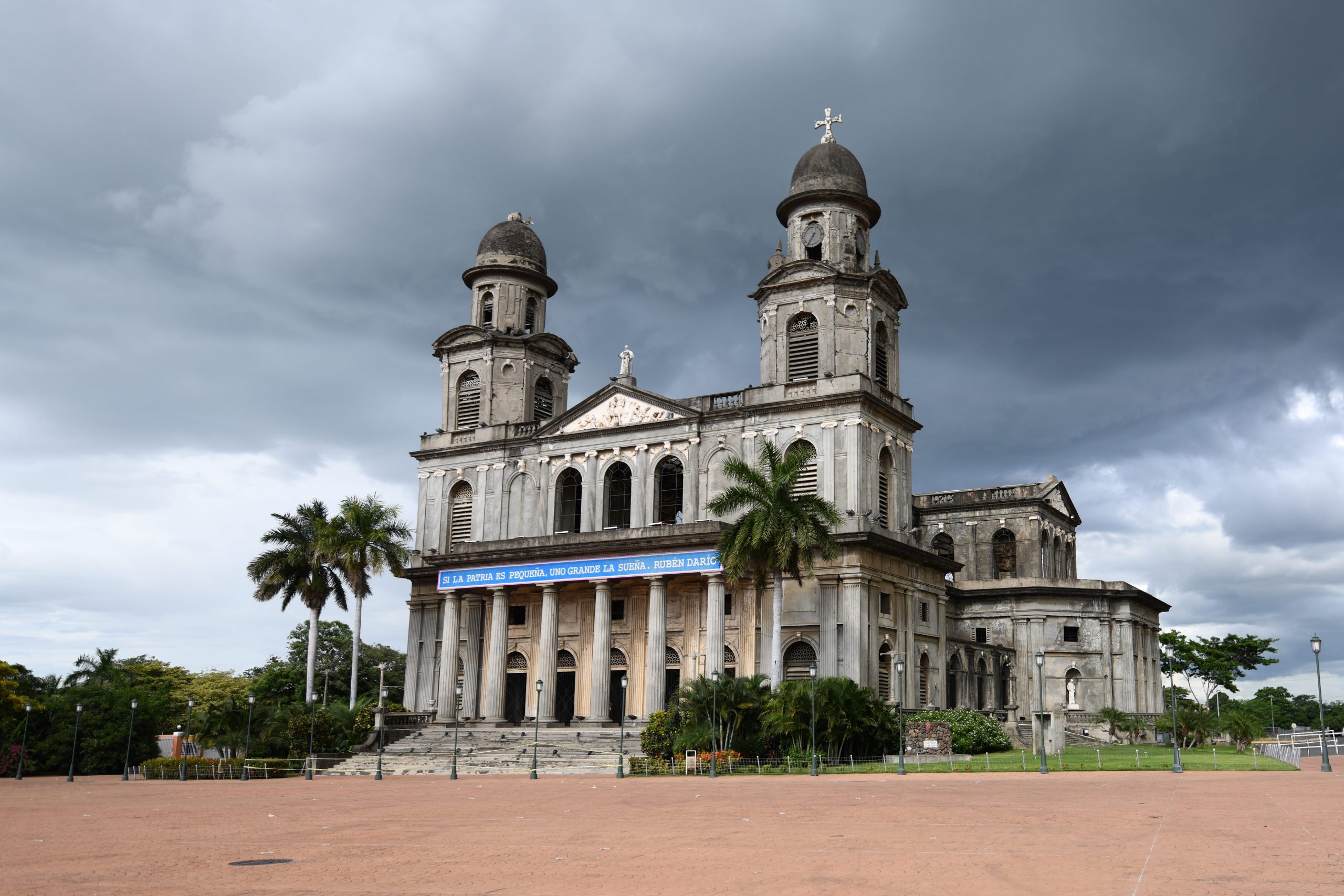
Nicaragua’s splendour is more than mountains and seas
What is perhaps currently less understood by potential visitors to Nicaragua – both tourists and prospective investors in the country – is that this nation’s greatest asset in many ways is not its obvious natural beauty.
Instead, what makes Nicaragua special is its truly unique cultural identity and the free-spirited and adventurous way this translates into everyday life here.
Local people are friendly, welcoming, and enthusiastic to share their love of their unspoilt country and proud cultural heritage with visitors.
We talked to the Director of the Institute of Culture and asked the Minister for his views on what makes this country so important to increasing numbers of overseas visitors, as well as its own proud citizens.
From many influences comes one nation
The rich variance in the origins of Nicaraguans is summed up by Minister Alonso as: “We are mestizo. That means that we have different blood. Blood indigenous, or origin blood, European, African.”
One of the biggest influences in the country’s history was, of course, the Spanish, though Caribbean nations and England also left a firm cultural imprint on Nicaragua. It is this strong and mixed cultural legacy that the Minister is keen to see preserved and celebrated.
In fact, the Minister believes that this tapestry of cultural influences can unite Nicaraguans – and visitors. His explanation was: “because the food brings people together, and dance brings people together, and language.”
Sharing the musical heritage of Nicaragua is also a unifying factor.
Nicaraguan folklore – including its many stories, songs and dances – is extremely important to indigenous people, not just for special occasions! The wonderful folklore passed down through generations is also wrapped around the daily life of Nicaraguans. This includes some mysterious and often unsettling characters who are central to the country’s mythology and oral traditions.
It makes for a highly colourful and vibrant way of life, and a constant celebration of national identity.
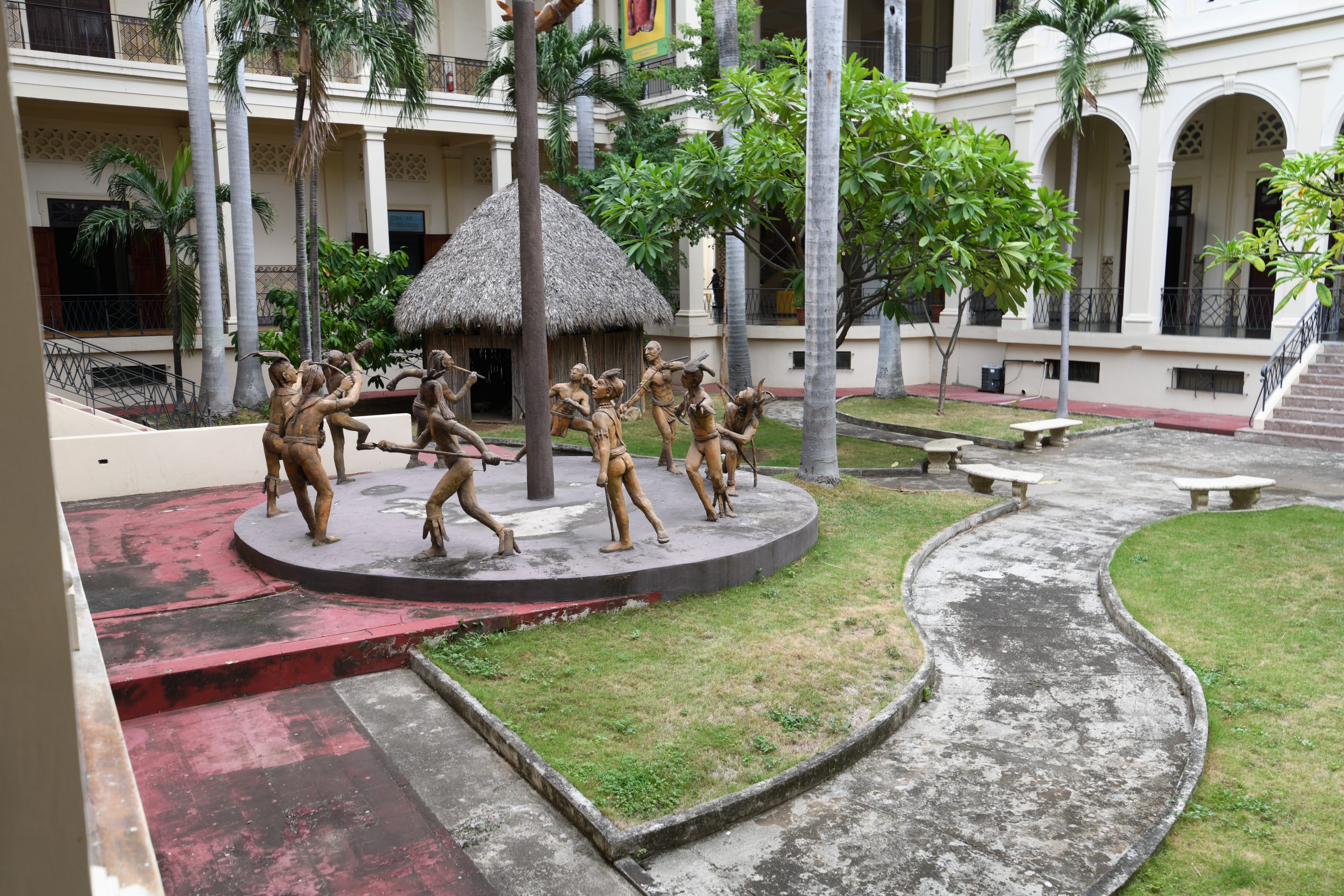
A government backing social enrichment and protection
Coming together to enjoy and perpetuate Nicaragua’s cultural heritage is clearly vitally important to local people. It brings them together in a wonderful way.
Luis Morales Alonso outlined how the Government of Nicaragua works to further this important sense of unity in the country, referring to it as “consensus with all”.
The policies and activities associated with this mission include supporting Nicaragua’s architecture, music and religious diversity. The minister is clearly fascinated by the way the religious affiliations of his people have evolved over time.
How does the Government decide the direction of its support of culture and the Nicaraguan way of life? Luis Morales Alonso points out that policies and activities are formulated by listening acutely to the people. Their views on the nation’s cultural goals and values inspire decision-making and progress.
The Minister gave an illustration of this. He said: “Well, if I’m like a director, I’m going to the territory, and I want to put there a museum because I want it, I think it’s better. But if people say they don’t want that, they want dance school. Well, I have to put the dance school.”
This same spirit of bringing everyone together runs through other Government policies too: “we have a national culture policy. We have it in education, in health. We have it, one culture.”
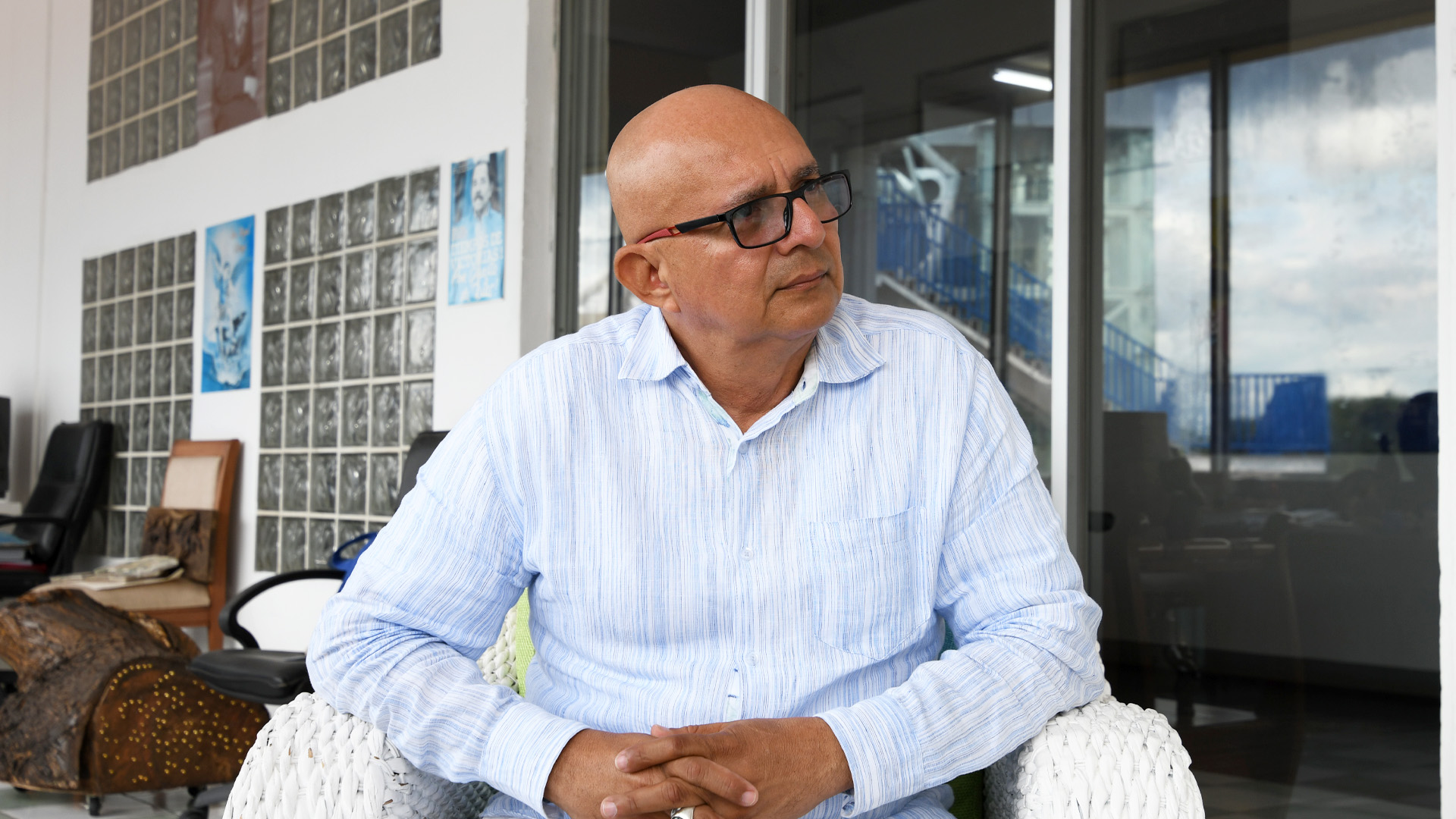
Exciting Nicaraguan cultural projects
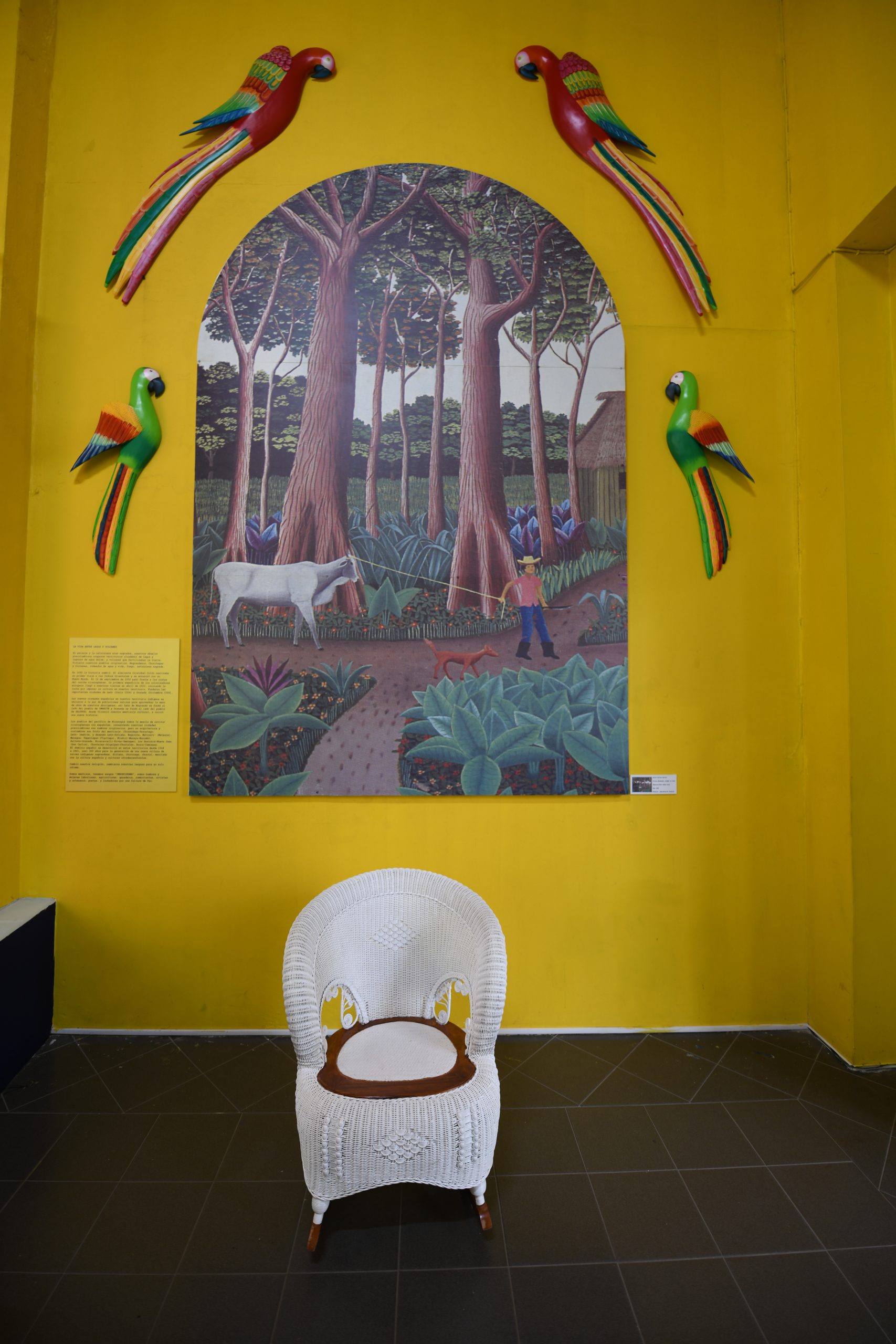
The Minister’s own background is in art, including painting. When he was younger, he visited both Cuba and Mexico to study specialisations in museums.
Among the ways he has chosen to use his own experiences – and passion and interest in art – is by supporting a project with Nydia Taylor. Nydia is a talented Creole woman whose paintings follow the artistic traditions of the Caribbean coast of Nicaragua.
Nydia created a little book and asked for the Minister’s support in disseminating it, which he gladly gave. He said: “So we present this in Corn Island. Do you know? That’s in that the children of the school can use this to learn more about our culture.”
His department is also working with a writer of Masaya poetry to create an anthology. This is in celebration of this part of Nicaragua, best known to tourists as the home of the Masaya Volcano National Park.
Culture is a living, growing thing.
One of the Minister’s most pressing priorities is to show that Nicaragua’s fabulous culture is not all tied up in its fascinating history and the influences of global migration to its shores.
He said: “The culture is something that is still alive, the people’s.”
The Minister added: “But really the culture is everything what we do. How we speak, how we eat, how we sleep, everything.”
Attracting more visitors, to a safe country
Of course, the Minister is also keen to position Nicaragua more prominently on an international stage too, showing the global tourism industry – and potential investors – how important the cultural significance of this country is. This promotion of Nicaragua on the world stage will also help to show how safe and welcoming this Central American nation is for visitors of all kinds.
This includes travelling to London recently to work with the British ambassador of Nicaragua, showcasing a collection of beautiful things from his home country.
Among the Minister’s plans for the future is to continue talking about Nicaragua’s cultural significance as much as possible! He clearly has much to talk about, as this country has a wonderful balance between past enrichment and current vibrant creation and inspiration!