

A Beacon of Hope Amidst Turbulence
Introduction
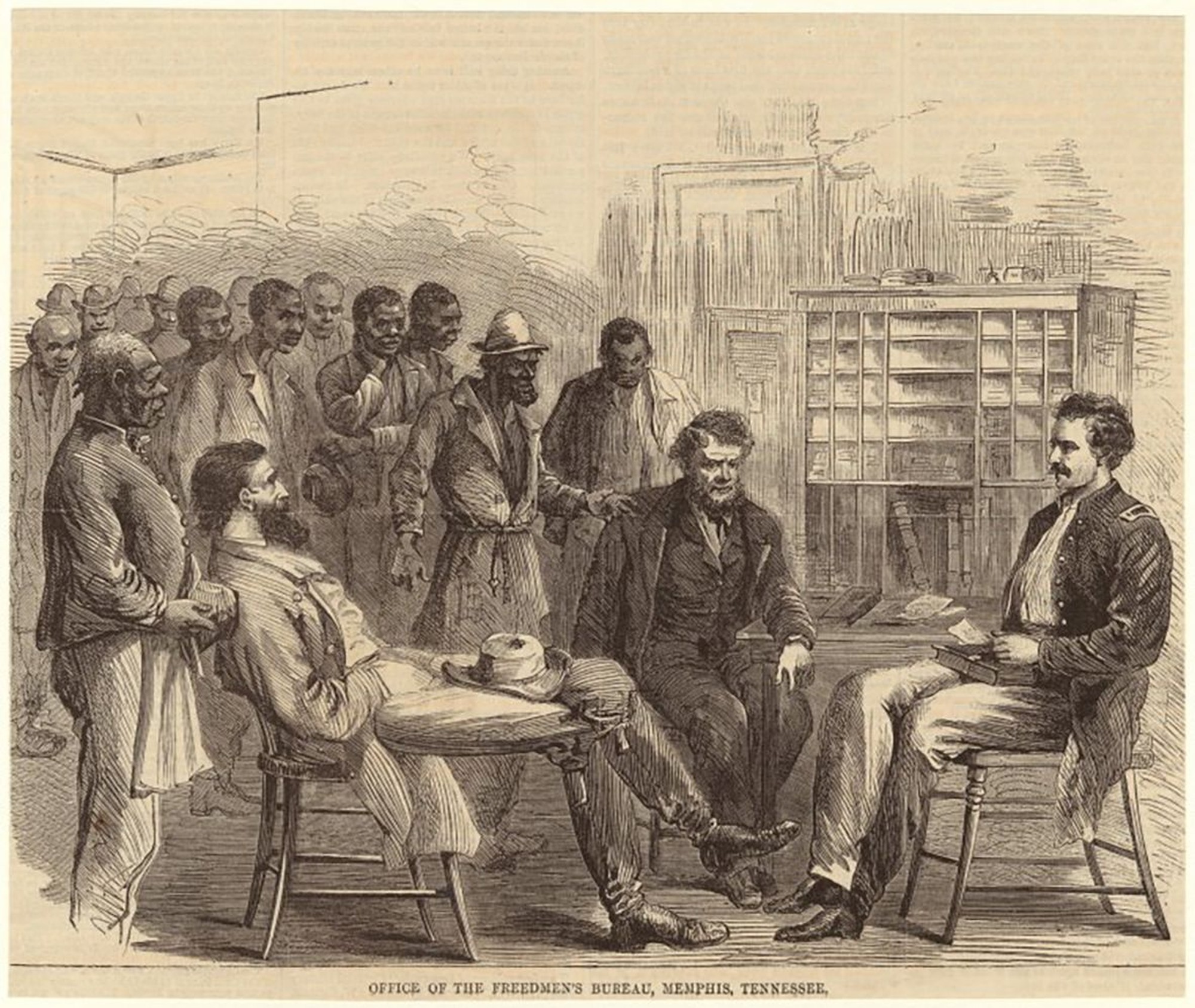
The Freedman’s Savings and Trust Company, also known as the Freedman’s Bank, was a financial institution established in the aftermath of ‘the American Civil War to assist newly’ emancipated African Americans. Its main purpose was to provide a safe and secure place for the savings of former slaves and African American soldiers. In this article, we will delve into the history of the Freedman’s Bank, its impact on the African American community, and the trust issues it left behind.
The Freedman’s Savings and Trust Company – Founding and Growth
Established on March 3, 1865, by an act of Congress, the Freedman’s Savings and Trust Company was founded as a means to promote economic stability and independence among newly freed African Americans. Its creation came at a crucial moment when the Reconstruction Era was about to begin, aiming to rebuild the South and integrate millions of former slaves into American society.
The bank’s primary mission was to encourage saving habits and provide a safe place for African Americans to deposit their money. With its headquarters in New York City, the Freedman’s Bank opened branches across 37 cities in the South and the District of Columbia. At its peak, the bank held over 70,000 accounts and managed assets of nearly $57 million.
Challenges and Mismanagement
Despite its noble intentions, the Freedman’s Bank faced numerous challenges from the outset. The lack of financial literacy among the newly emancipated population made it difficult for the bank to teach and encourage proper saving habits. Furthermore, the bank’s leadership was primarily composed of white individuals, who were often disconnected from the African American community’s needs and aspirations.
However, the primary cause of the bank’s downfall was mismanagement and corruption among its leadership. The bank’s directors, including its president Henry Cooke, made several high-risk investments in real estate and railroads, often using the depositors’ funds. These ventures turned out to be disastrous, resulting in significant financial losses for the bank.
Collapse and Aftermath
The Panic of 1873, a severe economic depression that hit the United States, was the final blow for the struggling Freedman’s Bank. Amidst the financial turmoil, many depositors tried to withdraw their funds, causing a bank run. Unable to meet the demands of its customers, the bank was forced to close its doors on June 29, 1874.
The collapse of the Freedman’s Bank had a devastating effect on the African American community. Many individuals and families lost their life savings, causing widespread poverty and disillusionment. The bank’s failure also left a lasting distrust of financial institutions among African Americans, a sentiment that persisted for generations.
Conclusions
The Freedman’s Savings and Trust Company was established with the noble goal of promoting economic independence and stability among newly freed African Americans. However, its collapse due to mismanagement and corruption had a profound and lasting impact on the African American community.
The bank’s failure reinforced the newly emancipated population’s vulnerability in a society still riddled with racism and economic exploitation. Moreover, the loss of trust in financial institutions further hindered the economic progress of African Americans and reinforced barriers to wealth accumulation.
In examining the history of Freedman’s Bank, it is crucial to acknowledge the noble intentions behind its creation while also recognizing the destructive consequences of mismanagement and corruption. This story serves as a reminder of the importance of financial literacy, ethical leadership, and the need for continuous efforts to break down barriers and promote economic justice for marginalized communities.