Once the epicentre of maritime trade and industrial ambition, Liverpool’s Stanley Dock welcomes visitors with a different grandeur. At its heart stands the Titanic Hotel – an extraordinary redevelopment honouring the city’s rich heritage while embracing the elegance of modern hospitality. Named after the world-famous RMS Titanic, which was registered in Liverpool and bore the city’s name on her stern, the hotel is a monument to industrial legacy and the stories of migration, ambition, and global connection that continue to shape this port city.
Stanley Dock opened in 1848 as one of the most ambitious projects in Liverpool’s bustling port. Uniquely built inland rather than projecting into the Mersey, it became a hub of innovation and international trade. During the height of the British Empire, the dock thrived on the commerce of rum, tobacco, cotton, and other goods brought in from the Caribbean and the Americas. It also witnessed the movement of thousands of European emigrants seeking a new life across the Atlantic.
The North Warehouse, completed in the 1850s, stood at the centre of this activity, a fortress of brick and steel that stored valuable cargo from every corner of the globe. However, as the decades passed and global shipping patterns changed, the once-thriving complex fell into dereliction. World War II bombings damaged part of the structure, and for years, the dock stood as a silent witness to the city’s decline.

Restoration with Purpose
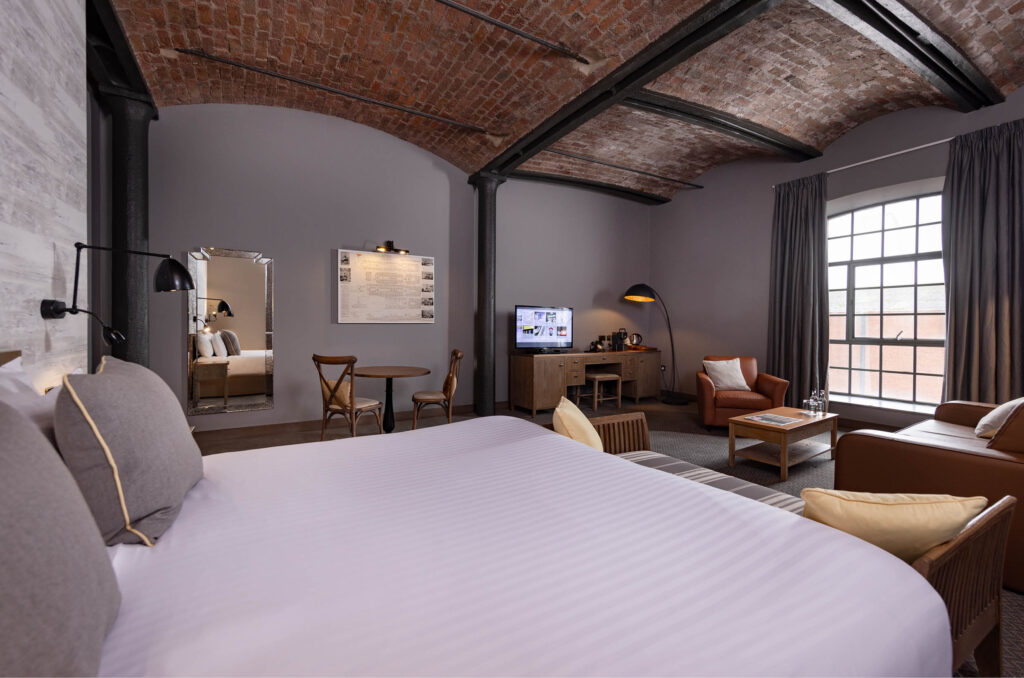
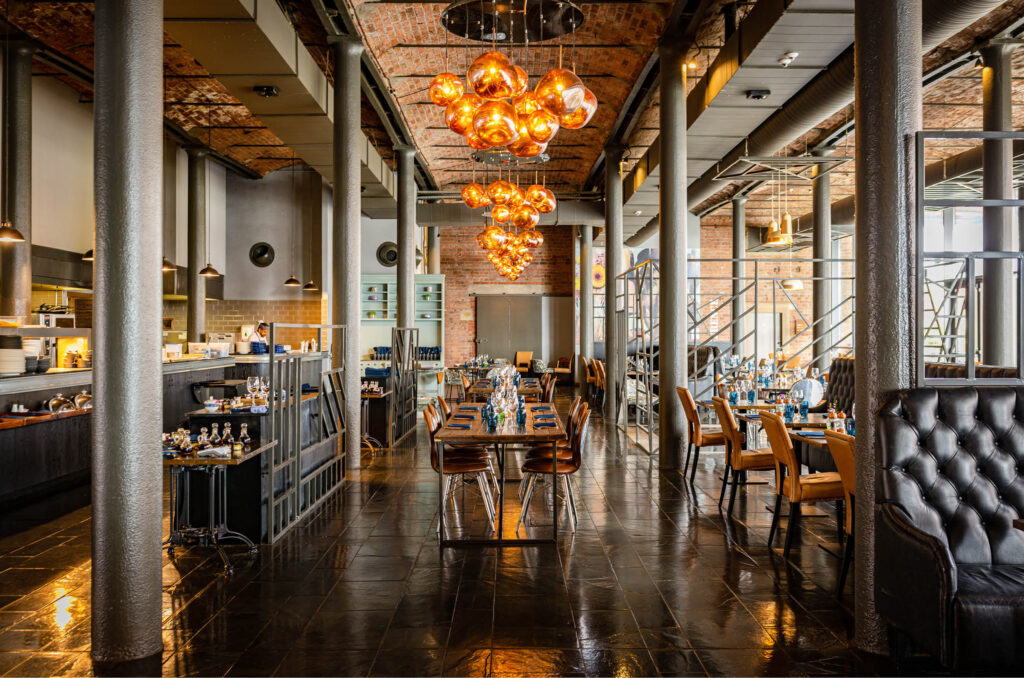
Today, the North Warehouse has been reborn as the Titanic Hotel Liverpool, a stunning example of industrial heritage transformed into luxury. The building’s historic character remains intact: exposed brickwork, soaring ceilings, and cast-iron columns echo the past, while expansive rooms, elegant design, and impeccable service bring contemporary comfort to the fore.
The hotel offers 153 generously proportioned rooms, many of which overlook the tranquil waters of the dock. Each room blends modern simplicity with industrial charm, creating a uniquely atmospheric space for rest and reflection. Whether arriving for business, leisure, or an event, guests are instantly immersed in Liverpool’s historic soul.
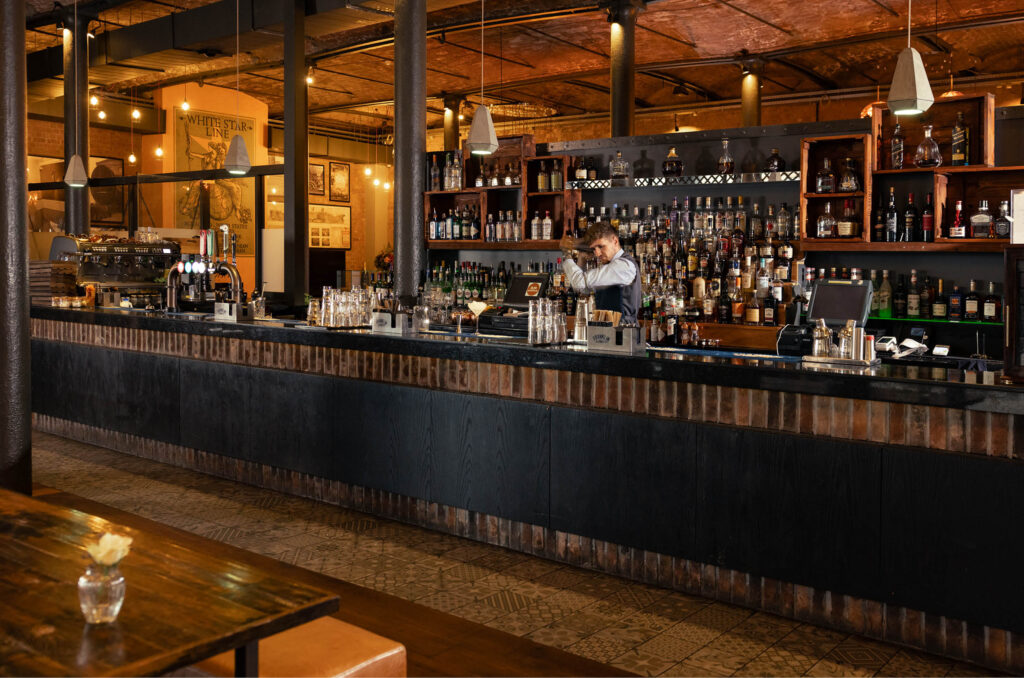
The Rum Warehouse: A Venue Reimagined
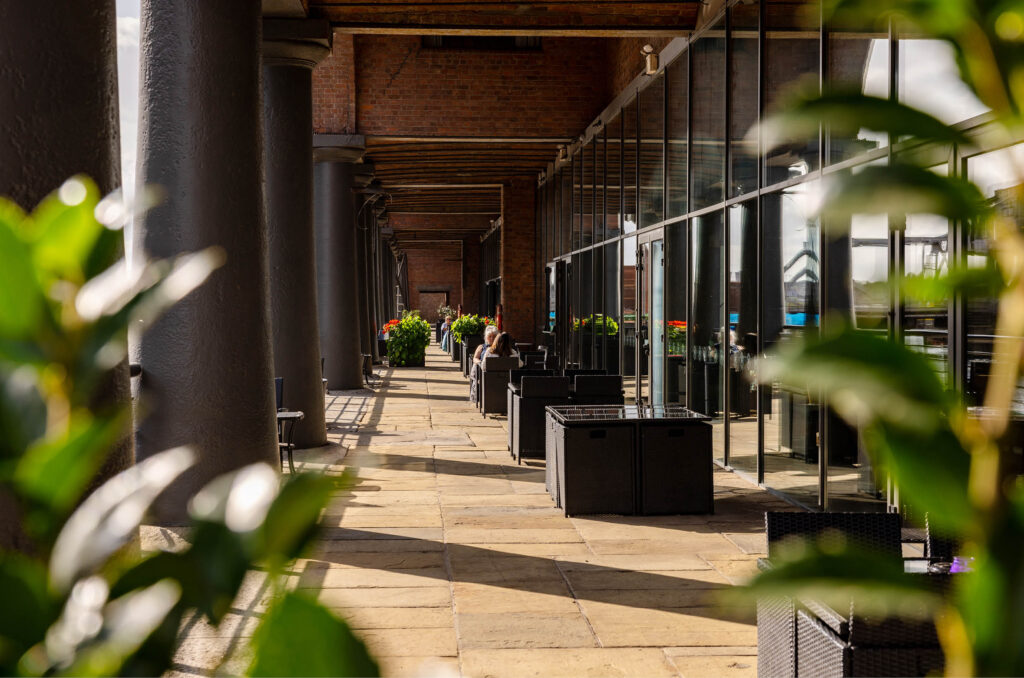
Adjoining the hotel is the Rum Warehouse, a 1950s addition now fully restored into one of Liverpool’s premier event venues. This multi-functional space boasts over 7,000 square feet and can accommodate up to 500 guests for conferences, weddings, or exhibitions. With floor-to-ceiling windows showcasing the dramatic dockside views, it offers an unforgettable backdrop for any gathering.
This venue carries the name of the product once stored here and pays homage to the trade routes and commodities that built Liverpool’s wealth and identity. Rum, sugar, and tobacco formed part of the complex commercial and cultural exchanges that also shaped Creole societies around the Atlantic.
Maya Blue Wellness: Serenity Below the Surface
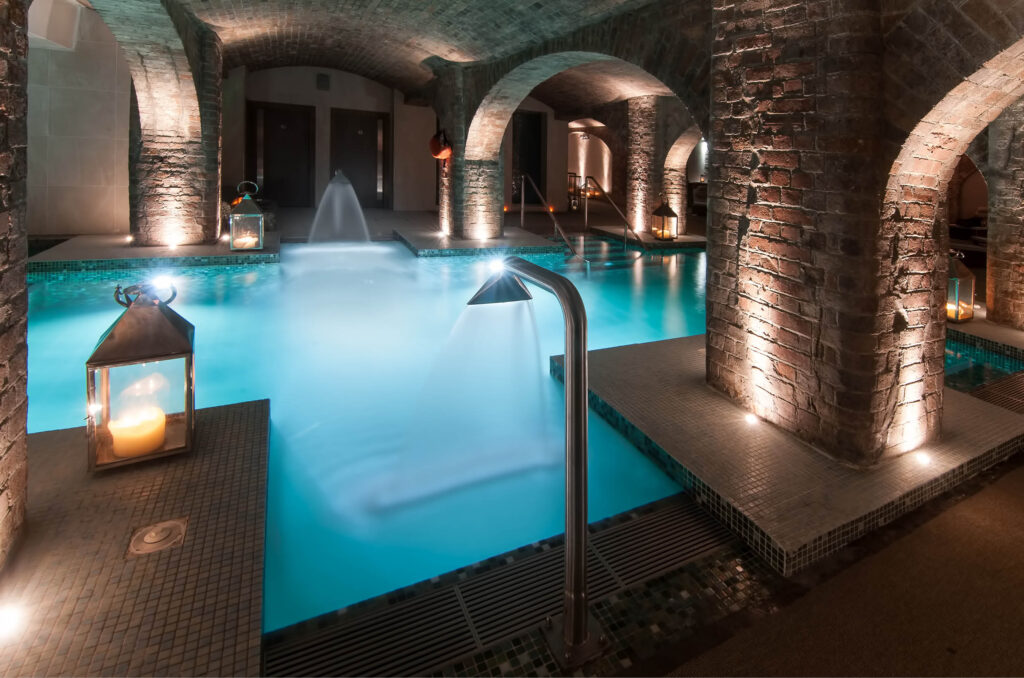
Beneath the old arches of Stanley Dock lies another hidden gem, the Maya Blue Wellness Centre. Set in the old underground vaults, this spa offers a sensory retreat with a hydrotherapy pool, thermal suite, and a range of treatments designed to restore both body and mind. It’s a tranquil, almost sacred space, where history and healing coexist in perfect harmony.
A Shared Story with the Creole World
What makes the Titanic Hotel particularly poignant for Kreol Magazine readers is how closely its story mirrors Creole culture’s. Both are rooted in maritime movement, colonial trade, and the blending of identities born through hardship and creativity.
Liverpool’s rise as a port city was deeply tied to the same rum, sugar, and tobacco routes that formed the economic foundations of Creole societies in the Caribbean, Louisiana, West Africa, and beyond. The goods once housed in Stanley Dock’s warehouses were symbols of a global exchange that was often exploitative but also resulted in the emergence of rich, hybrid cultures.
Moreover, the dock welcomed emigrants and sailors from across Europe and beyond. Among them were people who would settle in New Orleans or Havana, marry into African or Indigenous communities, and, knowingly or not, contribute to Creole identity. The journey so many made from Liverpool across the Atlantic was a defining chapter in Creole history.
Even the transformation of the Titanic Hotel, from industrial warehouse to cultural landmark, echoes a central Creole theme: repurposing memory into living culture. Just as Creole communities preserve history through language, music, food, and faith, the hotel preserves its story through architecture, experience, and atmosphere.
Echoes of the RMS Titanic
Although the Titanic was built in Belfast, it sailed under the White Star Line, a British shipping company based in Liverpool. It was later absorbed into an American-owned trust led by financier J.P. Morgan. This transatlantic ownership reflected the close commercial ties between Britain and the United States at the time. The ship was registered in Liverpool and proudly bore the city’s name on her stern. Many of her crew were Liverpudlians, making the Titanic a vessel of local pride, and, after its tragic sinking, shared mourning. It remains etched into the city’s maritime identity as a lasting symbol of ambition, luxury, and loss, and a reminder of Liverpool’s role in global history.
The Next Chapter
Just across the water, the colossal Tobacco Warehouse – once the most extensive brick warehouse in the world is undergoing its transformation. Soon, it will house apartments, boutique shops, and cafes, further reviving the docklands as a vibrant destination for locals and visitors.
What makes the Titanic Hotel and Stanley Dock so unique is not simply the architecture or the luxury but the soul of the place. Every beam and brick tells a story of trade and toil, war and recovery, migration and cultural reinvention.
In reviving these storied walls, Liverpool has reclaimed its physical heritage and a powerful narrative of global connection, and for the Creole world, that connection runs deep.